Fire escape tools protect people during building evacuations when normal exits are blocked by smoke or fire. This guide covers four product types — smoke escape hoods, fire blankets, fire escape capes and descent rope kits — with real specifications, building-level selection guidance and proper use instructions. Each type solves a different evacuation problem, so match the product to the building height, occupant profile and emergency procedure before ordering.
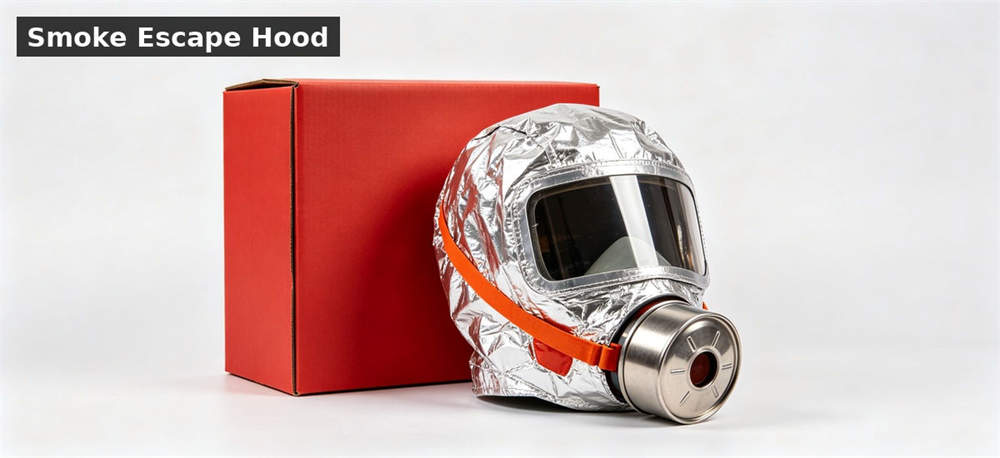
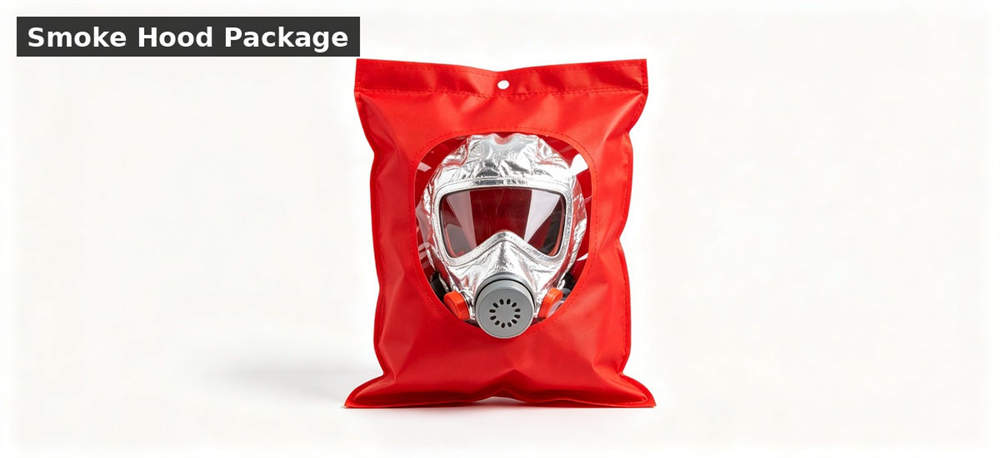
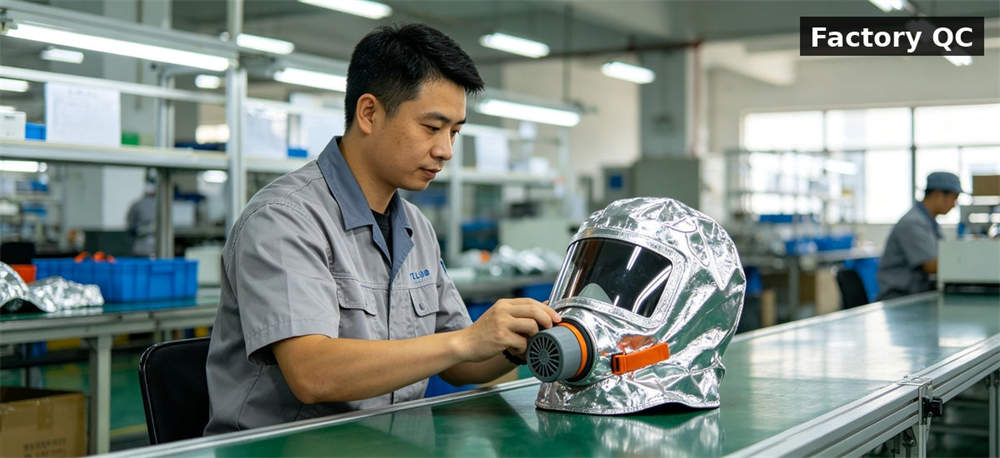
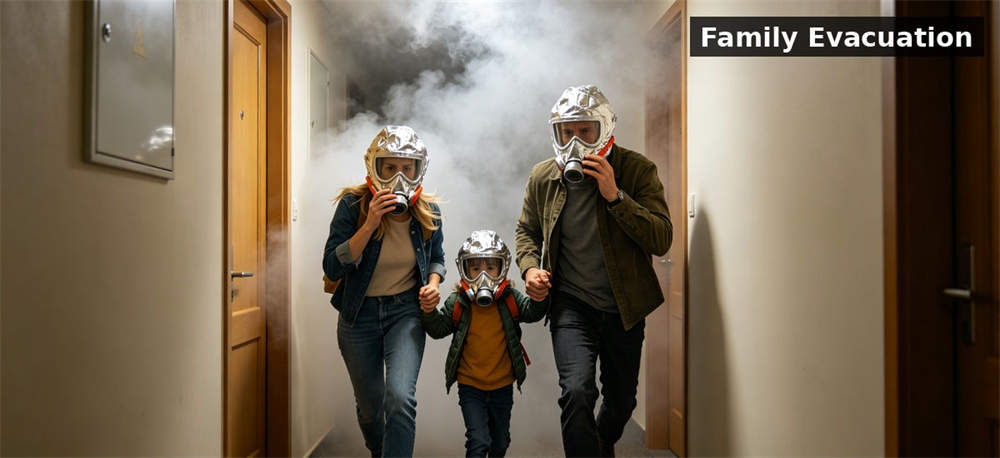
A single-use filtering respirator that protects the wearer from carbon monoxide (CO), hydrogen cyanide (HCN) and toxic smoke during building evacuation. The most common fire escape tool for residential and commercial buildings.
View TZL30 smoke escape hood details
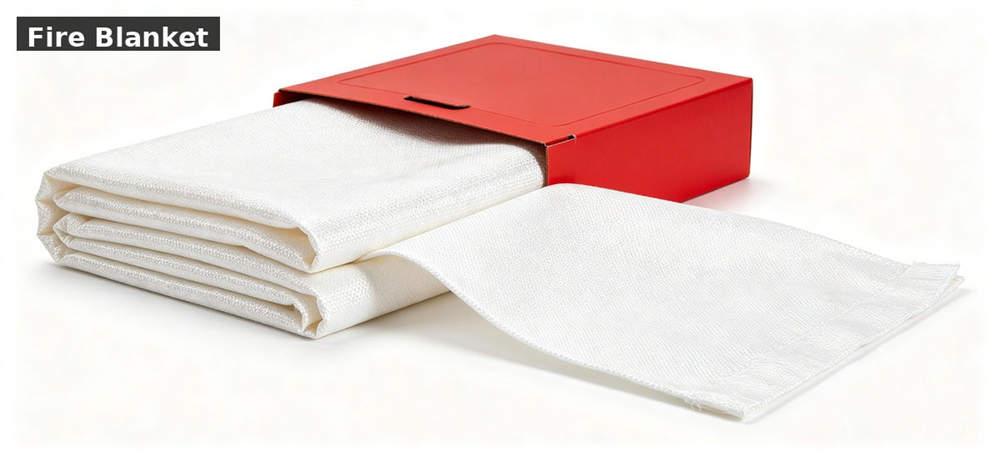
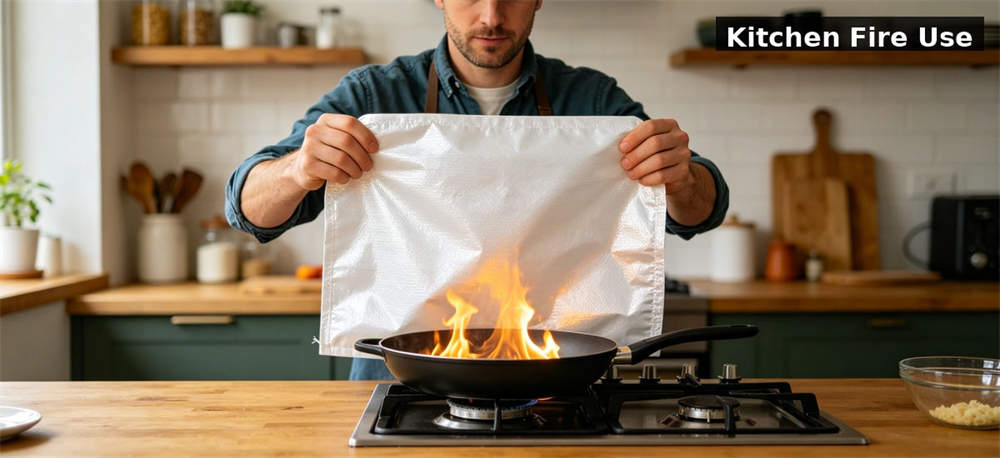
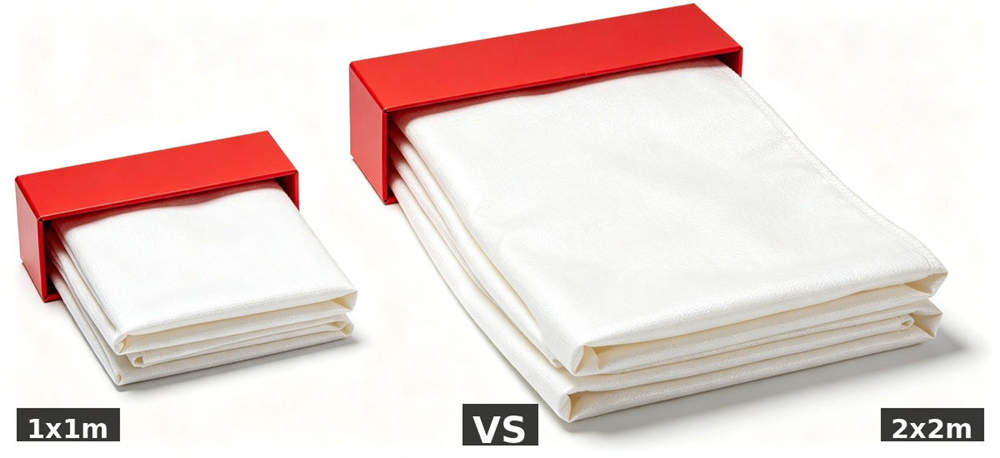
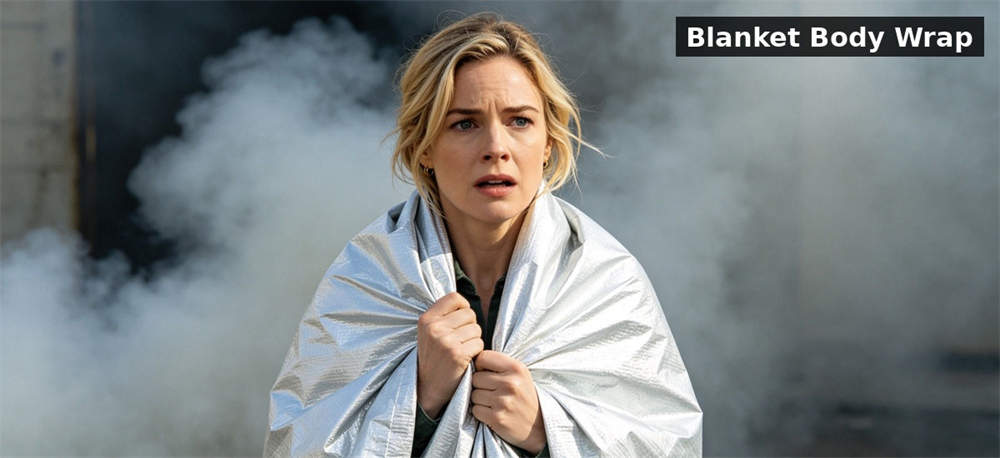
A woven fiberglass sheet used to smother small fires (kitchen, waste bin) or wrap around a person for protection while escaping through flames. Available in multiple sizes for different users and scenarios.
View fiberglass fire blanket details
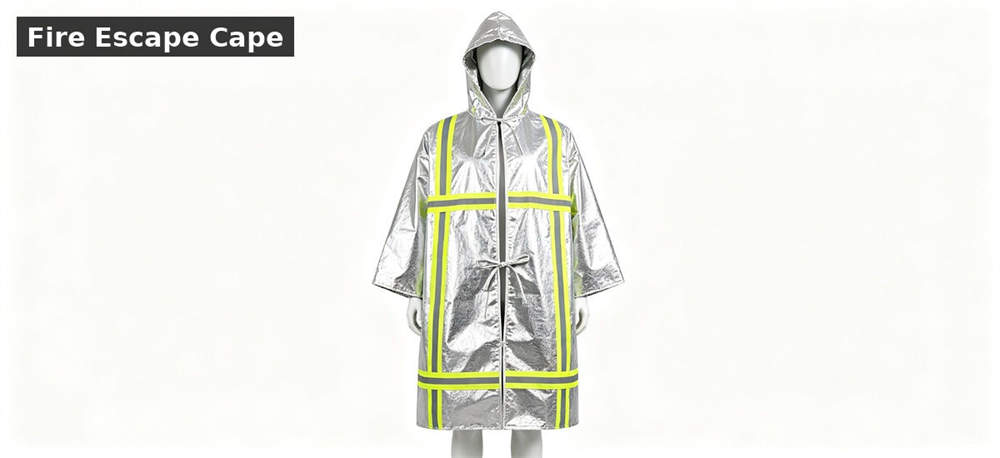
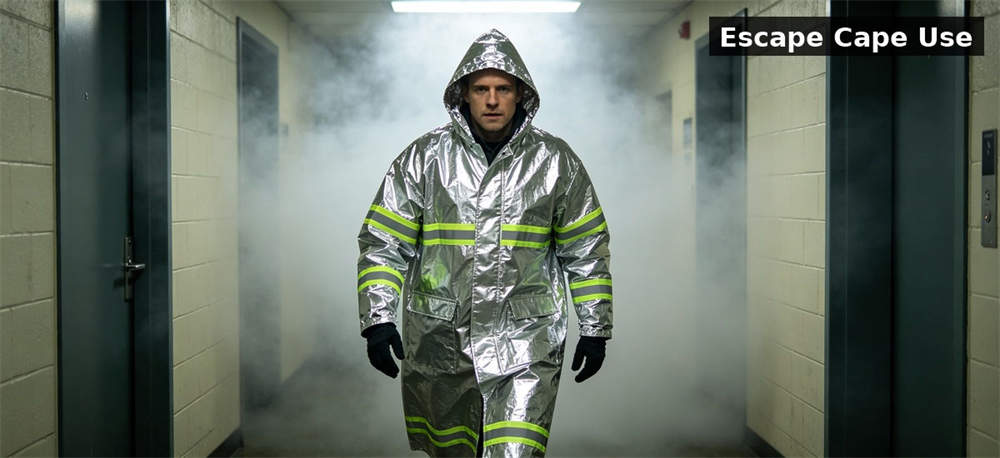
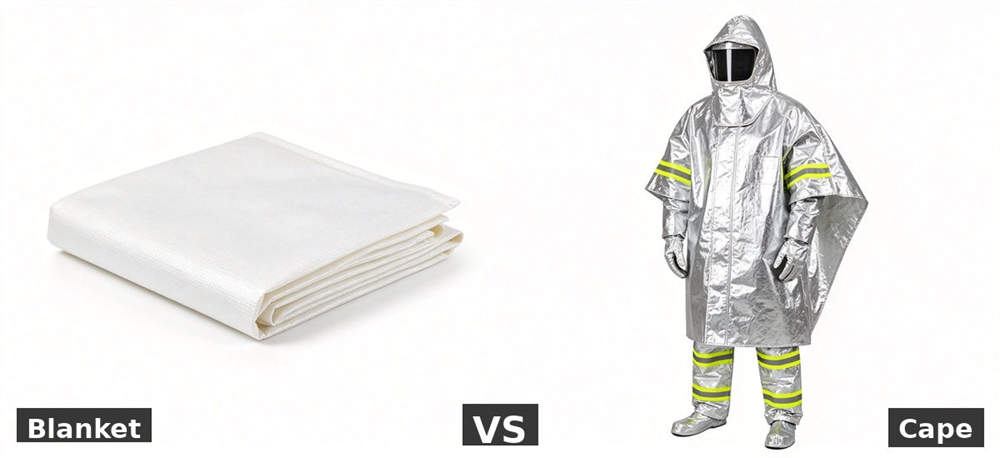
A cape-style protective garment that a person wears over the head and body during evacuation. Unlike a flat fire blanket, it has a hood, arm openings and a clear visor, allowing hands-free movement through smoke and heat.
Material: Fiberglass with aluminum foil coating or silicone-coated fiberglass
Coverage: Head to below knees (one-size-fits-most adults)
Temperature resistance: 500-700°C (short duration exposure)
Features: Integrated hood, clear visor window, arm openings, adjustable neck closure, reflective strips
Weight: 0.8-1.2kg
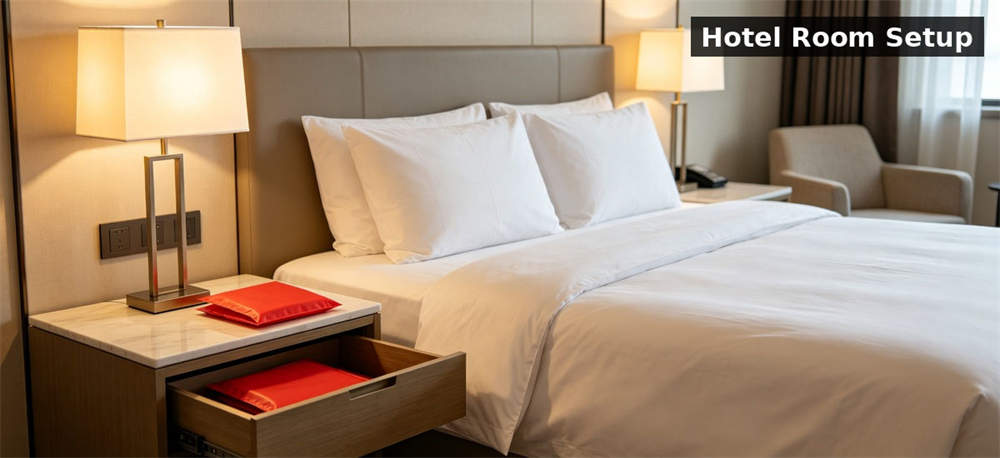
Packaging: Folded in red storage bag, wall-mountable
Uses: Building evacuation, drill training, high-rise residential, hotel rooms
Note: For short-duration escape only, not for prolonged fire exposure
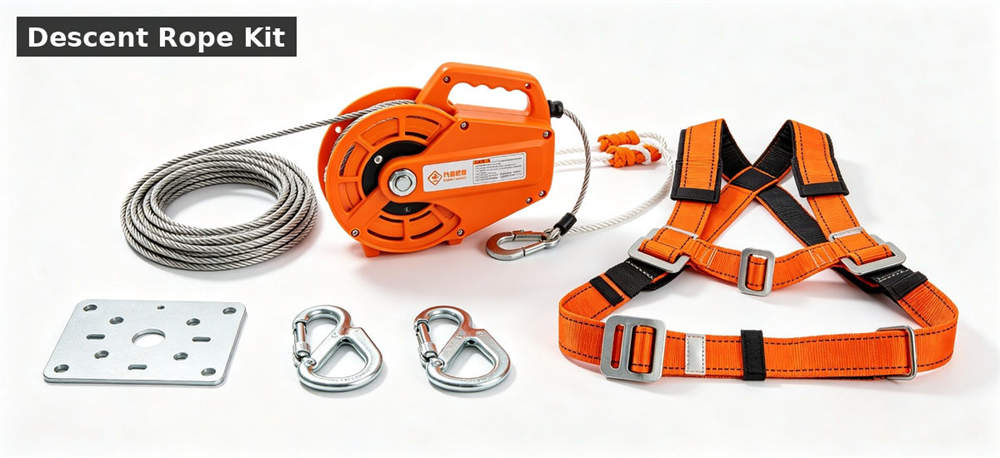
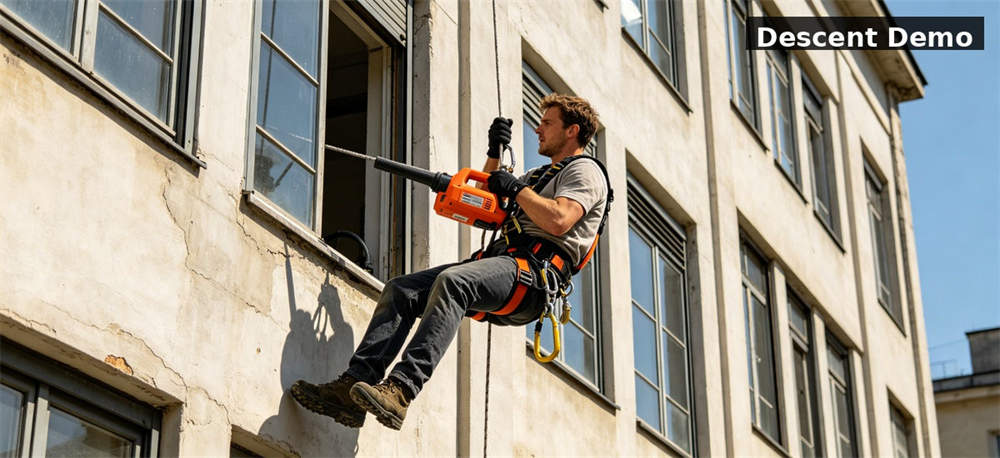
A complete controlled-descent system for high-rise evacuation when stairs are blocked. Includes a speed-governed descent device, steel-cored rope, harness, safety hooks and wall anchor plate. Allows one person at a time to descend safely from upper floors.
View escape rope and descent kit category
|
Product |
Best For |
Key Spec |
Reusable? |
Training Needed |
|
Smoke Escape Hood |
Any building, all occupants |
30min CO/HCN filtration |
No (single-use) |
Minimal (open, put on) |
|
Fire Blanket |
Kitchen, small fires, body wrap |
550°C fiberglass, 1-2m sizes |
Yes (if undamaged) |
Minimal (unfold, cover) |
|
Fire Escape Cape |
High-rise evacuation, drills |
500-700°C, hood+visor |
Yes (if undamaged) |
Basic (put on, walk) |
|
Descent Rope Kit |
High-rise (3+ floors) |
0.16-1.5m/s, 15-100m rope |
Yes (rope, device) |
Required (practice descent) |
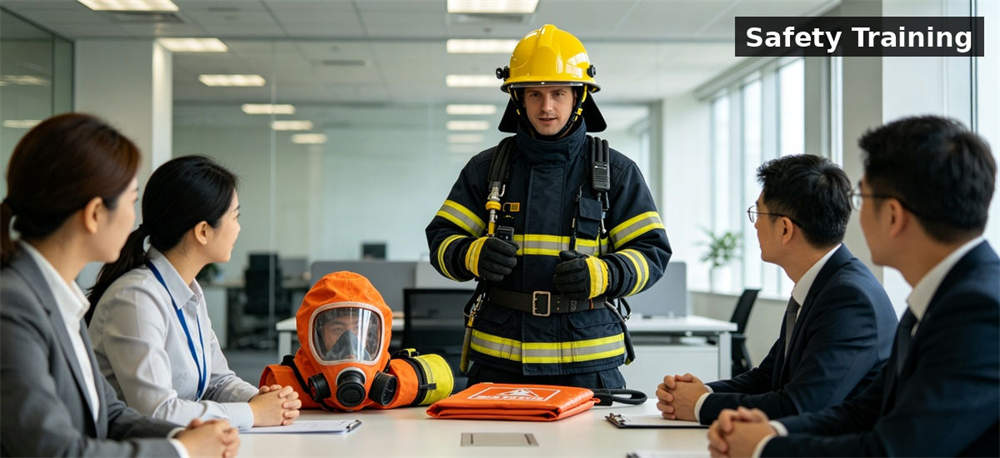
Match the product to the building height and occupant capability. A 3-story office needs different tools than a 30-story residential tower.
Selection tip: Smoke escape hoods are the universal baseline — every building should have them. Add fire blankets for kitchen/fire-risk areas. Add descent kits only when stairs may be impassable and the building is tall enough that jumping or climbing is not viable. Never substitute a smoke hood for a descent rope, or a fire blanket for a smoke hood — they solve different problems.
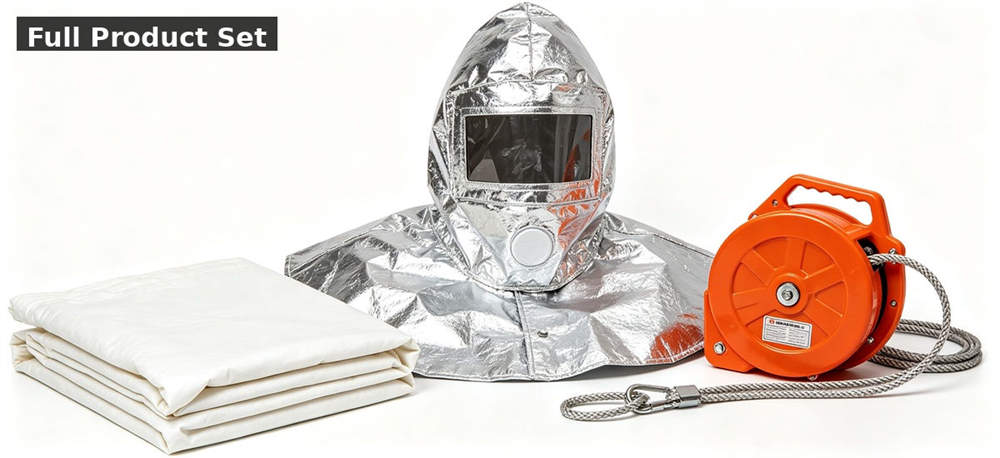
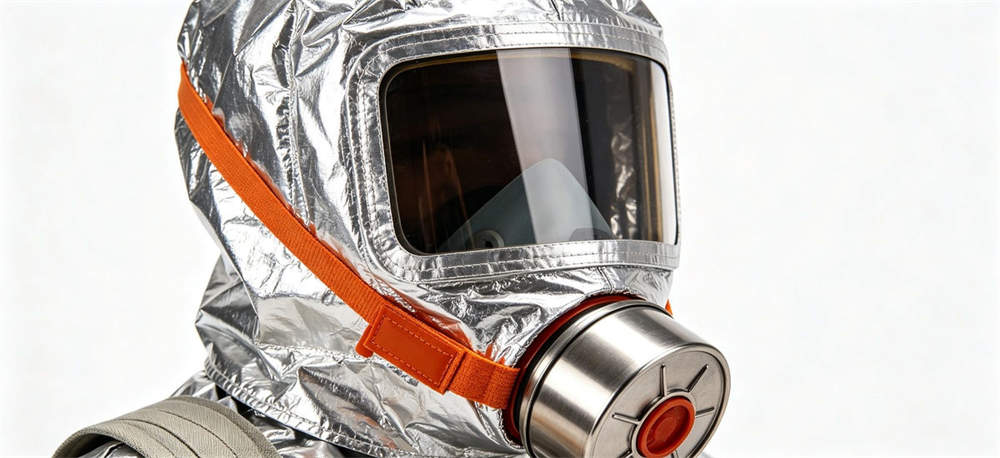
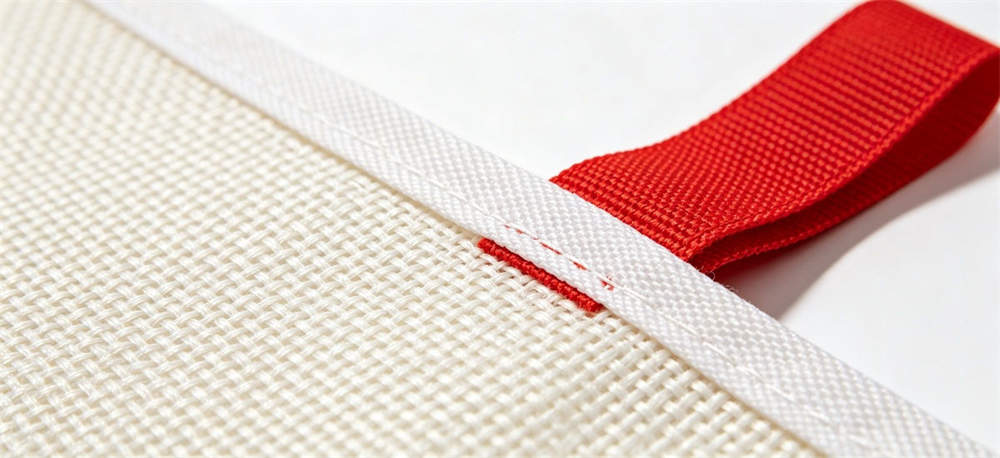
Example bulk order for a 20-floor apartment building with 4 units per floor (80 units, ~200 occupants):
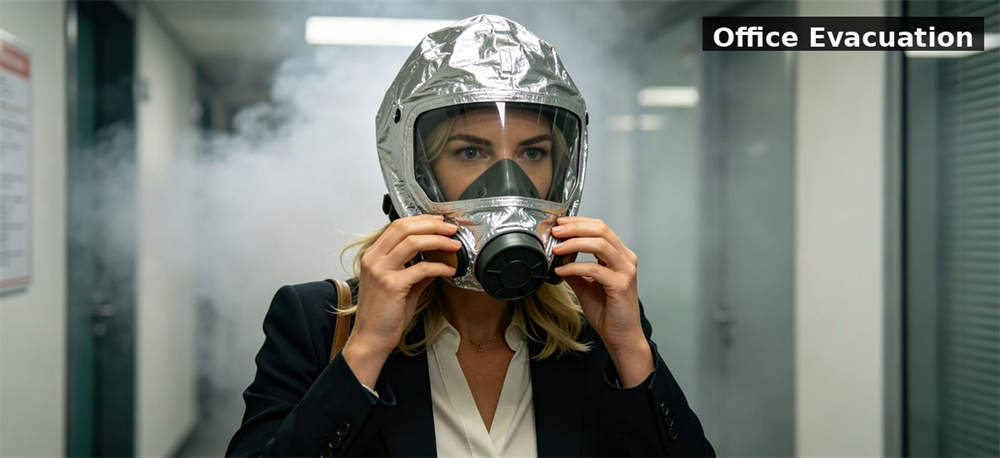
All items can be packed in labeled cartons by floor for easy distribution during installation.
Lead time reference: Standard stock items (hoods, 1×1m blankets): 15-25 working days. Custom sizes or logo printing: 25-40 working days. Descent kits with custom rope length: 30-45 working days. Emergency rush orders for standard items can start production within 72 hours.
What is the difference between a smoke escape hood and a gas mask?
A smoke escape hood (TZL30) is a single-use, 30-minute filtering device for civilian building evacuation. It filters CO, HCN and smoke but does not supply oxygen. A gas mask (professional respirator) may supply oxygen or filter a wider range of chemicals, is reusable, and requires training. Smoke hoods are for escape only, not for firefighting or chemical spills.
The rated protection time is 30 minutes under laboratory conditions (standard CO concentration of 0.25%). In real building fires with heavier smoke and higher CO levels, effective time is typically 18-22 minutes. This is still enough time to descend 20+ floors if you move immediately. Do not waste time gathering belongings after putting on the hood.
Can a smoke hood be reused?
No. Once the vacuum package is opened, the filter begins to degrade from moisture and air exposure. Even if used for only 1 minute, the hood must be replaced. Always store spare units so opened ones can be replaced immediately.
For kitchen and small office fires: 1×1m or 1.2×1.2m. For wrapping an adult body during escape: 1.2×1.5m or 1.5×1.5m. For commercial kitchens or large areas: 1.8×1.8m or 2×2m. Larger blankets are heavier and harder to deploy quickly — choose the smallest size that covers the intended use.
Can a fire blanket be used more than once?
Yes, if it is undamaged. If used to smother a small fire and shows no burn holes, fraying or coating damage, it can be refolded and reused. If used to wrap a person escaping through flames, replace it — heat damage to the fiberglass or coating may not be visible. Always inspect after any use.
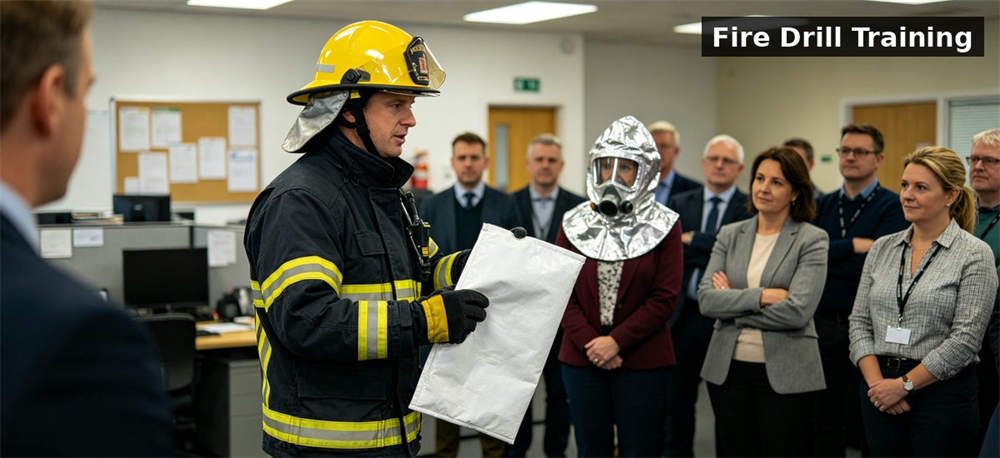
A fire blanket is a flat sheet used to cover fires or wrap around a person manually. A fire escape cape is a wearable garment with a hood, visor and arm openings — you put it on like a poncho and keep both hands free. Capes are better for longer evacuation routes where you need to open doors or carry children. Blankets are better for fire suppression and short-distance escape.
From what floor height is a descent rope kit needed?
Generally 3 floors and above, where jumping or climbing down is dangerous or impossible. Below 3 floors, a rope may still be useful but smoke hoods and blankets are usually sufficient. The exact floor depends on local building codes, occupant mobility and whether the building has fire escapes or protected stairwells.
A reciprocating (or self-rescue) descent device uses gravity to control your speed automatically. You clip to the anchor, put on the harness, and step off — the device regulates your descent to 0.16-1.5m/s regardless of your weight (within 35-100kg). When you reach the bottom, the rope/hook returns to the top for the next person. No external power or brakes are needed.
Can more than one person use a descent rope kit?
Yes, but only one person at a time. The reciprocating design returns the hook to the top after each descent, so the next person can clip on immediately. A 50m rope can be used by multiple people sequentially. The rope and device have a rated lifespan of many descents, but inspect after each use. Never attempt two people on the rope simultaneously.
Yes. The wall anchor plate must be installed into a structural wall or window frame by a qualified person. A poorly installed anchor is the most common failure point. We provide installation instructions and can recommend local installers. Never install an anchor in drywall, plaster or non-structural partitions.
What certifications do these products have?
Smoke hoods: GB 21976.7-2012, CCC certified. Fire blankets: CE, SGS, ISO 9001 (available on request). Descent kits: GB/T 8834-2016, CCC. We can help arrange additional third-party test reports based on your project requirements, including EN standards for European markets.
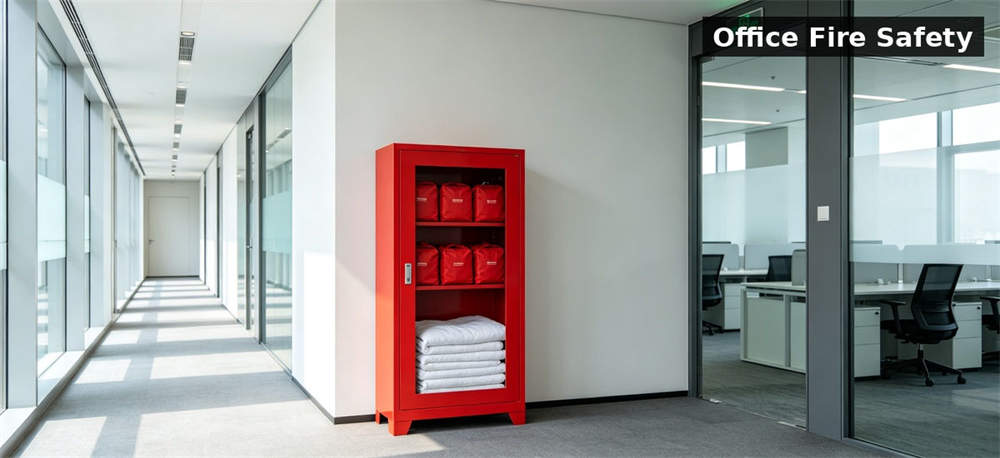
Store in original vacuum packaging in a clearly marked, unlocked cabinet near each exit or stairwell. Do not store in kitchens, boiler rooms or areas above 40°C. Do not stack heavy items on top. Each unit should have the production date visible so expired units can be identified and replaced during annual inspections.
What happens if a fire blanket gets wet?
Fiberglass fire blankets are not damaged by water, but if stored wet they may develop mold or the coating may degrade. If a blanket gets wet, unfold it completely, air dry in a well-ventilated area away from direct sunlight, then refold and return to storage. Silicone-coated blankets can be wiped clean with a damp cloth. Never store a damp blanket in its box.
Smoke hoods: One-size-fits-most adults; child-sized hoods are available for ages 6-12 (minimum order 200 units). Elderly users may need assistance putting on the hood. Fire blankets: Can be used by most people, but larger sizes (1.5m+) are heavy for children. Descent kits: Not recommended for children under 12 or people with mobility/heart conditions without assistance — practice is essential.
How do I calculate how many smoke hoods to order?
Count the maximum number of occupants at any time (residents, employees, visitors), then add 20% spare for visitors, lost units and replacement of expired stock. For a 50-person office: 50 + 20% = 60 units. For an 80-unit apartment building with average 2.5 people per unit: 200 + 20% = 240 units. Store 70% in individual units/rooms and 30% in common areas.
Smoke hoods: 3-5 years from production date (check packaging). Fire blankets: 5-10 years if stored properly (inspect annually). Fire escape capes: 5-8 years (inspect coating annually). Descent rope kits: Rope 5-10 years (inspect every 6 months), device 10+ years (inspect annually). All products should be replaced after any emergency use regardless of age.
Can I order mixed products in one shipment?
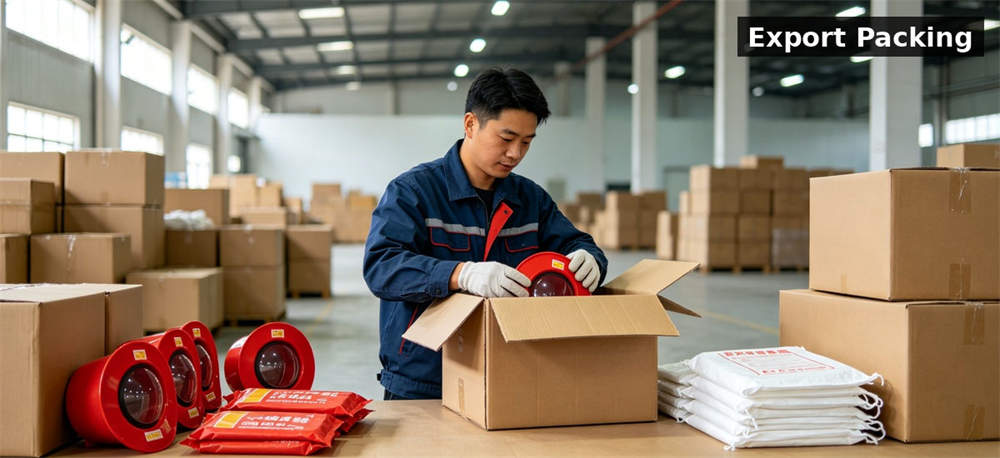
Yes. Most projects order a combination — for example, smoke hoods + fire blankets for a school, or all four types for a high-rise. We can pack by product type, by floor, or by building zone with labeled cartons. Mixed orders are quoted per item and shipped together when all items are ready.
Yes. Hotels: smoke hoods in each room (1 per bed + 1 spare), fire blankets in kitchens and housekeeping carts. Hospitals: smoke hoods for staff and non-ambulatory patients (check local healthcare codes), fire blankets in kitchens and labs, descent kits at designated escape points. Always verify with local fire code requirements before finalizing quantities.
What information do I need for a quotation?
For an accurate quote, provide: product types and quantities, building type and floor count, any custom requirements (logo, language, sizes), destination country, target delivery date, and whether you need installation services or just products. The more detail you provide, the more accurate the quote and the fewer surprises during production.
Yes. We can provide sample units for evaluation — smoke hoods, fire blankets and escape capes are typically available from stock. Descent kit samples may require 2-3 weeks preparation. Samples help you verify quality, test fit and show decision-makers before committing to a bulk order. Contact us with your project details to arrange samples.
Fire escape tools are often procured alongside these categories:
Send us your building type, floor count, occupant numbers and any custom requirements. We will recommend the right product mix, confirm specifications and provide a project quotation.
INTERNAL LINK CARD AREA - target page and URL pending
روابط ودية :
حقوق النشر © Custom Disaster - Relief Bedding: Tents, Sleeping Bags, Blankets كل الحقوق محفوظة
الفريق المحترف للخدمة !