Published: October 13, 2026 | Last Updated: October 13, 2026
Wholesale Remote Camp Supplies | Camp Tents
Bedding PPE Emergency Gear
This catalog covers complete remote camp supplies for mining, oilfield, construction and humanitarian projects. We supply wholesale camp supplies including tents, bedding, solar lighting, safety PPE and emergency kits, configured for off-grid sites, from one China supplier with bulk and project ordering, covering worker accommodation, site logistics, night lighting and first response, so one order builds a ready camp.
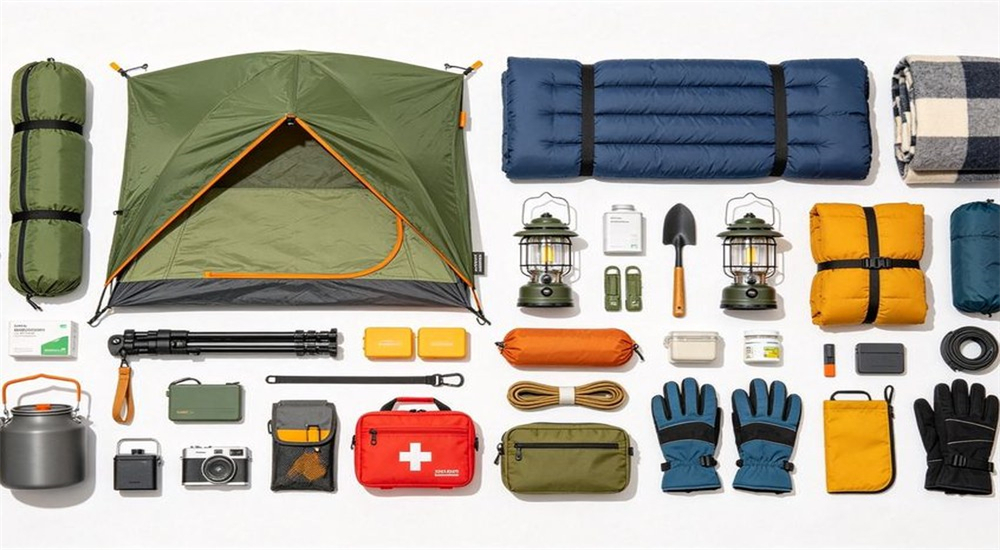

A complete {kw('remote camp supplies')} package starts with the tent fleet, and most mining and oilfield camps standardize on steel frame tents for living quarters. Frame tents with galvanized steel structure and PVC coated covers rated 600 to 850 g per square meter handle high wind zones and multi-year deployments, while inflatable air-beam tents deploy in minutes for emergency housing or temporary overflow. The right mix depends on how long the site stays open and how fast crews rotate. A 100-person camp typically combines frame tents for dormitories, storage tents for logistics and a small inflatable reserve for peak seasons, so the tent plan is the first line item buyers confirm when they request {kw('bulk camp supplies')}.
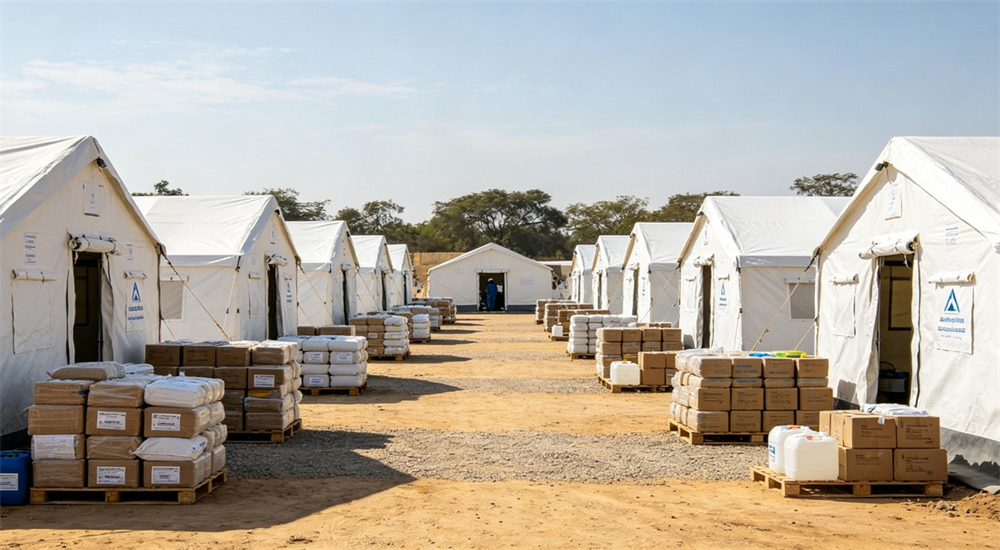
Bedding is the second decision because workers spend eight hours a night on site and rest quality directly affects safety and output. {kw('camp bedding')} orders usually start with folding foam mattresses, which keep their shape under continuous use and price well for fixed camps, while PVC inflatable mattresses pack small for rotating crews and helicopter-served sites where storage space is tight. Complete bedding sets with sheets, duvets and pillowcases standardize accommodation across the whole camp, and tropical sites add rectangular mosquito nets to the same order. When procurement plans a whole camp, bedding is quoted together with tents so one supplier keeps the color and size system consistent.
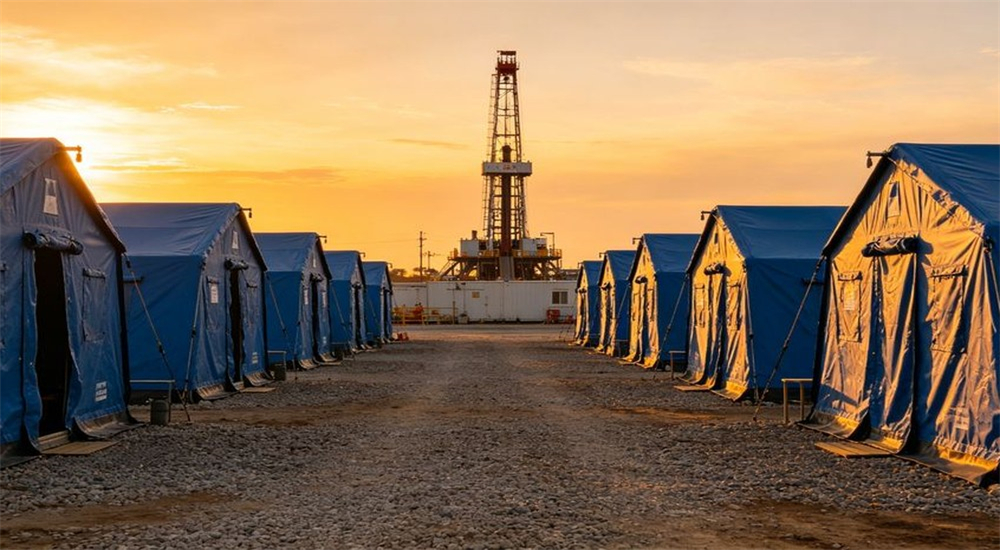
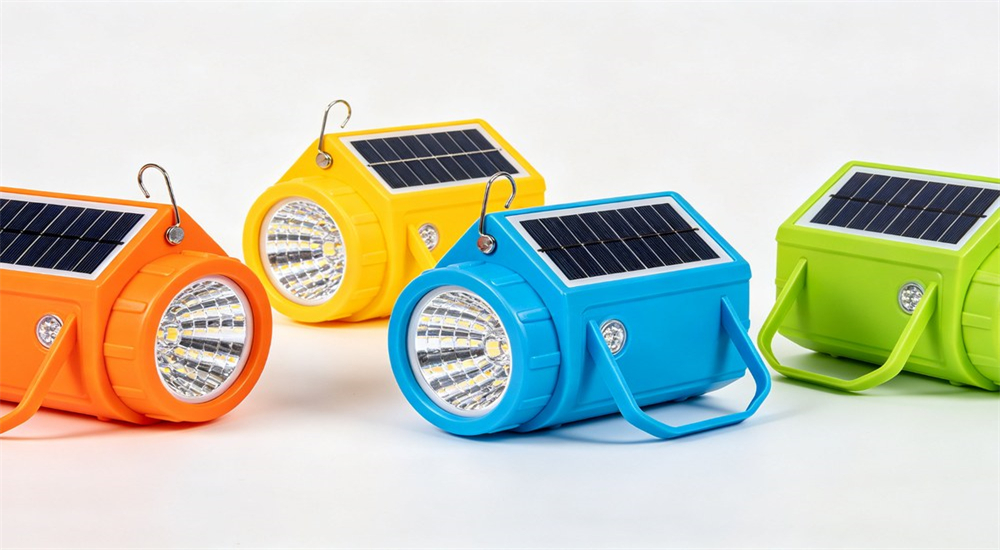
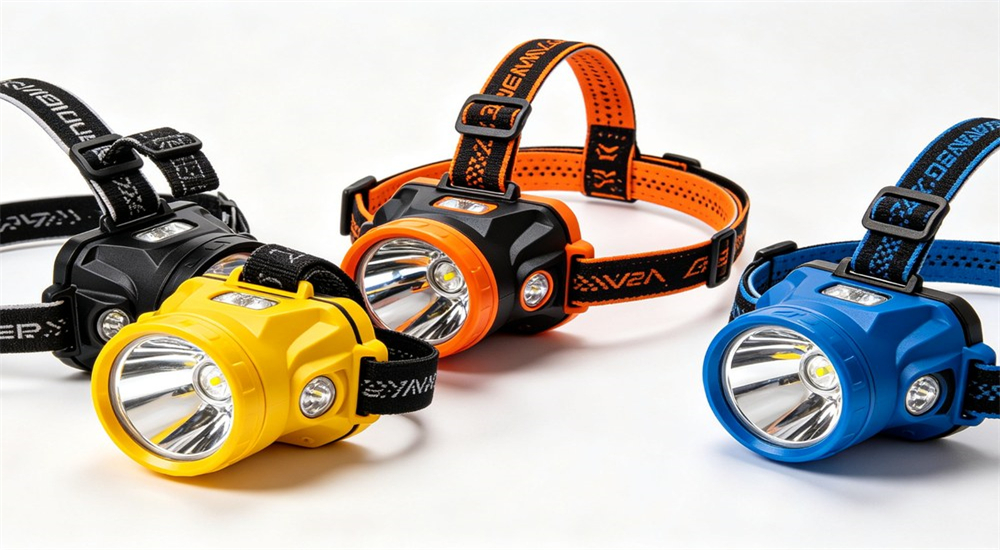
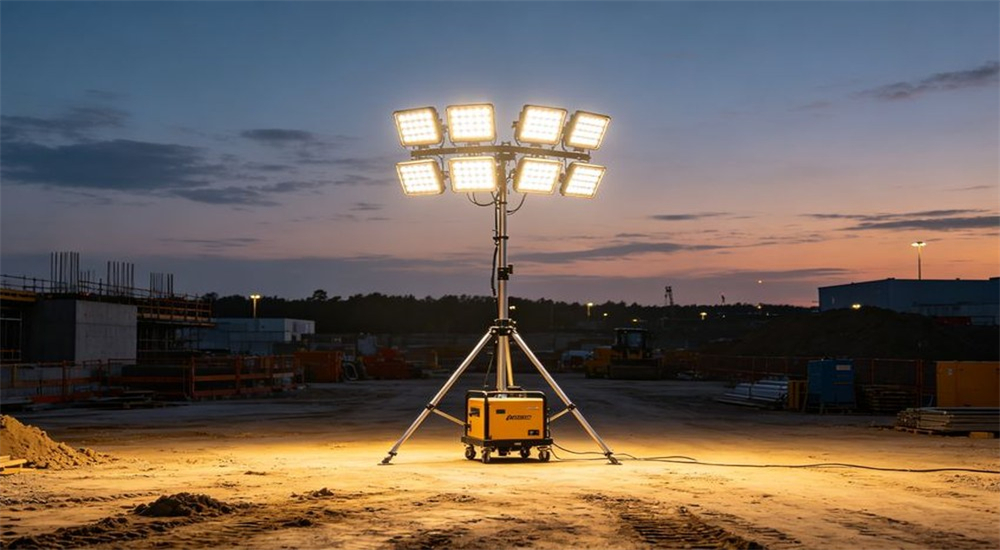
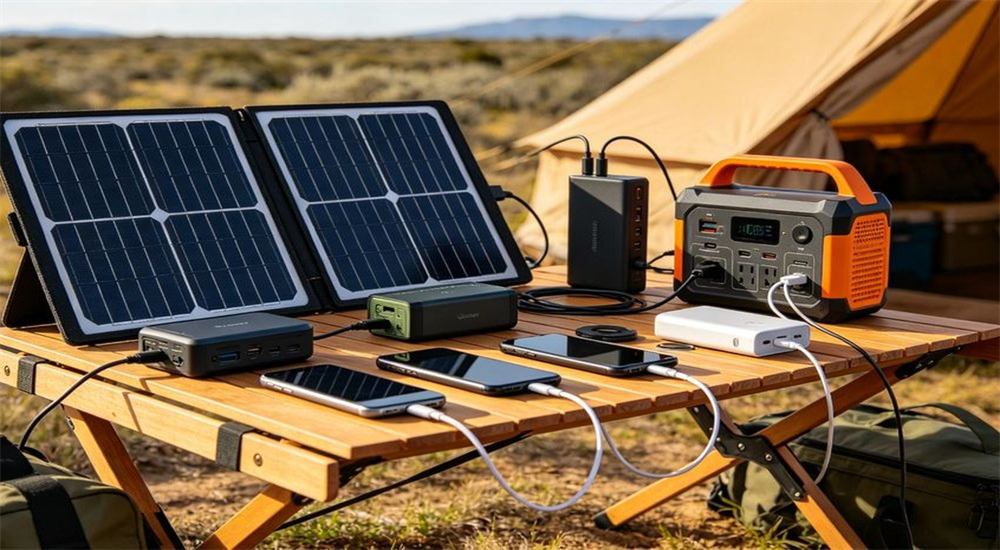
Lighting is the third core line because most remote camps have no grid power. Solar lamps with USB output light a full tent and charge phones overnight, LED headlamps keep hands free for night work, and portable area lighting towers cover walkways and work zones. The lighting package is sized by site: a 50-person camp needs roughly one solar lamp per tent plus shared area lights, while larger sites add charging stations for worker devices. Intrinsically safe headlamps rated ATEX or IECEx are specified for hazardous zones near drilling and fuel storage, so {kw('camp lighting')} planning always follows the site safety class before the order is confirmed.
Safety and emergency equipment complete the camp package. {kw('Industrial safety supplies')} cover work coveralls, reflective vests, helmets, goggles, gloves and boots sized to the crew distribution, while {kw('emergency camp equipment')} adds survival kits, fire safety stations, first aid supplies and rescue tools. Camps that follow OSHA or NFPA style planning keep a documented safety inventory and check it monthly, because response readiness depends on placement as much as specification. When the buyer orders tents, bedding and lighting from the same catalog, the safety layer is added at the same time so every item arrives in one container and one delivery schedule.
With the four core blocks—tents, bedding, lighting and safety—clear, the next step is matching quantities to headcount and site type. The sections below walk through the eight core categories, structure comparisons and the 100-person package configuration most often used by mining, oilfield and construction buyers.
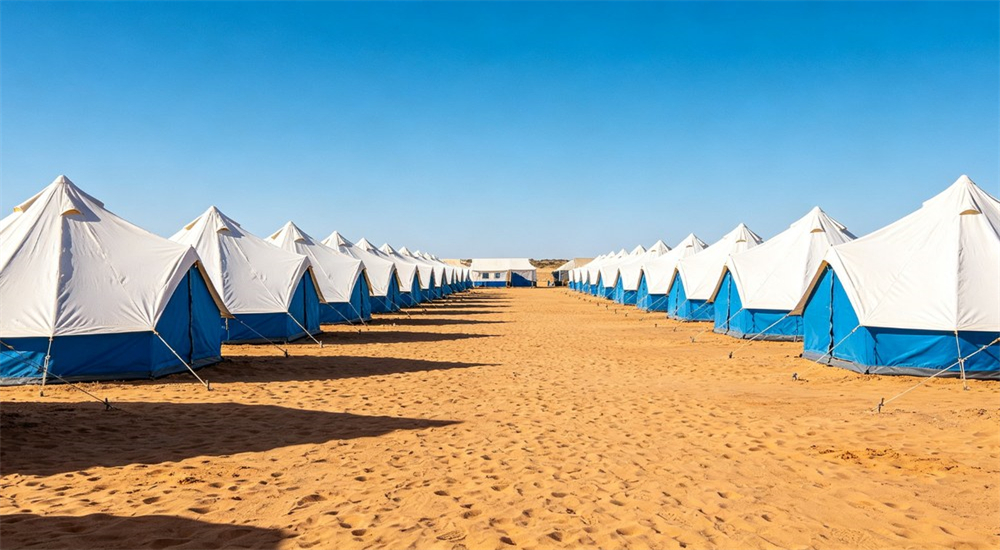
Buyers planning a new worksite or upgrading an existing field camp start with three questions: how many people live on site, what climate they work in, and how long the camp will operate. The answers decide the tent structure, the bedding grade and the lighting system you need from your remote camp supplies package. A 30-person exploration camp can run on frame tents and folding mattresses, while a 200-person oilfield camp usually needs a mixed fleet of frame, inflatable and storage tents plus area lighting towers.
This quick selection path is the fastest way to shortlist your wholesale camp supplies list. For seasonal construction camps, choose camp tents with steel frames and PVC coated polyester covers. For emergency or rotating sites where speed matters, add inflatable air-beam tents that inflate in minutes. For living quarters that stay up for years, upgrade to frame tents with double-layer roofs, floor liners and wind braces rated for the local wind zone.
The second decision is bedding, and the right choice depends on how the camp rotates: fixed dorms run on folding foam mattresses that keep shape and price well, rotating crews prefer PVC inflatable mattresses that pack small, and expedition teams use self-inflating rolls. Transport cost and site humidity decide the final mix. The third decision is power. Solar lamps, headlamps and portable charging stations keep a camp operational where no grid exists, and they are the most requested lighting items in every bulk camp supplies inquiry we handle.
A complete field camp does not run on tents alone. The eight core categories below make up the standard remote camp supply package that procurement teams order for mining, oilfield, power transmission and pipeline projects. Keeping all eight in one order reduces freight cost, shortens lead time and avoids the mismatch of buying tents from one factory and bedding from another.
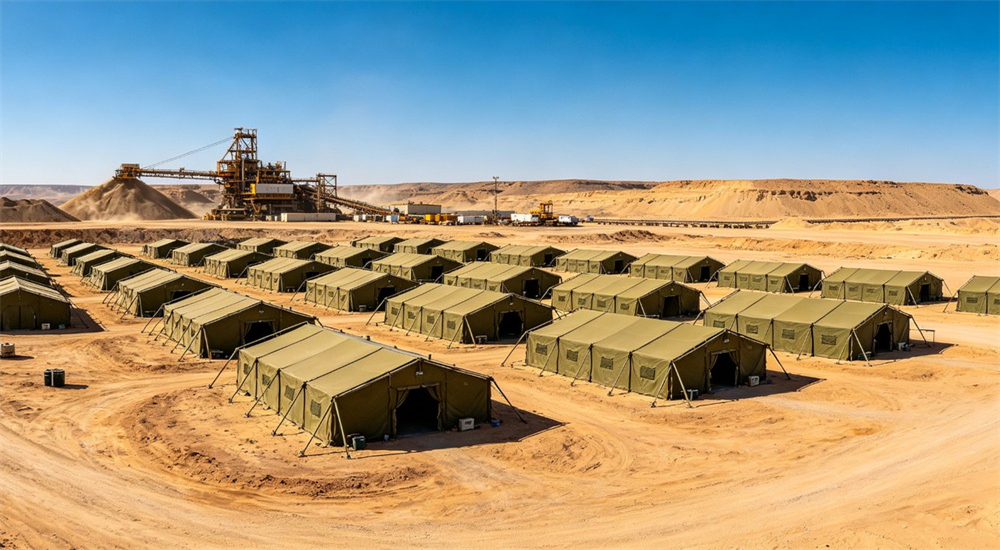
Every item above is available in multiple colors and configurations so a single source can standardize one camp or a whole fleet. When you request wholesale camp supplies with a target headcount, we build the eight-category list, price it line by line and mark which items are available ex-stock and which are made to order.
Mixed shipping is the practical advantage: tents, bedding, lighting and PPE travel in one container, so the buyer manages one forwarder, one set of documents and one delivery schedule, and spare parts stay consistent across camps.
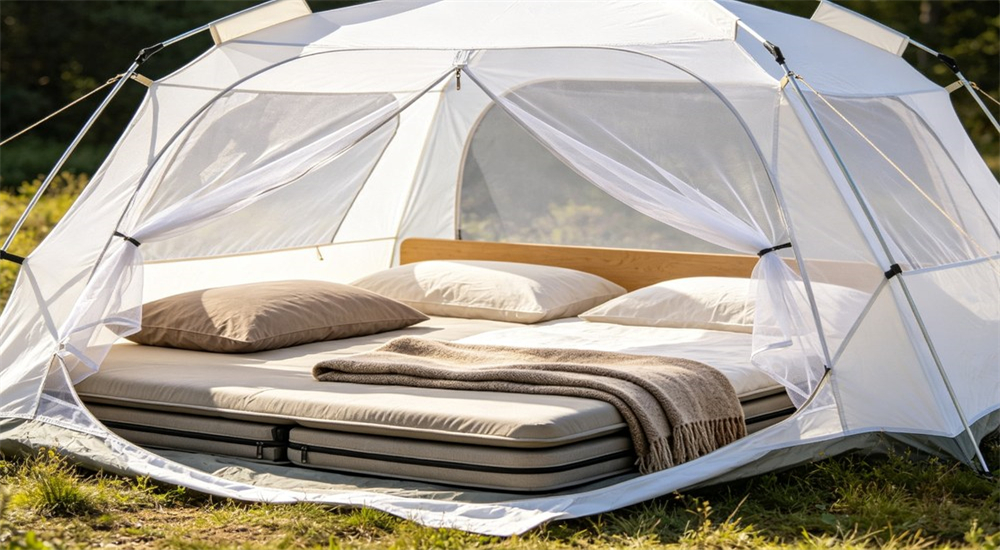
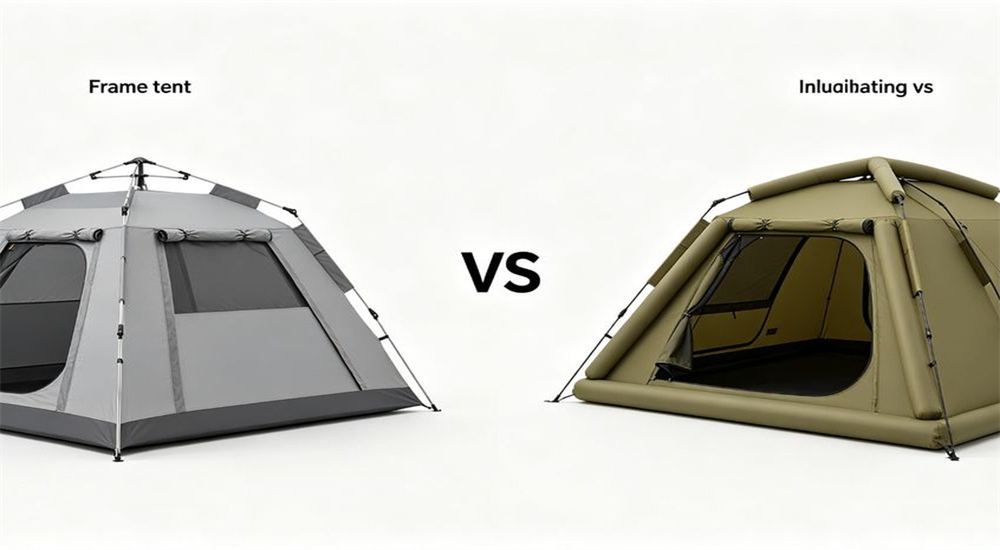
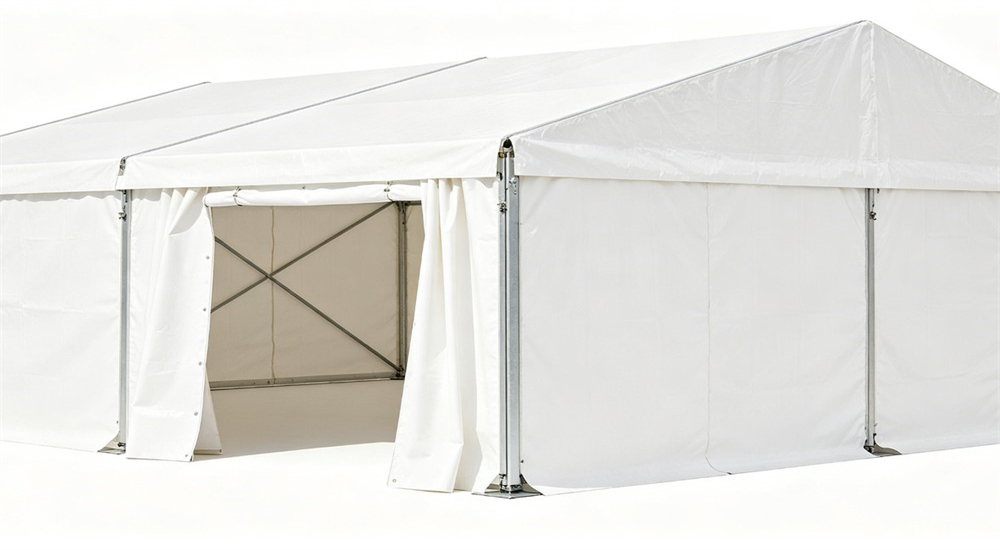
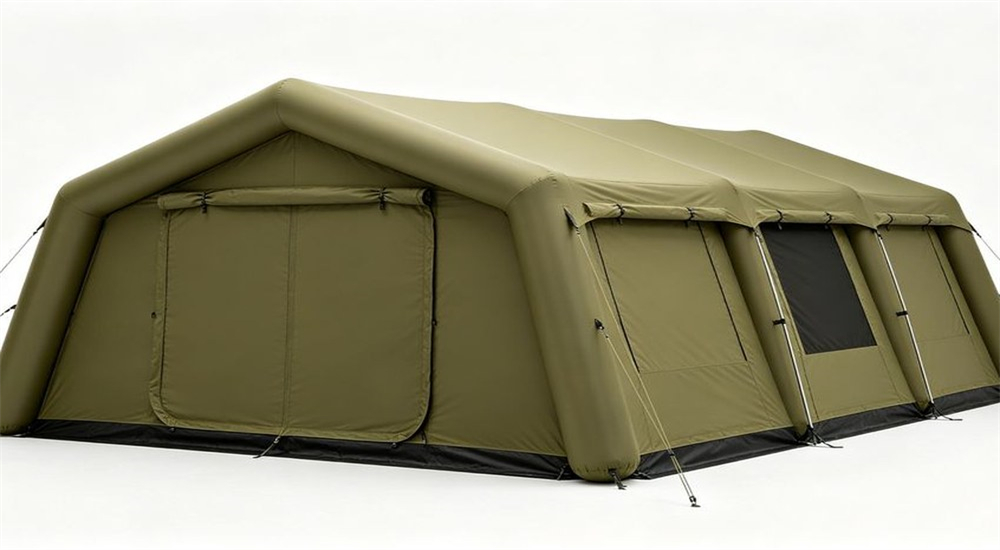
Camp tents are the largest line in any remote camp budget, so the structure choice deserves careful comparison. Frame tents, inflatable tents and storage tents solve different problems, and most large camps use all three together. The table below summarizes the practical differences buyers check before ordering camp tents for a remote site.
|
Camp Structure |
Setup Time |
Best Use |
Key Advantage |
|
Frame tent (steel) |
4-6 workers, half day |
Dormitories, dining halls, offices |
Stable in high wind, long service life |
|
Inflatable tent (air beam) |
2-3 workers, under 30 min |
Emergency shelters, mobile clinics |
Fastest deployment, compact packing |
|
Storage tent |
2-4 workers, few hours |
Warehouses, equipment shelters |
Large door opening, high clearance |
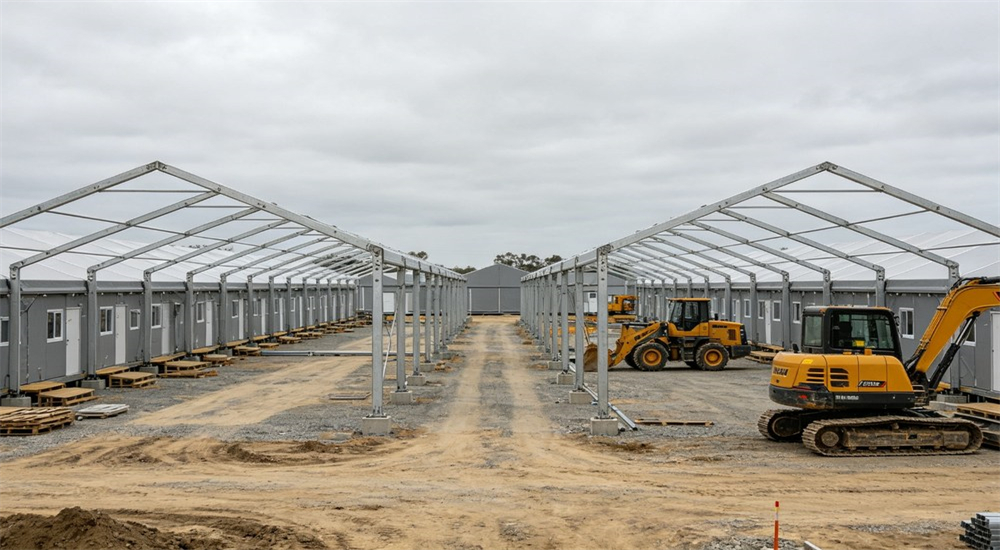
Frame tents use galvanized steel frames with PVC coated polyester covers rated from 600 g/m² to 850 g/m². They stand up to high wind zones and last through multi-year deployments. Inflatable tents replace poles with air beams and can be inflated with a low-pressure blower, which makes them the first choice for rapid response camps where setup time is critical.
A 4×6 m frame tent sleeps four to six workers with bunk beds and leaves room for a small desk and storage rack. The same structure also serves as a dining hall, office or tool room when fitted with side walls and flooring. Because frame tents are modular, buyers standardize on one size for most functions and keep only a few inflatable units for emergency expansion, which simplifies the spare parts list and crew training. When the camp is expected to stay for more than two years, the heavier 850 g cover is the economical choice over the 650 g grade.
Storage tents complete the fleet with wide roll-up doors and tall side walls for equipment, pallets and vehicles. A well-planned camp mix might use 70% frame tents for living areas, 20% storage tents for logistics and 10% inflatable tents for rapid expansion or emergency capacity.
Different industries run different camp rhythms, and the supply list follows the site. The scenarios below show how the same core product range is configured differently for mining camp supplies, oilfield camps and power construction camps. This scenario logic keeps each package practical instead of over-specified.
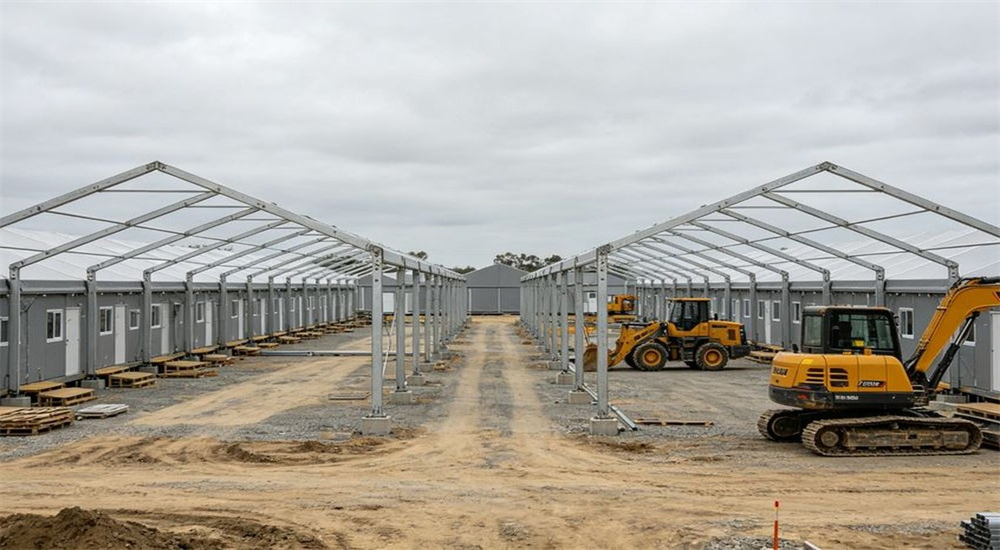
Mining camps operate for years at high altitude or desert locations. They need durable frame tents, thick mattresses for cold nights, dust-rated PPE and robust solar lighting. Deserts also demand tents with sand ladders and UV-stabilized fabric that survives strong sun.
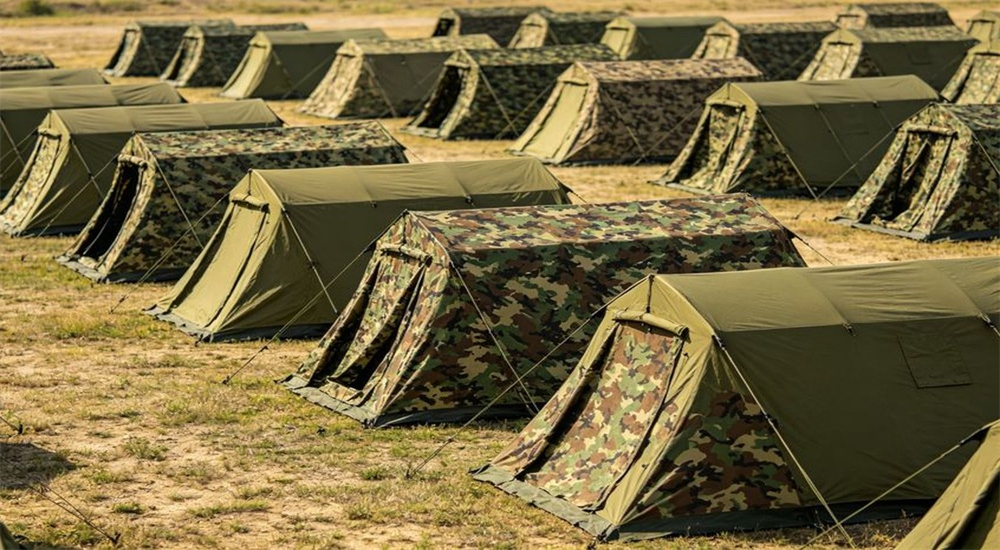
Oilfield camps near drilling sites add explosion-proof lighting and intrinsically safe headlamps, plus fire safety stations and higher-grade workwear. Power construction camps along transmission lines move every few months, so they prioritize quick-assembly tents, folding beds and compact packing. Humanitarian and disaster camps need inflatable tents, survival kits and first aid stations that deploy fast under pressure.
Tell us the site type and headcount and we configure the scenario list accordingly. Every scenario still draws from the same wholesale camp supplies catalog, which keeps pricing transparent and spare parts interchangeable across your projects.
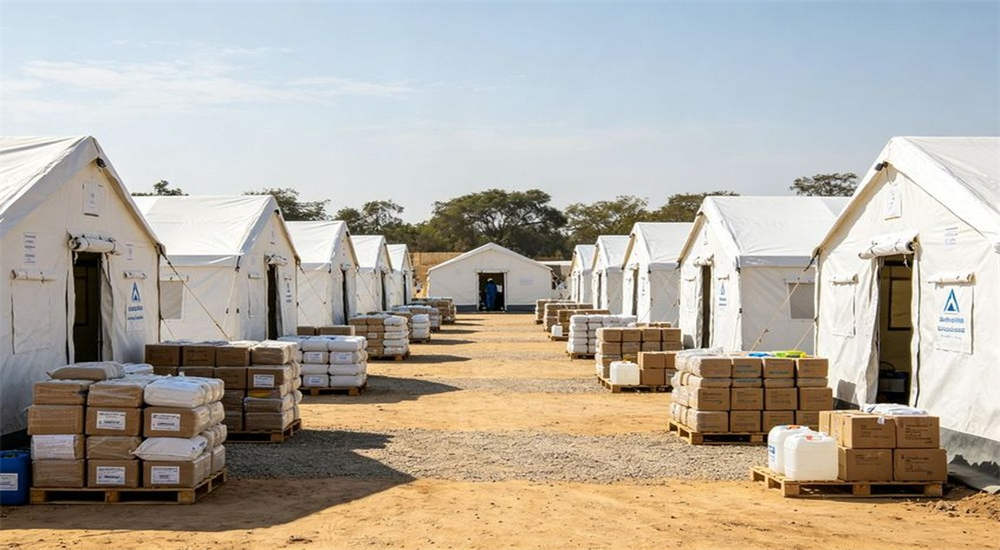
Before a bulk order moves to production, the factory team walks through a short confirmation list with the buyer. These points prevent mismatches between the order and the site reality, and confirming them early speeds up delivery because production starts on the correct specification.
For example, a camp at 4,000 m altitude needs heavier fabric and thicker mattresses than a coastal construction camp. A camp served only by helicopter needs inflatable tents and compressed packing to save weight. Writing these conditions into the order sheet at the start avoids rework and keeps the remote camp supplies budget accurate.
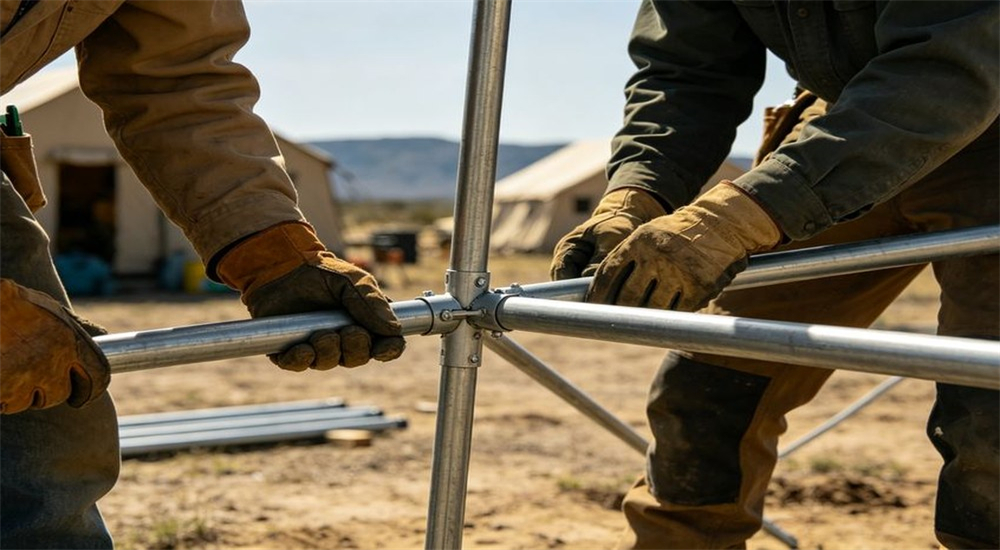
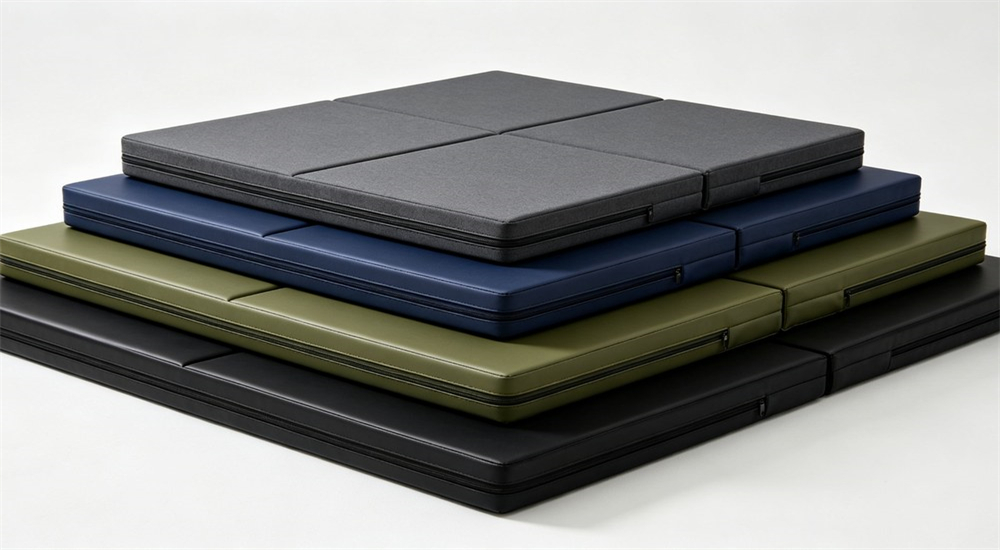
Bedding is the second-largest recurring cost in camp operations. The right camp bedding balances purchase price, transport weight and worker comfort; the options below each have a clear use case.
|
Mattress Type |
Typical Size |
Best For |
Key Feature |
|
Folding foam mattress |
190×90 cm, 5-8 cm |
Permanent dorms |
Low cost, long life, easy to fold |
|
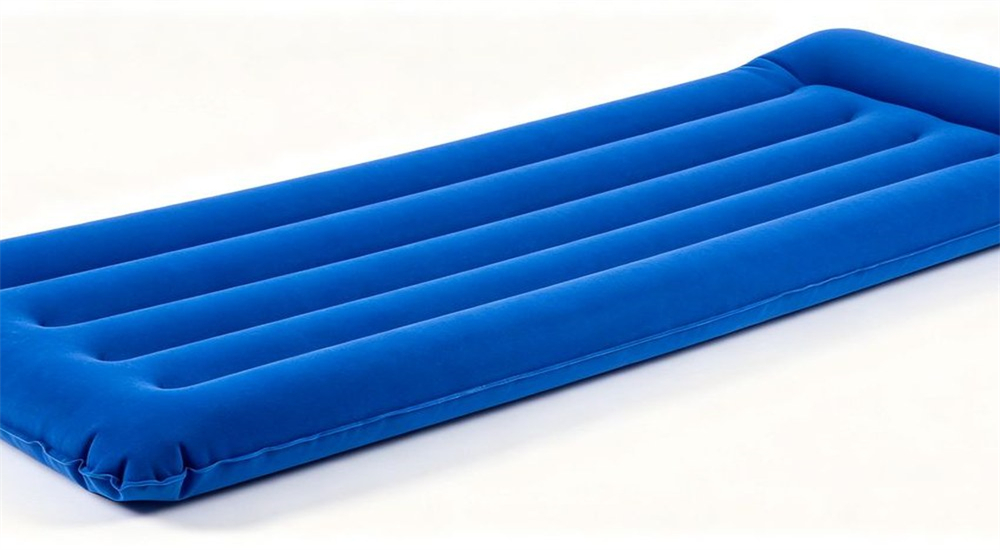
PVC inflatable mattress |
190×72 cm |
Rotating crews |
Compact when packed, flocked top |
|
Self-inflating mattress |
190×60 cm, 3.5 cm |
Field and expedition use |
Open-cell foam, rolls into bag |
|
Folding camp bed |
190×70 cm, 150 kg |
Quick camps |
Elevated sleeping, aluminum frame |
Folding foam mattresses are the workhorse of fixed camps because they keep their shape and price well. PVC inflatable mattresses suit rotating crews where storage space is tight. Self-inflating mattresses serve expedition teams that carry bedding in backpacks. Folding camp beds lift sleepers off cold or wet ground and are the fastest option to set up.
Complete bedding sets with sheets, duvets and pillowcases keep accommodation standard across the camp. For tropical sites, rectangular mosquito nets complete the setup. When ordering bulk camp supplies, specify the rotation cycle and storage space so we can recommend the bedding combination that minimizes total cost per worker-night.
Remote camp projects run on tight schedules, so production capacity and quality control matter as much as specification. Our lines cover tent sewing, mattress lamination and lighting assembly under one roof, which shortens lead time and keeps quality consistent.
Lead time for a standard 100-person camp package is confirmed in the order confirmation after sample approval, depending on customization. Every batch passes incoming material inspection, in-process sewing checks and final pre-shipment inspection. Key quality points include seam strength on tent covers, air-tightness on inflatable products and charging performance on solar lamps.
Material testing follows the relevant ASTM standard methods for fabric tensile strength, waterproof rating and lamp performance where applicable. Test reports are shared with the buyer before shipment.
For repeat orders, stable colors and dimensions are recorded so the second batch matches the first. Sample units are available before mass production to verify fabric weight, zipper quality and print colors, which keeps wholesale camp supplies predictable for site teams.
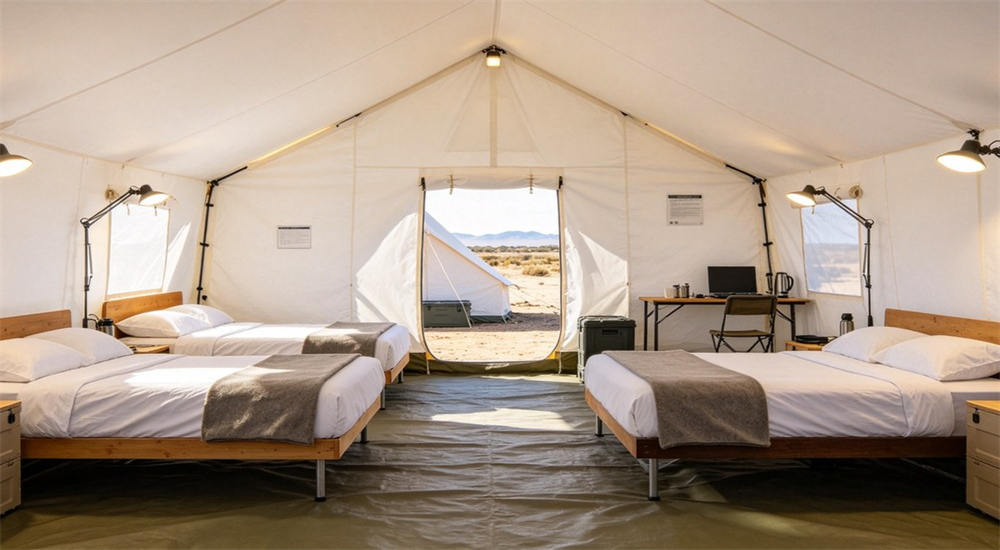
The most common starting point for a new camp is a 100-person configuration. The table below sizes the eight core categories for 100 workers living on site for an extended period; adjust quantities up or down to match headcount and shift pattern.
Camp Supply Category
Quantity for 100 People
Unit Type
Notes
Frame tents
20 units
4×6 m, 8-person
Dormitory use, 5 people per unit
Storage tents
3 units
5×8 m large door
Equipment and food storage
Mattresses
100 pcs
Folding foam 5 cm
With covers, replaceable
Bedding sets
100 sets
Sheet, duvet, pillow
Navy and white cotton polycotton
Solar lamps
100 pcs
10 W, USB output
One per person, 2-3 spares
Area lighting
8 units
LED lighting tower
Walkways and common areas
PPE sets
100 sets
Helmet, vest, gloves
Per worker, role colors
First aid kits
10 pcs
Camp size kit
One per 10 workers plus central station
The bulk camp supplies package extends linearly for larger sites: a 200-person camp doubles the dormitory tents and bedding while sharing kitchen, storage and medical tents across the camp. For bulk camp supplies above 100 people, we provide a full bill of materials with unit prices, packing volumes and container count so the buyer can plan freight from day one.
For humanitarian and refugee camp projects, the same package can be aligned with UNHCR camp planning guidance on shelter and living space ratios. Dining, recreation and sanitation tents are sized separately from dormitories because they serve the whole camp at peak hours. A complete 100-person package usually adds one mess tent, two sanitation units and one water storage system on top of the sleeping accommodation.
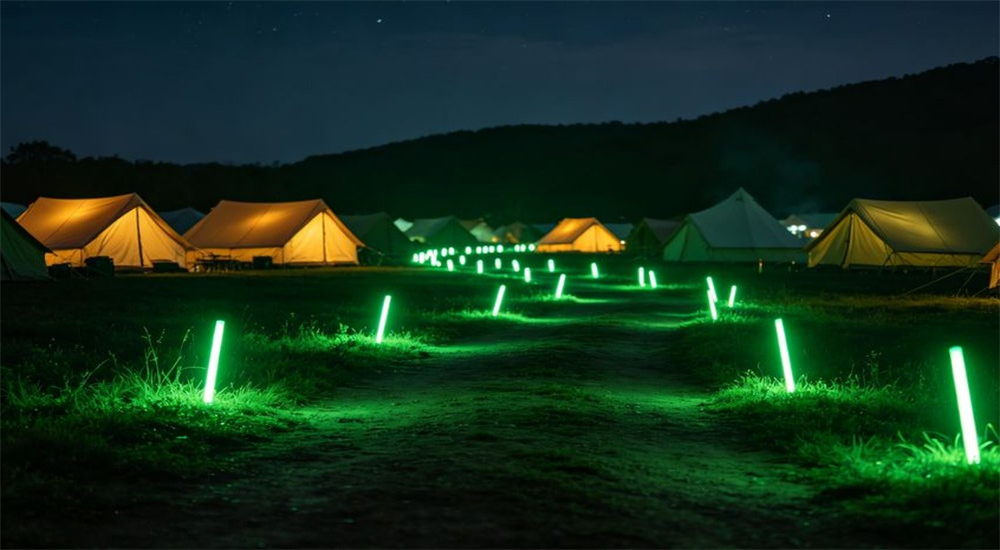
Freight planning decides whether a camp opens on schedule. Every item in the remote camp package is packed for container loading with carton dimensions, gross weight and loading quantity printed on the carton. This packing discipline lets the logistics team confirm the container count before production finishes.
Tent frames are bundled and wrapped; covers are folded with straps into compact bales; mattresses are compressed and vacuum packed where possible; bedding sets are bagged by unit. Solar lamps and PPE are boxed in protective cartons with the model and color code marked clearly.
Each carton carries shipping marks, product name, quantity, net and gross weight, and the buyer's PO number. Loading photos are taken at the factory so the buyer can verify the container is loaded exactly per the packing list. This level of packing control is standard for every remote camp supplies shipment we dispatch.
For mixed loads, the packing plan groups items by container zone so unloading follows the camp setup order. Tents and structures go in first and come out last, while bedding, lamps and PPE load last and come out first for immediate use. This loading sequence turns one container into a staged delivery: the site team starts accommodation setup the same day the container opens.
Damaged goods claims are also easier to manage with documented packing. Each carton's photo record shows the condition at factory exit, which protects both the buyer and the factory when the shipment passes through multiple ports and transshipment points.
Packing plans are shared with the buyer before production completes, so logistics can book the vessel and arrange inland transport while goods are still being sewn, and every follow-up container loads the same way.
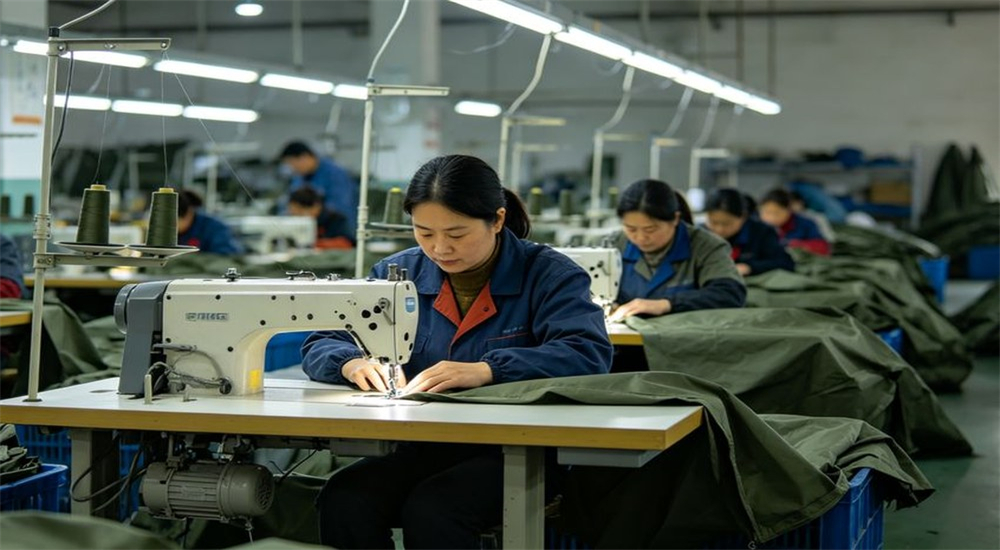
A remote camp works best when the layout separates living, working, storage and sanitation zones, and the site team understands basic tent and lighting upkeep. Layout drawings and setup guidance are included.
Maintenance is straightforward: inspect tent seams and zippers monthly, re-tension guy lines after storms, clean solar panels weekly and replace lamp batteries on schedule. With a small spare parts box included in the order, the camp team can handle routine upkeep without factory support.
For larger sites, a zone map with named tent blocks makes maintenance tracking easier: each block has an equipment list and a monthly inspection record, so worn parts are replaced before they fail during a busy shift.
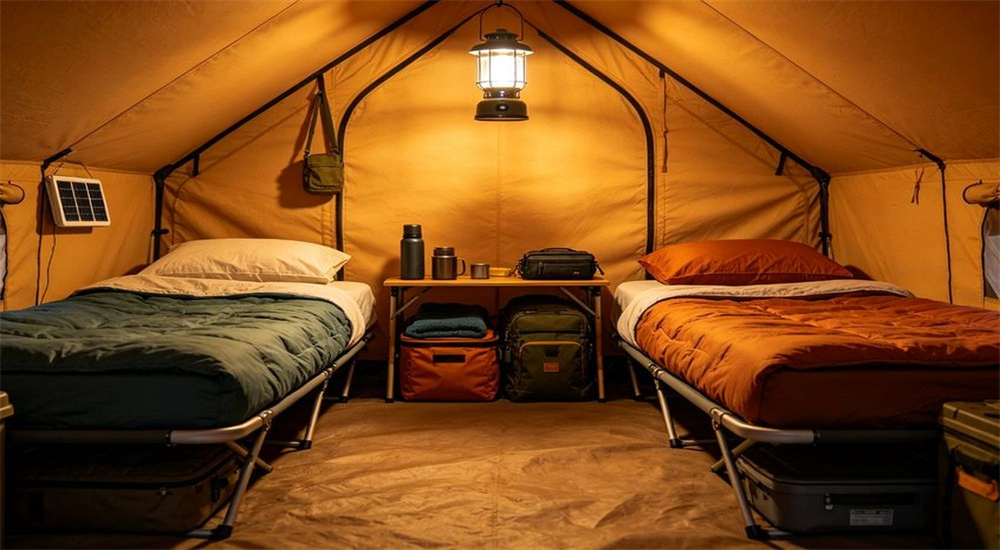
Material grade is the main driver of camp product lifespan, and it is the specification buyers should write into their order sheet. The table below lists the standard grades used across the remote camp supply range, with the trade-offs for each.
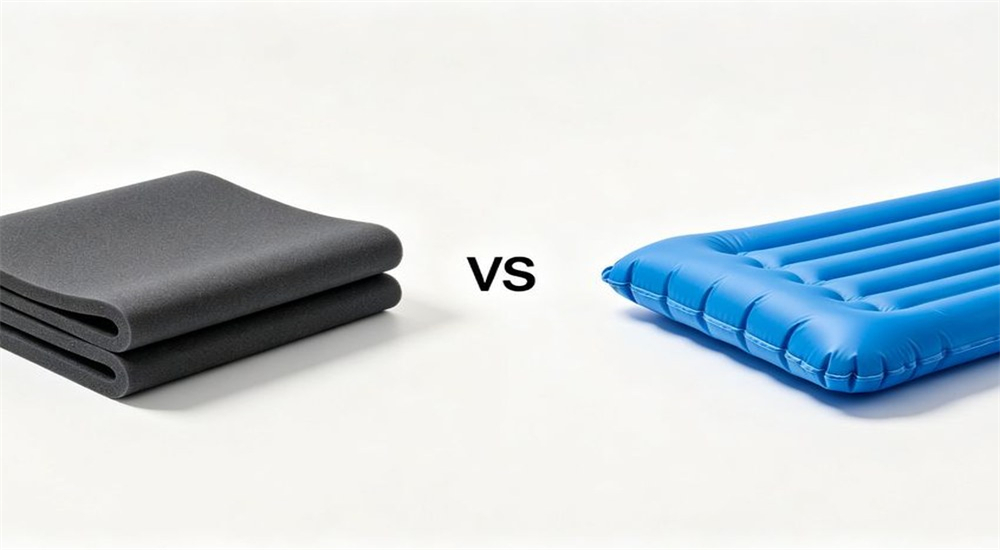
|
Camp Component |
Standard Grade |
Typical Use |
Lifespan |
|
Tent cover fabric |
PVC coated polyester 650-850 g/m² |
Dormitory and storage tents |
3-5 years |
|
Foam mattress |
High-density PU foam 5-8 cm |
Fixed camp dormitories |
3-4 years |
|
Air beam fabric |
TPU coated polyester, high tensile |
Inflatable tents |
2-4 years |
|
Solar lamp |
Monocrystalline panel, lithium cell |
Night lighting and phone charge |
2-3 years |
Material grade is checked at three points before a camp supplies shipment leaves the factory: incoming fabric and foam testing, in-process checks on the sewing and lamination lines, and final random sampling against the order sheet. The inspection report lists the measured density, tensile strength and waterproof rating for each lot, so the buyer can verify the grade without a third-party lab. Camps with harsh sun or salt air should specify UV-stabilized covers, because the grade difference shows up in the third year of service rather than in the first month.
Mattress thickness is the first comfort spec buyers compare: 3 cm suits rotation beds and short stays, 5 cm is the standard for long-term worker dormitories, and 8 cm serves crews that need maximum recovery between shifts. Foam density is listed alongside the thickness on the inspection sheet.
Fabric weight is measured per square meter and tested for tensile strength, UV resistance and waterproof rating. Foam is checked for density and rebound so it keeps shape under repeated use. Solar lamps are tested for panel output, battery capacity and USB output stability. These material tests are documented in the inspection report that accompanies every shipment.
The material grade also drives the warranty profile of each item: heavier tent fabric carries a longer service life, denser foam resists sagging under continuous use, and quality solar cells hold charging capacity across more cycles. When a buyer compares quotes, checking the stated material grade against the inspection report is the fastest way to tell a durable camp product from a single-season one.

Solar Camp Lighting and Worksite Lighting Solutions
Most remote camps have no grid power, which makes solar lighting the backbone of camp safety and night operations. The lighting package combines personal lamps, area lighting and charging capacity so the whole camp runs after dark without a generator.
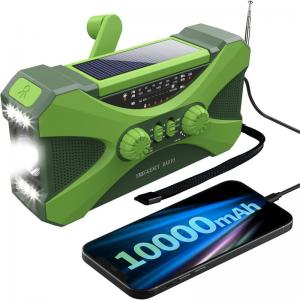
A 10 W solar emergency lamp typically runs six to eight hours on a full charge and doubles as a phone charger, which makes it the practical base unit for every bed in the camp. For night shifts and maintenance work, an adjustable LED headlamp with three brightness modes and a wide beam covers hands-free tasks, and the battery type is standardized with the lamp so spare cells fit both. Ordering lighting as a complete set—lamps, headlamps, work lights and batteries—keeps the camp lighting system interchangeable across tents and work zones.
Solar charging stations group panel, battery bank and multiple USB ports in one cabinet, so worker phones, headlamps and radios all charge from the same source. Pairing the station battery voltage with the lamp model cuts the spare parts list to one battery type per site, which is the standard we recommend for every camp lighting order.
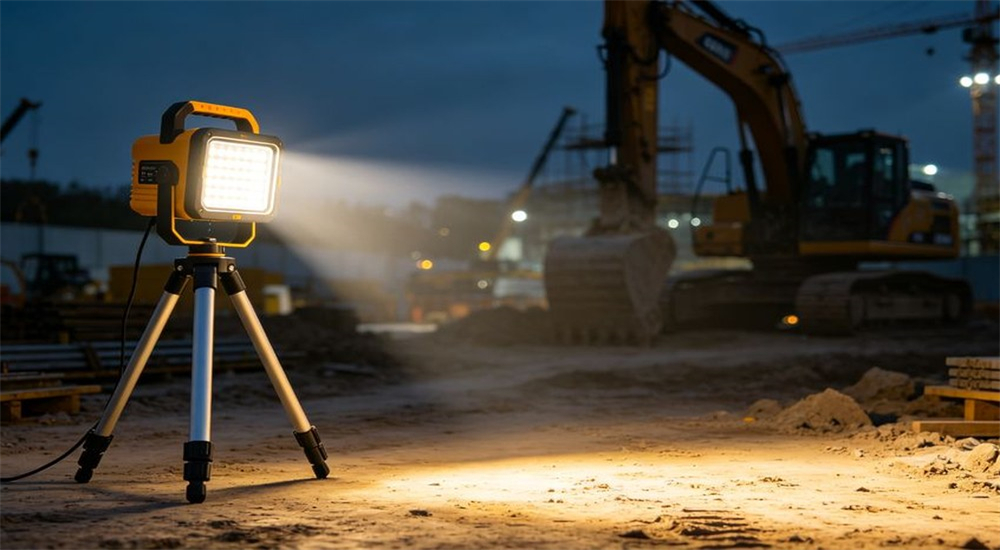
Area lighting towers are sized by the space they cover: a 5 m tower with four LED heads lights a 30 m circle around loading zones, walkways and the kitchen yard, while a 3 m pole covers the tent rows in the dormitory block. Work lights and towers use the same battery family as the personal lamps, so one spare battery type covers the whole site after dark.
Lighting safety on hazardous sites follows NFPA electrical safety guidance for classified areas, and intrinsically safe headlamps rated ATEX or IECEx are available for explosive atmospheres. A complete lighting plan for a 100-person camp usually includes one solar lamp per bed, two headlamps per ten workers, four area lights and one central charging station. That configuration covers living, working and circulation safely for a full night cycle.
Spare lamps and batteries are quoted with the initial order so the lighting system keeps working while replacements travel to the site. Most camps standardize on one lamp model and one battery type across all zones, which simplifies charging racks, spare parts and staff training.
Industrial safety supplies are a legal and operational requirement on every industrial camp, and the supply standard matters because it is inspected by site safety teams. The PPE range covers daily wear, task-specific protection and emergency response equipment in one order.
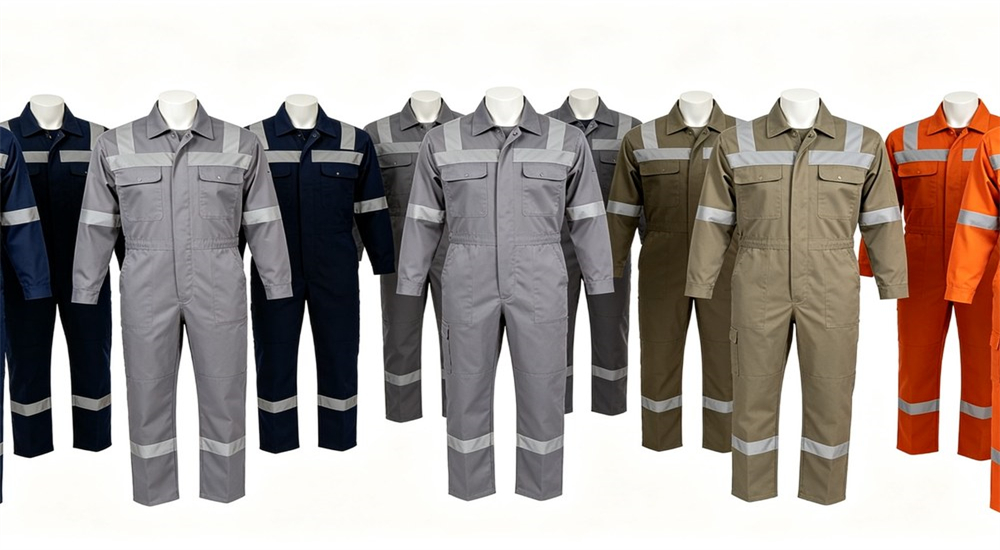
Work coveralls are cut from breathable poly-cotton twill so crews stay comfortable across hot days and cool nights, and the reflective tape option adds visibility for workers near vehicles and equipment. Department color coding is standard practice on large camps: one color for operators, one for mechanics and one for supervisors, so access control works at a glance. When the site contract requires flame-resistant workwear, the same cut is available in FR fabric with the same sizing system, which keeps the whole industrial safety supplies order consistent.
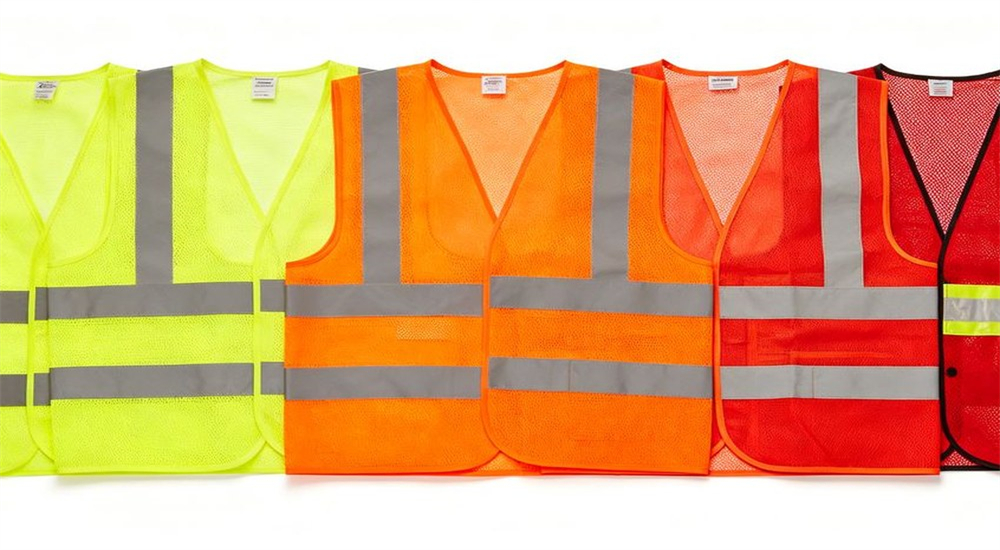
High-visibility vests add a second layer of identification for visitors and new crews, and the color range follows site convention so roles stay readable from a distance.
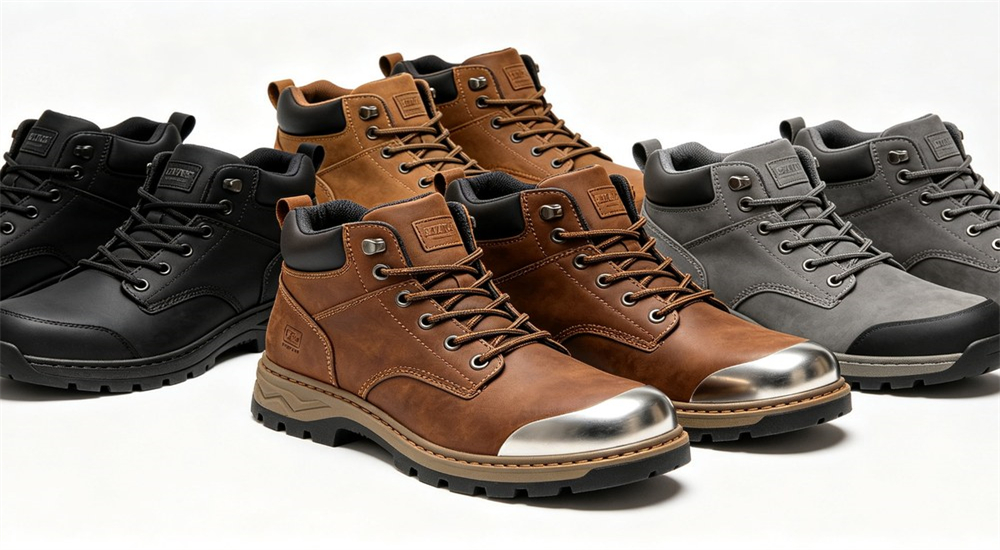
Work coveralls come in multiple colors so departments can be identified at a glance. Reflective vests, safety helmets, dust masks, anti-fog goggles, leather and nitrile gloves, and steel-toe safety boots complete the standard issue set. Role colors for helmets and vests help the site supervisor control access and accountability.
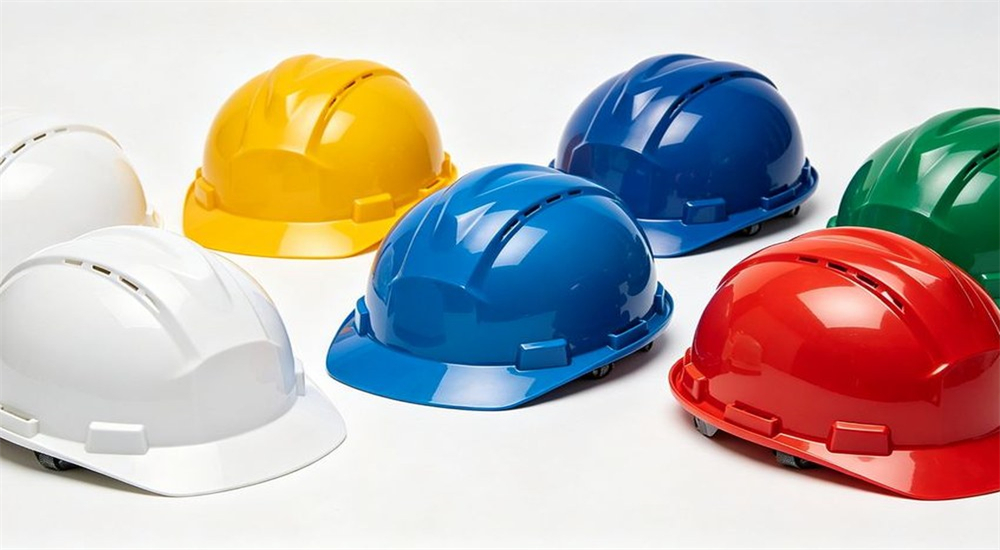
Helmet color coding follows common site convention: white for management, yellow for operators, blue for technicians and red for safety officers, so the supervisor can identify roles from a distance. Face shields and ear muffs clip onto the same helmet shell as optional add-ons, so one helmet model covers welding, grinding and general site work without a second PPE line.
Workplace protection planning follows OSHA personal protective equipment guidance when defining the site PPE matrix. For oilfield and hazardous sites, add intrinsically safe headlamps, fire-retardant workwear and respiratory protection rated for the specific exposure. PPE sets are pre-packed per worker with the packing list matched to the site crew roster, so distribution takes minutes instead of hours when a new crew arrives. All items in the industrial safety supplies line are selected for compliance with common international test standards.
PPE sizing is part of the order sheet: coveralls and boots follow the size distribution of the crew, while helmets and vests are adjustable one-size fits most. Confirming the size mix with the site HR team before production avoids both undersupply and the cost of shipping replacements later.
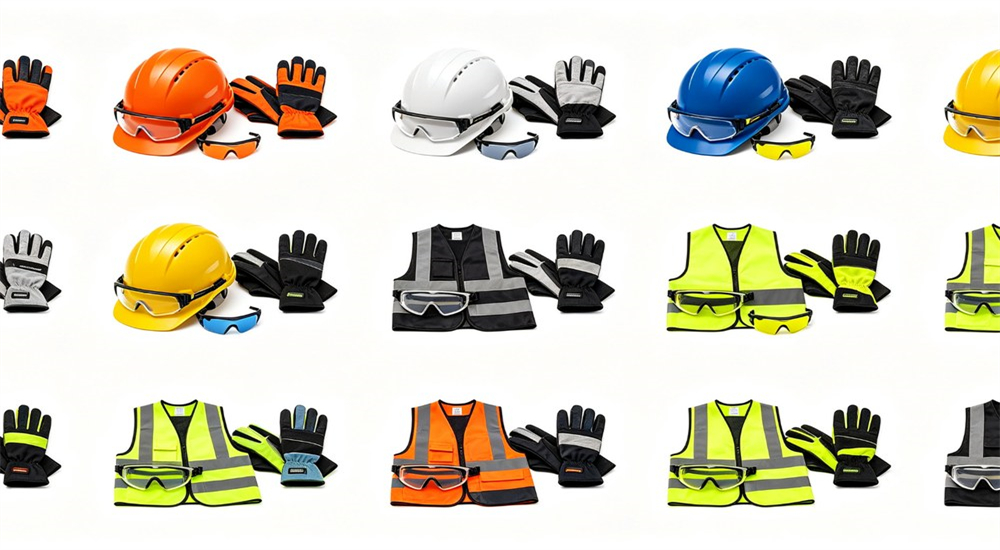
Every camp needs an emergency response layer that works without special training. The safety package includes emergency camp equipment, survival kits, rescue tools, fire safety equipment and evacuation marking so the site can react in the first critical minutes of any incident.
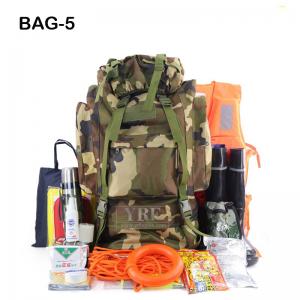
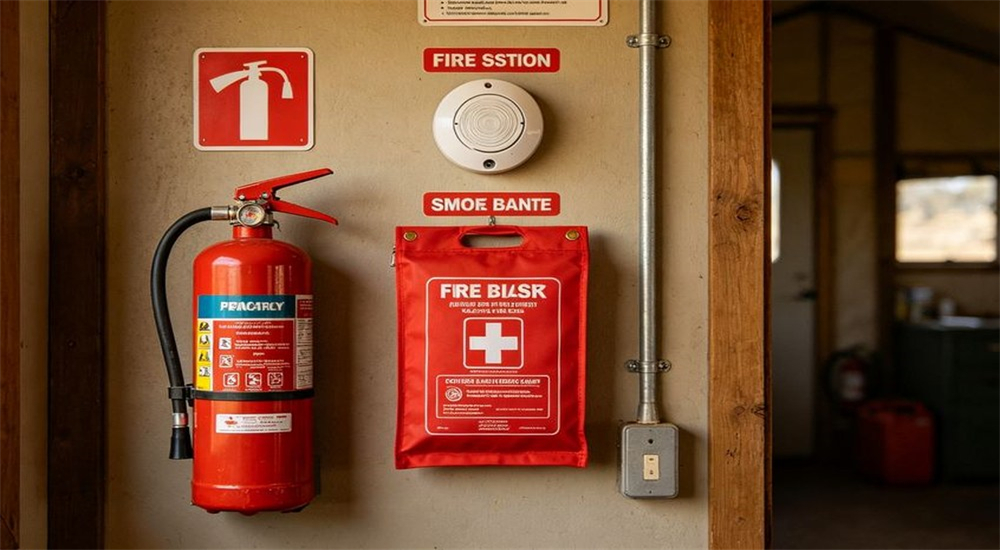
Every dormitory tent gets one survival kit within arm's reach of the beds, and the central station holds spares for the whole block. The kit contents follow a simple rule: waterproof blanket and poncho for weather protection, whistle and flashlight for signaling, and basic repair tape for shelter patches. Fire safety stations group blankets, smoke detectors and first aid supplies in one marked cabinet per living zone, so the emergency layer of the remote camp supplies package stays visible and accountable in the monthly safety check.
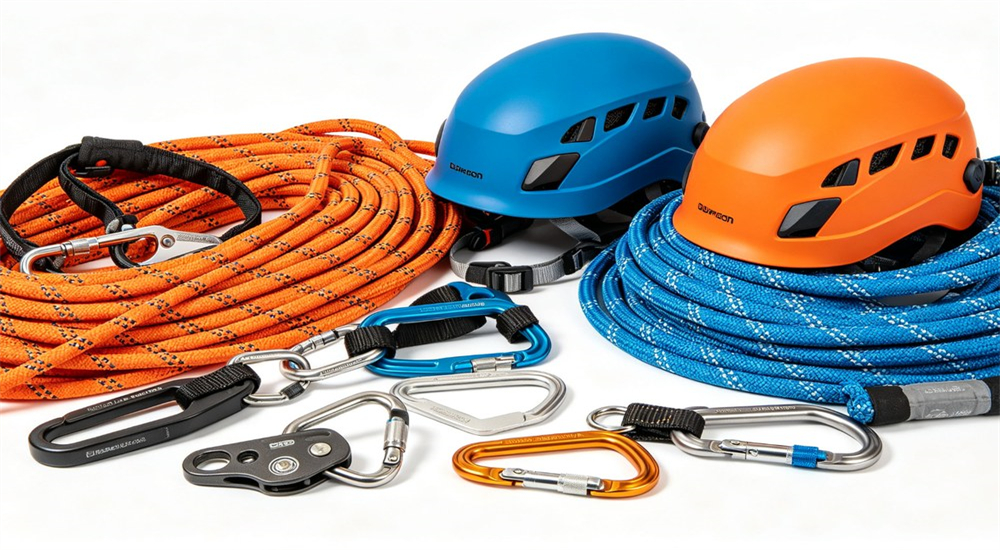
Fire safety stations centralize blankets, detectors and first aid for quick access, and each station is marked so the crew can find it in low light during an incident.
Emergency equipment is checked monthly under the same maintenance routine as tents and lighting. When the camp contract requires a documented safety inventory, the emergency layer of your remote camp supplies order comes with a packing list and expiration tracking sheet so nothing sits unused past its service life.
Response readiness depends on equipment placement as much as specification. The Ready.gov guidance recommends keeping emergency supplies visible and accessible in every occupied zone, and Red Cross first aid planning emphasizes checking medical stock before each rotation. These two reference points are built into the camp safety layout we propose with each package.
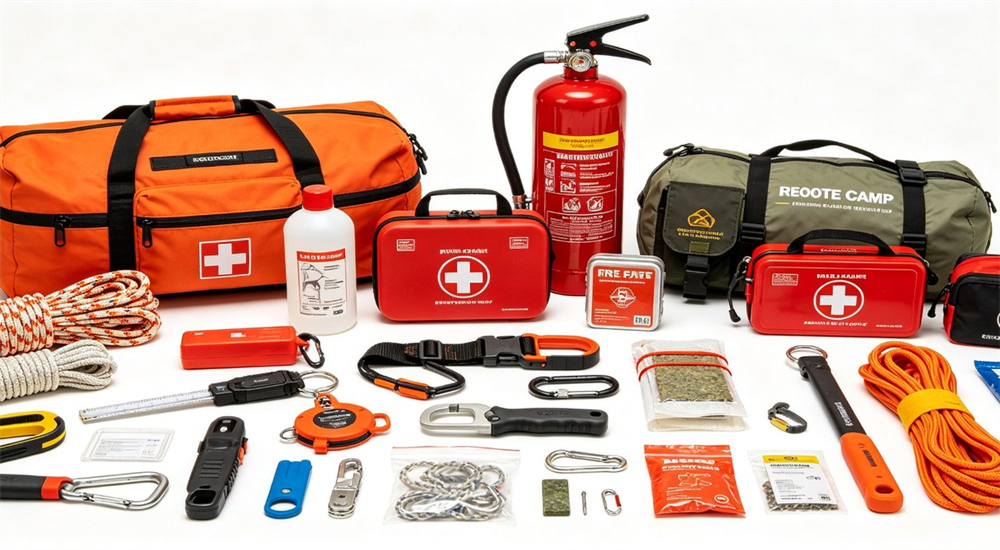
Beyond the eight core categories, several related product lines complete a turnkey camp project. These are ordered alongside the main package when the site is fully self-contained or when the contract includes camp operations support.
Adding these lines in the same order keeps one supplier accountable for the whole camp fit-out. For buyers running multiple sites, the same catalog supports repeat orders with consistent specifications across every camp.
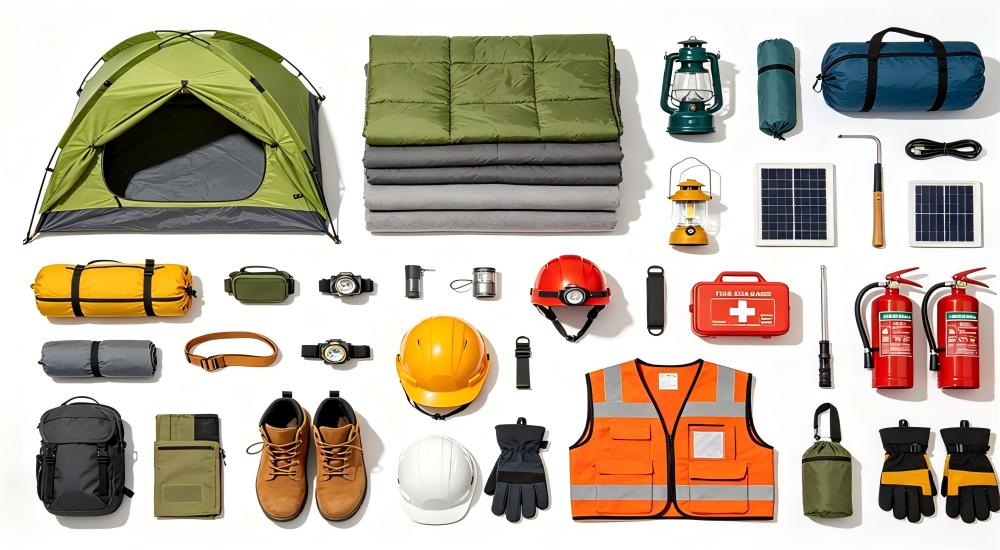
Commercial terms are agreed per order so the buyer can plan cash flow and the factory can plan production. For bulk camp supplies and project orders, the standard process below keeps both sides clear from quotation to shipment.
Quotation: a line-by-line quote lists unit price, carton size, weight and loading quantity for every item. Sample: pre-production samples are offered before mass production. Production: the confirmed order enters the production queue with a schedule shared with the buyer. Payment: terms such as T/T, L/C and other agreed methods are set in the sales contract per order. Trade terms: FOB, CIF, CFR, DDP and other Incoterms are selected by the buyer and written into the contract.
MOQ depends on the product line: standard bedding and lighting items can ship from stock in smaller quantities, while tent frames and made-to-order items require production runs. All commercial details are confirmed in writing before production starts, and the order confirmation sheet lists every agreed term for reference.
Currency and pricing structure are also set at this stage. Quotes are provided in the agreed currency with unit prices, carton quantities and total values itemized, so the buyer can compare and budget without hidden charges. Freight estimates are separated from product value when requested, which simplifies customs valuation at destination.
For framework agreements covering multiple camps, we set a master price list that holds for the contract period, with quantity-based price breaks for repeat orders. This gives procurement teams a stable cost baseline for budgeting while keeping the flexibility to adjust item mix camp by camp.
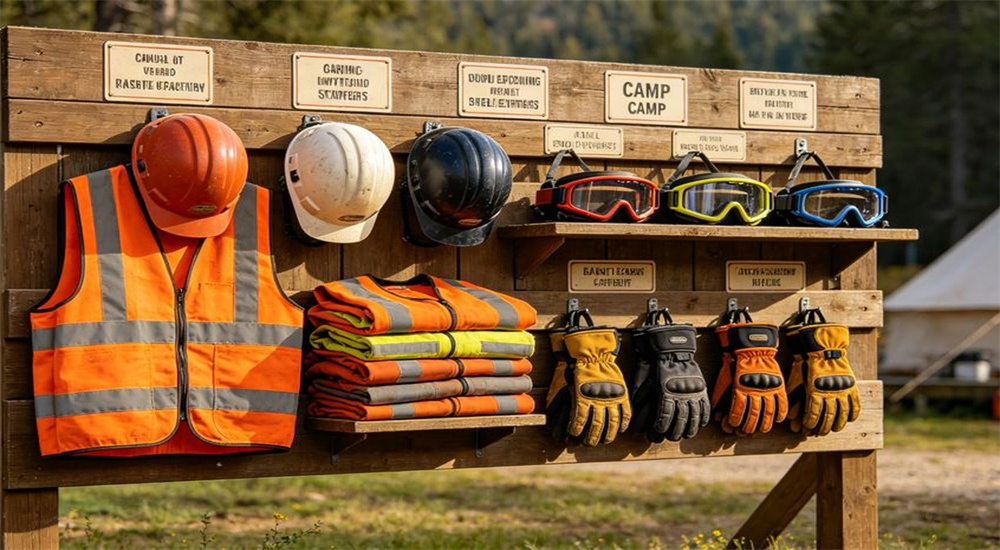
Remote camps operate far from the factory, so after-sales support is built into the package rather than treated as an extra. The support program covers warranty response, spare parts supply and technical guidance for the camp team.
Manufacturing defects are covered under the warranty terms stated in the contract, and claims are handled with photos and short reports so the site team is not left waiting for physical inspection. Spare parts boxes are offered with each order so common replacements, including zippers, straps, lamp batteries and mattress covers, are available on site.
Technical support includes setup instructions, layout drawings, maintenance checklists and video guidance for tent erection and lighting installation. For recurring buyers, we keep the specification archive per camp so the next order matches the installed equipment exactly. This support structure is the reason procurement teams return to the same wholesale camp supplies source for every new site.
Common questions from procurement teams ordering remote camp supplies are answered below. For site-specific details, send headcount, climate and logistics plan with the inquiry.
MOQ depends on the product line. Standard bedding, lamps and PPE ship from stock in smaller quantities; tent frames and made-to-order items need production runs. Send headcount and site plan and we confirm MOQ per line before production.
Yes. The standard 100-person package covers frame tents, storage tents, mattresses, bedding sets, solar lamps, area lighting, PPE and first aid kits, scaled to headcount, with full bill of materials, packing volumes and container count for freight planning.
Dormitory and storage tents use PVC coated polyester from 650 to 850 g/m² with UV stabilization and waterproof coating. Fabric weight is matched to wind zone and service life, and seam strength is tested before shipment.
Yes. Camp tents are specified by climate: heavier fabric and wind braces for deserts, plus insulation and thicker bedding for cold regions. Tell us the site temperature range and we match tent and bedding grade to it.
Fixed dorms suit folding foam mattresses; rotating crews suit PVC inflatable mattresses that pack small; expedition teams use self-inflating mattresses; quick camps use folding beds. The choice balances transport cost, storage space and comfort.
Yes. The package includes solar emergency lamps with USB output, LED headlamps, rechargeable work lights and solar charging stations. For hazardous sites, intrinsically safe headlamps rated ATEX or IECEx are available.
The range includes coveralls, reflective vests, helmets, dust masks, anti-fog goggles, leather and nitrile gloves, and steel-toe boots. Role colors code helmets and vests, and PPE sets can be pre-packed per worker.
Products are manufactured to common international test standards for the category, and material test reports accompany each shipment. Certifications required by your contract can be confirmed during the order stage.
Every item is packed with carton dimensions, gross weight and loading quantity printed on the carton. Frames are bundled, covers folded into bales, mattresses compressed where possible, and lighting and PPE boxed with clear codes. Loading photos are taken at the factory.
Yes. Tents, bedding, coveralls, helmets and lamps accept color selection, and printed logos can be added on most items. Custom configurations are confirmed with a pre-production sample before mass production.
Lead time for a standard 100-person package is confirmed in the order confirmation after sample approval, depending on customization. Production schedules are shared with the buyer before the order enters the queue, and repeat orders with stable specs ship faster.
What is the payment and trade term?
Payment and trade terms are agreed per order and written into the sales contract. Common methods include T/T and L/C; trade terms such as FOB, CIF, CFR and DDP are selected by the buyer. All details are confirmed in writing before production.
Manufacturing defects are covered under warranty terms in the contract, with claims handled by photos and short reports. Spare parts boxes are offered with each order so common replacements are available on site.
We provide layout drawings and setup guidance covering sleeping, working, logistics, sanitation and safety zones. Maintenance checklists and video guidance for tent erection and lighting are included.
Frame tents use steel frames and suit long-term camps with high wind resistance. Inflatable tents use air beams and deploy in under 30 minutes, best for emergency response and rapidly changing sites. Most large camps use both.
Yes. Relief kits combine inflatable tents, survival kits, first aid kits, water storage and solar lighting for rapid deployment. Standard humanitarian sizes are available and the kit list can align with your agency specification.
YRF Textile Co., Ltd. — Remote Camp Supplies & Emergency Equipment
Email: info@yrftextile.com
Based in China · Serving global mining, oilfield, construction and relief projects
روابط ودية :
حقوق النشر © Custom Disaster - Relief Bedding: Tents, Sleeping Bags, Blankets كل الحقوق محفوظة
الفريق المحترف للخدمة !