For complete emergency response capability, you may also need these related product categories:
Explore our related product categories:
For search and rescue teams, fire departments, civil defense units, government emergency reserves and humanitarian organizations. Our earthquake rescue equipment covers life detection, structural breaching, rope rescue, casualty movement, lighting, personal protection and communication. All products are selected for reliability in field conditions, with certification to relevant EN, CE and UIAA standards where applicable.
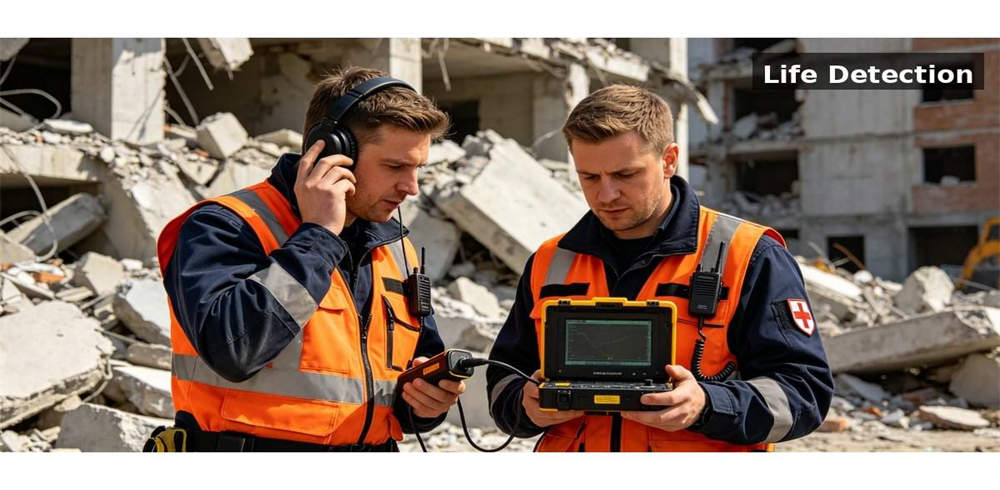
Earthquake rescue requires specialized equipment for locating survivors under rubble, creating access through collapsed structures, moving injured personnel and protecting team members. Our product range is organized by rescue function, allowing teams to configure complete kits based on team size, operational scope and typical building types in their region. We supply individual equipment items as well as pre-configured team kits. As a leading China supplier of search and rescue gear, we offer wholesale pricing for bulk orders, OEM private label customization and bulk government procurement support for earthquake rescue gear worldwide.
Choosing the right life detector for earthquake rescue depends on detection depth, battery life and environmental conditions.
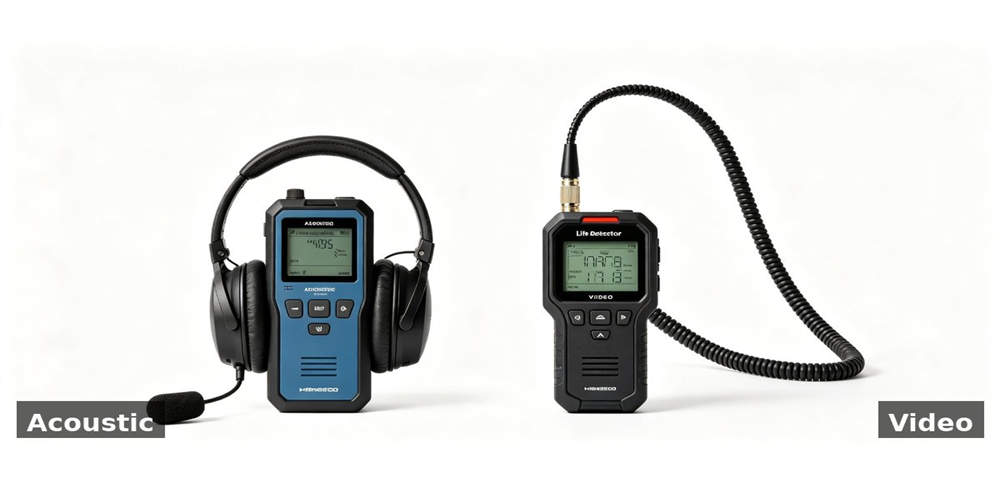
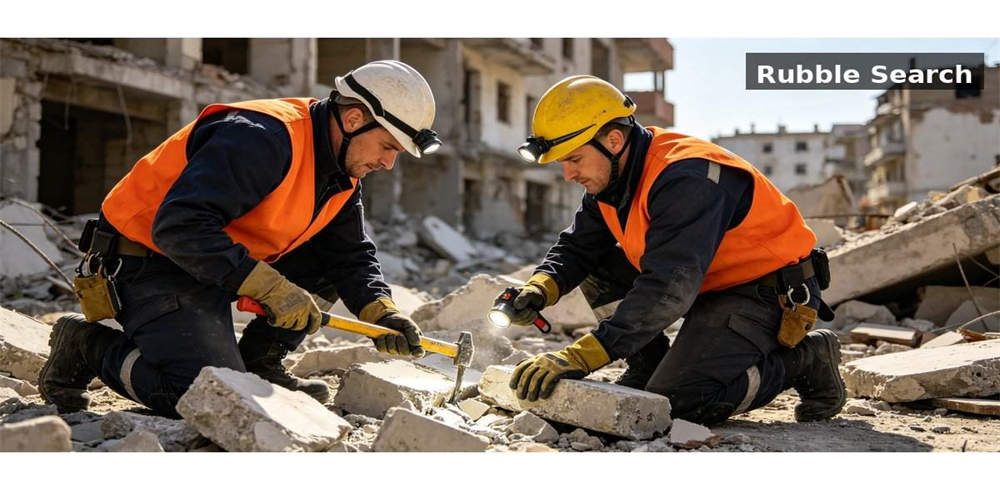
Locating survivors quickly is the first priority in earthquake rescue. We offer three types of life detection equipment, each suited to different operational conditions.
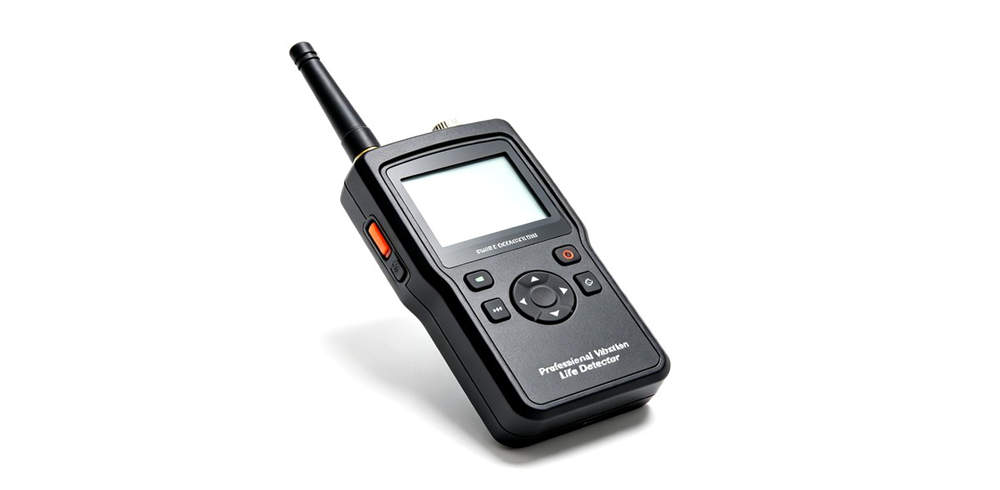
Acoustic detectors use high-sensitivity microphones and probes to listen for tapping, scratching or breathing sounds from beneath rubble. The system includes a main unit with headphone output, one or more probe sensors, and a carrying case. Detection depth ranges from 5 to 10 meters depending on debris composition. Battery life is approximately 8 hours of continuous use. Suitable for urban search and rescue where survivors may be trapped in void spaces.
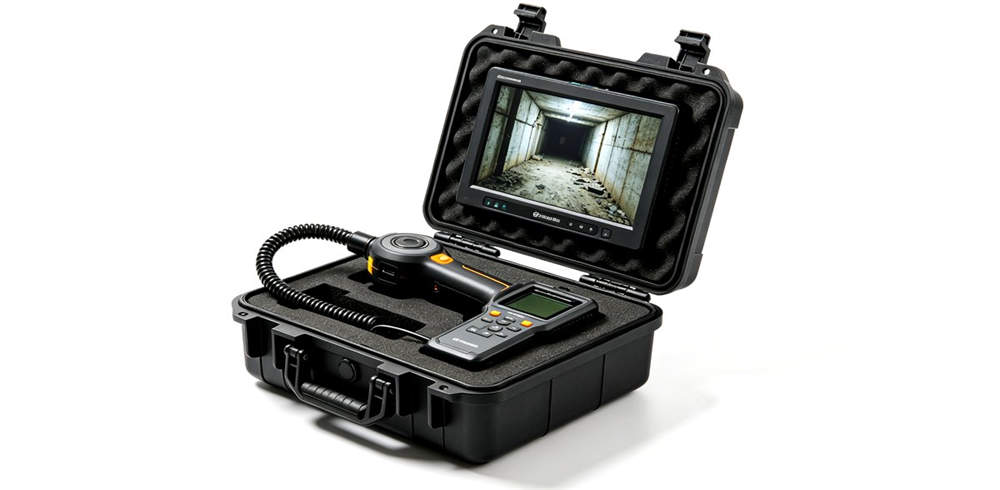
Video detectors use a flexible gooseneck camera with LED lighting to visually inspect voids and gaps in collapsed structures. The system includes a 3.5-inch color display, a 1.5 to 3 meter flexible probe, and adjustable LED brightness. Camera head is waterproof to IP67 standard. Allows operators to see survivors, assess conditions and guide breaching operations. Suitable for situations where access points exist but direct visual contact is blocked.
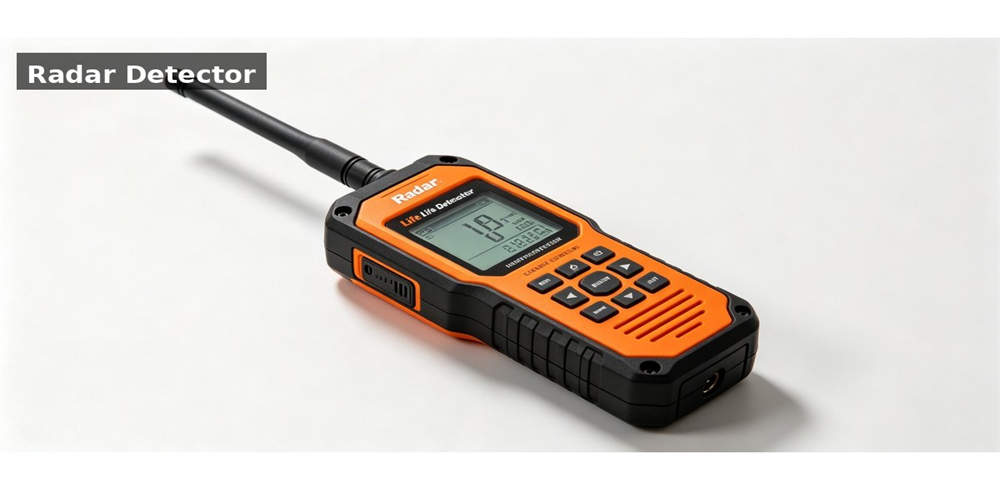
Radar detectors use ultra-wideband radar technology to detect human vital signs (breathing and movement) through walls, floors and debris. Detection depth ranges from 10 to 20 meters. The system can distinguish between human and animal movement and provides a visual indicator of vital sign strength. Suitable for large-scale search operations where acoustic or video access is not possible. Battery life is approximately 4 hours of continuous operation.
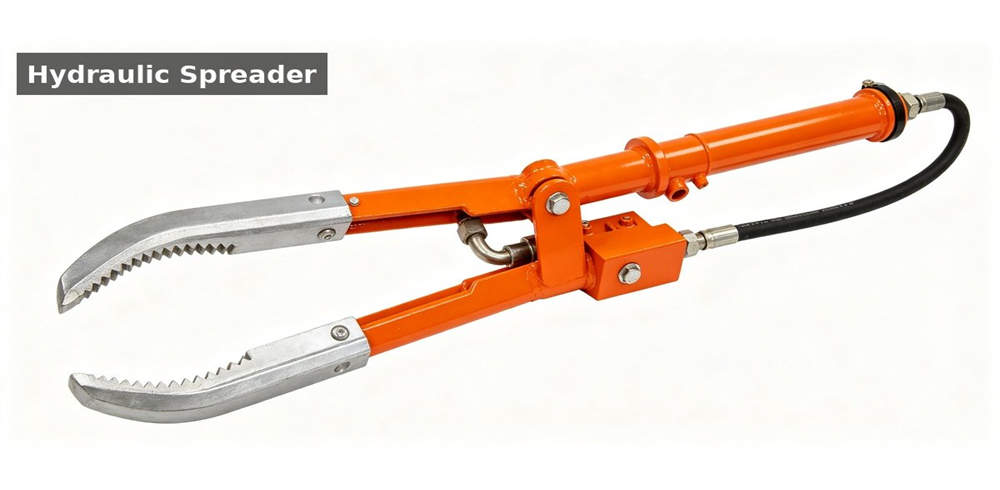
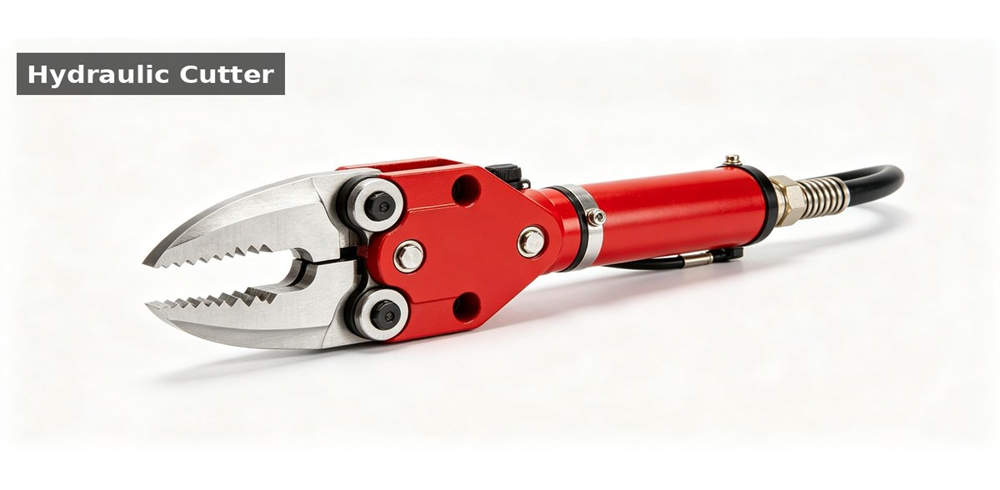
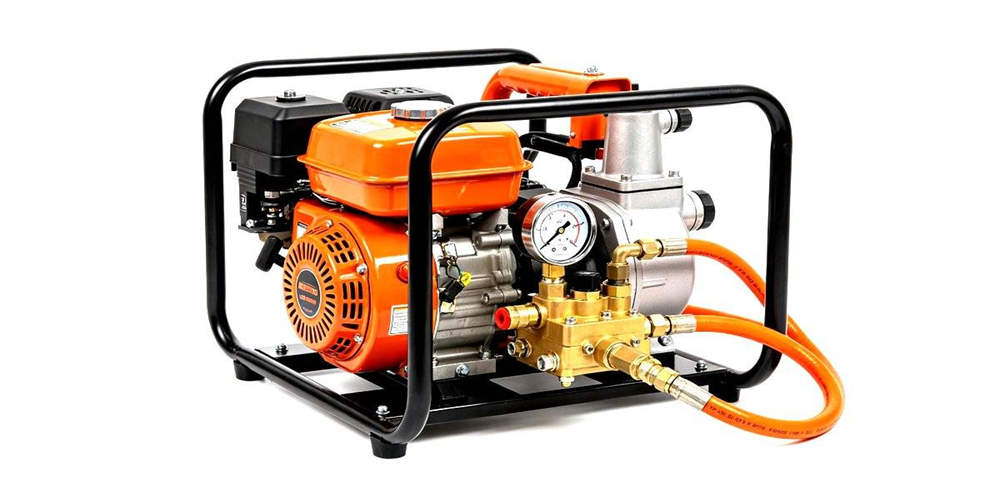
Key Technical Parameters: Hydraulic combi tool cutting force: 280-360 kN for round steel and 300-400 kN for flat steel. Spreader maximum opening: 300-380mm with spreading force 120-180 kN. Cutter cutting capacity: up to 28mm diameter round steel bar. Hydraulic power pump working pressure: 63-72 MPa with oil flow 1.0-1.5 L/min. All parameters are typical values and subject to final product specification.
Creating access through collapsed concrete, steel and wood requires a range of breaching tools. We offer four categories of breaching equipment.
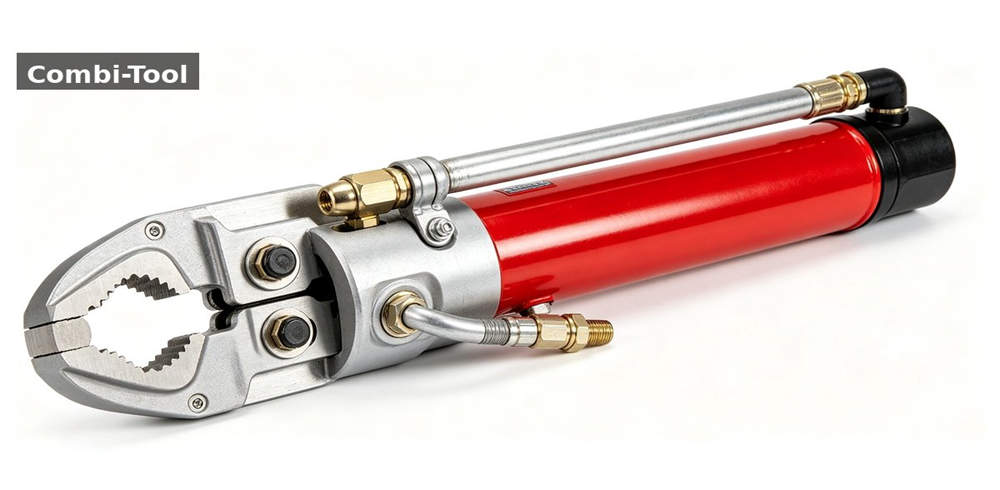
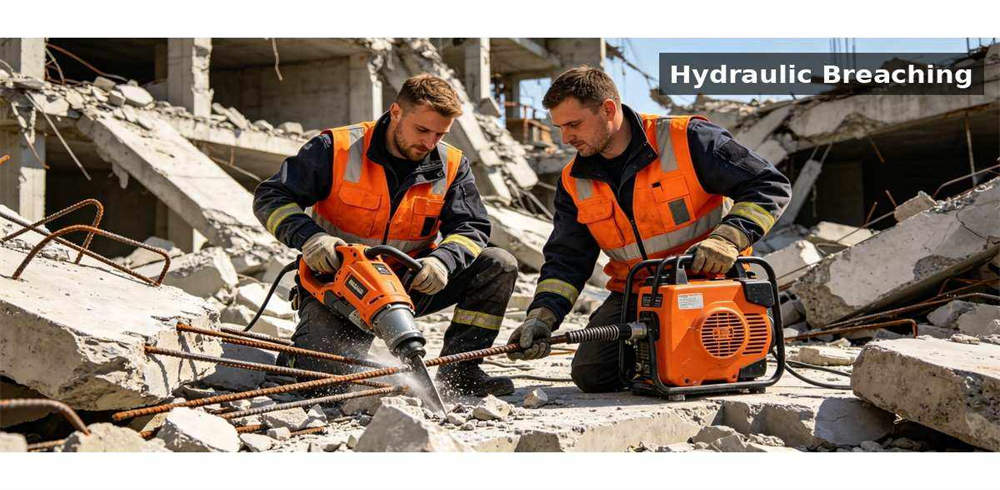
Hydraulic tools are the primary equipment for heavy structural breaching. A standard set includes a gasoline-powered hydraulic power pump (operating pressure 63-72 MPa), a combi-tool (cutter and hydraulic spreader combined), a hydraulic spreader, a hydraulic cutter and extension rams. The combi-tool can cut round steel up to 30mm diameter and spread gaps up to 350mm. Extension rams provide lifting force up to 10 tons. Hose lengths range from 5 to 10 meters. All tools are designed for rapid deployment in field conditions.
Battery-powered tools provide flexibility where hydraulic equipment cannot reach. The range includes cordless rotary cutters (18V or 36V), rotary hammers, and demolition breakers. Battery life ranges from 30 to 60 minutes per charge, with spare batteries included. Suitable for secondary breaching, finishing operations and work in confined space rescues where hydraulic hoses cannot reach.
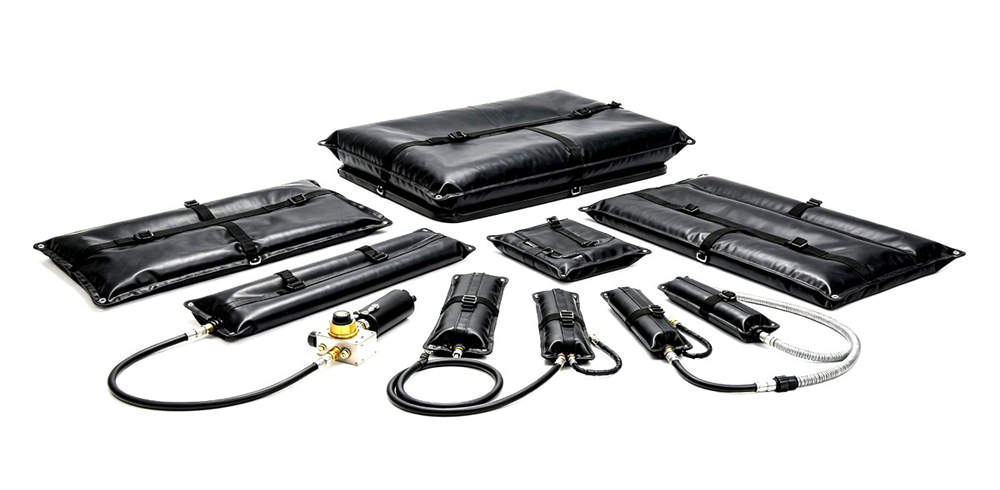
Pneumatic lifting bags (air lifting bags) and pneumatic jacks provide controlled lifting of heavy concrete slabs and structural elements. Lifting capacities range from 5 to 60 tons, with inflation times as short as 30 seconds. Operating pressure is typically 0.8 MPa, using compressed air cylinders or foot pumps. Low-profile bags can fit into gaps as narrow as 25mm. Essential for stabilizing structures and creating access voids during rescue operations.
Manual tools are essential for initial access, fine work and situations where power tools cannot be used. The range includes pry bars (600-1200mm), sledgehammers (3-8kg), door breakers, chisels, bolt cutters (up to 450mm length) and wrecking bars. All tools are made from high-grade steel with non-slip grips. Manual tools require no power source and are always ready for immediate use.
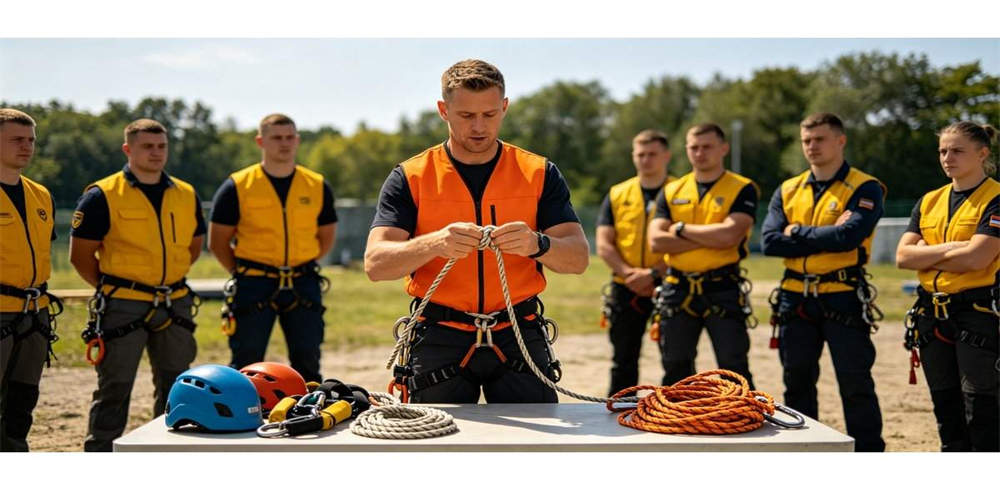
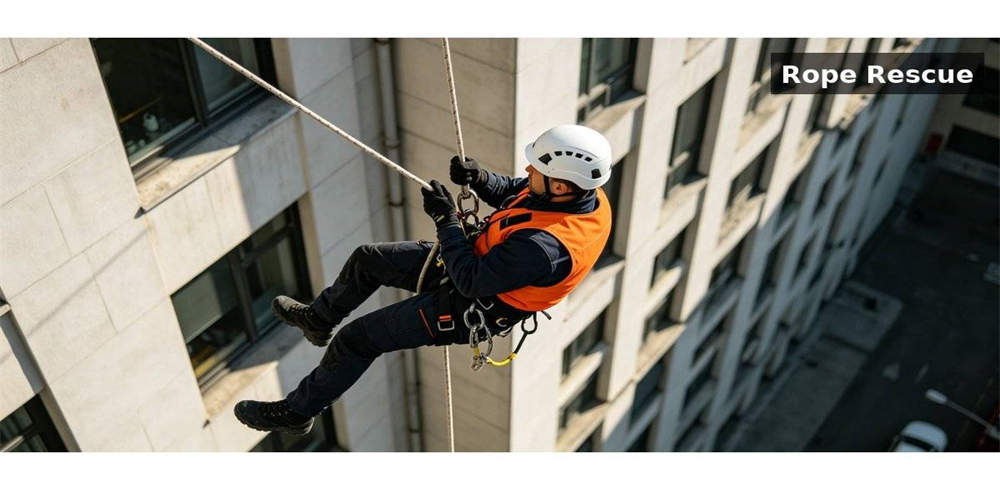
Our rope rescue equipment set includes dynamic ropes, harnesses, ascenders and descenders for high-angle technical rescue operations.
Rope rescue systems are used for high-angle rescue, confined space rescue access and casualty movement in difficult terrain.
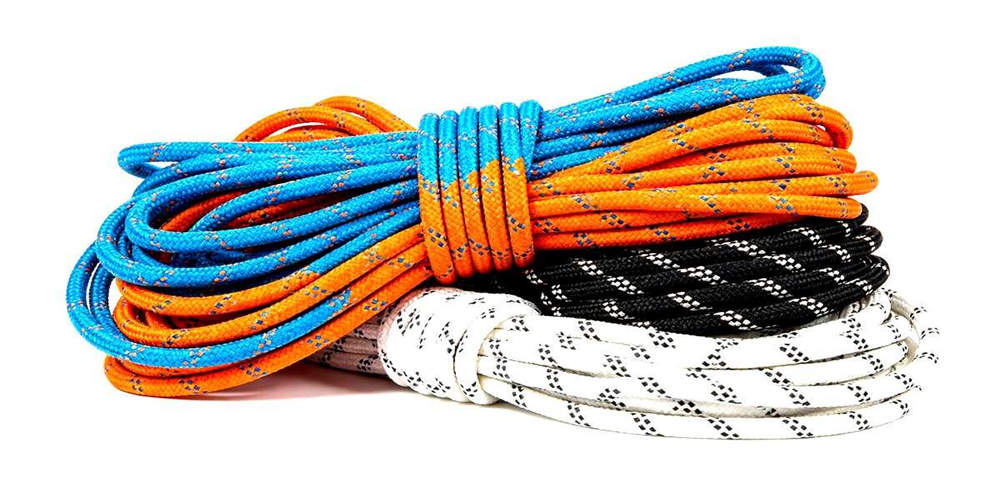
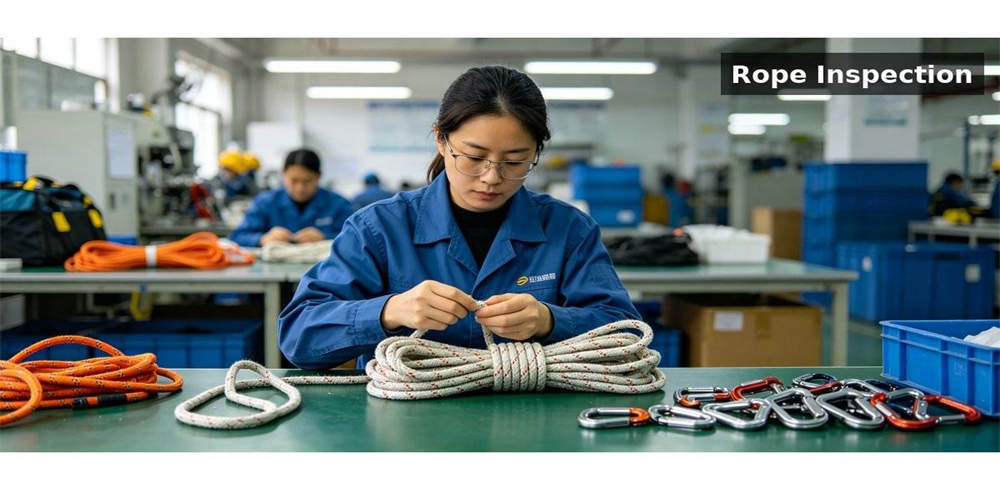
Static rescue ropes (low-stretch static ropes) are used for rescue operations, with diameters from 10 to 11mm and minimum breaking strength from 22 to 30 kN. Standard lengths are 50 and 100 meters. Dynamic ropes (9.5-10.5mm, UIAA certified) are used for climbing and fall protection. All ropes are treated for water resistance and UV stability. Ropes should be inspected before each use and retired after a major fall or visible damage.
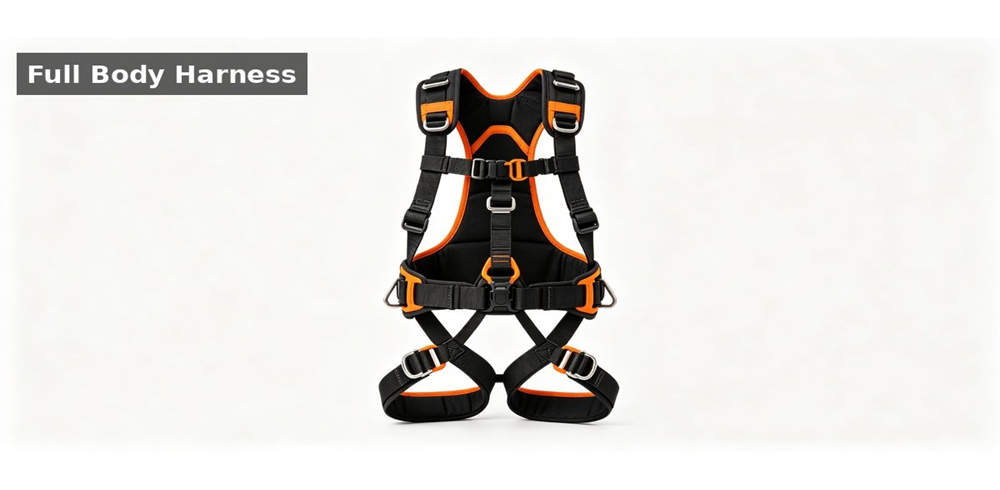
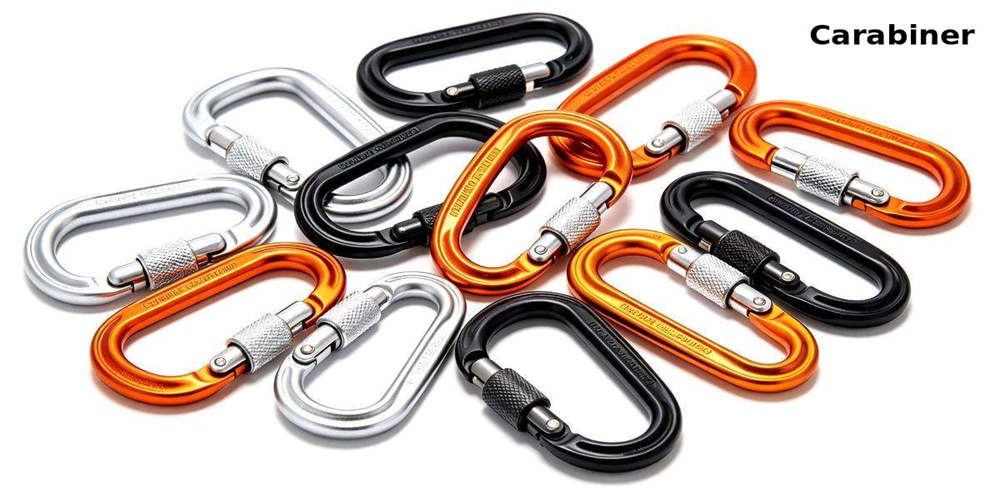
Full body harnesses (full-body safety harnesses, EN 361 certified) provide front and rear attachment points for rescue and fall protection. Sit harnesses are used for rope access work. Connectors include carabiners (auto-locking, 25kN gate strength), quick links and anchor slings. All connectors are made from hot-forged aluminum or steel with corrosion-resistant finish.
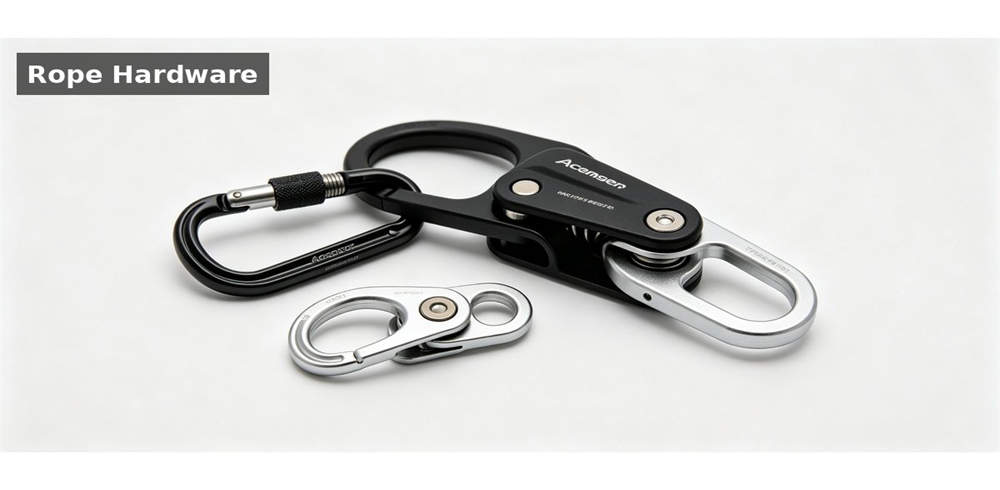
Hand ascenders and chest ascenders (EN 567) allow efficient climbing on fixed ropes. Descenders include figure-8 devices and self-braking devices (EN 15151) for controlled descent and lowering. Pulleys (single and double) provide mechanical advantage for hauling systems. All devices are compatible with 10-13mm ropes.
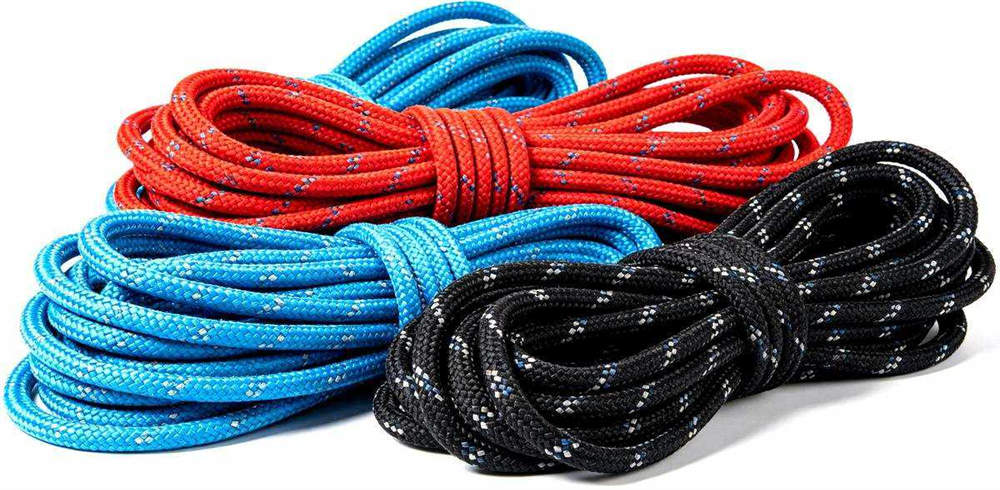
Anchor equipment includes expansion bolts, rock pegs, tripod systems and rescue slings. Tripods provide overhead anchor points for confined space rescue entry and rescue. Anchor slings (120-240cm) are used for creating redundant anchor systems. All anchor equipment is rated for rescue loads and tested to relevant standards.
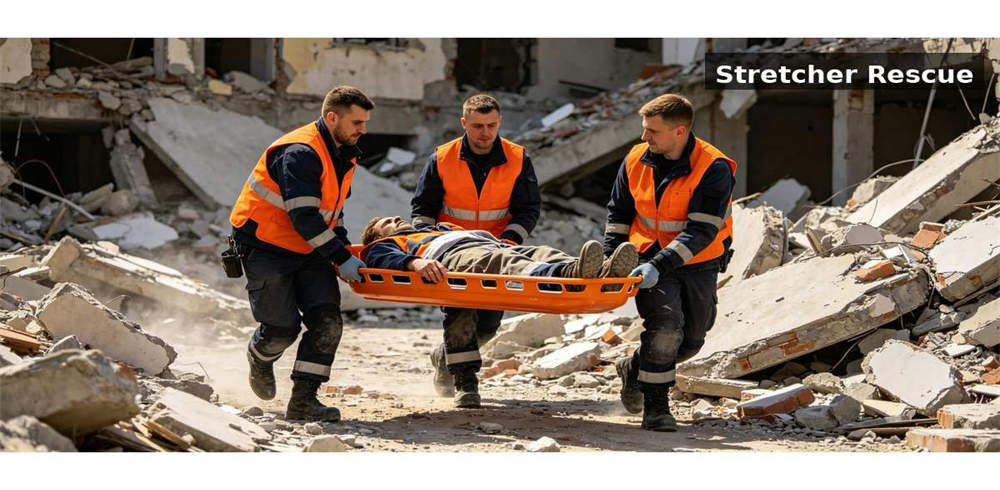
Moving injured survivors from collapse sites requires specialized stretchers for different environments.
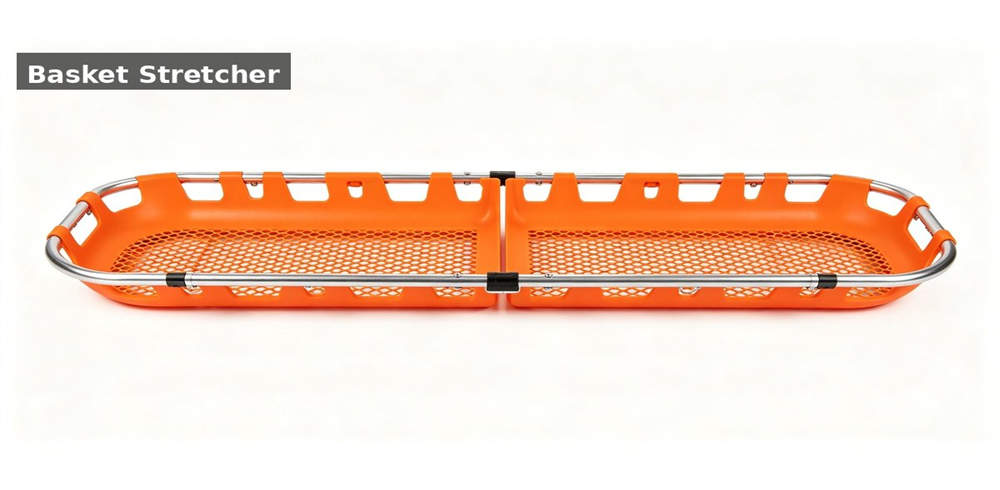
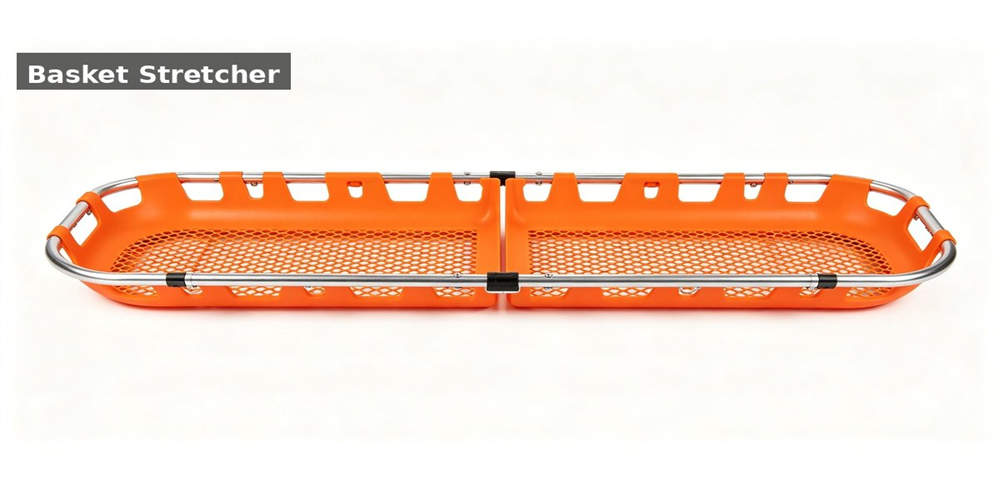
Basket stretchers (also called Stokes stretchers) are designed for helicopter rescue, steep terrain and technical rope rescue. Constructed from aluminum or titanium alloy, they provide full-body enclosure and can be split into two halves for transport. Load capacity is typically 150kg. Compatible with most lifting systems and helicopter hoists. Essential for technical rescue operations where casualty protection is critical.
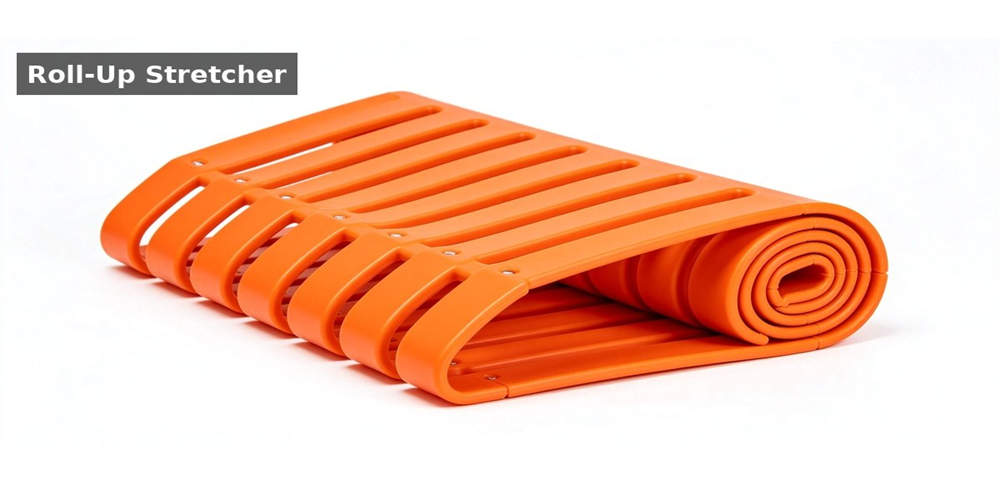
Roll-up (or Reeves) stretchers are flexible, lightweight stretchers that can be rolled or folded for compact carrying. Made from carbon fiber or aluminum slats with nylon fabric, they conform to the casualty's body and can be used in narrow spaces. Suitable for building collapse rescue where access is restricted. Load capacity is approximately 120kg.
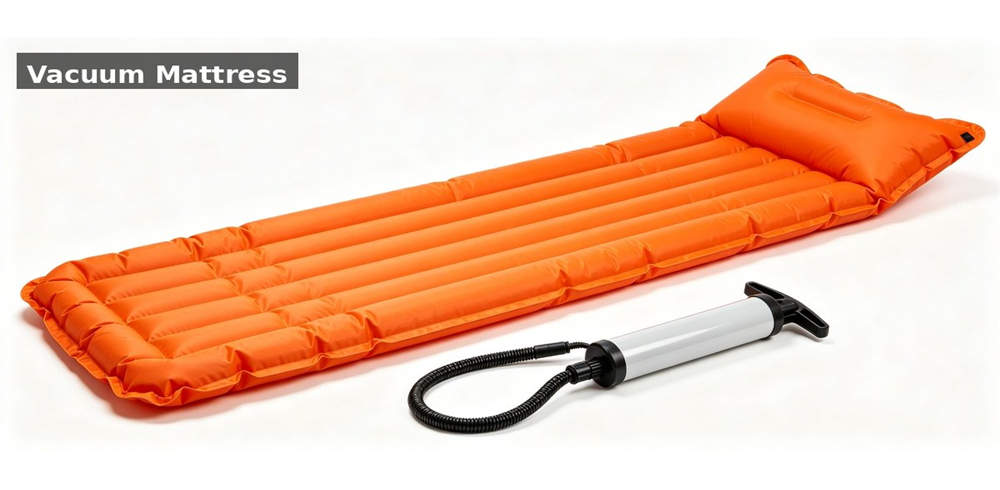
Vacuum stretchers use beads inside a flexible mattress that conform to the casualty's body when air is evacuated. This provides excellent immobilization for fractures and spinal injuries. The stretcher can be shaped to fit the casualty and maintains position during movement. Includes a manual or battery-powered pump. Suitable for extrication from vehicles and structures where spinal injury is suspected.
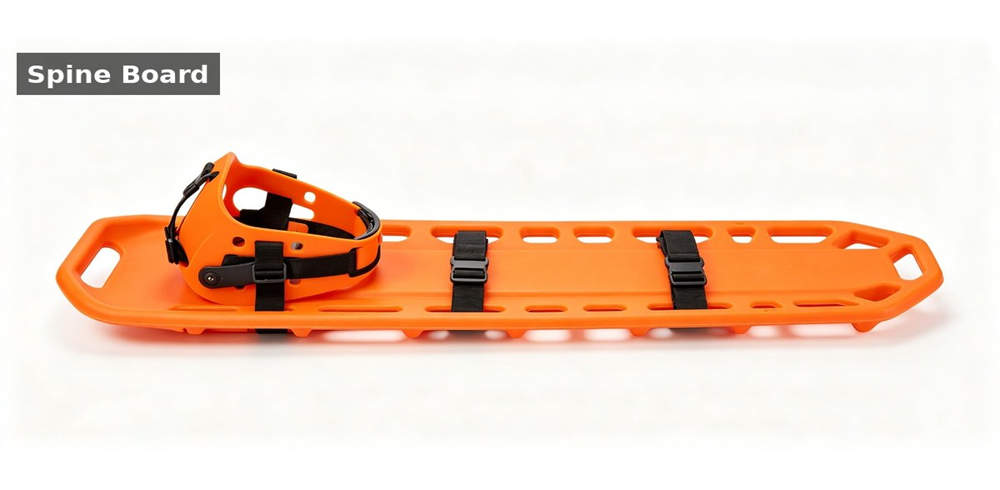
Spine boards (long backboards) are used for spinal immobilization. Made from radiolucent polyethylene (X-ray transparent), they allow imaging without removing the casualty. Load capacity is 150kg. Includes head immobilizer and straps. Suitable for initial immobilization at the rescue site and transfer to medical facilities.
Earthquake rescue often occurs in low-light conditions with damaged infrastructure. Proper lighting and personal protection are essential for team safety.
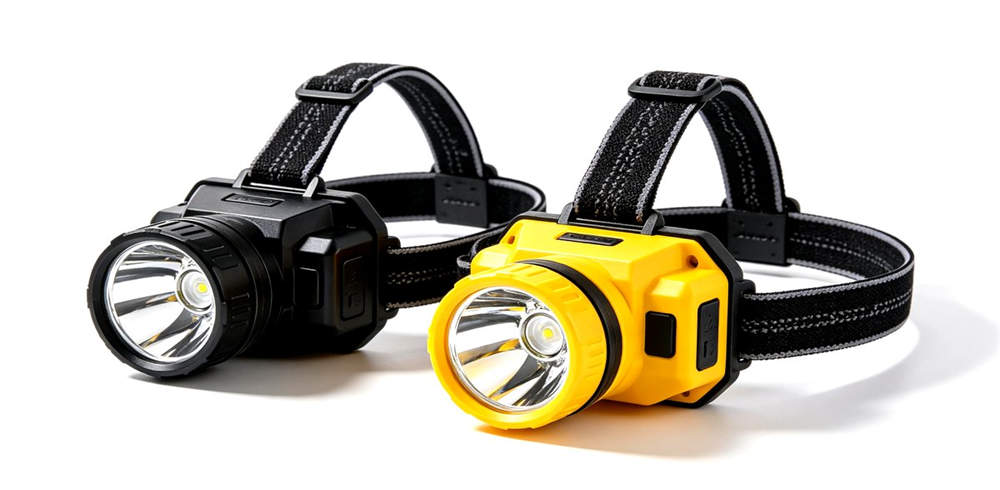
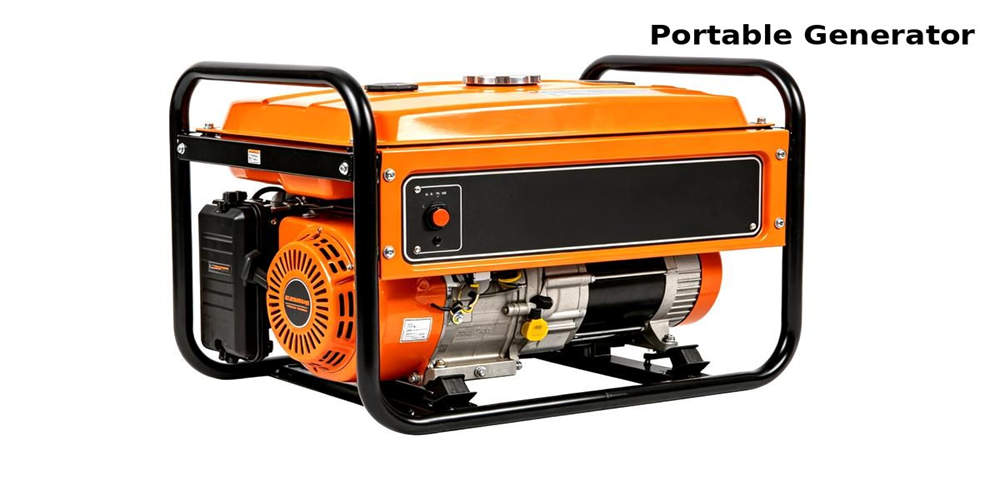
LED headlamps provide hands-free lighting with output from 200 to 1000 lumens and battery life from 4 to 12 hours. All are rated IPX7 for water resistance. Portable searchlights provide 1000 to 5000 lumens with 2 to 8 hour battery life, suitable for area lighting. Generators (1-5kW, gasoline or diesel) provide power for tools and lighting at base camps. Chemical light sticks provide 12 hours of emergency lighting without batteries.
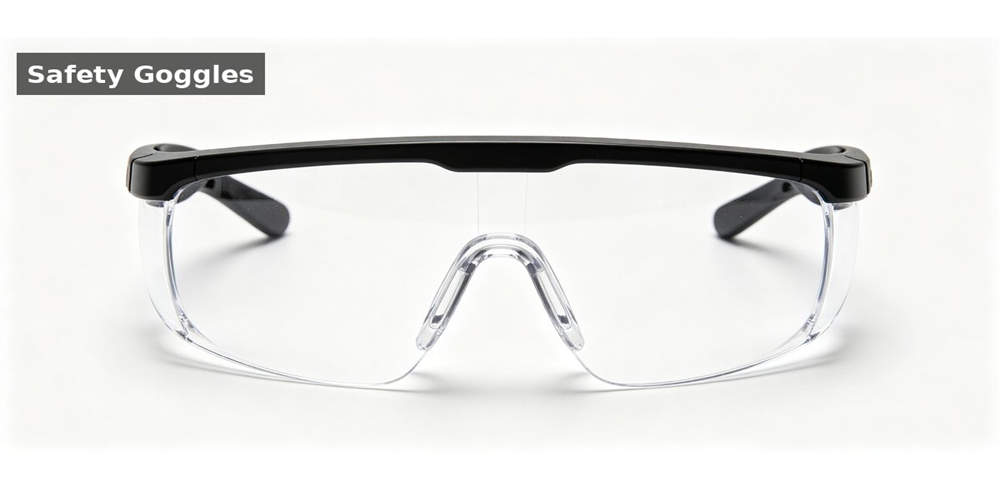
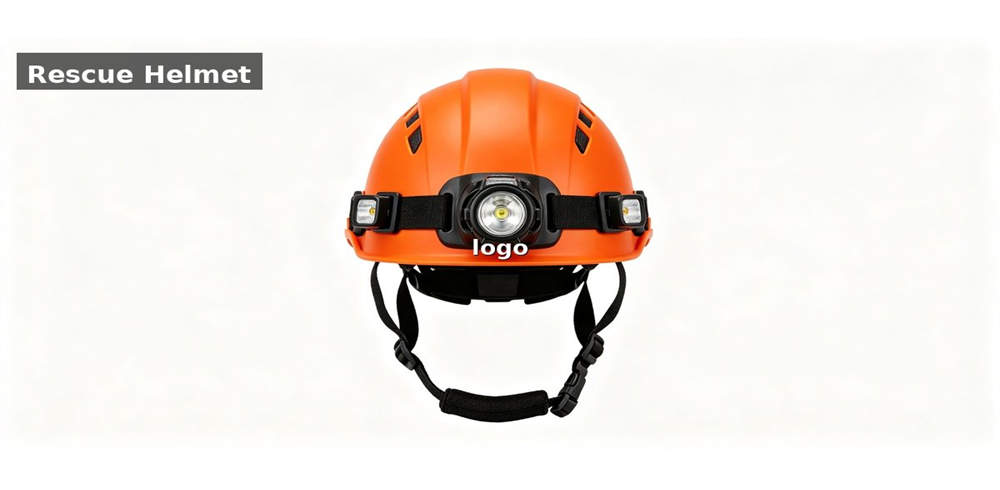
Rescue helmets meet EN 397 standards for impact protection (490J) and penetration resistance. Features include chin straps, LED headlamp clips and ventilation. Safety goggles meet EN 166 standards for impact and splash protection, with anti-fog coating. Essential for protection from falling debris, dust and chemical exposure during rescue operations.
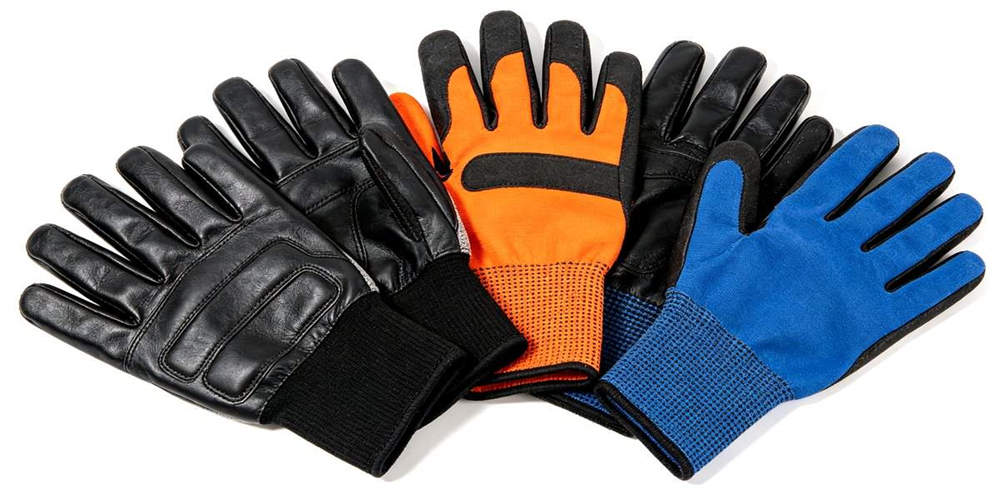
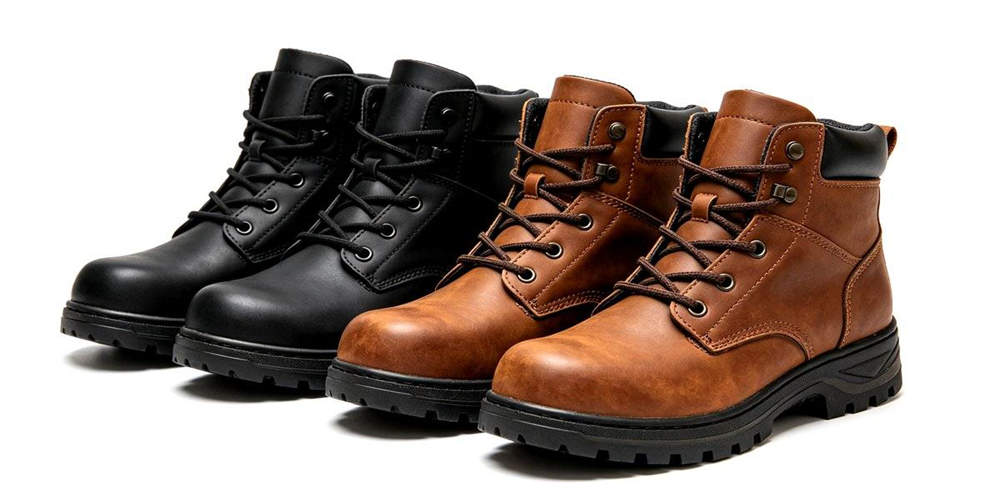
Rescue gloves are made from leather or Kevlar with cut and puncture resistance, suitable for handling sharp debris and hot surfaces. Safety boots meet EN 20345 standards with steel toe caps (200J impact) and puncture-resistant soles. All footwear provides ankle support and slip-resistant soles for working on unstable debris.
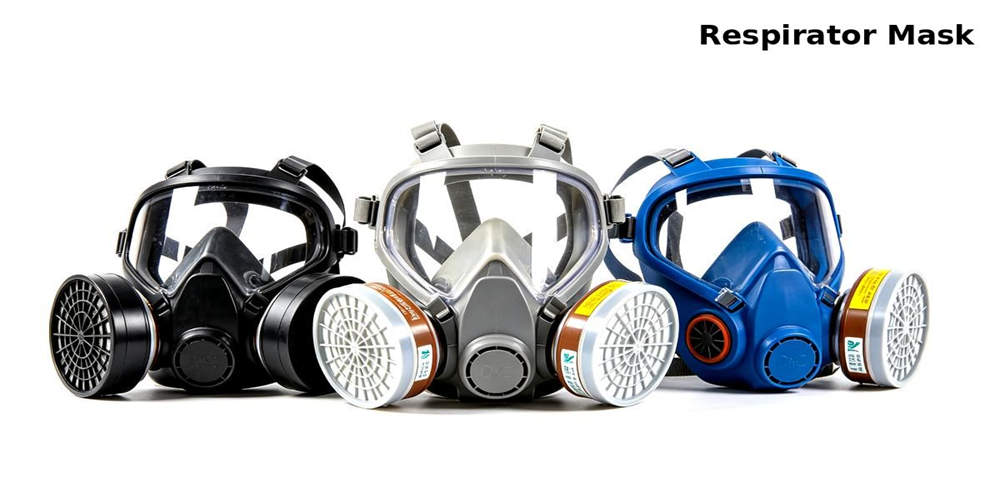
Dust masks (KN95/N95) protect against concrete dust and particulate matter. Disposable coveralls provide basic protection from dust and debris. For operations involving hazardous materials, chemical protective suits (Level B/C) are available. All PPE should be selected based on the specific hazards of each operation.
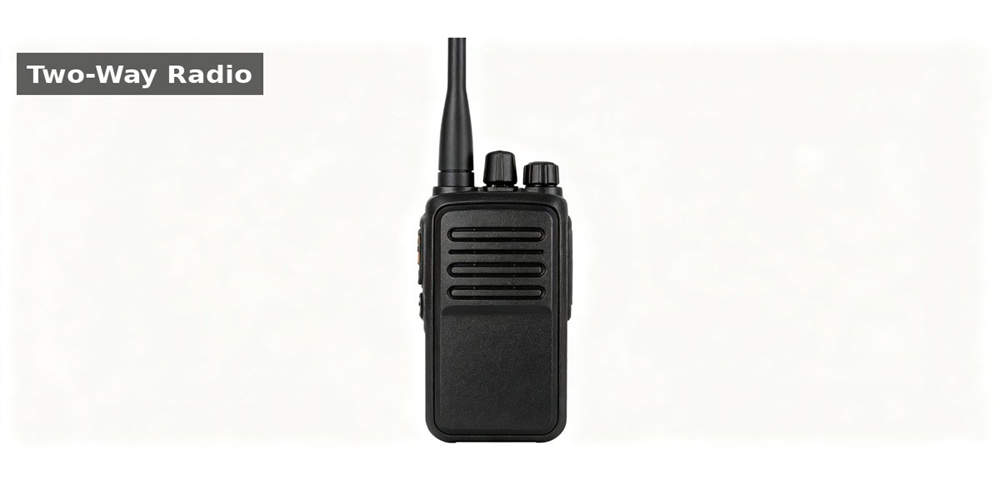
Two-way radios (UHF/VHF, 5W output, IP67 rated) provide team communication with 8 to 12 hour battery life. Satellite phones (Iridium or Inmarsat networks) provide global communication when terrestrial networks are down. Megaphones and emergency sirens are used for crowd management and signaling. Helmet communication systems (bone conduction or wired) allow hands-free communication during technical operations.
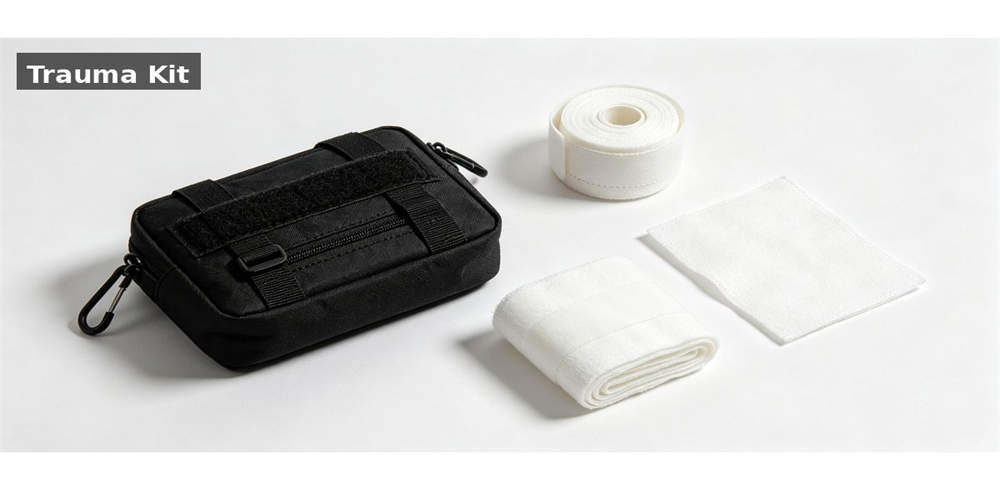
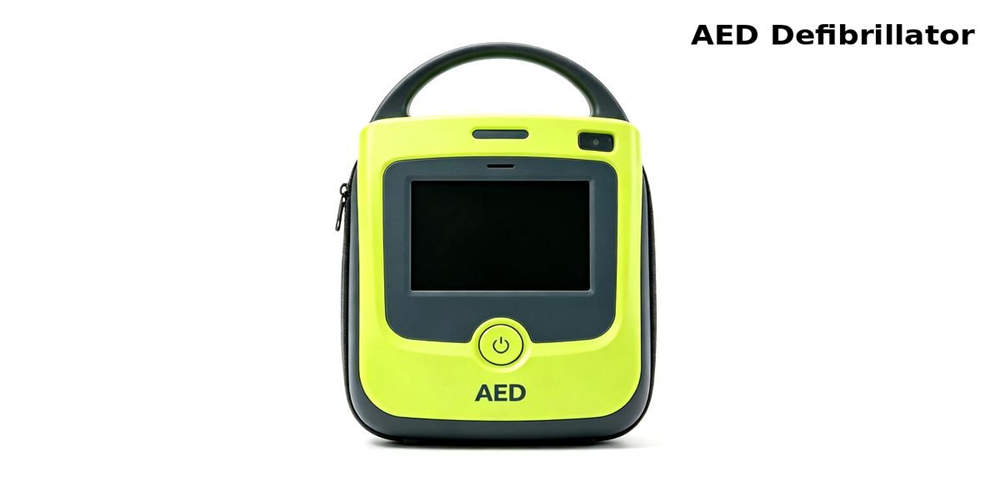
Trauma first aid kits include tourniquets, pressure dressings, bandages, triangular bandages and antiseptic wipes. Burn kits contain specialized burn dressings and gel. Fracture immobilization kits include splints, cervical collars and extremity immobilizers. Automated External Defibrillators (AED) are available for cardiac emergency response. All medical supplies are selected for field use and long shelf life.
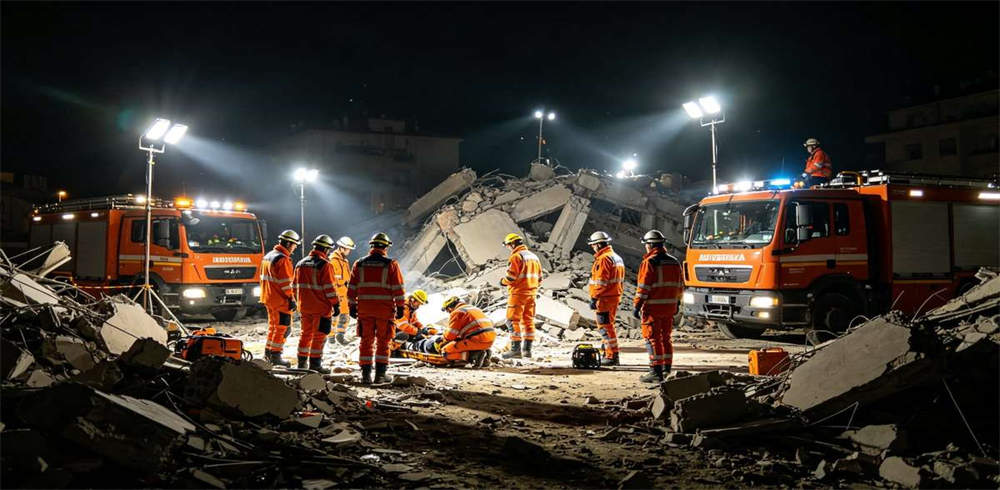
Earthquake-Specific Rescue Considerations: Unlike general emergency response, earthquake rescue involves unique challenges including aftershock risk, unstable rubble structures, prolonged entrapment (24-72 hours), confined space rescue access, and structural collapse secondary hazards. Our equipment selection prioritizes tools that can operate in these conditions: vibration-resistant life detectors for aftershock environments, compact hydraulic tools for confined rubble access, and rope systems rated for dynamic load from structural movement.
|
Product Group |
Key Products |
Typical Use |
Certification |
|
Life Detection |
Acoustic, video, radar detectors |
Locating survivors under rubble |
CE, IP65-67 |
|
Hydraulic Breaching |
Pump, combi-tool, spreader, cutter, rams |
Heavy structural access |
EN, CE |
|
Powered Breaching |
Cordless cutter, rotary hammer, breaker |
Secondary access, confined space rescue |
CE, RoHS |
|
Pneumatic Lifting |
Air bags, pneumatic jacks |
Lifting concrete slabs |
CE |
|
Rope Rescue |
Static/dynamic ropes, harnesses, ascenders |
High-angle, confined space rescue |
UIAA, EN 361/567 |
|
Stretchers |
Basket, roll-up, vacuum, spine board |
Casualty movement |
CE, EN 1865 |
|
Lighting |
Headlamps, searchlights, generators |
Low-light operations |
CE, IPX7 |
|
PPE |
Helmets, goggles, gloves, boots |
Team member protection |
EN 397/166/20345 |
|
Communication |
Radios, satellite phones, megaphones |
Team coordination |
CE, IP67 |
|
Medical |
Trauma kits, AED, immobilization |
Casualty care |
CE, ISO 13485 |
Answer these four questions before requesting a quotation: This rescue team equipment configuration guide helps government buyers select the right earthquake rescue gear supplier for their operational requirements. Regular maintenance extends the service life of hydraulic rescue tools wholesale orders and ensures compliance with rescue gear certification standards.
Choose the right configuration based on your team size, budget and operational requirements. Both kits can be customized with additional equipment.
|
Category |
Basic Rescue Kit |
Advanced Rescue Kit |
|
Life Detector |
Acoustic life detector (1 unit) |
Acoustic + video + radar life detector (3 units) |
|
Hydraulic Tools |
Combi tool + power pump (1 set) |
Combi tool + spreader + cutter + power pump (1 full set) |
|
Rope Rescue |
Static rescue rope 50m + basic harness (1 set) |
Dynamic + static ropes + full body harness + ascender/descender set |
|
Stretcher |
Folding stretcher (1 unit) |
Basket stretcher + vacuum mattress + spine board (3 units) |
|
PPE Set |
Helmet + gloves + safety boots (1 set) |
Helmet + goggles + gloves + boots + headlamp + communication radio |
|
Lighting |
LED flashlight (2 units) |
Headlamps + portable floodlight + spare batteries (full set) |
|
Medical |
Basic first aid kit (1 unit) |
Trauma first aid kit + spinal immobilization set |
|
Est. Weight |
80-120 kg per kit |
250-350 kg per kit |
|
Best For |
Small teams, initial response, budget procurement |
Professional teams, full-scale operations, government tenders |
Both the basic 72 hour emergency kit and advanced kit are available for wholesale orders and OEM customization, with wholesale discounts for volume purchases. The Advanced kit is recommended for urban search and rescue teams requiring comprehensive capability for complex earthquake scenarios.
As a trusted search and rescue equipment china manufacturer, we provide complete configuration guidance for government and commercial rescue teams worldwide.
As a trusted search and rescue apparatus china manufacturer, we provide complete configuration guidance for teams of all sizes.
|
Team Size |
Core Equipment |
Typical Weight |
Best For |
|
5-person team |
1 acoustic detector, 1 manual breaching set, 1 rope set, 2 stretchers, 5 PPE sets, 5 headlamps, 2 radios |
~80kg |
Initial response, small teams |
|
10-person team |
1 video detector, 1 hydraulic set, 1 powered set, 2 rope sets, 4 stretchers, 10 PPE sets, 10 headlamps, 1 searchlight, 6 radios, 1 trauma kit |
~250kg |
Standard municipal response |
|
20-person team |
1 radar + 1 video detector, 2 hydraulic sets, 2 powered sets, 1 pneumatic set, 4 rope sets, 8 stretchers, 20 PPE sets, 2 searchlights, 1 generator, 12 radios, 1 AED, 2 trauma kits |
~600kg |
Full USAR capability |
Proper maintenance ensures equipment is ready when needed. Follow this inspection schedule:
Our earthquake rescue gear meets relevant international standards. We can help arrange third-party test reports based on your project requirements. When evaluating an OEM rescue gear manufacturer, consider production capacity, certification scope, quality control processes and after-sales support for your earthquake rescue gear procurement.
Acoustic detectors listen for sounds (tapping, breathing) through debris, with 5-10 meter detection depth. Video detectors use a camera on a flexible probe to see into voids, with 3-8 meter reach. Radar detectors use radio waves to detect vital signs through walls and debris, with 10-20 meter depth. Acoustic is most affordable, video provides visual confirmation, radar covers the largest area. Many teams use a combination.
Project Reference: Our earthquake emergency rescue supplies have been supplied to disaster response teams across Southeast Asia, the Middle East, Africa and South America. Clients include government civil defense departments, municipal fire and rescue brigades, NGO disaster relief organizations and mining company emergency response teams. All references are available upon request under NDA for procurement evaluation purposes.
A standard set includes a gasoline-powered pump (63-72 MPa), a combi-tool (combined cutter/spreader), a separate spreader, a cutter, extension rams, hydraulic hoses (5-10m) and a carrying case. The combi-tool cuts round steel up to 30mm and spreads gaps up to 350mm. Rams provide up to 10 tons lifting force. Sets are available in 2, 3 or 4 tool configurations.
For general rescue work, 10.5-11mm static rope is standard, providing a good balance of strength, durability and handling. Lighter 10mm ropes are used for speed operations. For confined space rescue, 9-10mm ropes may be preferred. All rescue ropes should be UIAA or EN 1891 certified with minimum 22kN breaking strength.
Rescue ropes should be inspected before each use and replaced immediately if cuts, fraying, chemical contamination or a major fall (fall factor >1) is found. Even with no visible damage, ropes should be retired after 5-10 years depending on usage frequency and storage conditions. Keep a log of each rope's usage history.
Basket stretchers provide full-body enclosure and protection, suitable for helicopter rescue, steep terrain and technical rope rescue. They are heavier (8-12kg) but offer superior protection. Roll-up stretchers are lightweight (2-4kg), flexible and compact, suitable for confined space rescues and building collapse. Basket for technical rescue, roll-up for initial access and narrow spaces.
Minimum PPE includes: EN 397 rescue helmet with chin strap, EN 166 safety goggles, cut-resistant gloves, EN 20345 safety boots with steel toe and puncture-resistant sole, and KN95/N95 dust mask. Additional PPE may include hearing protection, knee pads and disposable coveralls depending on the operation.
Hydraulic cutters are designed for cutting steel reinforcement bars (rebar), not concrete itself. Concrete is typically broken using pneumatic breakers, rotary hammers or by lifting and moving concrete slabs with hydraulic rams or air bags. Once rebar is exposed, hydraulic cutters can sever it quickly. A complete breaching set includes tools for both concrete breaking and steel cutting.
Two-way radios (UHF/VHF) provide direct team communication without infrastructure. Satellite phones (Iridium or Inmarsat) provide global connectivity for coordination with external agencies. For large operations, a repeater station can extend radio range. All teams should have at least one satellite phone and multiple radios with spare batteries.
Hydraulic tools provide more power and longer runtime for heavy breaching, but require a pump and hoses. Battery tools are more portable, faster to deploy and work in confined space rescues, but have shorter runtime (30-60 min per battery). Most teams use both: hydraulic for main breaching, battery for secondary access and finishing work.
A standard 10-person kit weighs approximately 250kg, including life detector, hydraulic set, powered tools, rope systems, stretchers, PPE, lighting, communication and medical equipment. This typically fits in a small van or pickup truck. Larger 20-person kits (600kg+) require a dedicated rescue vehicle or trailer.
We can provide operation manuals and video training for all equipment. For hands-on training, we recommend working with certified rescue training organizations. Hydraulic tools, rope rescue systems and life detectors all require proper training for safe and effective use. We can refer you to training partners in your region.
Individual items have low minimum order quantities, suitable for small teams and initial setup. Complete team kits and custom configurations may have higher minimums. Contact us with your team size and equipment list for a specific quotation. We can also provide sample items for evaluation before bulk ordering.
Store equipment in a cool, dry, well-ventilated area away from direct sunlight and chemicals. Ropes and soft goods should be stored in breathable bags, not plastic. Batteries should be stored at 40-60% charge and recharged every 3-6 months. Hydraulic tools should be stored with hoses disconnected and fittings capped. Keep an inventory log and inspection schedule.
Yes, we offer custom logo printing on helmets, bags, cases and some equipment. Custom colors are available for larger orders. Provide your logo in vector format (AI or EPS) for best results. Customization adds 5-10 working days to production. Note that certification marks must remain visible on certified equipment.
We provide comprehensive after-sales support for all earthquake disaster response supplies and urban search and rescue gear. Our technical team ensures your equipment remains operational and compliant throughout its service life.
DOA (Dead on Arrival) Policy: Any earthquake rescue apparatus found defective or non-functional upon arrival must be reported within 7 days of delivery with photo/video evidence. We will replace defective units free of charge on the next shipment, or issue a credit note for the value. Return shipping cost for DOA items is borne by our side for verified manufacturing defects.
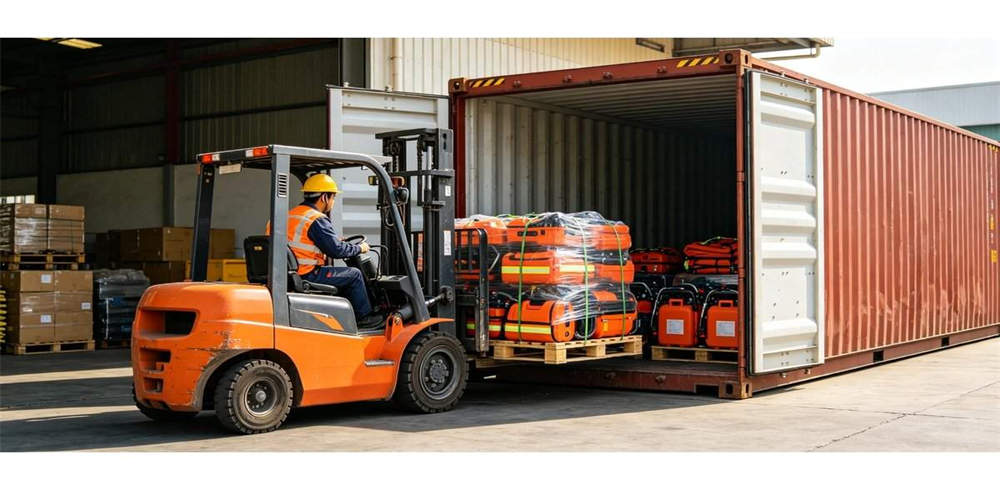
Standard packing configurations are designed for efficient container loading and safe international transportation of seismic rescue apparatus package. Custom packing is available for OEM disaster response equipment orders.
|
Product Category |
Standard Packing |
Carton Size (cm) |
Qty/Carton |
G.W./Carton |
|
Life Detector (acoustic/video) |
Foam-padded hard case + outer carton |
65×45×35 |
1 unit |
12-18 kg |
|
Hydraulic Rescue Tools Set |
Individual tool bag + set carton |
80×50×40 |
1 set (4 tools) |
45-55 kg |
|
Rescue Rope & Harness |
Coiled rope bag + harness polybag |
50×35×25 |
5-10 sets |
15-25 kg |
|
Basket Stretcher |
Disassembled + carton with foam |
120×60×20 |
1 unit |
10-15 kg |
|
Rescue Helmet & PPE Set |
Individual polybag + master carton |
60×40×40 |
10-20 sets |
12-20 kg |
|
Complete Earthquake Rescue Kit |
Equipment bag + outer carton |
90×60×50 |
1 kit |
35-50 kg |
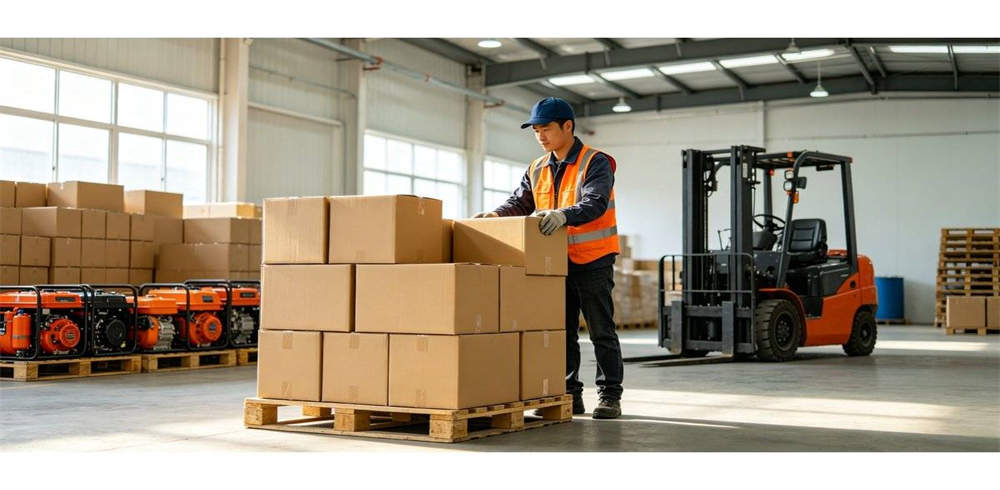
Trade Terms: FOB China is standard for most seismic disaster response equipment orders. FCA factory delivery available for customers with their own forwarders. CIF and DDP terms available upon request for selected destinations. All prices are quoted in USD unless otherwise specified.
All cartons are marked with product name, quantity, gross weight, net weight, carton dimensions and country of origin. Custom shipping marks are available for OEM private label orders. We provide detailed packing lists and commercial invoices for customs clearance.
Every unit of earthquake emergency rescue supplies passes through a three-stage quality control process before shipment. Our QC team ensures that all search and rescue tools meets international safety standards and performs reliably in real disaster scenarios.
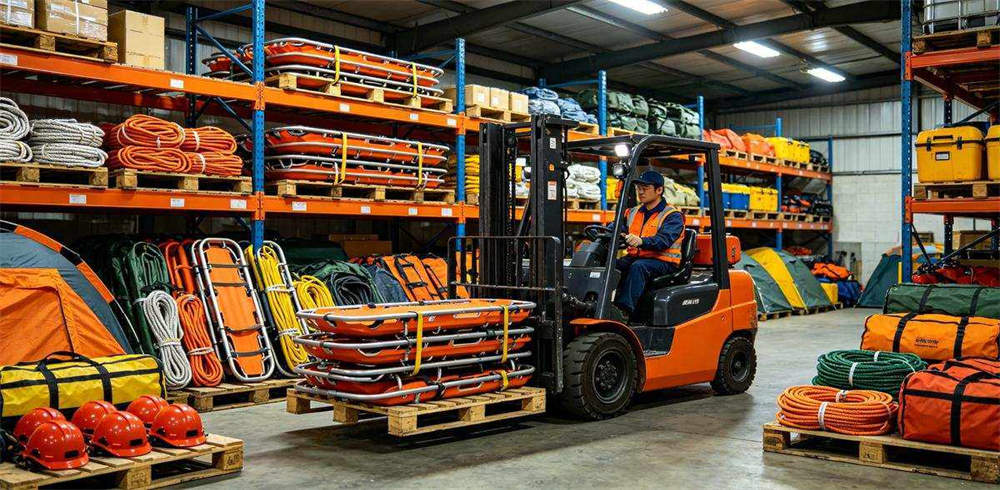
All raw materials and components are inspected upon arrival. Key checks include material certification verification, dimensional accuracy, load testing for rope and harness components, and functional testing for electronic life detectors and hydraulic tools. Only materials passing IQC are released to production.
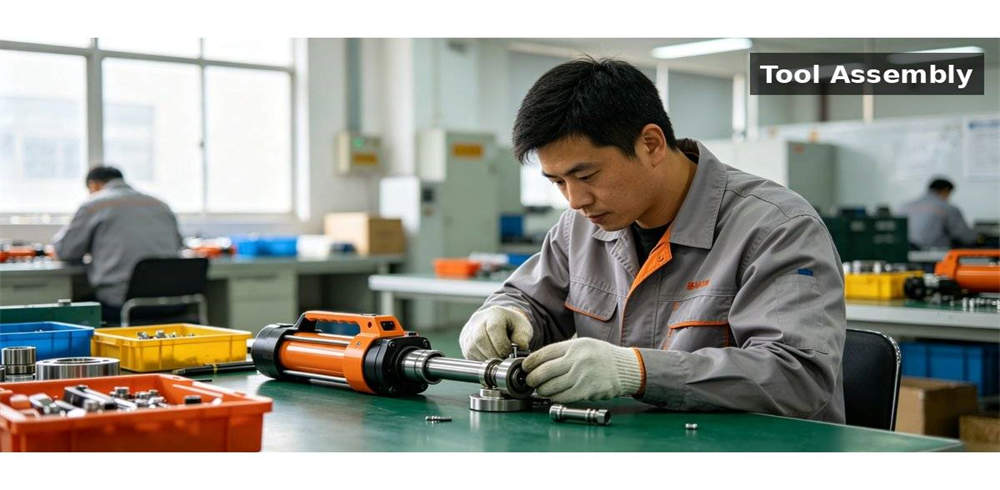
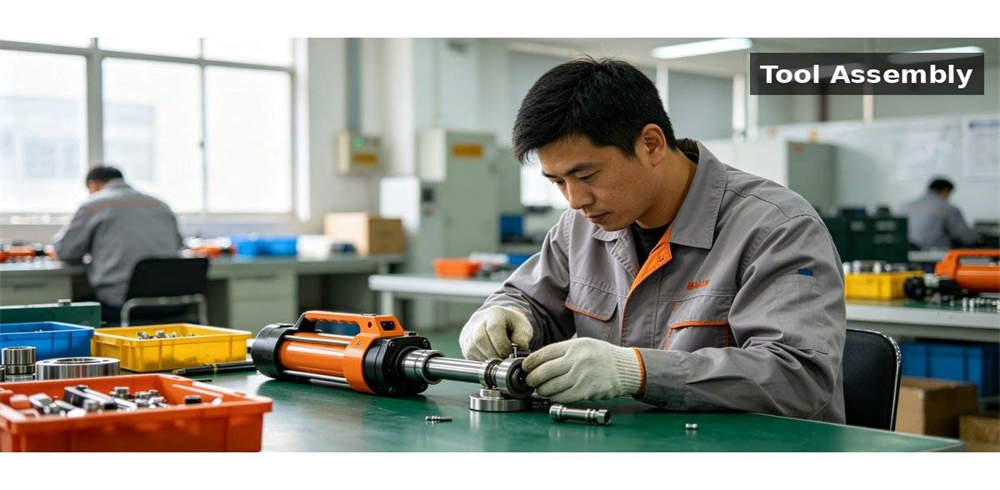
During production, our QC team performs periodic inspections at each workstation. For hydraulic rescue tools, this includes pressure testing at 1.5 times rated working pressure. For rope rescue tools, we verify diameter tolerance, minimum breaking strength and sheath integrity. Life detectors undergo signal sensitivity testing in simulated concrete environments.
Finished products are inspected using AQL 2.5 sampling standard for general appearance and packaging, with 100% functional testing for safety-critical items. Each hydraulic combi tool is tested for cutting and spreading force. Every life detector is calibrated and certified before packaging. Stretchers and harnesses undergo load verification testing.
Before container loading, our team performs a final inspection including quantity verification, packaging integrity check, carton marking confirmation and container loading supervision. Customers are welcome to arrange third-party inspection by SGS, BV or Intertek at any production stage.
We support clear payment terms for wholesale earthquake emergency rescue supplies and search and rescue apparatus orders. Our standard order process ensures smooth transaction and on-time delivery for government procurement and commercial buyers.
Minimum Order Quantity (MOQ): Standard earthquake rescue equipment: 10 sets per product category. Complete earthquake rescue kit configuration: 5 kits. OEM private label orders: 50 sets per product. Sample orders: 1-2 units available at sample pricing.
All payment terms are subject to final contract confirmation. We provide proforma invoices with detailed product specifications, packing plans and delivery schedules for your procurement review.
روابط ودية :
حقوق النشر © Custom Disaster - Relief Bedding: Tents, Sleeping Bags, Blankets كل الحقوق محفوظة
الفريق المحترف للخدمة !