×
أدخل كلمتك الرئيسية
التصنيفات
منتجات جديدة
Disaster Shelter Bedding and Accommodation Supplies Buying Guide

Disaster Shelter Bedding and Accommodation Supplies Buying Guide


When a disaster displaces people, the first 72 hours determine whether a shelter feels safe or unbearable. This guide covers 10 product categories — blankets, sleeping bags, poncho liners, bedding sets, inflatable pillows, folding beds, foam mattresses, inflatable mattresses, mosquito nets and compressed towels — with real specifications, site-by-site selection and a 500-person camp configuration. Match the products to your shelter type, climate and occupant profile before ordering.
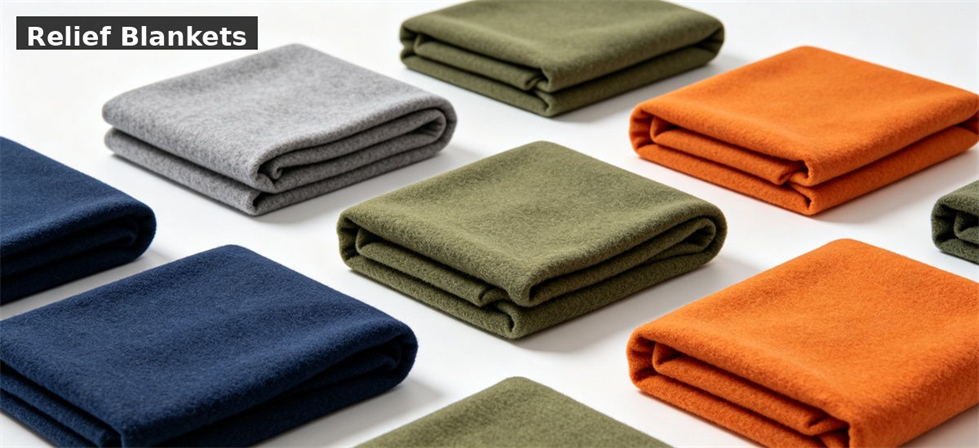


Disaster shelter bedding product range displayed for government and NGO bulk procurement planning


10 Product Types with Real Specifications

1. Emergency Relief Blankets

Open coverage or an extra bed layer. The most issued item in any shelter operation. Choose by material, GSM and size based on climate and user profile.

Material options: 100% polyester flannel, polyester Raschel, wool blend (20%/30%/50% wool), PVC coated waterproof, aluminum foil emergency
GSM range: 200 GSM (lightweight) / 300 GSM (standard) / 450 GSM (heavy winter)
Sizes: 150×200cm (single), 180×220cm (double), 200×240cm (family)
Weight reference: 300 GSM 150×200cm ≈ 900g; 300 GSM 180×220cm ≈ 1188g
Edge finish: Double-stitched hem or overlock
Colors: Blue, grey, olive green, orange (standard); custom on request
Packing: Individual polybag, 10-20 pieces per carton

View emergency relief blanket category
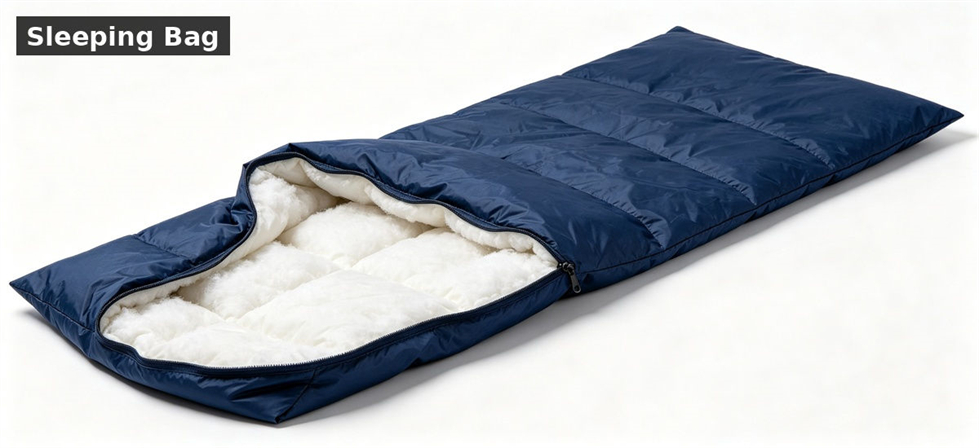

2. Emergency Sleeping Bags


Sleeping bag displayed for temporary shelter accommodation and institutional relief procurement


Enclosed personal sleep for individual issue where a portable sleep enclosure is required. Better than a blanket in cold or damp shelters.

Types: Envelope style, mummy style, hooded
Shell material: 190T polyester taffeta, 210D oxford, or waterproof PVC coated
Lining: Polyester fleece, cotton, or hollow fiber
Filling: 150g/m² (3-season), 250g/m² (winter), 350g/m² (extreme cold)
Dimensions: 190×75cm (adult), 170×65cm (child), 220×100cm (oversize)
Packed size: 35×18cm (standard), 25×15cm (compression sack)
Weight: 1.0kg (summer) / 1.8kg (winter) / 2.5kg (extreme)
Closure: Full-length zipper with anti-snag track
Note: Temperature ratings are manufacturer-tested; actual warmth depends on user, clothing and shelter conditions

View emergency sleeping bag category


✅ Looking for durable bedding for institutional stockpiles and emergency reserve projects? The 50/50 Wool Polyester Blanket for Reserve and Institutional Supply is robust, high warmth retention 50/50 wool polyester blanket for institutional supply designed for government and relief institution procurement. We supply qualified bulk wool blend blankets and institutional blankets wholesale, fabric composition and GSM can be verified before delivery. Click for full product details.


3. Emergency Poncho Liners

Wearable or open-flat coverage where one item must support more than one use position — as a poncho, blanket or ground sheet.
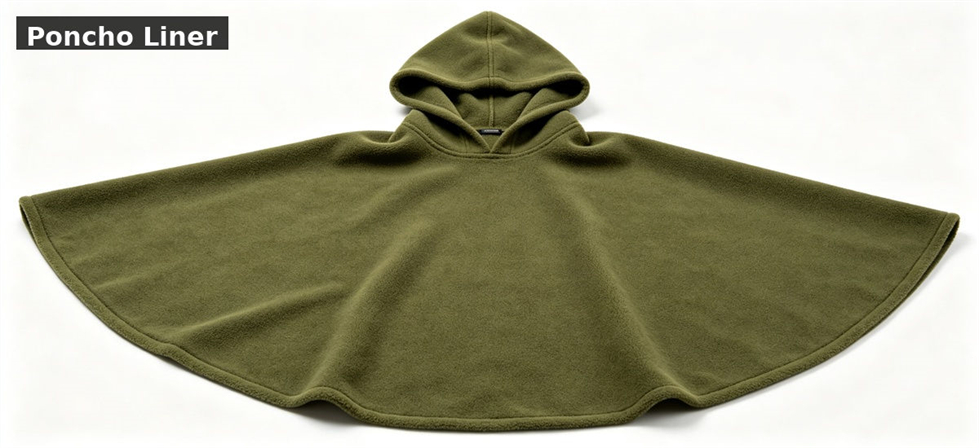


Poncho liner laid flat for emergency bedding and field comfort applications for government stockpile, institutional supply


Material: Polyester fleece (200-300 GSM), wool blend, or waterproof ripstop nylon
Open dimensions: 150×200cm, 180×220cm
Poncho dimensions: 120×80cm (body), hood opening 25cm
Features: Snap or tie closures at sides, hood with drawcord, arm openings
Weight: 400-800g depending on material
Packing: Individual stuff sack, 20×15cm packed
Note: Fleece poncho liners are not waterproof; waterproof versions use coated nylon

View emergency poncho liner category


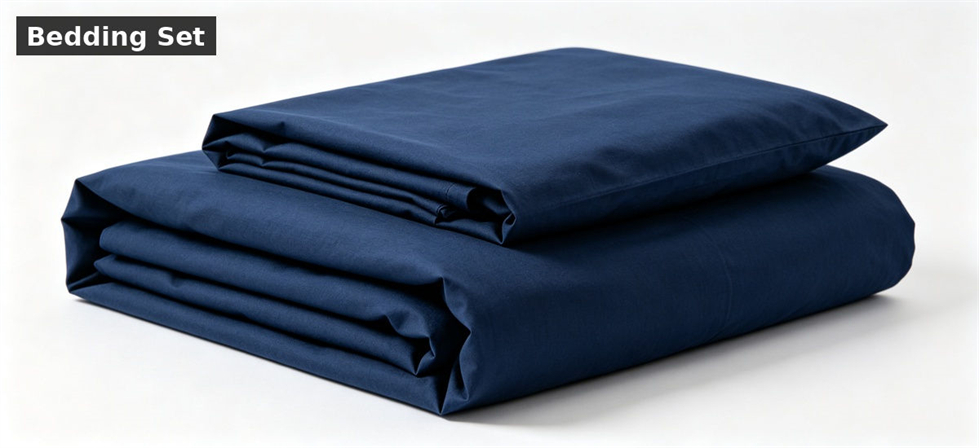
4. Emergency Bedding Sets

Use only where mattresses and inserts already exist. Count by usable bed space, not by total occupants.

Components: Sheet + duvet cover + pillowcase (3-piece); sheet + duvet cover + 2 pillowcases (4-piece)
Material: 100% polyester, polycotton (65/35), or 100% cotton
Sizes for bed width: 0.9m bed (sheet 110×210cm, duvet cover 150×200cm, pillowcase 40×60cm); 1.2m bed; 1.5m bed
Fabric weight: 90-120 GSM (polyester), 120-150 GSM (polycotton)
Closure: Button or zipper on duvet cover
Packing: Individual set in polybag with insert card

View emergency bedding set category


Folded bedding set displayed for a 500-person emergency tent camp configuration for B2B procurement


5. Emergency Inflatable Pillows

Compact head support for individual issue where small packed volume is a priority.

Material: PVC with flocked surface, or TPU laminated fabric
Inflated size: 44×27×8cm (standard), 45×30×10cm (large), 40×25×12cm (child)
Deflated size: 15×10×3cm
Weight: 80-150g
Valve: Push-button non-return valve (inflates by mouth, deflates by pinching valve)
Colors: Navy blue, grey, orange
Packing: Individual polybag with instruction label

View emergency inflatable pillow category
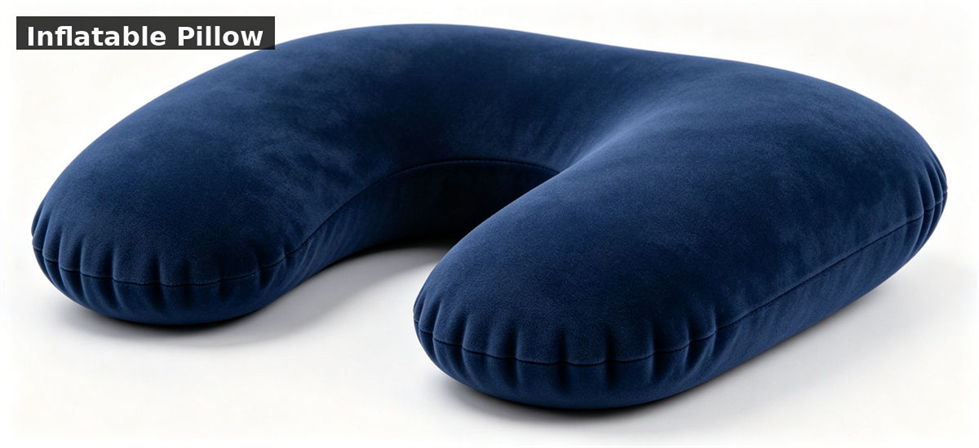


Inflatable travel pillow shown for temporary shelter bedding kits and institutional procurement


6. Emergency Folding Beds

Raised, storable bed spaces where floor clearance and repeated deployment matter. Standard item for gym/school shelters and field hospitals.
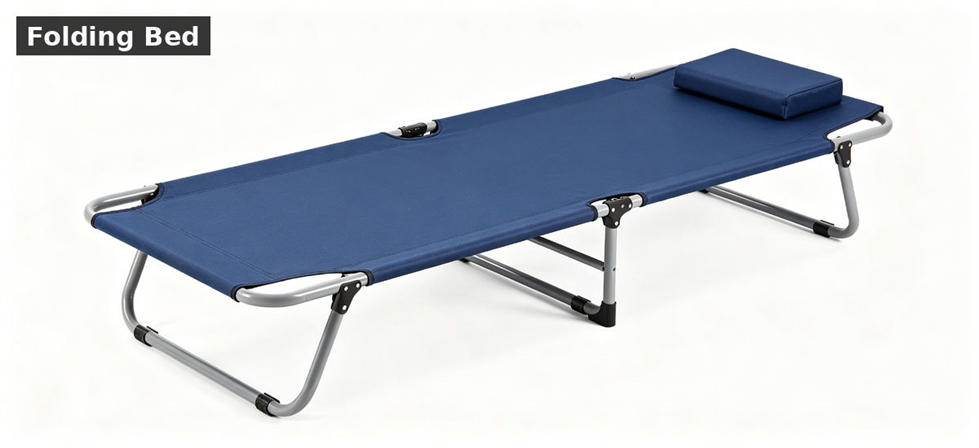


Folding camp bed displayed for emergency shelter and government stockpile planning


Standard: MZ/T 015.1-2010 (China civil affairs standard)
Unfolded size: 185×70×35cm (standard), 190×90×35cm (wide)
Folded size: 95×70×10cm (two-fold), 90×25×15cm (three-fold)
Frame: Steel tube 25×1.0mm or aluminum alloy 22×19mm
Bed surface: 600D PVC coated oxford cloth, waterproof and flame-retardant
Load capacity: 150kg static
Weight: 11-13kg (steel), 5.5kg (aluminum)
Color: Civil affairs blue (standard), custom available
Packing: 4 beds per carton, carton 94×22×35cm

View emergency folding bed category


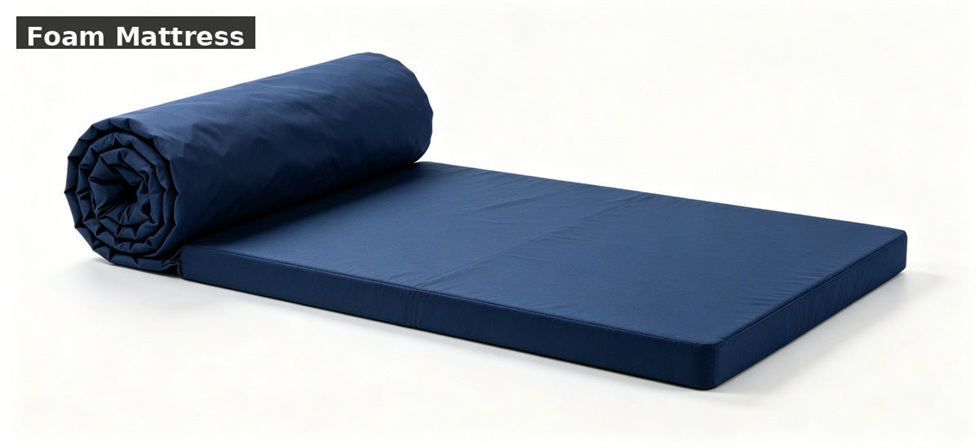
7. Emergency Foam Mattresses

Non-inflatable support for direct placement and simple setup without pumps or valves. The most common mattress type in long-term shelters.

Thickness: 5cm (lightweight), 8cm (standard), 10cm (heavy duty)
Foam density: 22-25 kg/m³ (standard), 30+ kg/m³ (high density)
Sizes: 180×60cm, 190×70cm, 190×80cm, 200×90cm
Cover: Removable polyester cover with zipper, waterproof or water-resistant options
Foam type: Polyurethane (PU) foam, memory foam (premium), or high-resilience foam
Compression: Vacuum compressed for shipping, recovers within 24-48 hours after opening
Weight: 1.5-3.5kg depending on size and thickness
Packing: Individual compressed vacuum bag

View emergency foam mattress category


Foldable foam mattress shown for disaster accommodation and bulk purchasing review


Related Emergency Relief Products

Shelter bedding is often procured alongside these categories:
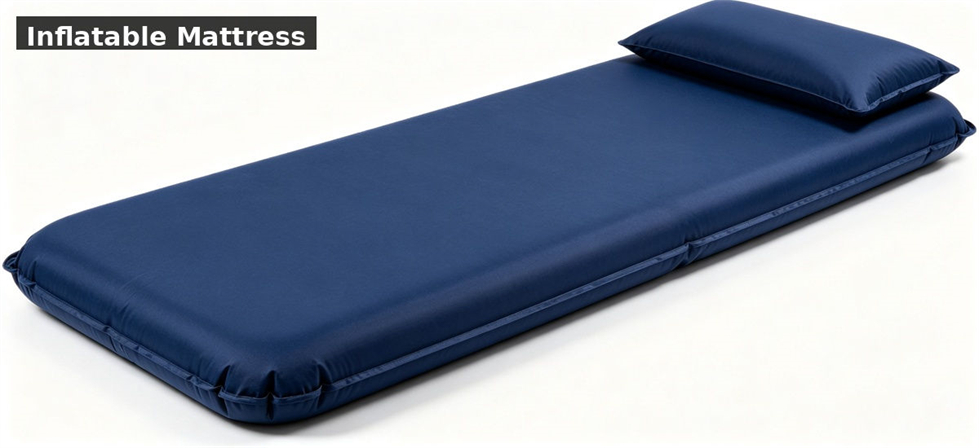


8. Emergency Inflatable Mattresses


Inflatable mattress with pillow prepared for temporary shelter sleeping arrangements


Inflatable support where smaller packed volume justifies inflation, inspection and repacking work. Better for short-term deployment where storage space is limited.

Material: 0.4-0.6mm PVC (standard), flocked top surface (comfort option), TPU (premium lightweight)
Inflated sizes: 185×70×18cm (single), 190×90×22cm (double), 200×140×22cm (queen)
Deflated size: 35×20×10cm (single)
Valve: Boston valve (fast inflate/deflate) or built-in foot pump
Inflation time: 2-3 minutes with hand pump, 30 seconds with electric pump
Load capacity: 150-200kg depending on size
Weight: 2.0-3.5kg
Accessories: Repair patch kit included; hand/electric pump sold separately
Note: Requires floor protection to avoid punctures; check inflation daily in long-term use

View emergency inflatable mattress category


9. Emergency Mosquito Nets

A barrier around one sleep position where the bed layout provides suitable hanging points. Essential in tropical and subtropical shelters.
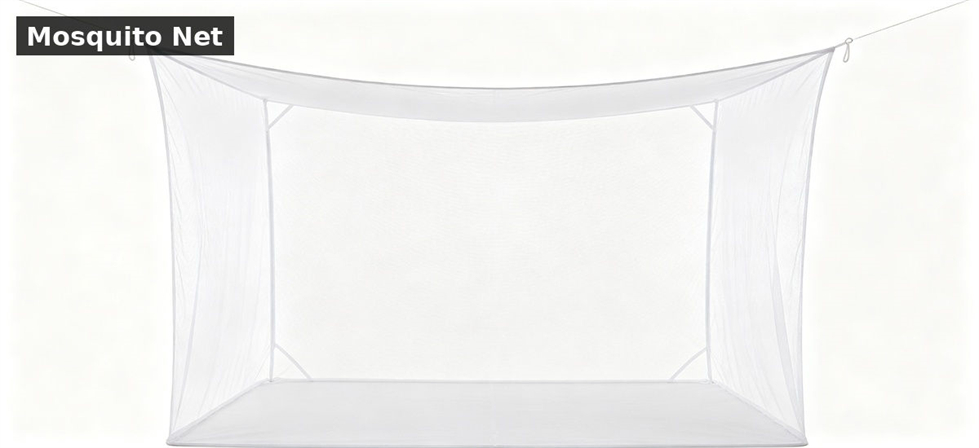


Mosquito net displayed for shelter hygiene and humanitarian relief accommodation


Material: 100% polyester mesh, 75 denier
Mesh count: 156 holes per square inch (standard), hexagonal mesh
Fabric weight: 30±3 g/m²
Sizes: 190×90×158cm (single), 180×160×150cm (double), 190×180×160cm (family)
Shape: Rectangular box (most common), conical, or dome
Entries: 1 door (single), 2 doors (double/family)
Accessories: Hanging loops at corners and center, tie cords, S-hooks
Weight: 150-300g depending on size
Optional: Long-lasting insecticide treatment (LLIN) with deltamethrin or permethrin
Standards: FZ/T 62014-2015, GB 18401-2010 Class C, WHOPES compatible (treated versions)

View emergency mosquito net category


10. Emergency Compressed Towels

A compact hygiene item counted per person or per hygiene pack and multiplied by the planned issue rounds.

Material: 100% cotton, viscose, or cotton/polyester blend
Expanded sizes: 20×22cm (face towel), 24×30cm (hand towel), 30×60cm (bath towel)
Weight per piece: 20g, 30g, 50g, 80g
Compressed form: Round tablet (3-5cm diameter) or rectangle brick
Activation: Expands in 5-10 seconds when wet
Packing: Individual foil wrapper, 10-50 pieces per tube or box
Features: Biodegradable options available, lint-free, fragrance-free
Note: Compressed does not mean sterile; specify sterilized versions for medical use

View emergency compressed towel category
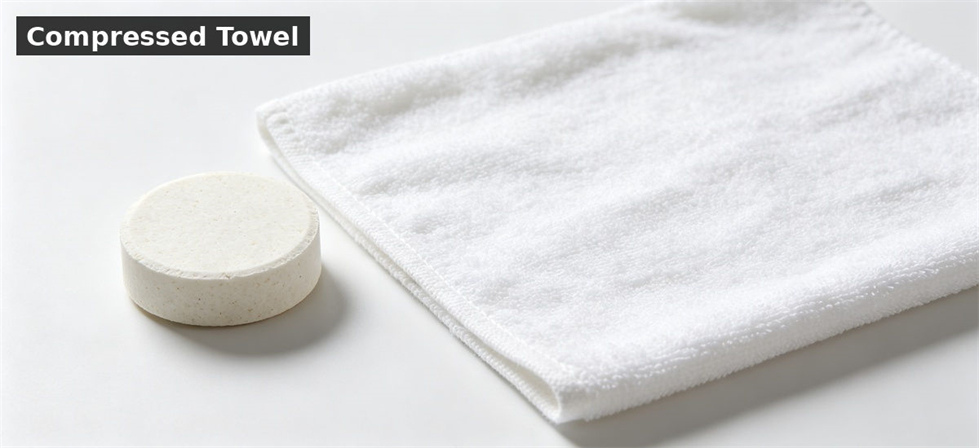


Compressed towel displayed beside its expanded form for institutional hygiene kits


Quick Comparison: 10 Shelter Bedding Products

Product

Issue Unit

Key Spec

Weight

Best For

Relief Blanket

Per person

200-500 GSM, 150-200cm

0.5-1.5kg

All shelters, universal baseline

Sleeping Bag

Per person

150-350g/m² fill, 190×75cm

1.0-2.5kg

Cold shelters, individual sleep

Poncho Liner

Per person

200-300 GSM fleece, 150×200cm

0.4-0.8kg

Multi-use, mobile populations

Bedding Set

Per bed

3-4 piece, 0.9-1.5m bed

0.8-1.5kg

Existing beds, transitional shelters

Inflatable Pillow

Per person

44×27×8cm, PVC flocked

80-150g

All shelters, compact packing

Folding Bed

Per bed space

185×70×35cm, 150kg load

5.5-13kg

Gym/school shelters, field hospitals

Foam Mattress

Per bed space

5-10cm thick, 22-30 kg/m³

1.5-3.5kg

Long-term shelters, floor sleeping

Inflatable Mattress

Per bed space

185×70×18cm, PVC

2.0-3.5kg

Short-term, limited storage

Mosquito Net

Per bed space

156 mesh, 190×90×158cm

150-300g

Tropical/subtropical shelters

Compressed Towel

Per hygiene pack

20-80g, expands 20-60cm

20-80g each

All shelters, hygiene distribution


✅ For bulk procurement of emergency frame tents, visit wholesale tent Emergency Frame Tents for Bulk Procurement to compare tent specifications, structural configurations, and deployment needs.
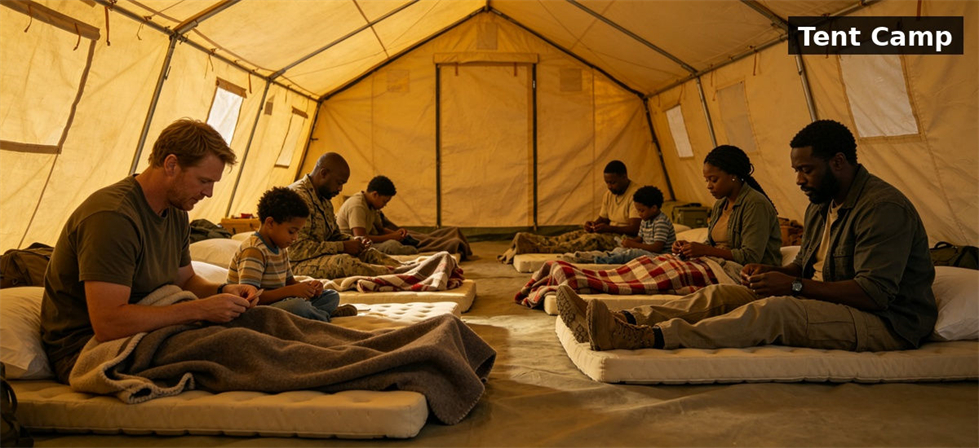
Select by Shelter Type

Tent Camp (Emergency / Humanitarian)

  • Sleep surface: Foam mattress (5cm) or inflatable mattress on ground cloth
  • Coverage: Blanket (300 GSM) + sleeping bag in cold climates
  • Pillow: Inflatable pillow (compact for transport)
  • Mosquito net: Essential in tropical zones; hang from tent poles
  • Hygiene: Compressed towels in hygiene kits (1 per person per week)
  • Avoid: Folding beds (too heavy for tent camp logistics), bedding sets (no existing beds)


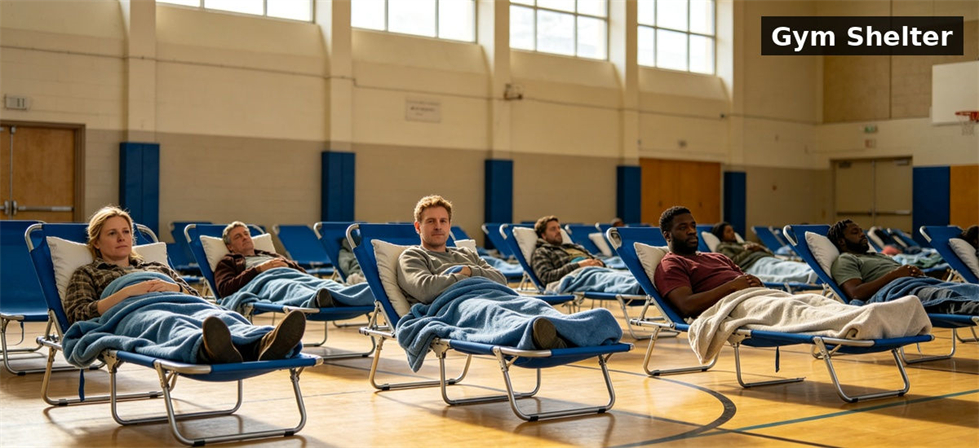
Gym / School / Community Hall (Mass Shelter)

  • Sleep surface: Folding beds (raised, easy to deploy/storage) or foam mattresses on floor


Bedding arranged inside a temporary tent camp for disaster shelter planning for B2B procurement


  • Coverage: Blanket per person + sleeping bag for winter
  • Pillow: Inflatable pillow or foam pillow
  • Mosquito net: Only if hall has no screens and endemic area
  • Hygiene: Compressed towels + shared bathing supplies
  • Key point: Measure floor space before ordering — each person needs 2.5-3.5 m² including aisle


Transitional Shelter (Room with Existing Beds)

  • Sleep surface: Check existing mattresses — replace only if damaged or unsuitable
  • Bedding: Bedding set per bed (sheet + duvet cover + pillowcase)


Folding beds with blankets arranged in a gym shelter for institutional accommodation


  • Coverage: Blanket or duvet insert per bed
  • Pillow: Pillow insert if existing pillows are missing
  • Mosquito net: If windows lack screens
  • Key point: Count by usable beds, not by occupants — one bed may serve two children


Field Hospital / Medical Shelter

  • Sleep surface: Folding beds (raised for patient care) or medical-grade foam mattresses
  • Bedding: Hospital-grade bedding sets, washable, sanitizable
  • Pillow: Medical-grade pillow with waterproof cover
  • Hygiene: Sterile compressed towels for patient care
  • Key point: Specify flame-retardant and water-resistant materials for medical use


Blanket Warmth: Material Comparison

Warmth is not controlled by GSM alone. Compare fiber, construction and finish together:

Material

GSM Range

Warmth

Durability

Washability

Best Climate

Polyester flannel

200-300

Medium

Good

Machine washable

Mild / cool

Polyester Raschel

250-400

Medium-high

Excellent

Machine washable

Cool / cold

Wool blend (20-30%)

220-450

High

Good

Careful wash

Cold / damp

Wool blend (50%+)

300-500

Very high

Medium

Dry clean / hand wash

Extreme cold

PVC coated waterproof

200-300

Low-medium

Excellent

Wipe clean

Wet / outdoor

Aluminum foil emergency

30-50

Reflective heat

Low (single use)

Not washable

Emergency shock
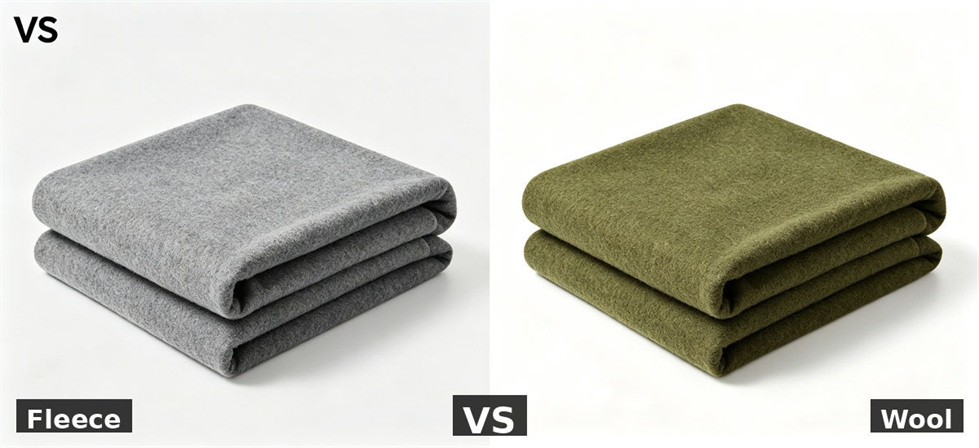

Fleece and wool relief blankets compared for shelter bedding specification decisions


Key point: For most shelter operations, 300 GSM polyester flannel or Raschel is the best balance of warmth, durability and cost. Reserve wool blends for cold-climate operations and aluminum foil blankets for first-response emergency kits.


Sample Configuration: 500-Person Tent Camp

Example bulk order for a 500-person tent camp in a moderate climate (tropical/subtropical, 15-30°C):
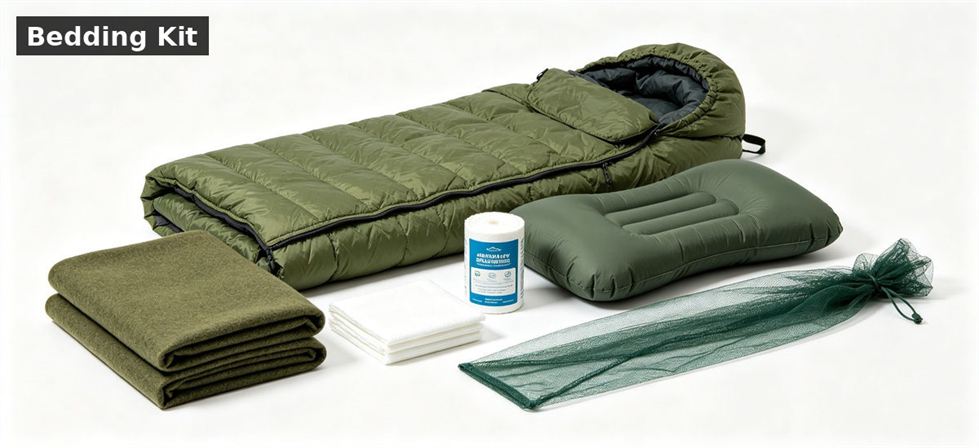
  • Blankets (300 GSM, 150×200cm): 550 units (1 per person + 10% spare)
  • Sleeping bags (150g/m² fill, 190×75cm): 250 units (for cold nights / vulnerable groups)
  • Foam mattresses (5cm, 190×70cm): 500 units (1 per person)
  • Inflatable pillows: 550 units (1 per person + 10% spare)


Complete emergency bedding kit unboxed for institutional sample and receiving verification


  • Mosquito nets (single, 190×90×158cm): 500 units (1 per sleep space)
  • Compressed towels (30g, 24×30cm): 3500 pieces (7 per person for 1 month, weekly rotation)
  • Poncho liners (200 GSM): 100 units (for mobile responders / outreach teams)
  • Folding beds: 20 units (for medical tent / vulnerable individuals)

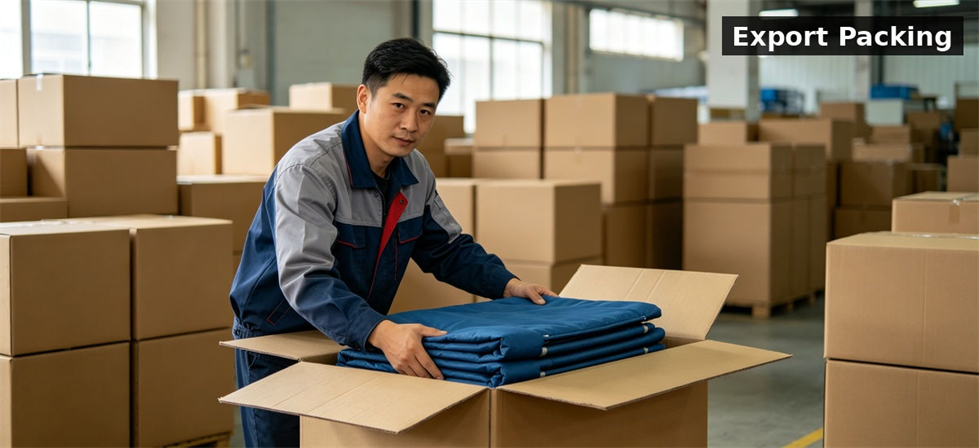
All items packed in labeled cartons by category for easy distribution. Carton-level labeling includes product name, quantity, size and weight.
Key Procurement Points to Confirm

  1. Count by issue unit: Blankets per person, bedding sets per bed, towels per hygiene pack — keep them on separate order lines, not one combined total.
  2. Verify GSM and piece weight separately: A 300 GSM blanket in 150×200cm weighs ~900g; the same GSM in 180×220cm weighs ~1188g. Both are valid, but they are different SKUs.


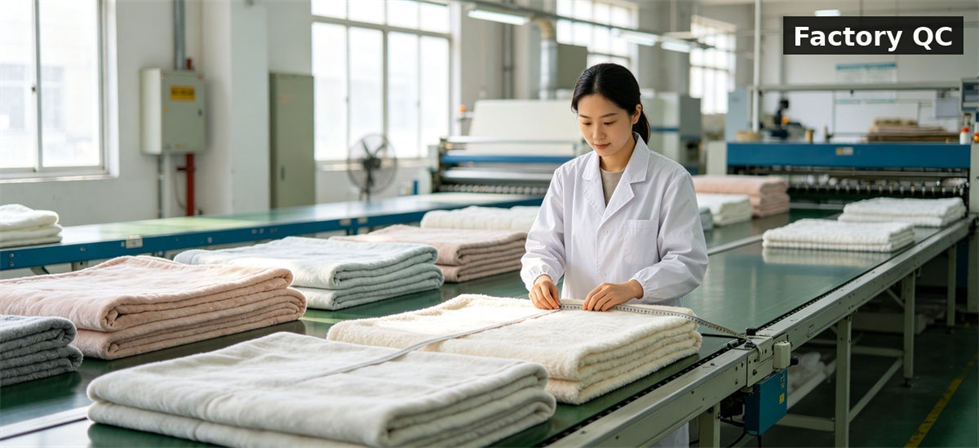
Shelter bedding quality inspected in a factory for institutional bulk order consistency


  1. Confirm mattress recovery after compression: Foam mattresses vacuum-compressed for shipping should recover to full thickness within 24-48 hours. Test a sample before accepting bulk delivery.
  2. Check folding bed load rating: Standard is 150kg static. For bariatric users or medical use, specify 200kg+ reinforced frames.
  3. Specify mosquito net hanging points: Confirm the shelter has anchor points for nets; if not, include hanging kits (hooks, cords, adhesive pads) in the order.


Emergency bedding packed for export and humanitarian relief project delivery for B2B procurement


  1. Confirm compressed towel expansion: Test a sample — 30g towel should expand to 24×30cm within 10 seconds. Under-weight towels will not expand fully.
  2. Validate sleeping bag temperature claims: Ask for the test method (EN 13537 or equivalent). A "winter sleeping bag" label without a test standard is not a specification.
  3. Plan carton-level labeling: Each carton should show product name, quantity, size, gross/net weight and destination site code. This prevents sorting errors at distribution points.


✅ For projects sourcing sleeping bags in volume, explore bulk sleeping bags Emergency Sleeping Bag Selection for Bulk Procurement to compare insulation levels, constructions, and field-use options.


Sample Policy

Samples are available for evaluation before bulk orders. Here is how the sample process works:

Standard samples: Blankets, towels, mosquito nets and pillows are typically available from stock and can ship within 3-5 working days.
Custom samples: Sleeping bags with specific fill weight, folding beds with custom dimensions, or mattresses with custom density require 7-15 working days for production.
Sample evaluation: Check material, dimensions, weight, stitching, zippers/valves and packaging against your specification sheet.
Sample confirmation: The approved sample becomes the reference standard for bulk production quality. Keep one sealed sample for incoming inspection comparison.
Contact us with your product list and quantities to arrange sample shipment.

Storage and Maintenance in Shelters

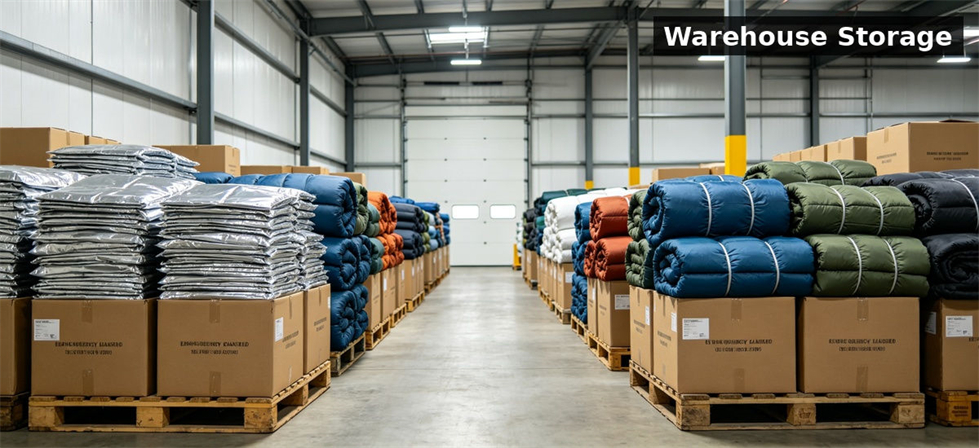
  • Blankets and sleeping bags: Store dry, off the ground, in well-ventilated areas. Rotate stock every 6 months in humid climates. Check for mold, mildew and insect damage monthly.
  • Foam mattresses: Keep covers zipped. Spot-clean with mild detergent. Allow to fully dry before storage. Replace if foam crumbles or develops permanent indentation.
  • Inflatable mattresses and pillows: Check inflation daily. Deflate and dry before long-term storage. Use ground cloth to prevent punctures. Keep repair patches on site.


Emergency bedding stock stored in a warehouse for reserve rotation and repeat orders


  • Folding beds: Wipe frame with damp cloth. Check joints and rivets monthly. Lubricate moving parts annually. Replace if frame bends or fabric tears.
  • Mosquito nets: Wash with mild soap in cool water. Do not bleach. Air dry completely before storage. Check for holes monthly — repair with iron-on patches or replace.
  • Compressed towels: Store in sealed containers away from moisture. Once opened, use immediately — they will absorb moisture from the air.


Certifications and Testing

We can help arrange third-party test reports based on your project requirements. Common standards include:

Textiles: GB 18401-2010 (China national textile safety), OEKO-TEX Standard 100, ISO 105 (color fastness)
Folding beds: MZ/T 015.1-2010 (China civil affairs standard), EN 13153 (folding beds)
Mosquito nets: FZ/T 62014-2015, WHOPES (for insecticide-treated nets)
Sleeping bags: EN 13537 (temperature rating), ISO 11092 (thermal resistance)
Flame retardancy: CFR 1633 (US), EN ISO 12952 (EU), GB 20286 (China)

Testing scope, sampling method, laboratory and report format are confirmed per project. Contact us with your destination market and required standards for a testing plan.


✅ For temporary-accommodation projects requiring portable beds, visit camp beds wholesale Emergency Folding Beds for Temporary Accommodation Procurement to review bulk procurement, transport, and rapid-deployment options for folding beds.


Frequently Asked Questions

How do I calculate quantities for a mixed shelter?

Count each product by its own issue unit: blankets by person, bedding sets by usable bed, towels by hygiene pack, nets by sleep space. Add a 5-10% reserve for loss, damage and late arrivals. Do not combine different products into one "kit total" — each has its own replenishment cycle.


What GSM blanket should I order for a refugee camp?

For moderate climates (10-25°C), 200-300 GSM polyester flannel is standard. For cold climates (below 10°C), choose 300-450 GSM Raschel or wool blend. For tropical shelters (above 25°C), 150-200 GSM is sufficient. Always consider nighttime temperatures, not daytime averages.


Foam mattress or inflatable mattress — which is better?

Foam mattresses are better for long-term shelters (1+ month): no pump needed, silent, durable, low maintenance. Inflatable mattresses are better for short-term deployment (under 2 weeks): compact for transport, adjustable firmness. Inflatables require daily pressure checks and are prone to punctures on rough ground.
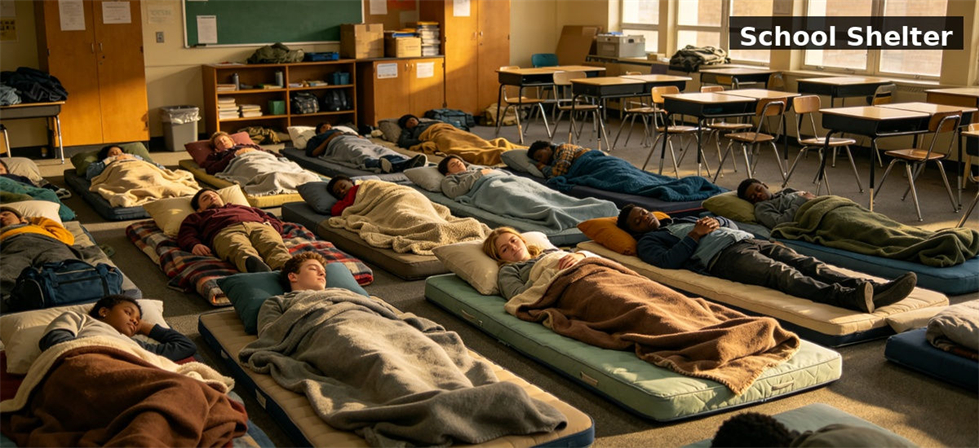


Emergency bedding arranged in a school shelter for large-scale disaster accommodation


Do folding beds need a mattress on top?

Standard folding beds have a 600D oxford cloth surface that is functional but not comfortable for multi-night use. Add a 5cm foam mattress or a thick blanket for sleep comfort beyond 2-3 nights. In medical shelters, always add a mattress for patient care.


How many mosquito nets do I need per tent?

One net per sleep space (bed or mattress). For a family tent with 4 sleep spaces, order 4 single nets or 2 double nets. Confirm the tent has hanging points — if not, include a hanging kit with hooks and cords.
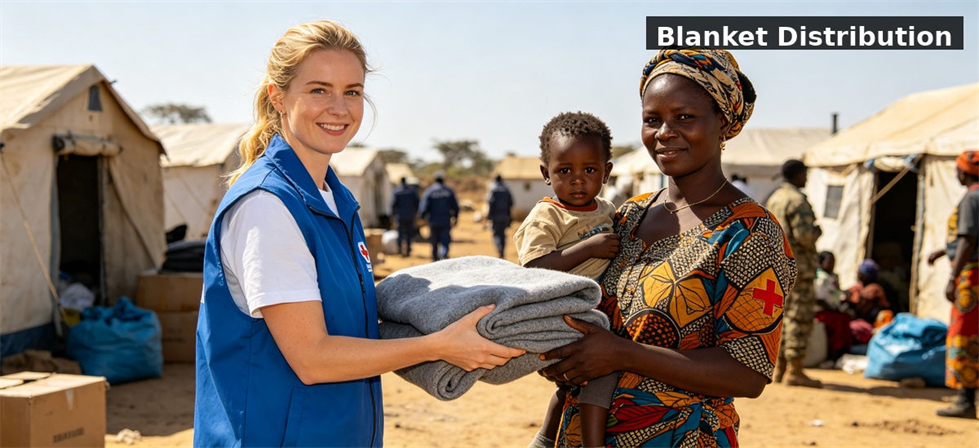


Relief blankets distributed to families for humanitarian shelter support for B2B procurement


Can compressed towels be reused?

Standard compressed towels are designed for single use. Cotton versions can be washed and reused 2-3 times if handled carefully, but they lose softness and lint increases. For hygiene kits, plan for single-use and order enough for the service period.


What is the difference between a sleeping bag and a blanket liner?

A sleeping bag is an enclosed system with filling (150-350g/m²), zipper and hood — it provides insulation. A blanket liner (poncho liner) is a flat or poncho-shaped fleece item without filling — it adds warmth when used inside a sleeping bag or alone in mild weather. They serve different purposes and are not interchangeable.


How long do foam mattresses last in shelter use?

Standard 22-25 kg/m³ foam mattresses last 6-12 months in daily shelter use. High-density (30+ kg/m³) mattresses last 12-24 months. Signs of replacement: permanent indentation over 2cm, crumbling edges, or covers that cannot be cleaned. Rotate mattresses between users monthly to extend life.
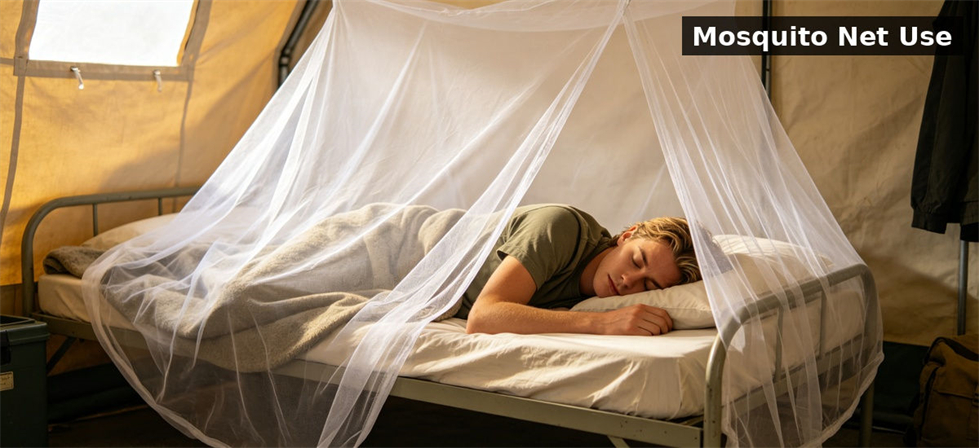


Mosquito net in use over a shelter bed for field accommodation and hygiene planning


What bedding do I need for a gym shelter in winter?

For a gym/school shelter in cold weather: folding beds or foam mattresses (raised off cold floor), 300+ GSM blankets, sleeping bags for vulnerable individuals, inflatable pillows, and compressed towels. Gym floors are concrete and cold — raised beds or thick mattresses are essential. Add 10% spare blankets for visitors and staff.


Can I mix products from different suppliers in one order?

Technically yes, but it complicates quality control, shipping and after-sales. We recommend sourcing all bedding items from one supplier to ensure consistent quality, coordinated packing and single-point accountability. If you must split, specify identical labeling and carton standards across suppliers.
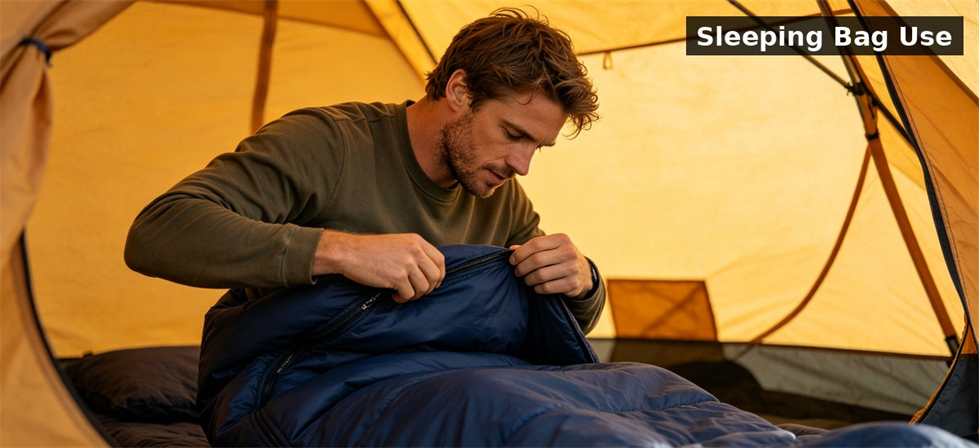


Sleeping bag used inside a tent for temporary shelter and cold-weather relief for B2B procurement


How do I handle bedding for children and infants?

Order child-size sleeping bags (170×65cm) and smaller blankets for children under 12. Infants need firm, flat sleep surfaces — avoid soft pillows and thick blankets that pose suffocation risk. Specify infant-safe bedding (firm mattress, fitted sheet, light blanket) for cradle areas. Always check local childcare regulations.


What is the lead time for a 5000-piece blanket order?

Standard items (300 GSM polyester flannel, standard colors): 7-15 working days. Custom colors, embroidery or special packaging: 15-25 working days. Large orders over 10,000 pieces may require 20-30 working days. Final lead time is confirmed in the contract after specification and sample approval.


How should I pack bedding for container shipping?

Blankets and sleeping bags compress well — use vacuum compression to maximize container volume. Foam mattresses are already vacuum-compressed. Folding beds stack 4 per carton. Keep each SKU in separate cartons with clear labels (product, quantity, size, weight, destination). Do not mix SKUs in one carton unless the receiving team can re-sort.
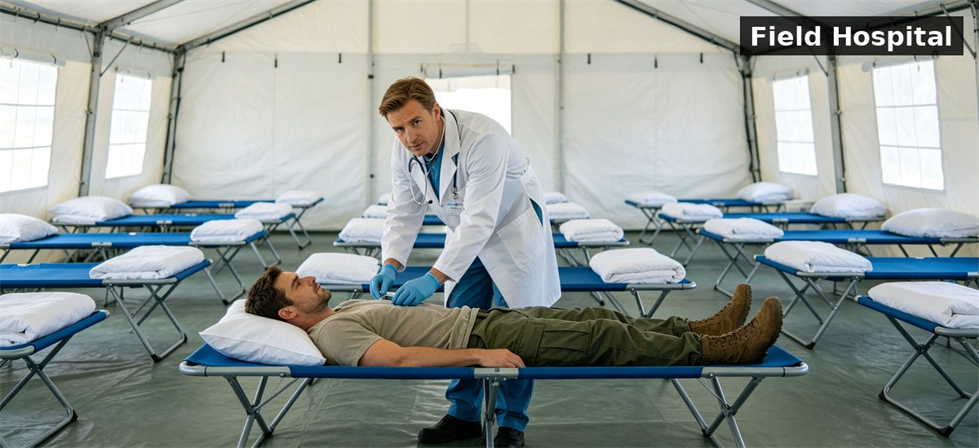


Bedding arranged in a field hospital for institutional emergency accommodation for B2B procurement


Are these products suitable for outdoor use without a tent?

Most shelter bedding is designed for use inside tents or buildings. PVC coated blankets and waterproof sleeping bags can tolerate brief outdoor exposure, but standard polyester items will absorb water and lose warmth. For outdoor deployment, specify waterproof outer layers and ground sheets.


What flame retardant standards should I request?

For US government orders: CFR 1633 (mattresses) and CPAI-84 (tents/bedding). For EU orders: EN ISO 12952 (bedding) and EN 13773 (curtains/draperies). For China domestic: GB 20286. Specify the standard in your order — flame retardant treatment is an add-on process, not standard on all items.
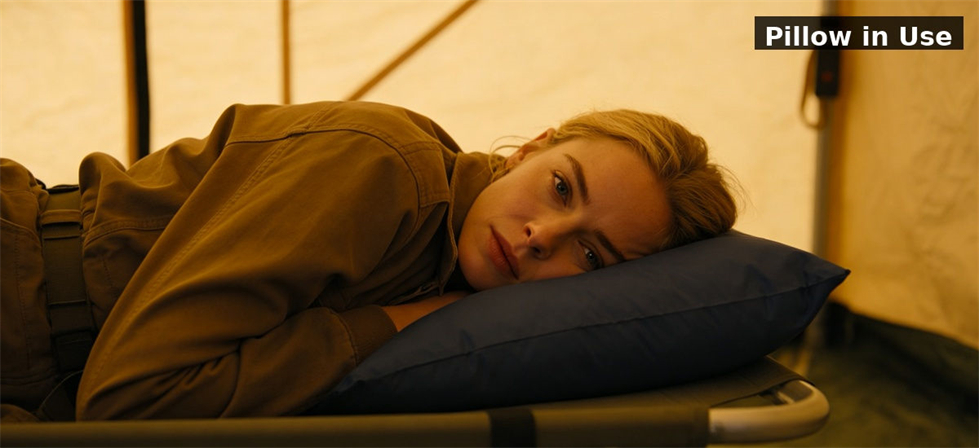


Pillow used in a temporary shelter for practical bedding configuration review for B2B procurement


How do I inspect a bulk delivery of bedding?

Check carton labels against packing list first. Then open 5-10% of cartons per SKU and verify: dimensions (measure 3 pieces), weight (weigh 5 pieces), material (feel and check label), stitching (pull seams), zippers/valves (test function), and color (compare to approved sample). Record discrepancies and notify supplier before distribution.


Can I get custom labels or branding on these products?

Yes. Woven labels, printed care labels, hang tags and carton printing are available for orders above minimum quantities (typically 500 pieces per SKU). Provide your artwork in AI or PDF format. Allow 5-7 extra working days for custom label production. Donor logos and project codes are common for humanitarian orders.
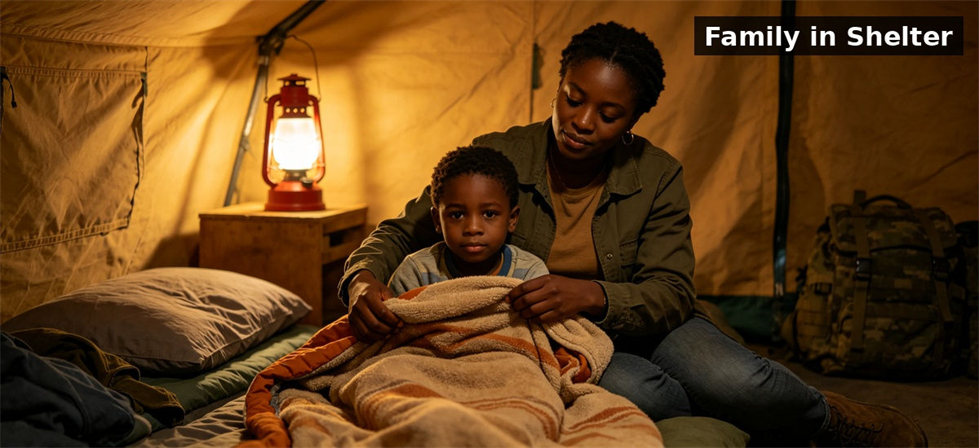


Family using emergency bedding inside a temporary shelter during relief operations


What is the difference between LLIN and standard mosquito nets?

LLIN (Long-Lasting Insecticidal Net) is pre-treated with insecticide (deltamethrin or permethrin) that lasts 3-5 years of washing. Standard nets are untreated and require regular re-treatment. LLINs cost more but are recommended for malaria-endemic areas. Check WHOPES certification for aid agency procurement.


How do I calculate towel quantities for a 3-month operation?

Plan 1 compressed towel per person per week for basic hygiene. For 500 people × 12 weeks = 6000 towels. Add 10% reserve = 6600 towels. For facilities with showers, increase to 2 per person per week. Specify 30g face towels for general use, 50-80g bath towels if showers are available.


What information do I need for a quotation?

Send: product list with quantities, shelter type and climate, occupant profile (adults/children/medical), required standards/certifications, destination country, target delivery date, and any custom requirements (labels, packaging, colors). The more detail you provide, the more accurate the quote and the fewer surprises during production.


Ready to Specify Your Shelter Bedding Order?
Send us your shelter type, occupant count, climate and product list. We will recommend the right product mix, confirm specifications and provide a project quotation.
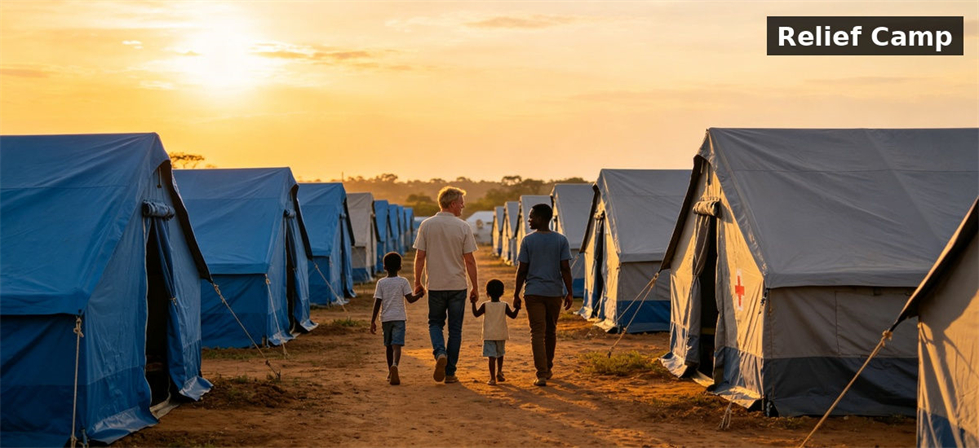


Emergency relief camp bedding layout shown for final procurement and deployment review


Download Catalog

Full shelter bedding product range

WhatsApp Us

Fast response for urgent orders


YRF Textile · Disaster Shelter Bedding Guide · Tel/WhatsApp: +86 13702995607 · Email: info@yrftextile.com · China


حقوق النشر © Custom Disaster - Relief Bedding: Tents, Sleeping Bags, Blankets كل الحقوق محفوظة

ترك رسالة

    إذا كانت لديك أسئلة أو اقتراحات ، فالرجاء ترك لنا رسالة ، وسوف نقوم بالرد عليك في أقرب وقت ممكن!


الفريق المحترف للخدمة !