التصنيفات
Last updated: September 2026 | Reviewed by bedding procurement specialist | ~8 min read
A three-piece emergency bedding set normally includes one sheet, one duvet cover, and one pillowcase. This bed linen format (also called a bedding bundle or sleeping kit) is the standard for field hospital procurement, disaster relief supply, and migrant reception projects worldwide. Aid agency tenders commonly specify this three-piece format because it simplifies warehouse inventory and reduces SKU count.
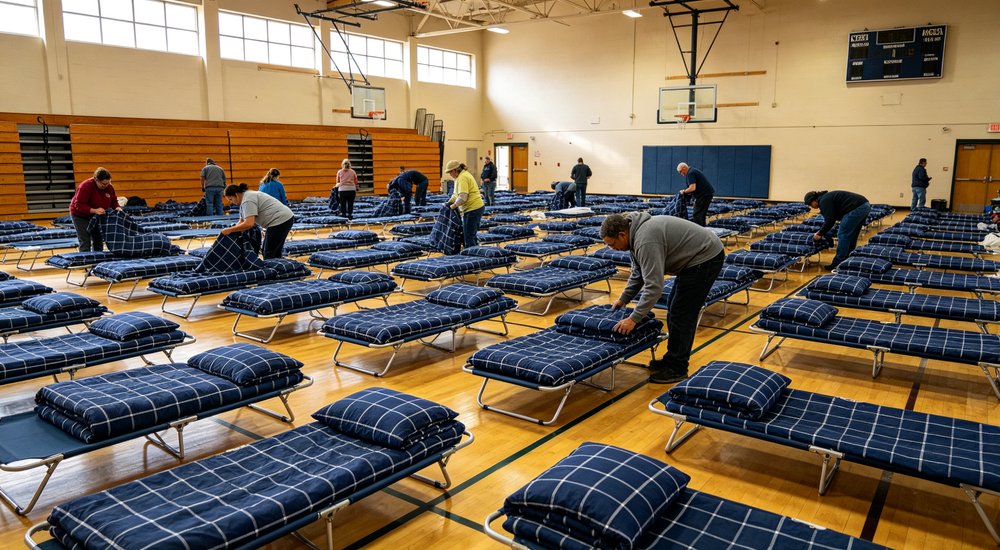
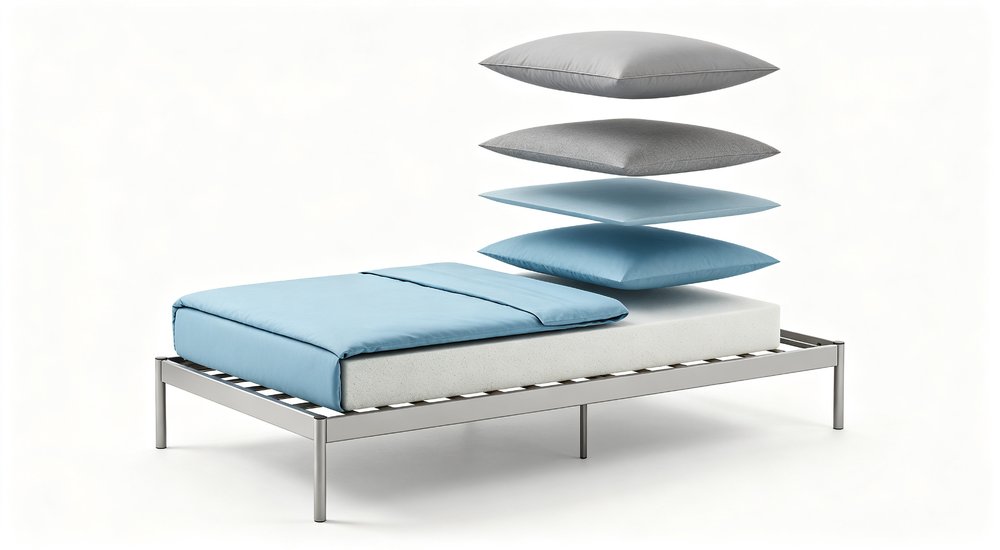
Short answer: For every three-piece emergency bedding set, confirm the bed surface, duvet insert, and pillow insert separately. Then define the sheet format and cover openings. Duvet inserts, pillow inserts, mattresses, and blankets are not included merely because they appear in an image.
A fully dressed-bed image can create the wrong expectation for any three-piece emergency bedding set. Require the supplier to list included and excluded items for the three-piece emergency bedding set separately. Keep the three-piece emergency bedding set quotation, sample label, and packing list consistent. Do not rely on "three-piece" or "four-piece" alone when ordering a three-piece emergency bedding set — set-count naming differs between markets, while a component list remains clear.
1. The 3 components and what each matches
2. How bed formats change the set
3. Why 3 separate measurements matter
4. Component-level fabric selection
5. Closures, seams and construction
6. Sample verification with pass/fail standards
7. 5 common procurement mistakes
8. Frequently asked questions
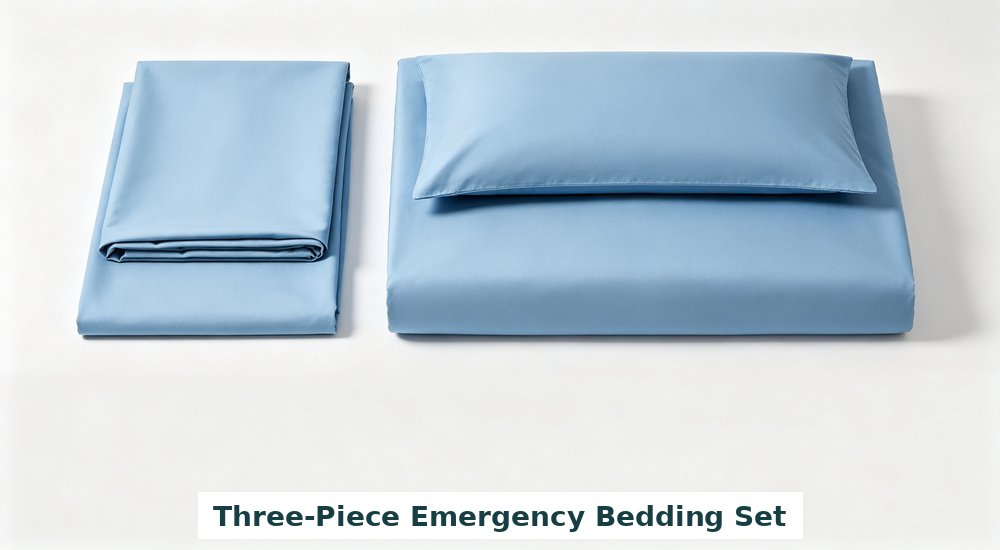
The first component of a three-piece emergency bedding set is a sheet for the mattress, folding bed, or sleeping surface. These bedding set components must match the actual bed, not a generic size label. The second is a duvet cover for the duvet insert — follow this duvet cover size guide and match the insert dimensions, not the bed width. The third is a pillowcase for the pillow insert, which this pillowcase size guide covers with length, width, and thickness matching.
Sheet
Must match: The mattress, folding bed, or actual sleeping surface.
Confirm first: Surface length and width, mattress depth, flat or fitted format.
Must match: The actual duvet insert.
Confirm first: Insert length and width, closure type, internal corner ties.
Must match: The actual pillow insert.
Confirm first: Insert length, width, thickness, envelope or zipper opening.
Duvet cover
Pillowcase
When ordering a three-piece emergency bedding set, duvet inserts, pillow inserts, mattresses, and blankets are normally separate products. Storage bags or spare pillowcases are included only when the packing list states them. For related guidance, see also our emergency relief bedding overview, temporary accommodation bedding selection guide, flat sheet vs fitted sheet comparison, and bedding fabric selection tips. Read more about bedding size measurement best practices.

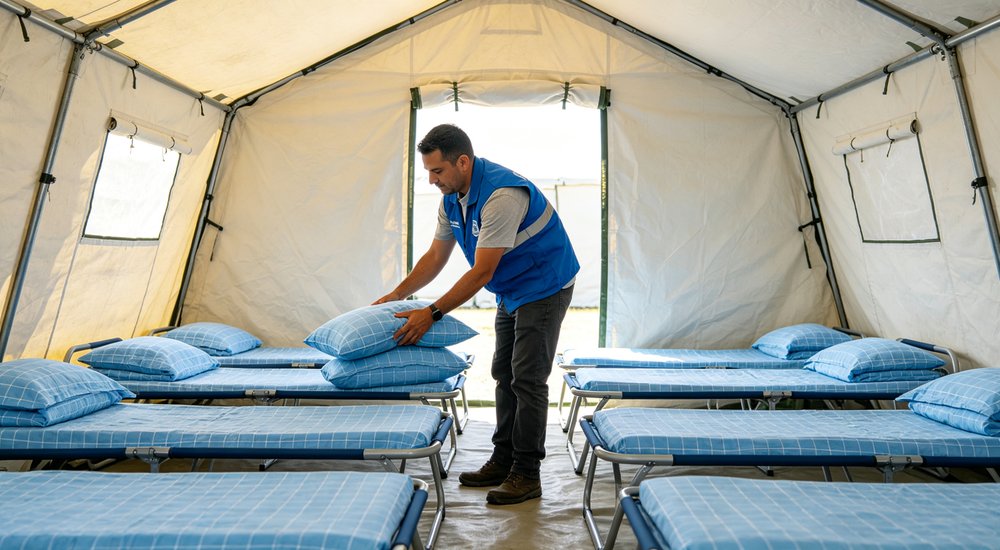
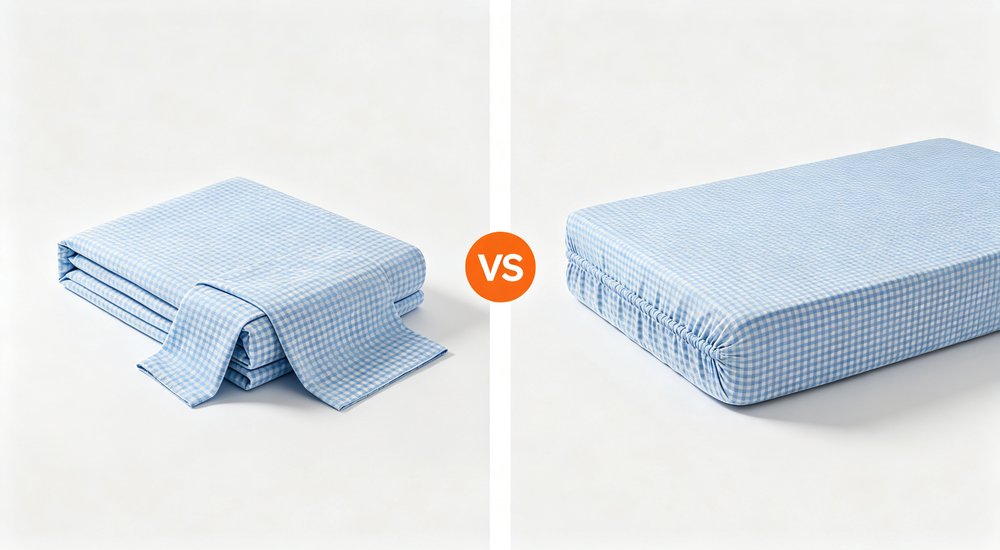
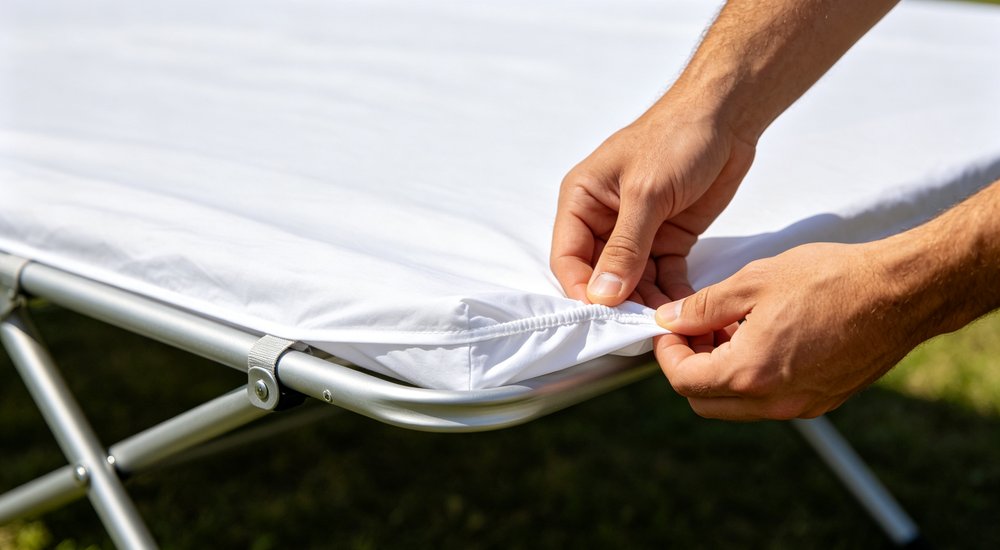
A camp cot, hospital trolley bed, bunk bed, and floor mat all look like "single sleeping surfaces," but each changes how the three components must be cut and assembled. A bedding set for folding bed use differs from one for fixed dormitory beds. A folding bed may have fabric surface or a thin pad. A bunk bed restricts access during fitting. A migrant reception centre may use mixed bed formats in the same hall — no single sheet size covers every bed.
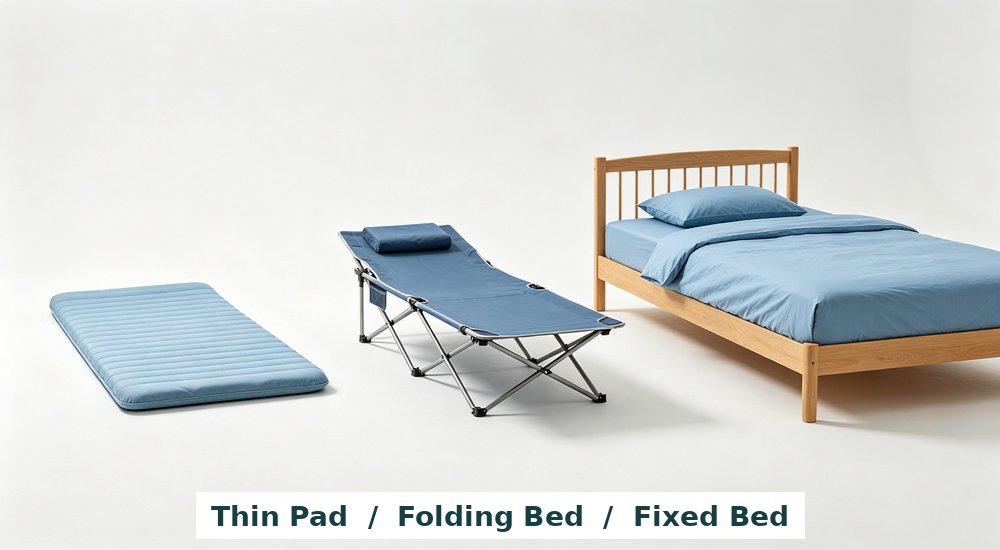
If your site has folding beds, thin pads, or mixed mattress depths → choose flat sheet (more flexible, easier to tuck).
If your site has fixed hospital beds with identical mattresses → fitted sheet works (stays in place, but must match depth exactly).
If mattress depth is unknown → never order fitted sheets. They will not install.
Group three-piece emergency bedding set requirements by bed format instead of counting only sleeping positions. Record surface length and width, mattress depth, usable tuck space, and expected stay length for each group. The supplier should return a proposed three-piece emergency bedding set sheet format and finished dimensions for every group, not one generic "single size."
For any three-piece emergency bedding set, bed width cannot determine the duvet cover size, and "single bed" does not identify local bedding dimensions. This bedding set measurement step is critical. Measure all three objects separately for every three-piece emergency bedding set. This prevents a sheet that is too narrow, a duvet cover that lets the insert shift, or a pillowcase that strains at the seams.
|
Component |
Must match |
Key measurements |
Common mistake |
|
Sheet |
Bed / sleeping surface |
Length, width, mattress depth |
Using "single bed" as a size |
|
Duvet cover |
Duvet insert |
Insert length, width, closure |
Matching to bed width instead of insert |
|
Pillowcase |
Pillow insert |
Length, width, thickness |
Ignoring pillow thickness |
Bed type
Typical width
Typical length
Mattress depth
Sheet format
Folding camp cot
70-80 cm
180-190 cm
5-10 cm thin pad
Flat sheet
Standard single bed
90-100 cm
190-200 cm
15-25 cm
Flat or fitted
Bunk bed
80-90 cm
180-190 cm
10-15 cm
Flat sheet (easier to change)
Thin floor mat
60-70 cm
180 cm
2-5 cm
Flat sheet only
Note: These are reference ranges only. Single bed dimensions vary by region — European singles are typically 90×200 cm, US singles 99×191 cm, and Japanese singles 97×195 cm. Always measure actual beds on site.
Record finished dimensions, tolerances, and post-wash requirements separately for each three-piece emergency bedding set component. State whether you will check factory-finished dimensions or dimensions after washing for the three-piece emergency bedding set. Use one measurement method for every three-piece emergency bedding set component.
Pass/fail standard: For repeated-wash projects, wash a sample using the intended method. Shrinkage under 3% is acceptable. Over 5% means the fabric or finishing process needs review.
Do not specify one fabric for all three components of a three-piece emergency bedding set. Each part has different performance requirements. This bedding fabric guide explains component-level selection.
|
Component |
Recommended fabric direction |
Why |
Watch for |
|
Sheet |
Cotton-polyester blend (most sites) or polyester (humid sites) |
Sheet takes the most abrasion from body contact and frequent changing. A blend balances durability and drying speed. |
For field hospital and relief use, target 120-150 GSM for sheets and 130-160 GSM for duvet covers. Under 110 GSM wears through quickly in high-turnover sites. |
|
Duvet cover |
Cotton-polyester or cotton (longer stays) |
Duvet cover needs softness next to skin but less frequent washing than the sheet. |
Pure cotton dries slowly in humid field conditions. Allow 24-48 hours without mechanical drying. |
|
Pillowcase |
Cotton or high-cotton blend |
Pillowcase contacts face and skin overnight. Higher cotton content improves comfort. |
100% polyester pillowcases can feel clammy in warm climates. |
No single fibre is automatically best for every three-piece emergency bedding set project. Compare composition, care instructions, shrinkage evidence, and colour performance using an actual three-piece emergency bedding set sample. For humid sites with limited drying, polyester microfiber dries in 6-8 hours and may be the practical choice despite lower breathability.
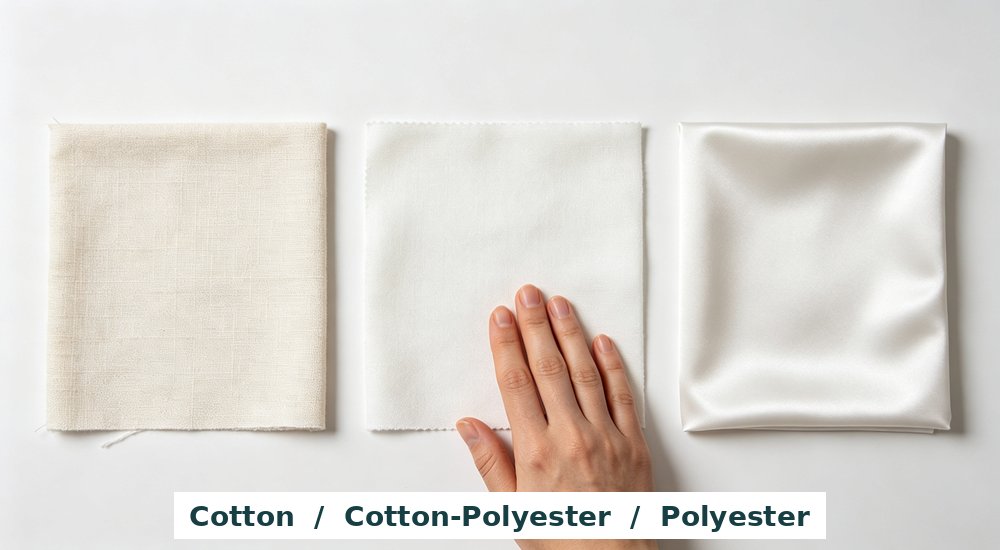
For a three-piece emergency bedding set in emergency and camp use, plain weave is the most common choice — it is durable, breathable, and economical. Twill weave feels softer and drapes better but costs slightly more. Satin weave is generally not recommended for high-turnover sites because it snags and shows wear more easily. Specify the weave in your three-piece emergency bedding set component schedule, not just the GSM.
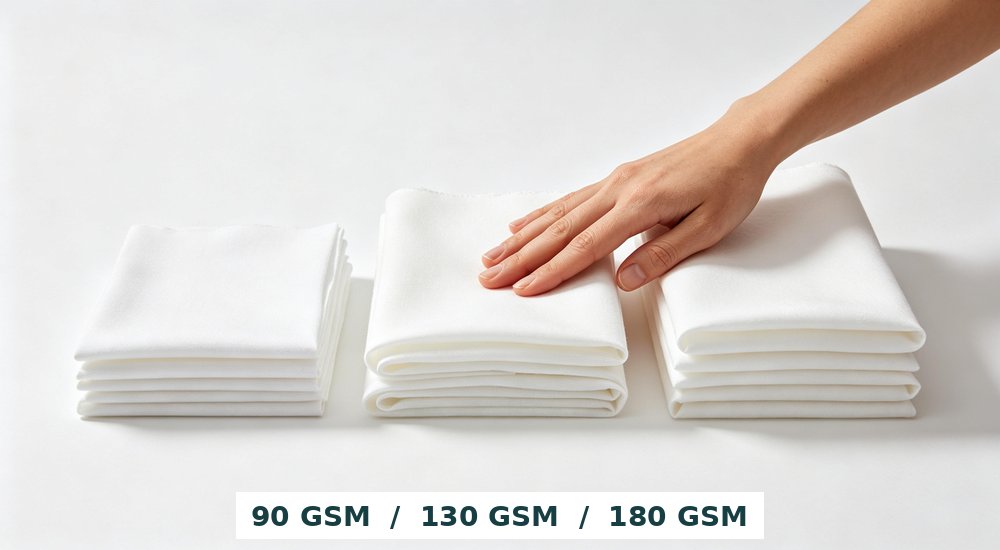
For three-piece emergency bedding set procurement in shelters and camps, ask the supplier about two additional specs that retail bedding does not always include:
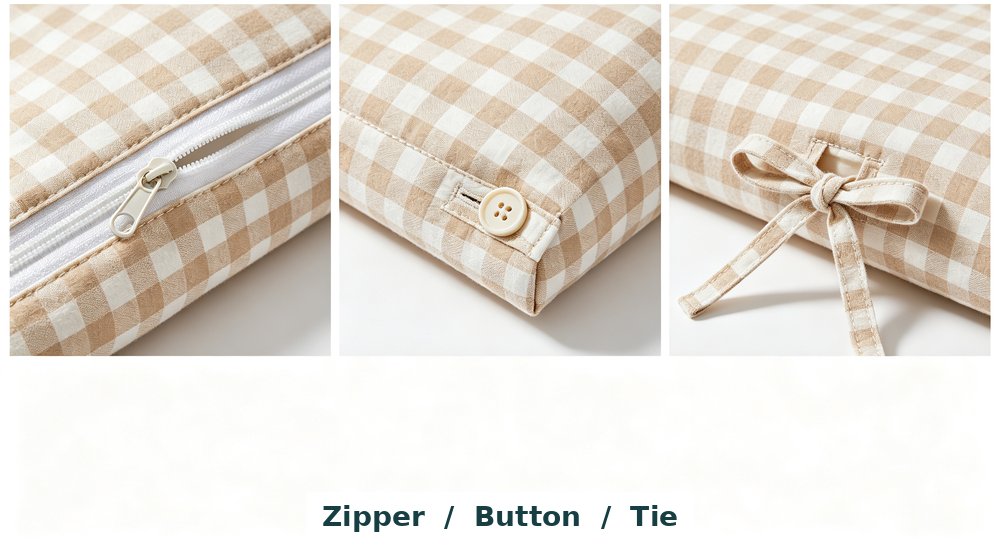
In a three-piece emergency bedding set, duvet cover closure types and pillowcase openings change insertion, closing, care, and replacement. Match the option to your three-piece emergency bedding set users, care method, and replacement frequency.
|
Closure type |
Best for |
Watch for |
|
Envelope (folded flap) |
High-turnover sites, no exposed hardware |
Flap may gap if pillow is too thick |
|
Zipper |
Longer stays, defined closure |
Metal zippers can break; check placement against skin |
|
Buttons |
Institutional use, individual replacement |
Buttons can detach; confirm spare buttons included |
|
Ties |
Low-cost, simple |
Ties can come undone; not ideal for high-frequency use |
Do not judge a zipper after one pull. Insert the duvet or pillow, close the opening, make the bed, remove the insert, and repeat. Check whether the opening turns outward, hardware contacts the user, corners bunch, or seams at load points distort. The supplier should state the three-piece emergency bedding set opening type, position, and any internal fixing structure in the component specification.
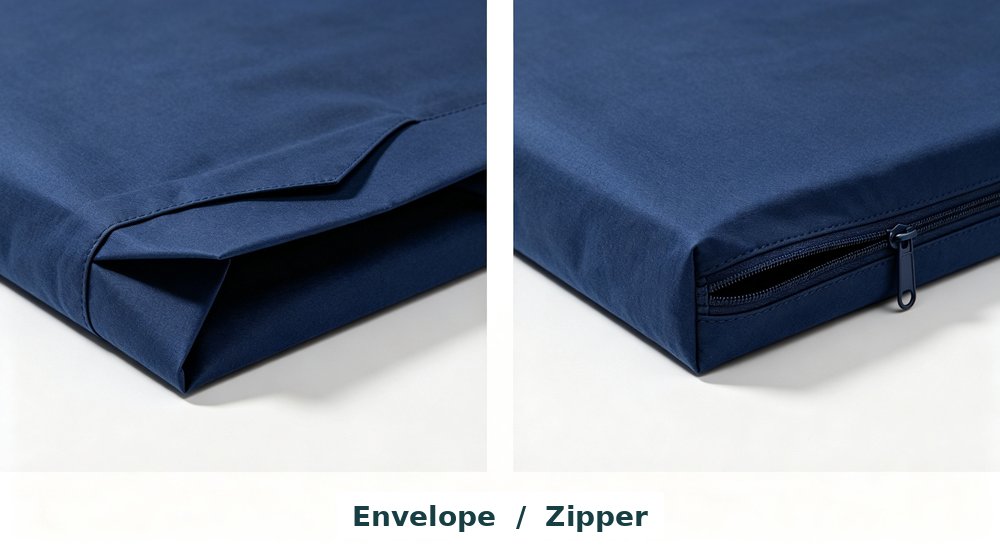
Identify the three-piece emergency bedding set sample before testing. This bedding sample verification step records all three components, fabric direction, colour, individual dimensions, and openings. Then install the three-piece emergency bedding set on the actual project bed, duvet insert, and pillow — not flat on a table.
Step 1 — Sheet: Install on actual bed. Pass = covers all edges, stays in place after one night simulation. Fail = slides off, too narrow to tuck, or fitted sheet cannot reach corners.
Step 2 — Duvet cover: Insert duvet, close, shake. Pass = insert stays centered, corners align, closure holds. Fail = insert bunches to one side, closure gaps, or corner ties missing.
Step 3 — Pillowcase: Insert pillow, close. Pass = opening stays covered, no seam strain, pillow does not slide out. Fail = envelope gaps, zipper strains, or pillow too thick for the case.
After one install-and-remove cycle, decide whether the three-piece emergency bedding set also needs a bedding set care test with repeated washing. When the three-piece emergency bedding set fit is wrong, identify the affected component and measurement instead of rejecting the entire set. A three-piece emergency bedding set sample result applies only to the same configuration — changing fabric, format, opening, or size mix requires another review.
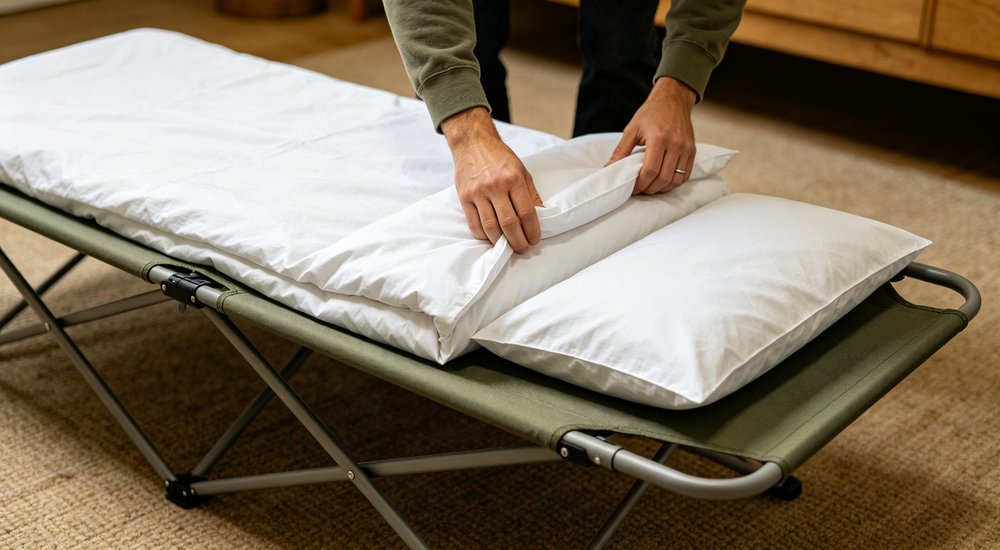
Once the three-piece emergency bedding set pre-production sample is approved, ask the supplier to sign and seal one complete set. Keep this sealed sample as the reference. When three-piece emergency bedding set bulk goods arrive, compare the first carton against the sealed sample for fabric weight, colour, dimensions, and construction before accepting the shipment.
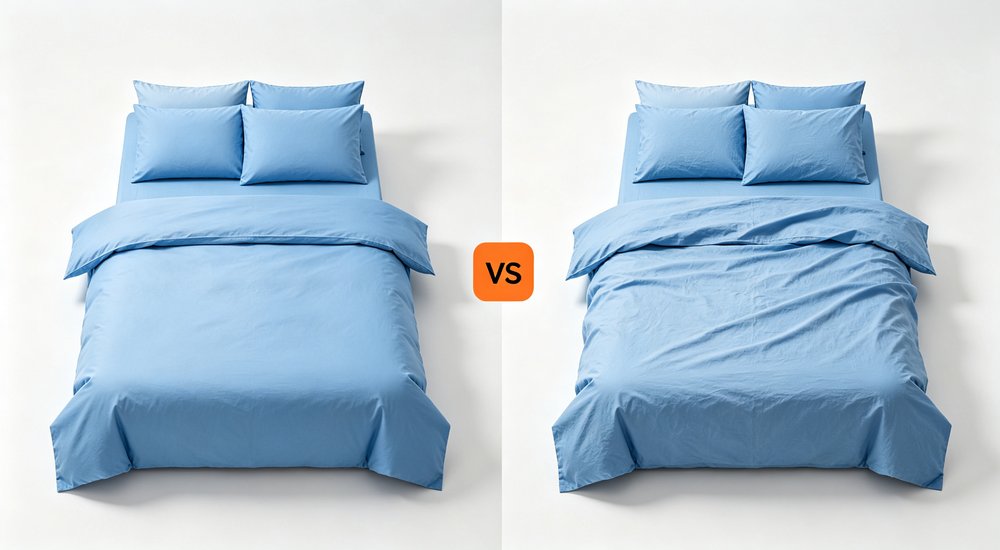
A usable bedding component schedule for a three-piece emergency bedding set has a separate row for each component. Each row states the three-piece emergency bedding set component name, quantity per set, finished dimensions, material direction, colour, and opening format. Also list excluded items for the three-piece emergency bedding set — duvet inserts, pillow inserts, mattresses, blankets, storage bags. If you need them, add separate product rows rather than hiding them in the set description.
Enquiry template (copy and send):
Project: [name and location]
Bed format groups: [folding bed / bunk / fixed bed — quantity each]
Component 1 — Sheet: format [flat/fitted], finished size [L×W], mattress depth [cm]
Component 2 — Duvet cover: insert size [L×W], closure [zipper/button/tie/envelope]
Component 3 — Pillowcase: insert size [L×W×thickness], opening [envelope/zipper]
Fabric direction: [cotton / cotton-polyester / polyester], GSM target
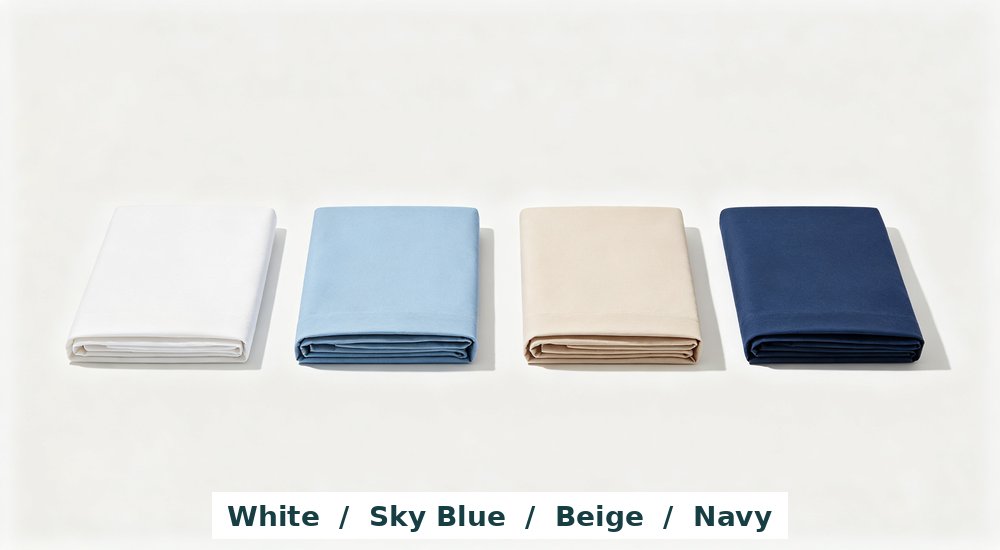
Colour: [sky blue / navy / grey check / other]
Quantity: [sets per group]
Care conditions: [wash temperature, drying method, frequency]
Special requirements: [flame resistance / hot-wash tolerance / other]

Colour consistency note: For three-piece emergency bedding set orders over 500 sets, require the supplier to dye all fabric in one batch. Different production batches can show visible colour differences, which becomes obvious when sets are distributed side by side in a reception hall.
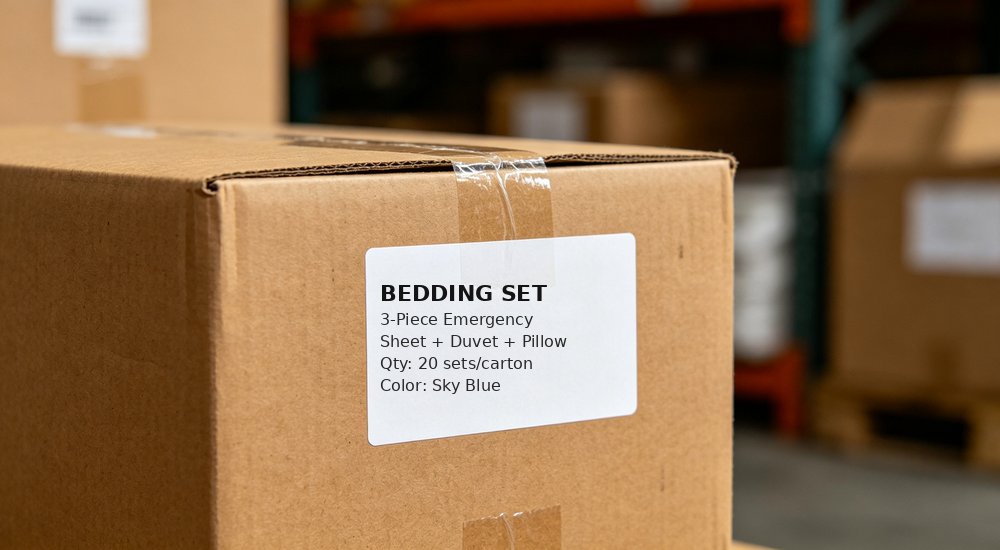
Specify how each three-piece emergency bedding set is packed before ordering. A common configuration is one set per polybag, then 20-40 sets per export carton. The carton label should state the component list, sizes, colour, and quantity — not just "bedding set."
For mixed-size three-piece emergency bedding set orders, require separate cartons per bed group. This prevents distribution errors at the destination. Ask the supplier to confirm carton dimensions and gross weight for your three-piece emergency bedding set logistics planning.
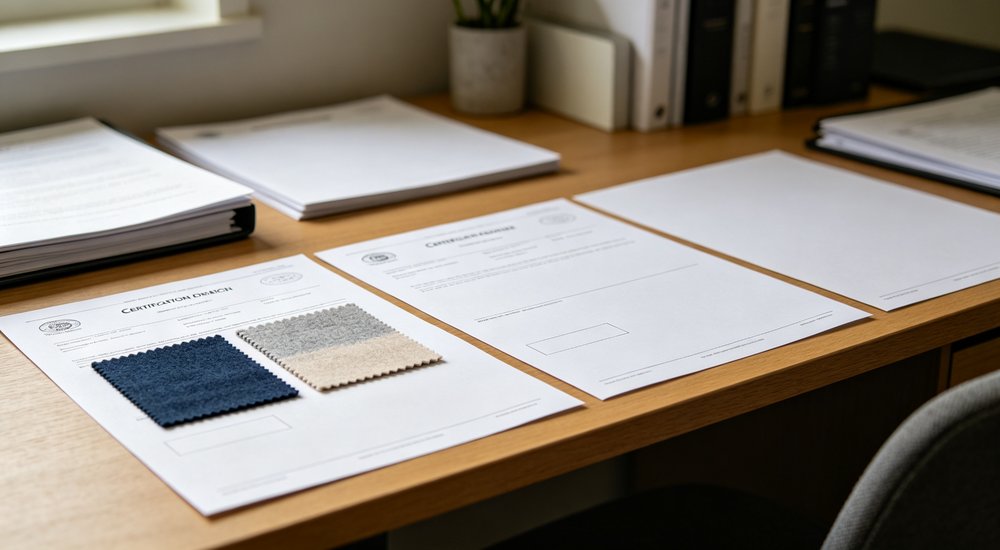
Ask the supplier to bind any certification to the actual product configuration. Relevant standards may include OEKO-TEX Standard 100 for textile safety, ISO 9001 for quality management, and specific flame-retardant test reports where required by the shelter operator. A certificate for a different product or fabric does not validate your three-piece emergency bedding set order.
Mistake 1 — Ordering a three-piece emergency bedding set by "single size" alone. "Single bed" means different dimensions in every market. Always send actual measurements.
Mistake 2 — Ignoring pillow thickness when specifying the three-piece emergency bedding set pillowcase. Two pillows with the same flat dimensions can fill a case very differently. Always include thickness in the pillowcase spec.
Mistake 3 — Skipping three-piece emergency bedding set sample testing before bulk ordering. A set that looks right on paper may not fit your actual beds. Test before bulk ordering.
Mistake 4 — Mixing three-piece emergency bedding set components from different suppliers. Sheet from one factory, duvet cover from another, pillowcase from a third means colour and fabric will not match. Keep all three components under one supplier.
Mistake 5 — Not specifying post-wash dimensions for the three-piece emergency bedding set. Factory-finished size and after-wash size are different. State which one you are checking, and require wash-test data for repeated-care projects.

Usually, it does not. A three-piece emergency bedding set normally means one sheet, one duvet cover, and one pillowcase. The duvet insert and pillow insert are separate filled products. This configuration is suitable when your project already has compatible inserts. If inserts are missing, the three-piece emergency bedding set is not a complete ready-to-sleep package — list every required item in the enquiry.
No. Single beds can use different platform widths, mattress thicknesses, duvet inserts, and pillows. One three-piece emergency bedding set fits only when all three matching dimensions are compatible. Measure the bed surface, duvet insert, and pillow insert separately for the three-piece emergency bedding set, then request finished dimensions and tolerances for each component.
Not automatically. The cover needs practical allowance for inserting and normal care, but excessive space lets the insert move or bunch to one side. Send the actual insert dimensions and care conditions for the three-piece emergency bedding set. Test insertion, corner alignment, closure, and post-wash fit on a sample before confirming bulk dimensions.
No. Pillow thickness also changes how tightly the case fits, whether the opening stays covered, and how much stress reaches the seams. A thin pillow may move inside an oversized case, while a thick pillow may force an envelope opening outward or strain a zipper. Provide length, width, and approximate thickness for the three-piece emergency bedding set pillowcase.
It can be discussed as a project configuration, but suitability depends on bed groups, quantities, identification, production, and packing. Separate the three-piece emergency bedding set order by component size, colour, and quantity. Ask the supplier to return a matching packing and identification method for every group. Do not assume mixed packing or minimum quantities are fixed until the current commercial scope is reviewed.
Bedding MOQ must be confirmed under the current commercial conditions for the selected fabric, colour, component dimensions, marking, packing, and total quantity of the three-piece emergency bedding set. Standard and customized sets should not automatically use one quantity. Send a complete component list, quantity by size, destination, and customization requirements. The supplier can then return an applicable order threshold.
Define all three components of the three-piece emergency bedding set, their finished dimensions, material direction, colour, opening structure, quantity, customization, packing, and destination. A schedule for a standard set may not apply to mixed sizes or custom markings. Keep the final date in the current quotation or order record rather than copying a generic period from another project.
Custom colours and markings for a three-piece emergency bedding set can be requested as options, but they are not fixed features until the method and order conditions are confirmed. They can help distinguish accommodation zones or institutional property. Provide the target colour, artwork file, marking dimensions, placement, quantity, and washing expectations. Avoid implying an official endorsement through an unauthorized emblem or agency name.
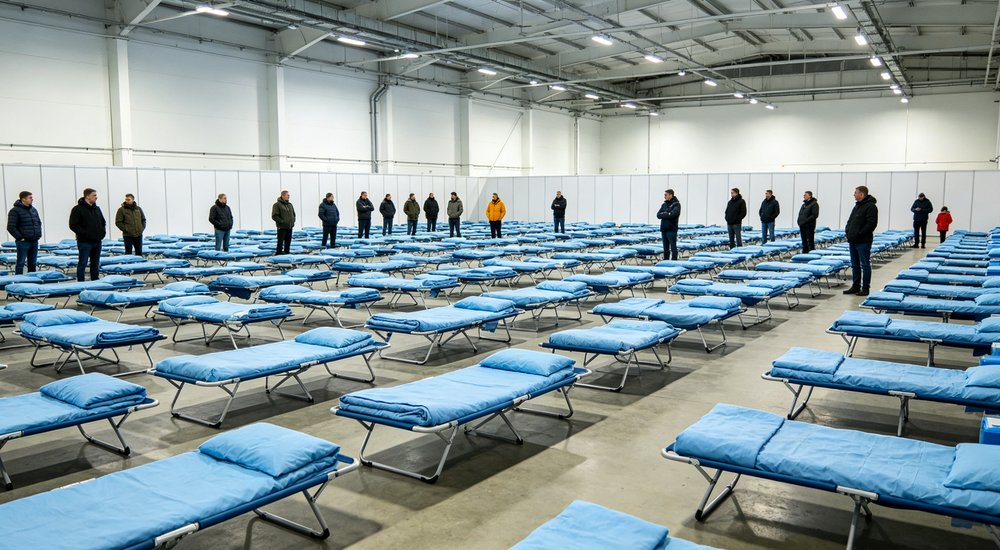
Used in field hospital and disaster relief procurement worldwide
Ready to specify your three-piece emergency bedding set?
Use the enquiry template above to send three-piece emergency bedding set component-level specs by bed group. This bedding set procurement guide approach ensures every component fits the actual site. You will receive a three-piece emergency bedding set component schedule, sample verification plan, and comparable quotation inputs within one business day. Every order starts with accurate component-level specifications — this prevents mismatched sheets, covers, and cases from arriving together.
روابط ودية :
حقوق النشر © Custom Disaster - Relief Bedding: Tents, Sleeping Bags, Blankets كل الحقوق محفوظة
الفريق المحترف للخدمة !