التصنيفات
Updated: November 27, 2026 | By YRF Emergency Supplies Team | Reviewed by Former Volcanic Disaster Response Coordinator
There are about 1,500 active volcanoes on Earth, and about 50 erupt each year. Volcanic hazard guidance notes that fine ash can cause serious respiratory problems, especially for children and people with asthma.
When a volcano erupts, it doesn't just spew lava—it sends ash plumes 10-20 miles into the sky that drift hundreds of miles, covering towns in fine, toxic ash. That's why every community near an active volcano needs a volcano emergency kit ready before the eruption warning comes.
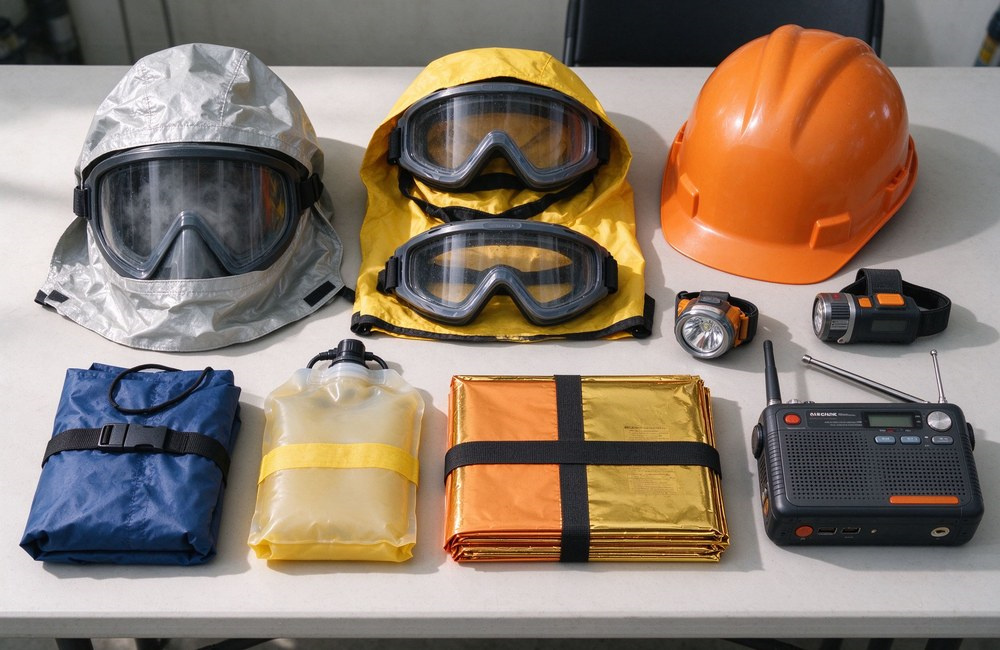
Complete volcano emergency kit flat lay with smoke hoods, goggles, safety helmet, emergency blanket, water pouch and weather radio on white table
|
|

|
Table of Contents
1. Why Volcano Preparedness Matters
2. Volcanic Hazards You Need to Prepare For
3. Volcano Emergency Kit Essentials
4. Ash Fall Protection: The #1 Concern
5. Evacuation & Shelter Supplies
6. Rescue Team & Community Supplies
7. Common Volcano Prep Mistakes
How to Care for Your Gear
9. How to Choose a Supplier
10. Our Quality Promise
11. Final Thoughts
Statistics and Real-World Impact
Who Needs Volcano Preparedness
FAQ
Volcanic eruptions are predictable—usually. Scientists give weeks or months of warning before a major eruption. But when it happens, it happens fast: ash falls for days, power goes out, water gets contaminated, roads get closed, and you might be stuck at home or in a shelter for a week or more.
Authorities recommend that every household within 100 miles of an active volcano keep a 14-day supply of food, water and medicine on hand. Ash fall does not merely soil a house—it clogs engines, damages crops, makes breathing difficult, and can overload roofs. Follow NWS general emergency preparedness guidance when a warning is issued.
The ash is fine, glassy, and toxic—bad for your lungs, your car, and your house. That is why proper ash fall survival planning is non-negotiable for anyone living in a volcanic zone, and why a complete volcano emergency kit should wait by the door.
Whether you live near a volcano, work on a mountain, or are part of a community emergency response team, having the right volcanic eruption preparedness supplies ready means you don't have to run to the store when the ash starts falling.
Pro Tip: Ash fall can last for days or even weeks. You need enough supplies to stay home and sealed up for at least 14 days. Don't wait until the ash is falling to buy supplies—every store within 200 miles will be sold out within hours.
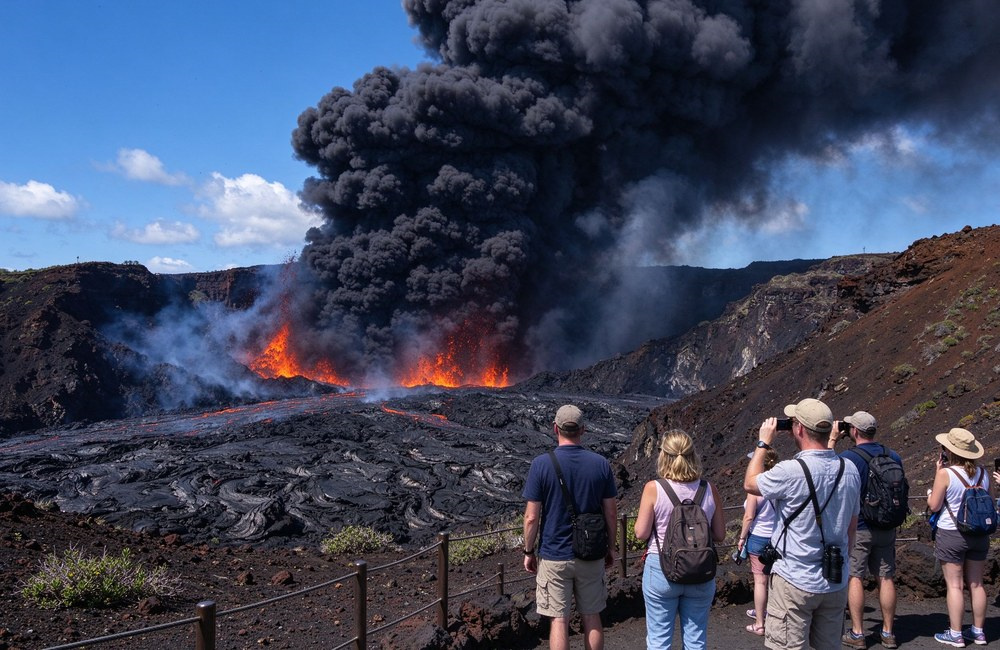
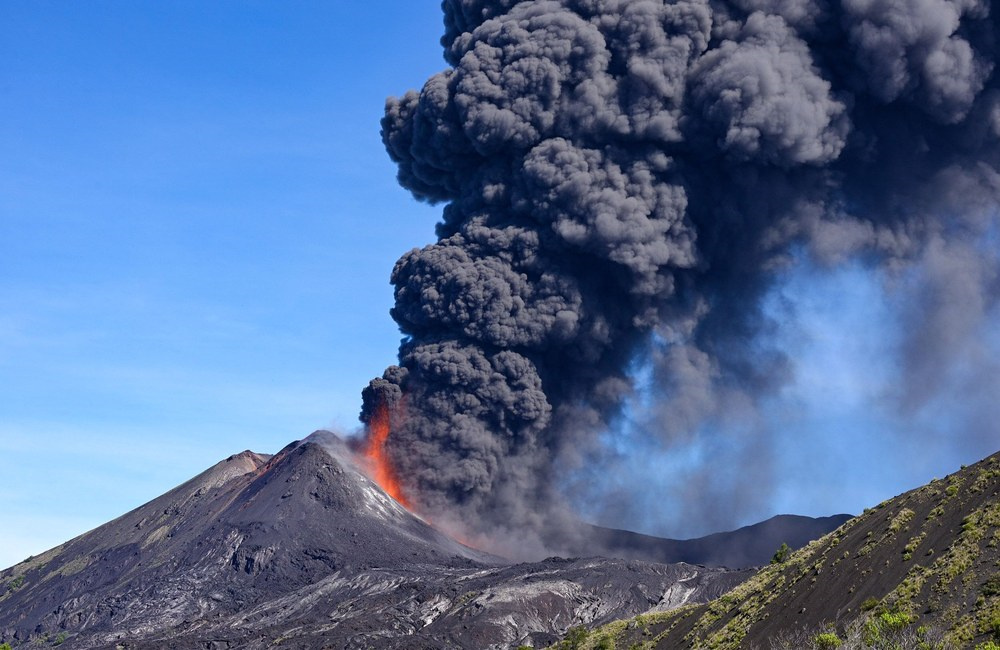
Tourists viewing dramatic volcano eruption with lava fountains and black ash plume, volcano safety awareness scene
Key difference: A smoke hood covers 15-minute emergency evacuation; sealed goggles protect during daily ash cleanup. Use both to protect airways and eyes.
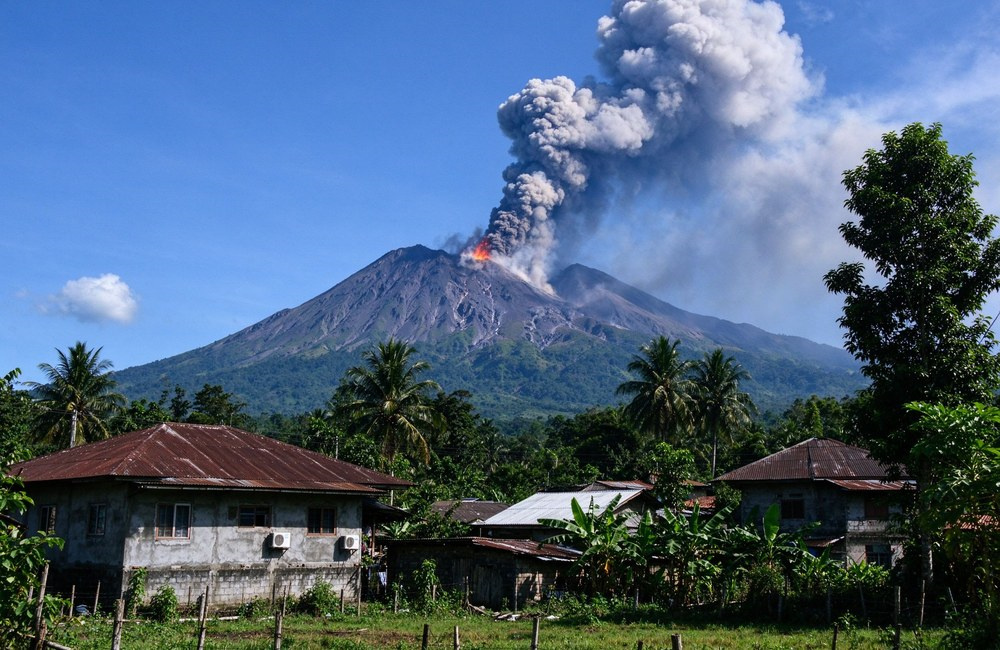
Volcanoes don't just send lava. They send all kinds of dangerous stuff: Ash fall: Fine glassy ash that falls for hundreds of miles. Bad for lungs, bad for engines, bad for roofs. Pyroclastic flows: Superheated gas and rock that races down the mountain at 100+ mph.
You can't outrun these—you have to evacuate before they come.
Lahars: Mudflows of ash and water that flow down river valleys. They can happen even when the volcano isn't erupting, just from rain on loose ash. Volcanic gases: Sulfur dioxide, carbon dioxide, hydrogen sulfide. Bad to breathe, can kill you in high concentrations.
Most people who live near volcanoes don't have to worry about lava or pyroclastic flows—they have to worry about ash fall. That's what your ash fall survival kit should focus on: breathing protection, sealing up your house, and staying comfortable while you wait for the ash to clear.
Good ash fall survival preparation means you don't have to run to the store when the ash starts falling.
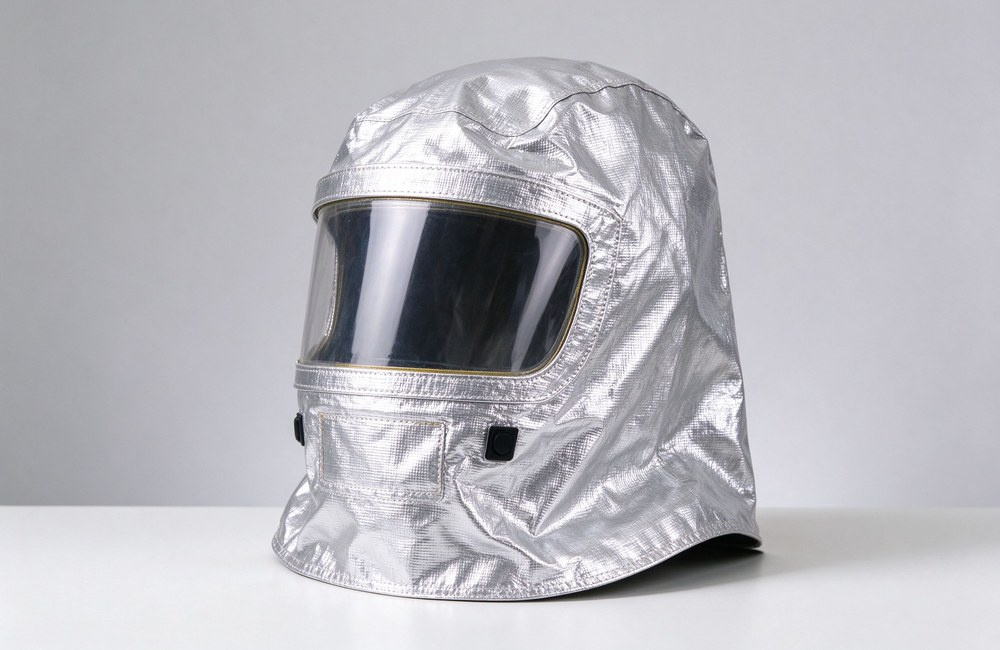
Silver EN403 aluminized smoke hood with clear visor for volcanic ash emergency evacuation, 99.9% particle filtration respiratory PPE hood for ash‑fall emergency events
Here's what every volcanic safety supplies kit should have, broken down by category. A Red Cross survival kit supplies checklist is a useful baseline. We focus on items that actually help during an ash fall event—not gimmicks.
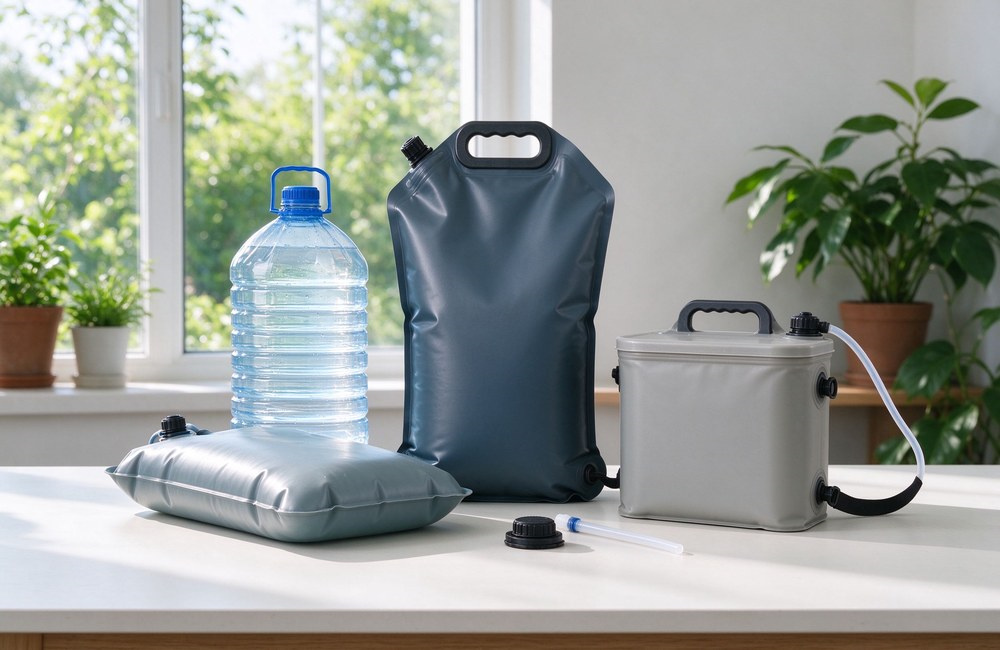
Size guide: Families use 20L collapsible tanks; relief camps use 5000L bladders. Stock by headcount and days of autonomy.
Volcanic ash is fine, glassy, and bad for your lungs. Breathing it in is like breathing in tiny glass shards. Proper ash mask protection equipment is the first line of defense.
You need protection: Respiratory protection: Our EN403 smoke hoods filter out particulates perfectly for volcanic ash. They're not just for fires—they're perfect for ash fall events when regular N95 masks are sold out.
Safety goggles: Ash gets in your eyes and scratches them. Sealed goggles (not regular eyeglasses) are a must. Disposable gloves: For cleaning ash off surfaces—ash is abrasive and irritating to skin.
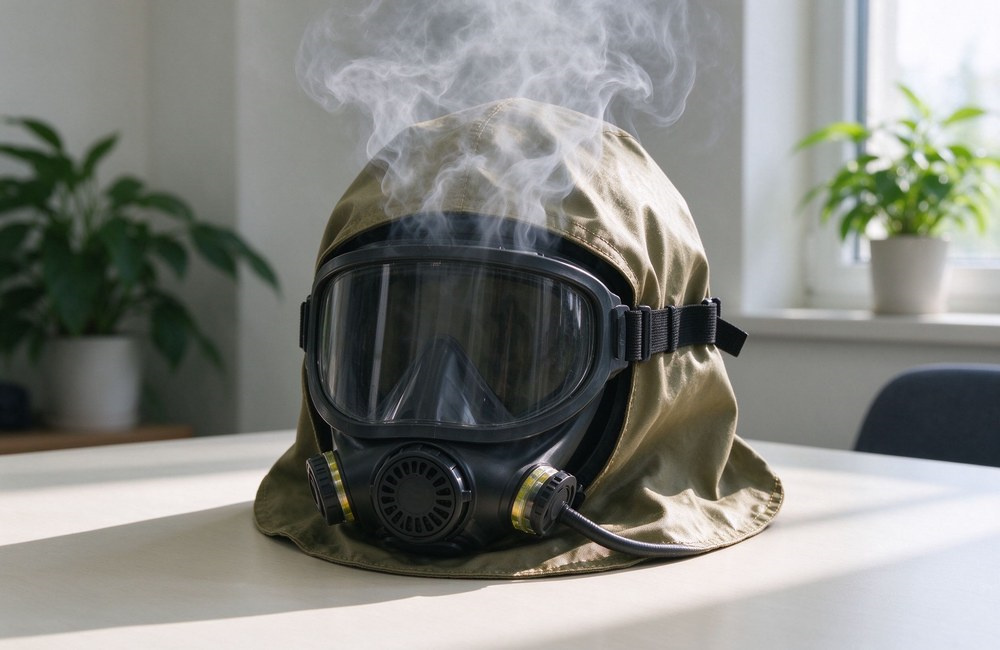
Smoke hood and sealed safety goggles combo on white background, volcanic ash PPE respiratory and eye protection gear for emergency evacuation
PPE reminder: Hard hats protect the head from falling ash and debris; orange rain gear protects against volcanic ash rain. Full PPE is not optional.
When ash is falling, you seal up your house and stay inside. You need supplies to seal it up: Plastic sheeting and tape: To cover windows and seal doors. We supply heavy-duty plastic sheeting for home sealing. Wet rags and mops: To wipe down surfaces when you need to go outside. Ash gets everywhere.
Roof rake: Ash gets heavy—6 inches of ash weighs 10-15 pounds per square foot. It can collapse roofs. You need to rake it off.
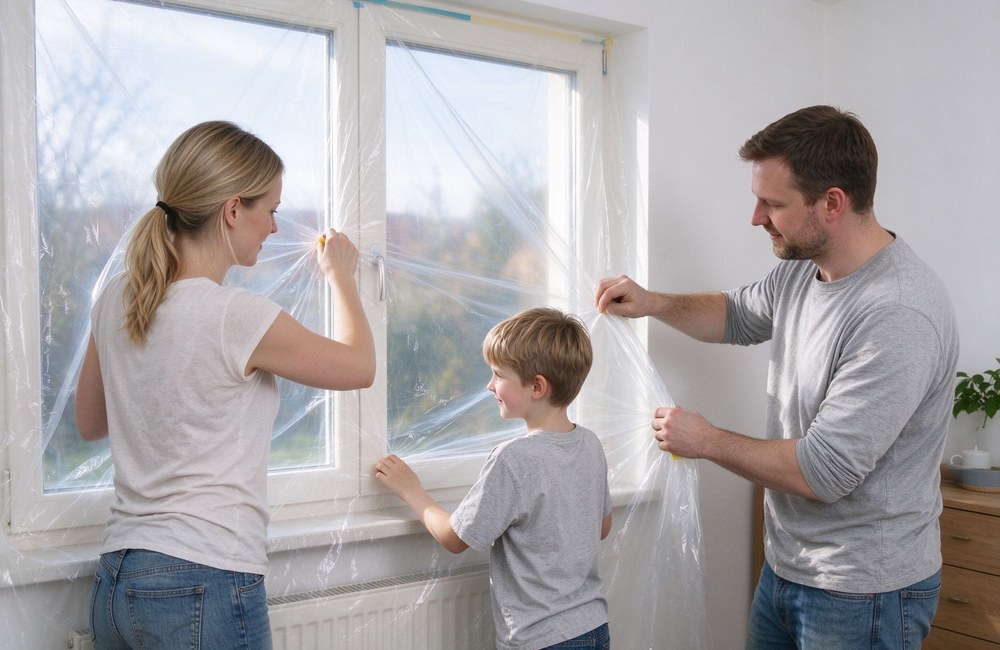
Family sealing windows with plastic sheeting and tape to block volcanic ash, home preparation step
|
Category |
Essential Items |
Why You Need It |
|
Breathing Protection |
EN403 smoke hoods, goggles, gloves |
Keep ash out of your lungs and eyes |
|
Home Sealing |
Plastic sheeting, tape, wet wipes |
Keep ash out of your house |
|
Warmth & Comfort |
Blankets, sleeping bags, rain gear |
Stay comfortable when power is out |
|
Light & Power |
Headlamps, hand-crank radio, power bank |
Power goes out during ash fall |
|
Water & First Aid |
Foldable water tanks, first aid kit |
Water supply gets contaminated |
Above: Summary of core items in a complete volcano emergency kit for households near active volcanoes. Use this table as your packing checklist, and add quantities based on your family size and distance to the vent.
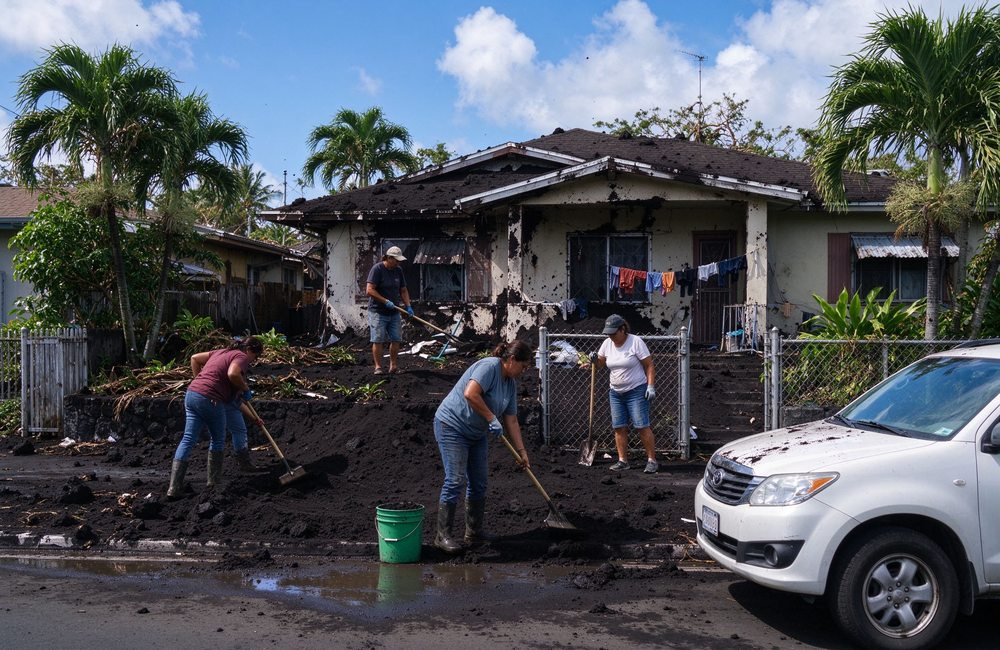
Ash fall is the biggest volcanic hazard for most people. It's not like regular dust—it's fine, abrasive, glassy, and toxic. Here's how to protect yourself:
Don't wear contact lenses during ash fall.
Ash gets under your contacts and scratches your corneas. Wear glasses or goggles instead. And don't try to clean ash off your face with your hands—wash it off with water.
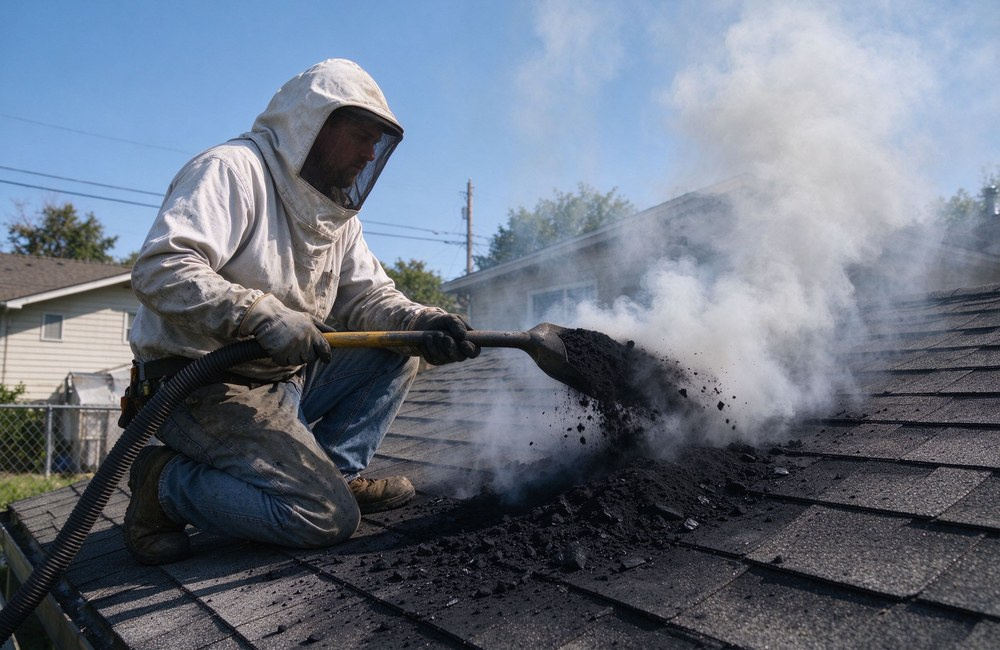
Some volcanic eruptions in history show just how important preparation is: Mount St. Helens (1980): 57 people died, ash fell in 11 states. People who lived nearby weren't ready for the ash fall and the pyroclastic flow. Eyjafjallajökull (2010): Ash shut down European airspace for a week. 10 million travelers stranded.
It wasn't a huge eruption, but the ash was fine and went right into jet engines. Pinatubo (1991): The second largest eruption of the 20th century. 800 people died, mostly from roofs collapsing under ash weight. Scientists predicted it, and 60,000 people were evacuated—this is why preparation works.
The Pinatubo eruption is the model for what good preparation looks like. Scientists saw it coming, officials evacuated, and thousands of lives were saved. But even with warning, people who didn't have emergency kits suffered more. Ash fell for days, power went out, water got contaminated, and people who had supplies on hand were much better off.
Ash is terrible for cars. It gets in the engine air filter and clogs it. It scratches your paint and your windows. It gets in your brakes and makes them slip. Here's what you need to know: Don't drive during ash fall: Unless officials tell you to evacuate, stay inside. Driving stirs up ash and clogs your engine.
If you have to drive: Keep windows up, recirculate air, change your air filter as soon as you can. Cover your car: If you can park it in a garage, do that. If not, cover it with a tarp. Ash scratches paint.
|
Amount of Ash |
Weight per Square Foot |
What Happens |
|
1 inch |
2-3 pounds |
Annoying, messy, but no structural risk |
|
3 inches |
6-9 pounds |
Start raking it off—roofs can handle it, but don't let it build up |
|
6 inches |
10-15 pounds |
Roof collapse risk—rake immediately |
|
12 inches |
20-30 pounds |
Major roof collapse risk—evacuate if you haven't already |
Above: How heavy volcanic ash gets after a few days of rain. This is why you need to rake it off your roof and gutters regularly—wet ash loads can collapse structures and block drains.
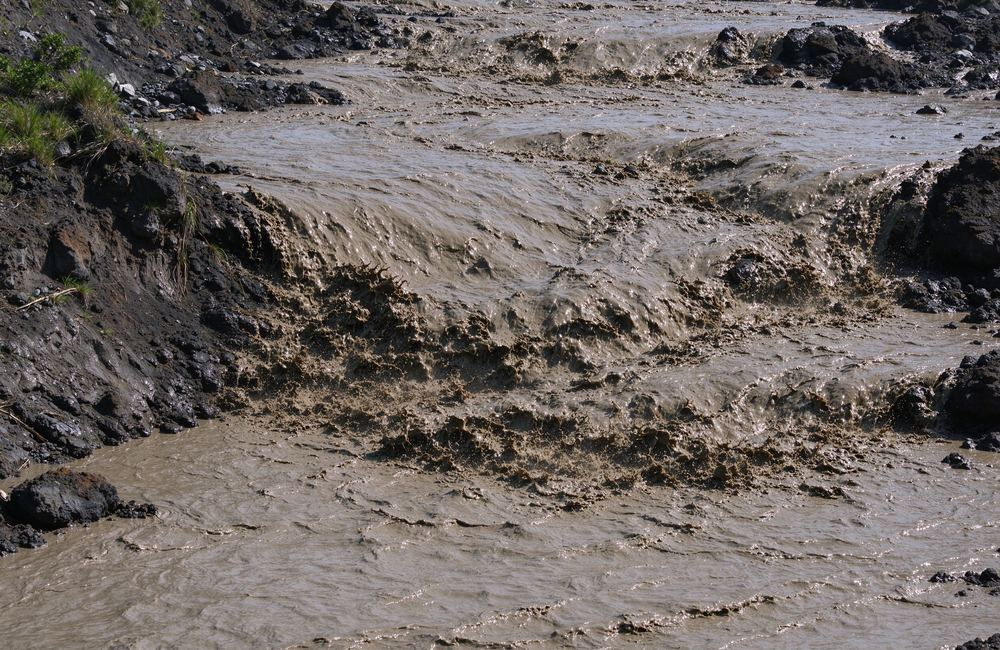
Lahar mudflow flowing through volcano terrain carrying ash and debris, secondary volcanic hazard
Not everyone is affected the same way by volcanic ash. Hazard guidance identifies these groups as most at risk: People with asthma or other respiratory conditions: Ash can trigger severe asthma attacks. They need extra protection and should stay inside completely. Children: Kids breathe faster and play outside more—they're exposed to more ash.
Keep them inside, and make sure they have proper PPE if they have to go out. Elderly people: They're more likely to have heart or lung conditions. They should stay inside and have enough supplies on hand. Outdoor workers: Farmers, construction workers, and delivery people who have to work outside during ash fall need proper respiratory protection and eye protection.
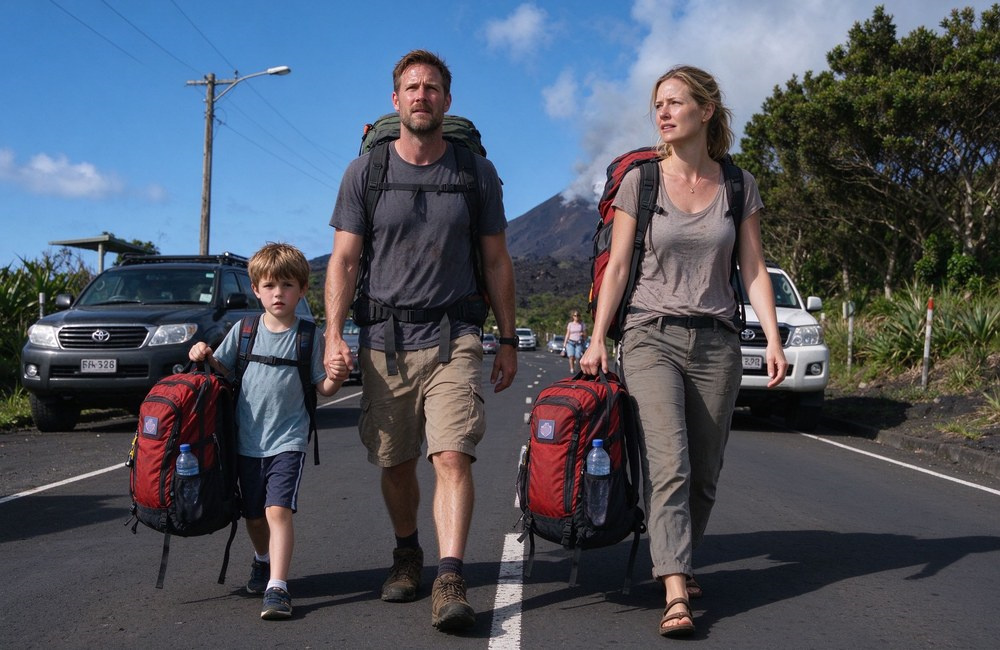
Family evacuating volcano area with red emergency go bags and backpacks on roadside, volcano evacuation scene
Ash masks must be N95 rated. They filter fine particles that cause lung damage.
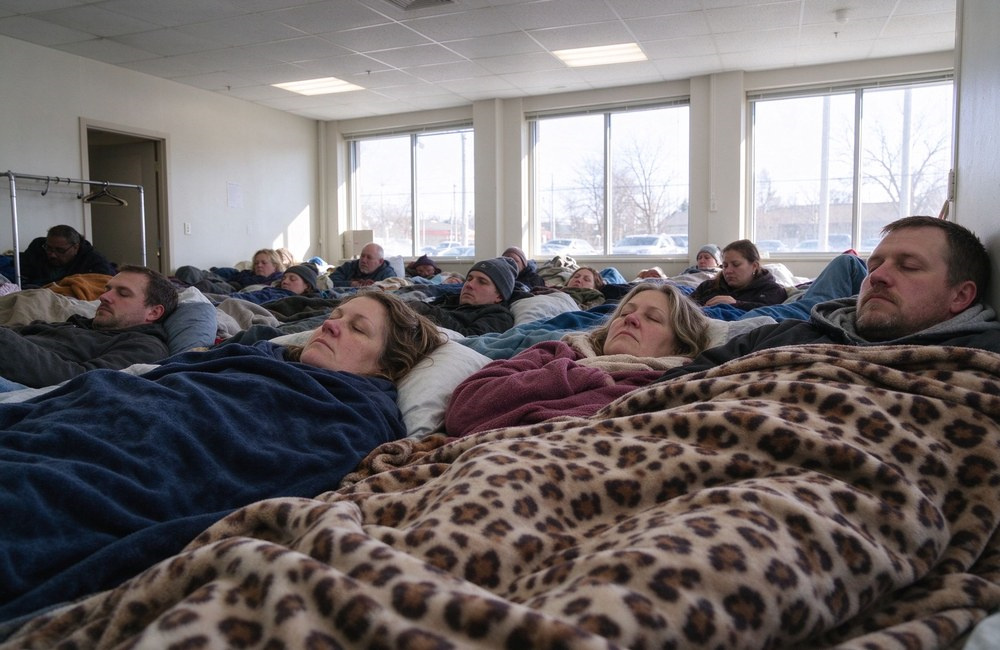
Evacuation shelter interior with displaced residents resting under wool blankets on floor mats, emergency evacuation site
If officials tell you to evacuate, you need to be ready to go in 10 minutes. An eruption evacuation kit packed in advance removes the rush. See the American Red Cross volcano preparedness guidance for family checklists.
Here is what to have packed and ready: Go-bag / emergency backpack: All your essential supplies in one bag, ready to grab and go. We supply various sizes of emergency backpacks in camo, orange, and green.
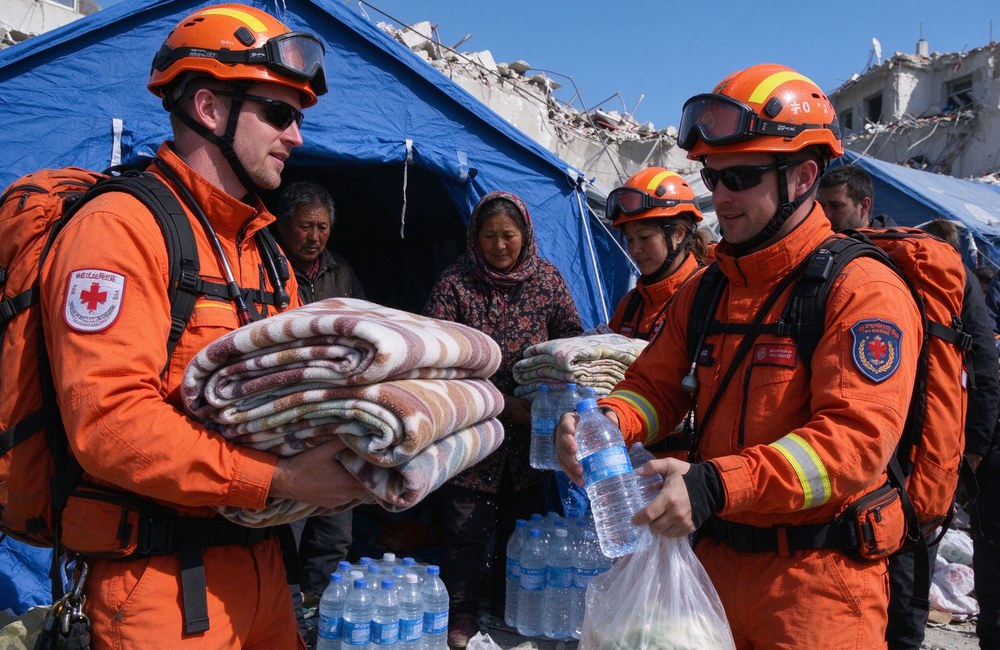
Emergency blankets and sleeping bags: For when you're sheltering in a gym or community center. We supply thick wool blankets and lightweight thermal sleeping bags. Folding cots: For longer stays in shelters. Our folding cots are lightweight and easy to set up.
Tents: If shelters are full, you might need to camp. We supply emergency tents for families and groups.
Foldable water tanks (20L): For clean water when the water supply is contaminated.
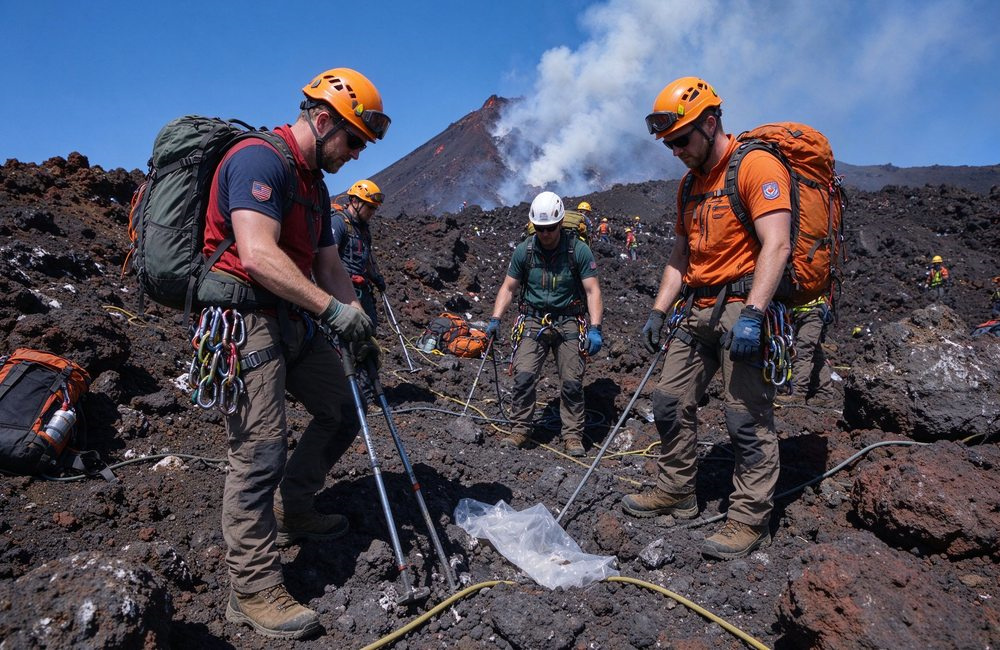
Rescue crew in orange helmets and harnesses working at active volcano site, volcano emergency rescue mission
Goggles seal around the eyes. Regular glasses leave gaps on the sides.
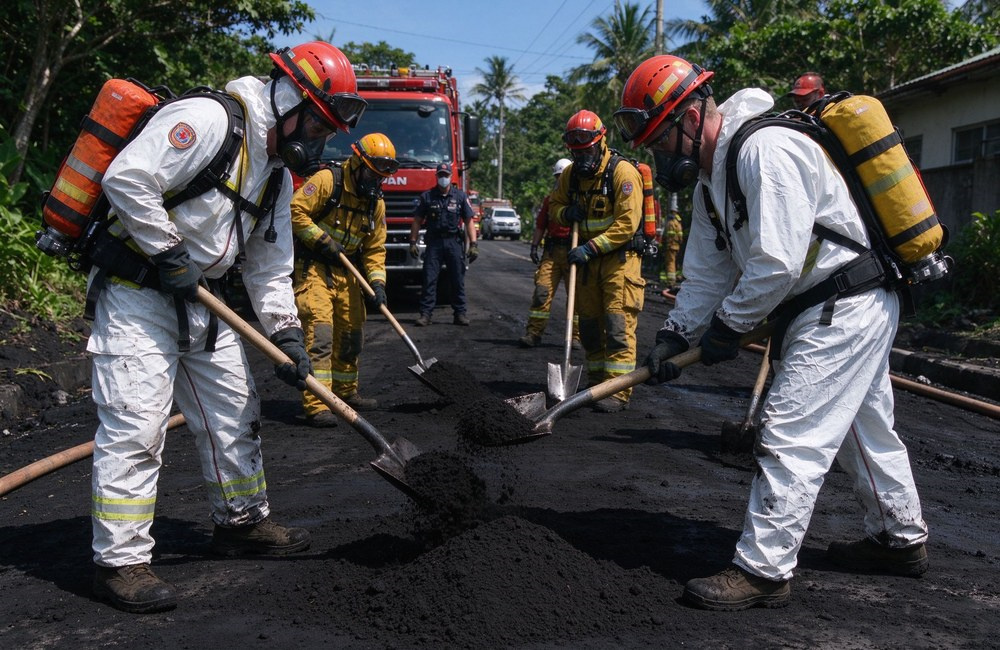
Volcanic eruptions don't just affect households—they affect whole communities. We supply volcanic eruption response equipment and bulk volcano preparedness gear to:
Here's what rescue teams typically order from us:
EN403 smoke hoods in bulk: for breathing protection during ash fall events.
Hard hats (EN397) in bulk: multi-color for different team roles.
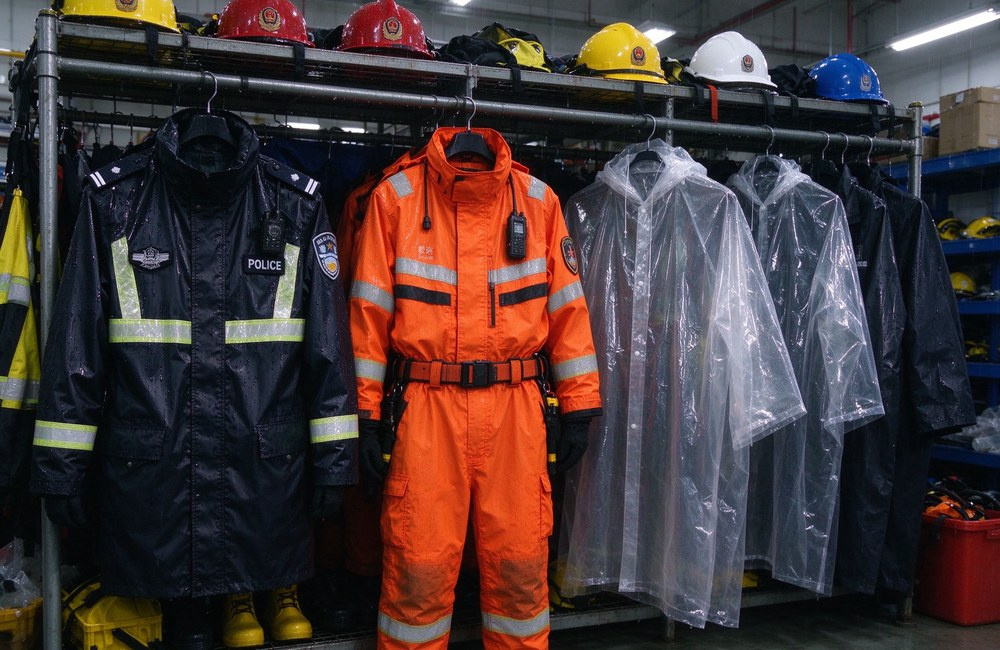
Rain gear in bulk: high-visibility reflective rain suits for ash and rain.
Blankets and sleeping bags: for evacuees in shelters.
Folding cots and tents: for temporary shelter setups.
Foldable water tanks: for clean water distribution in disaster zones.
|
Volcanic Phase |
What Happens |
What You Need |
|
Pre-eruption warning |
Seismic activity, scientists warn |
Check your kit, stock up supplies |
|
Ash fall begins |
Ash starts falling, power goes out |
Seal house, PPE, stay inside |
|
Evacuation order |
Authorities tell you to leave |
Go-bag, blankets, water, first aid |
|
Shelter in place |
Staying in a shelter for days/weeks |
Cots, sleeping bags, food, water |
|
Cleanup phase |
Return home, clean ash |
PPE, gloves, goggles, rain gear |
Above: Different phases of a volcanic eruption require different volcanic safety supplies, from rising unrest through evacuation and recovery. Match each row to what your family and site actually need.
Roof raking removes ash weight. Wet ash is three times heavier than dry ash.
When volcanic ash contaminates water supplies, communities need large-scale water storage fast. We supply foldable water tanks in sizes from 20L to 5000L: 5000L foldable water bladders: For community emergency water storage. When the water supply gets contaminated after an eruption, these bladders can hold clean drinking water for thousands of people.
20L foldable water tanks: For households and small teams. Easy to transport, easy to set up.
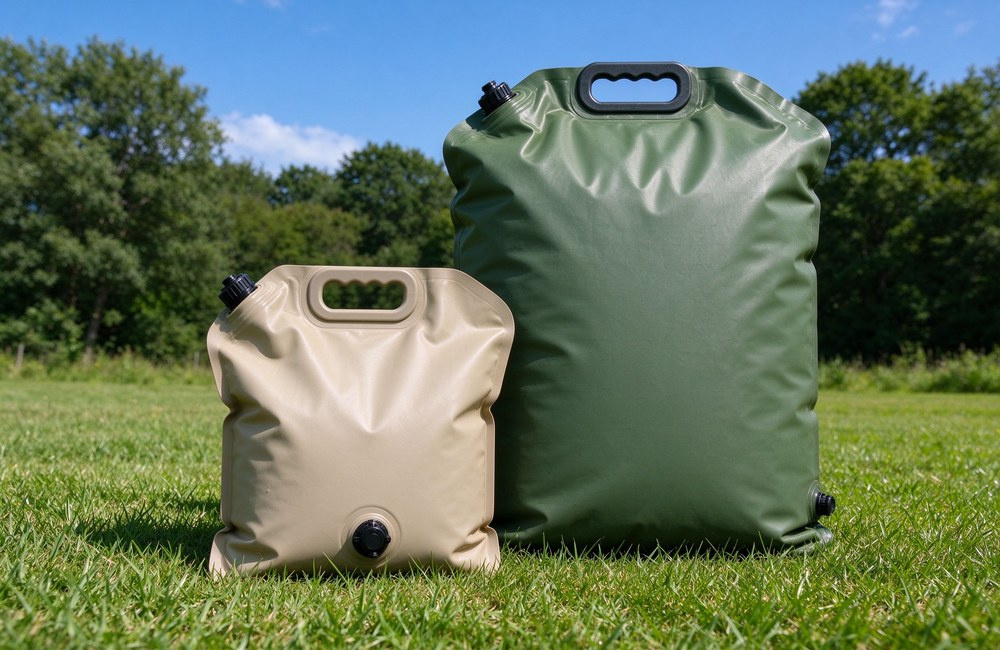
Foldable water bladders of two sizes on grass field for volcano emergency response, emergency drinking water storage containers
Evacuation routes avoid low-lying areas. Lahars follow river channels downhill.
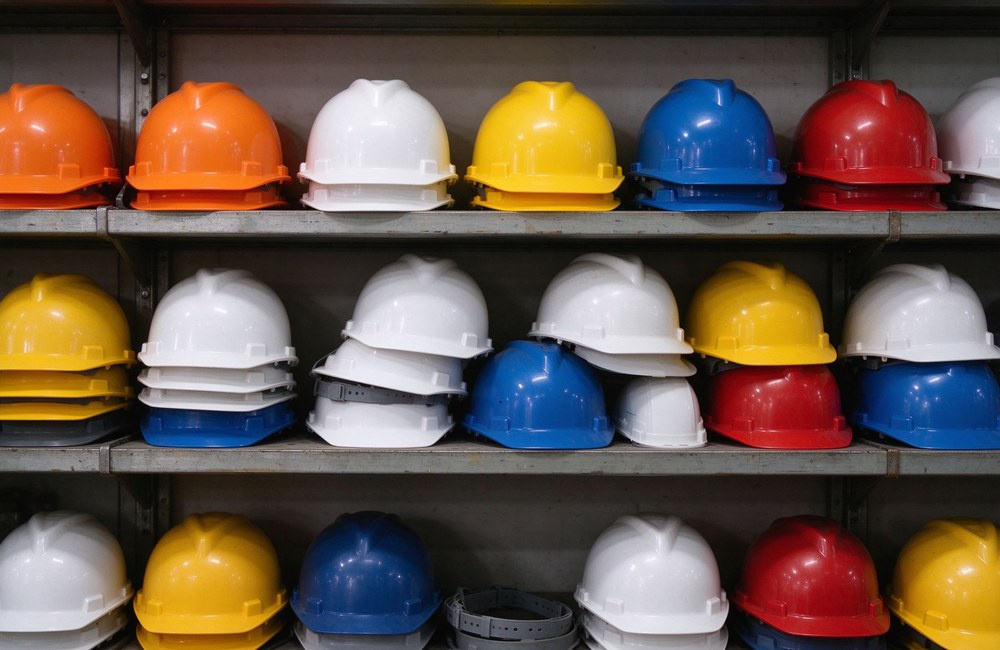
During volcanic evacuations, rescue teams need equipment to move people who can't walk on their own:
After years of supplying volcanic disaster response gear, we see the same mistakes over and over. Don't make these:
This is the biggest one. When the volcano erupts, everyone runs to the store at the same time. Masks sell out in hours. Goggles sell out in hours. Water sells out in hours. Buy your kit now, when you don't need it. Store it, check it once a year, and be ready.
Regular paper dust masks don't block fine volcanic ash. It's too fine—it goes right through. You need proper respiratory protection. Our EN403 smoke hoods filter out 99.97% of particulates—perfect for ash fall.
Ash gets in your eyes and scratches your corneas. Regular eyeglasses don't seal—ash gets in from the sides. You need sealed goggles. And don't wear contacts—ash gets under them and causes serious damage.
Ash gets heavy. 6 inches of ash weighs 10-15 pounds per square foot. That's enough to collapse your roof. When ash is falling, you need to rake it off regularly. Wear your PPE when you do it.
Volcanoes might not erupt for decades. Your gear needs to last in storage until you need it. A four-point care routine keeps every item ready:
For teams ordering at scale, we can fold these same items into custom kits with private-label packaging. Minimum order quantities and delivery terms are set per contract. Ask us to match your headcount and autonomy days.
Pro Tip: Keep your volcano kit near your front door. If you have to evacuate in a hurry, you grab it on the way out the door. Don't store it in the attic or the basement.
Another way to choose is by kit level. The table below compares the configurations teams order from us most often.
|
Kit Level |
Best For |
Typical Contents |
Notes |
|
Family Home Kit |
Households near an active volcano |
Respirators, sealed goggles, gloves, plastic sheeting, blankets, 14-day water |
Seal-at-home plus grab-and-go bag |
|
Evacuation Go-Bag |
Every member of the household |
Smoke hood, goggles, first aid, flashlight, radio, water pouch |
Lightweight, ready in 10 minutes |
|
School & Office Kit |
Classrooms, dormitories, factories |
Group respirator packs, blankets, water tanks, cleanup PPE |
Stocked per headcount and days of autonomy |
|
Relief Camp Stockpile |
Fire crews, NGOs, shelters |
5000L water bladders, cots, tents, bulk rain gear, helmets |
Deployable for weeks-long response |
Above: Kit levels we commonly build for volcanic response. Tell us headcount, ash zone and how many days of autonomy you need, and we will quote a matched configuration rather than a generic bag.
There are a lot of companies selling emergency gear online. Here's what to look for: Real certifications: CE, ISO 9001, EN403 for smoke hoods, EN397 for hard hats. Ask for the documents—if they can't show them, walk away. Bulk pricing for NGOs and communities: If you're buying for a whole town or a response team, you need wholesale pricing.
Global shipping: Volcanoes are everywhere—in the Pacific Northwest, in Iceland, in Indonesia, in Japan. Your supplier needs to ship worldwide. OEM and custom options: Need your logo on the gear? Need custom kit configurations? The supplier should be able to customize.
Real products, not cheap junk: Ask what the smoke hood is rated for, how bright the headlamp is, what the rain gear is made of. If they can't tell you specifics, keep looking.
We don't sell the cheapest volcano emergency gear. We sell the most reliable gear. When the ash is falling and your family's health is on the line, cheap isn't a bargain.
The volcano will erupt when it erupts. It won't send you an email reminder. It won't wait for you to be ready. One day it's quiet, the next day ash is falling from the sky. The question is: when it does, will you be ready?
Will you have a smoke hood to protect your lungs? Will you have goggles to protect your eyes? Will you have blankets to keep your family warm when the power goes out? Will you have water stored when the water supply gets contaminated?
That's what a volcano emergency kit is for. It's not about being scared. It's about being prepared. It's about knowing that when the ash starts falling, you can seal up your house, put on your PPE, and rest easy knowing you have everything you need.
As a leading supplier of emergency preparedness equipment globally, we supply volcanic eruption response supplies to:
Shelter kits include extra water. Ash contaminates outdoor water supplies.
Air quality monitors give early warning. Check readings before venturing out.
Don't wait until the ash is falling to buy your gear.
Every person in a volcanic zone thinks "it won't erupt while I'm here." Until it does. Get your kit today. Store it by the door. Check it once a year. Then you can relax, knowing you're ready.
Every year, volcanic eruptions displace millions of people around the world. Don't be one of the unprepared.
Volcanic eruptions are rare for any single town, but their regional impact is large enough that preparedness cannot be improvised at the last minute.
These figures explain why a household or team that keeps a volcano emergency kit ready responds faster than one that waits for official warnings.
Ash fall does not affect only the town at the foot of the volcano. Communities, institutions and field teams within hundreds of miles all need their own plan and their own stock of volcanic safety supplies.
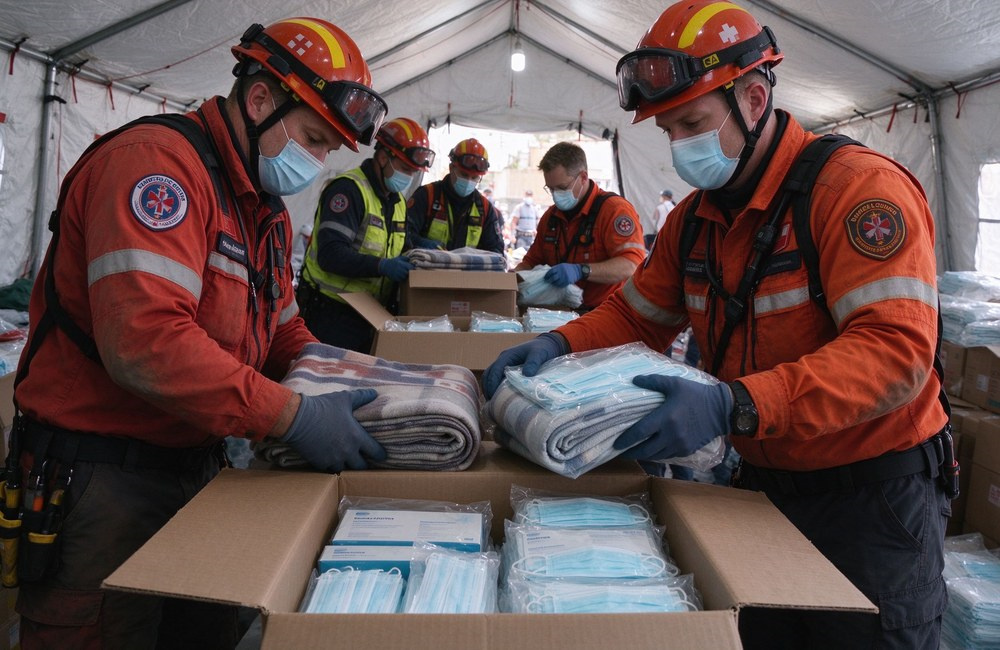
Fire crews run ash-fall response, roof support and road clearance. They need bulk volcano preparedness gear certified for respiratory, eye and head protection, plus blankets and water storage for long shifts. We supply these teams with ash mask protection equipment, helmets and rain suits in team colors.
When ash falls, children stay inside for hours or days. Campuses need sealed classrooms and an eruption evacuation kit in every building so staff can move children to shelters without running short of masks or water.
Families within 100 miles of an active volcano need a 14-day supply of food, water, medicine and respirators at home, plus a grab-and-go bag for a sudden evacuation order.
Farms, factories and logistics hubs lose engines, crops and inventory to ash fall. They pre-stock bulk volcano preparedness gear for employees, backup air filters and roof-raking tools to shorten downtime after an event.
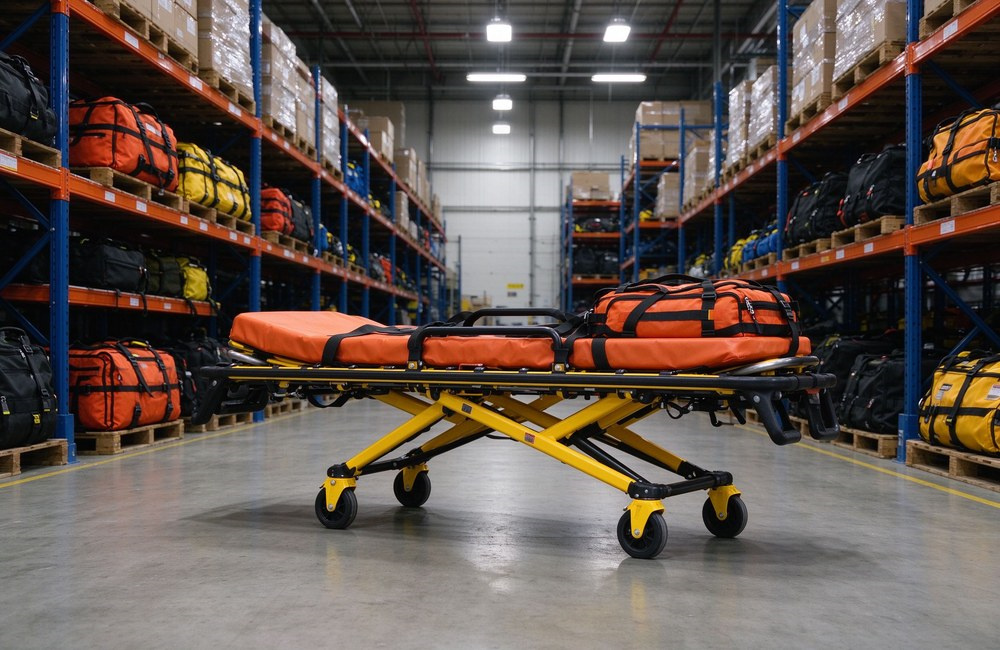
Rescue stretcher and medical gear stacked in warehouse for volcano emergency response, disaster relief medical supplies
A: Stay inside as much as possible. If you must go outside, wear proper respiratory protection. Our EN403 smoke hoods filter 99.97% of fine particulates, and they make reliable ash mask protection equipment when regular N95 masks sell out. Paper masks do not block fine glassy ash.
A: Long sleeves, long pants, sealed goggles, gloves and a proper respirator or smoke hood. Ash is abrasive and toxic, so cover every inch of skin, seal doors and windows, and turn off HVAC while ash is in the air.
A: Yes. We supply bulk volcano preparedness gear—respirators, helmets, rain suits, blankets, water bladders and shelter tents—to fire departments, NGOs, schools and government agencies worldwide.
A: Respiratory protection. Volcanic ash is fine, glassy and silica-rich, so a proper smoke hood or respirator matters more than any other item in your volcano emergency kit.
A: Yes. Ash clogs engines and air filters, scratches paint and windows, ruins electronics, and accumulates until it can collapse roofs. Seal the house, rake the roof, and keep the car under cover.
A: Smoke hoods meet EN403, hard hats meet EN397, and fire blankets meet EN1869. All items ship with CE documentation; full certificates are provided with every order.
A: Follow local authorities. If they order evacuation, grab your eruption evacuation kit and leave immediately. If they advise sheltering in place, seal the house and stay inside—hazards change too fast for solo decisions.
A: Wear PPE: smoke hood, goggles, gloves, long sleeves. Wet the ash down first, rake it off the roof, hose surfaces, and never use a household vacuum—it blows fine ash straight through the filter.
A: You need sealed goggles. Regular eyeglasses leave gaps on the sides, and ash under contacts scratches the cornea. Flush ash out with clean water and see a doctor if irritation persists.
A: Absolutely. Tell us the headcount, the autonomy days and your budget, and we will build a matched configuration. We offer OEM and private-label packing for distributors and large organizations, with terms set per contract.
A: Once a year, before volcano season. Test the radio, check headlamp batteries, inspect respirators and rain gear, and replace anything worn out. Store the kit near the front door so it is ready in ten minutes.
روابط ودية :
حقوق النشر © Custom Disaster - Relief Bedding: Tents, Sleeping Bags, Blankets كل الحقوق محفوظة
الفريق المحترف للخدمة !