التصنيفات
Last Updated: October 8, 2026
Home > Blog > Thunderstorm Emergency Kit Bulk Procurement
Lightning can strike 16km ahead of the storm itself—you can be struck while the sky is still blue, warns the NOAA National Lightning Safety Program. The WMO severe weather guidelines confirm this "bolt from the blue" risk. Most people wait for rain or thunder to take shelter, but by then it's already too late. A well-stocked thunderstorm emergency kit keeps campers, event staff, and construction crews safe when a storm rolls in fast.
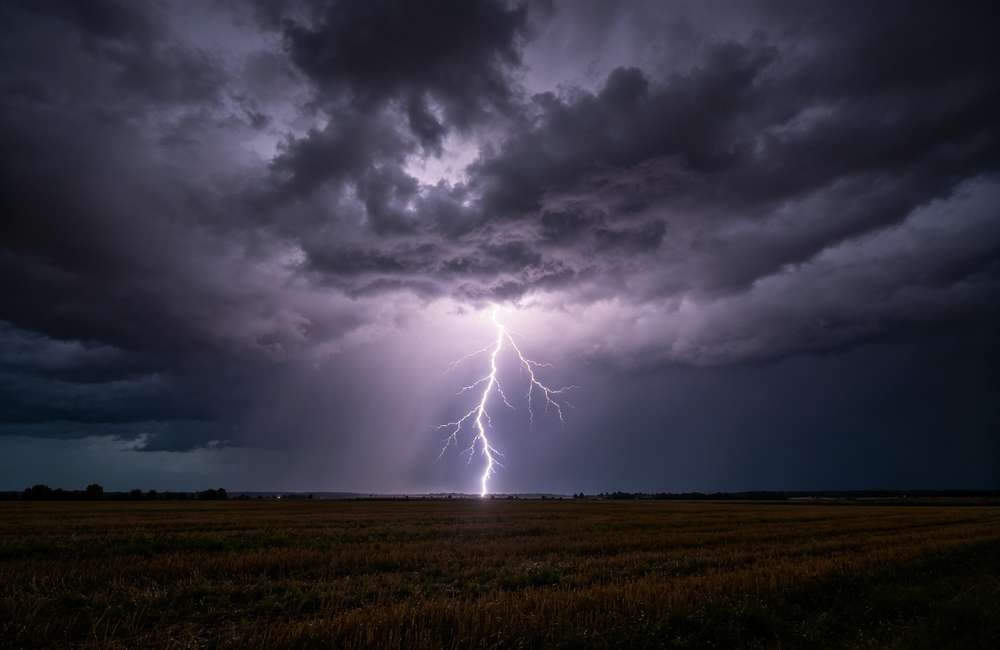
Lightning can strike 10+ miles ahead of the rain, why advance prep matters.
For campsite operators, outdoor event organizers, and construction site managers building bulk rain gear for outdoor events and buying waterproof emergency radios for relief, this guide explains the 30/30 rule, why cheap AM/FM radios are useless in a storm, and what gear actually works. All our storm safety gear is CE certified, ready to ship in 3 days.
Every year, lightning and thunderstorms cause thousands of injuries and hundreds of deaths globally. 80% of those injuries are people who were still outside—on a golf course, at a festival, on a construction site—because they didn't get inside early enough. Hail the size of golf balls is also a top thunderstorm killer, and it can fall 15 minutes before the rain even starts.
Let's be clear: you can't stop a thunderstorm. But you can get your people inside, keep them dry, and give them a radio that actually picks up storm warnings. Most campsites buy cheap $5 radios that only get AM/FM—when a real storm hits, those radios pick up nothing, and everyone's standing around waiting for someone else to say it's safe to come out.
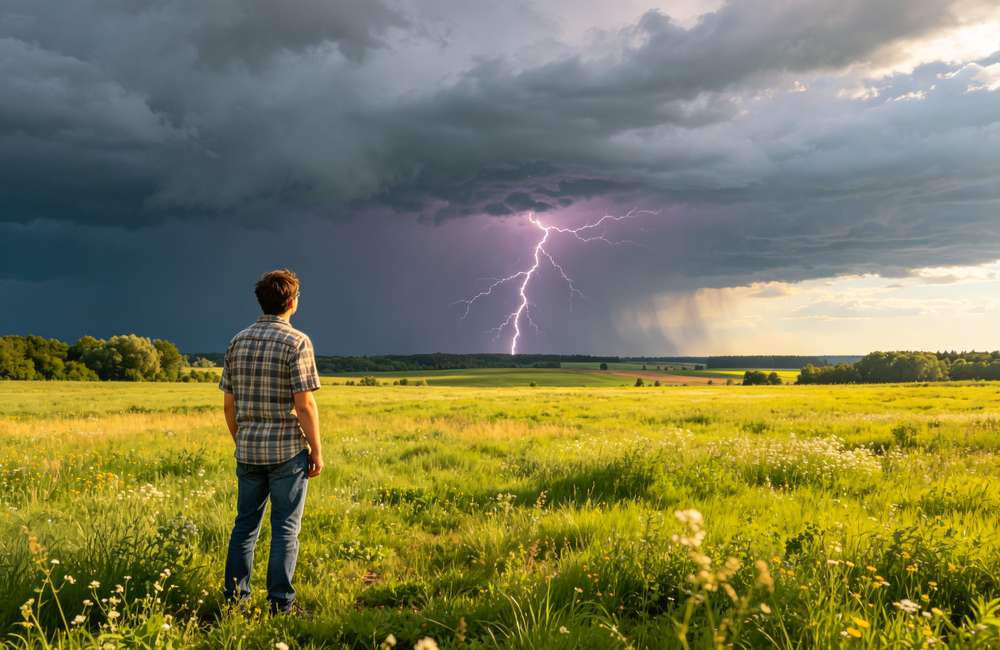
Count the seconds between flash and thunder to estimate storm distance.
Thunderstorms move fast. A system that's on the horizon can be overhead in 20 minutes. Lightning doesn't wait until the storm is right on top of you—it can hit miles ahead, in the "blue sky" part of the storm. That means the old rule "if you can hear thunder, you're in danger" is actually too late: you should already be inside.
The other hidden danger is hail. Golf-ball-sized hail can fall for 5-10 minutes, and it doesn't just bruise—it can break bones, knock someone unconscious, and damage equipment left outside. 60% of hail-related injuries happen to people who run outside to "bring their stuff in" right when the hail starts.
This is the single most important thunderstorm safety rule, and it's the one most people get wrong. It works like this:
First 30: When you see a flash of lightning, start counting seconds. If you hear thunder before you reach 30, that means the storm is close enough to hit you. Get inside immediately. A 3-second count means the lightning is about 1km away.
Second 30: After you hear the last clap of thunder, wait 30 full minutes before you go back outside. The "clear" period after a storm is exactly when lightning strikes again—because lightning can jump ahead of the storm system by miles.
We've seen so many campsite activities resume 5 minutes after the thunder stops, only to have a bolt hit 10 minutes later. Assign one dedicated weather watcher per event—someone whose only job during the event is watching the radar and counting the 30/30 rule.
Don't ask the coach or the event MC to do it while they're running the show. We saw it last summer at an outdoor football camp: the coach was busy watching the game, didn't see the lightning, and three kids got hit.
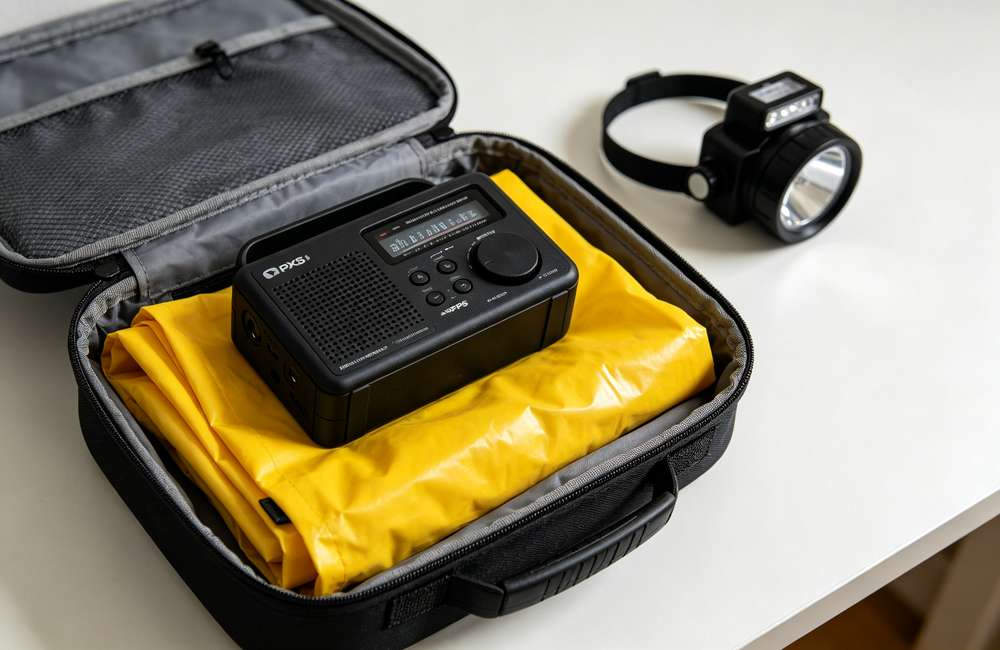
Standard bulk storm kit contents at a glance.
Every thunderstorm emergency kit for campsites, event sites, and construction sites has four core items. These are the ones that actually make a difference when the sky goes dark fast.
This is non-negotiable. Our waterproof emergency radio for relief is IPX5 waterproof, so it works in pouring rain. It picks up all public weather alert channels (not just AM/FM), has a built-in global weather alert siren that automatically sounds when a thunderstorm warning is issued in your area, and doubles as a power bank to charge phones. Crank for 1 minute, and you get 15 minutes of radio time or 30 minutes of LED flashlight use—no batteries, no dead batteries in a drawer. It also has an LED flashlight and a red SOS strobe.
Cheap $5 radios only get AM/FM stations. When a storm hits, the AM/FM channels are full of static, and you get no early warning. Our radios tune directly to weather broadcast frequencies, so you hear the storm warning 10-15 minutes before it arrives. That 10-15 minutes is exactly the time you need to get everyone inside.
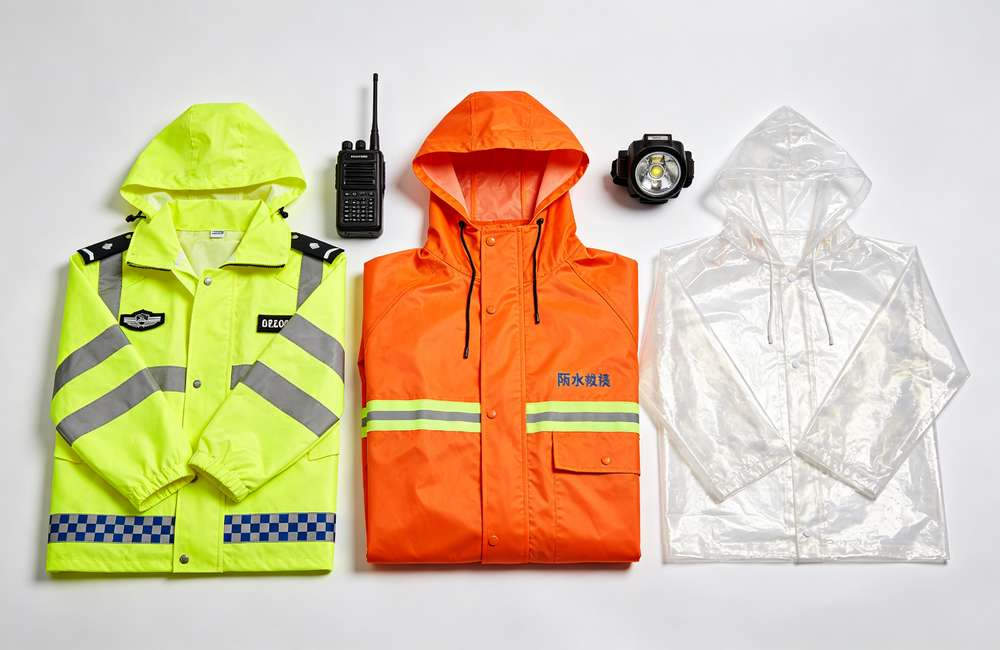
Choose ponchos by use case: hi-vis for staff, heavy-duty for long events.
When people are scrambling to get inside in a thunderstorm, they get soaked fast. Our bulk rain gear for outdoor events is 5000mm waterproof, breathable (so you don't sweat through it on a warm rainy day), folds down to the size of a phone, and is fully machine-washable. One per person, stored right by the event entrance—so when the siren goes off, people grab a poncho on their way to the shelter instead of running through the rain soaking wet.
Key specs to compare: cheap ponchos are 1000mm waterproof—they leak after 10 minutes in heavy rain, and they tear when you pull them on. Ours are 5000mm, reinforced seams, and last for 30+ uses.
Thunderstorms knock out power. Half of all storm-related accidents happen in the dark, when people are stumbling around looking for shelter. Our 200-lumen headlamps are IPX4 waterproof, have a 4-hour battery life on a single charge, and leave your hands free so people can carry gear, help kids, or hold onto the handrail on a dark path.
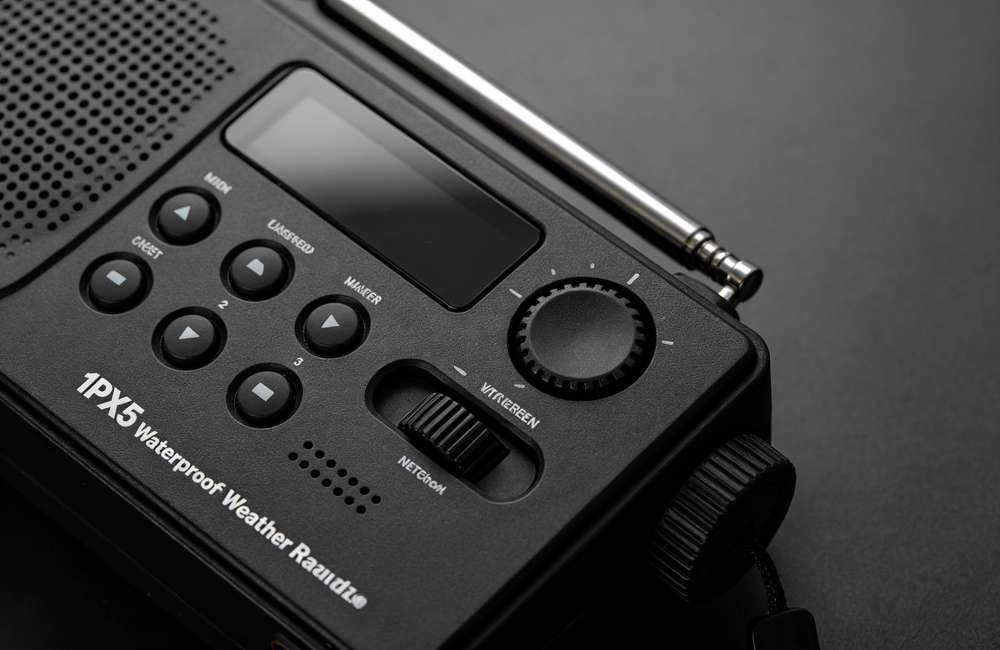
IPX5 rated weather radio survives accidental splashes in shelter storage.
After a thunderstorm, temperatures drop fast, people are soaking wet, and hypothermia can set in even in summer. The same mylar blankets we sell for tornado and heat relief work here too—they trap 90% of body heat, and they're lightweight to keep in every shelter space.
|
Item |
Key Specs |
Quantity per 100 people |
Wholesale Unit Price |
|
Waterproof Hand-crank Radio |
IPX5, weather alert, 1min crank=15min play, SOS strobe |
10 radios (shared) |
$8-12 |
|
Waterproof Rain Poncho (5000mm) |
Breathable, machine-washable, pocket-sized |
100 ponchos (1 per person) |
$1.2-1.8 |
|
200-Lumen LED Headlamp |
IPX4, 4-hour battery, USB rechargeable |
50 headlamps |
$3.5-5 |
|
Mylar Emergency Blanket |
Reflects 90% body heat, 50g |
100 blankets |
$0.3-0.5 |
|
High-visibility Rain Jacket |
Hi-vis yellow, waterproof, reflective strips |
15 jackets (for event staff) |
$12-18 |
Myth 1: It's safe to stand under a tree during a thunderstorm. It's one of the worst places you can be. Trees are the tallest object around, so lightning hits them first—and then the current jumps from the tree to the nearest person standing next to it. If you're caught outside, lay low in a low, open area, crouch down on the balls of your feet, and keep your head down.
Myth 2: You can't get hit if you're inside a tent. A standard camping tent does nothing against lightning. It'll keep the rain off, but lightning can hit the tent pole and run through the fabric. If thunder starts, leave the tent and get into a hard-sided building or a car with the windows rolled up.
Myth 3: Using a phone during a thunderstorm is dangerous. Wired phones are dangerous, but your cell phone is totally safe. The metal case doesn't attract lightning—what attracts lightning is being the tallest object in an open field. You can use your phone to call for help, check the radar, and warn your team.
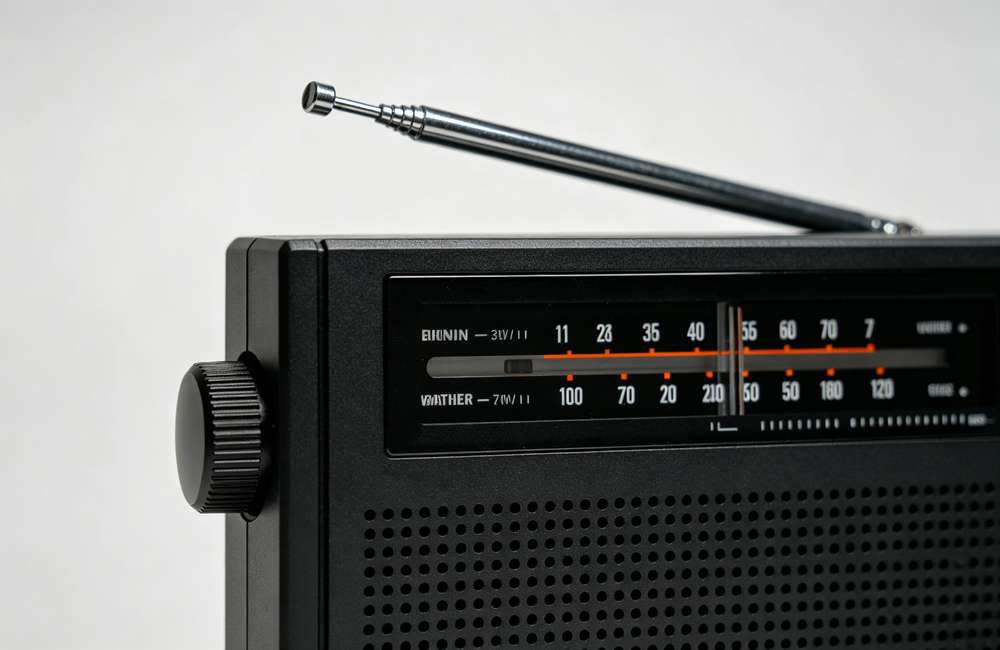
Seven weather bands cover all major alert frequencies globally.
Mistake 1: Buying cheap AM/FM-only radios. Those don't pick up weather alert channels. You'll get zero warning when a storm is 10 minutes away. Always buy radios that include dedicated weather broadcast bands.
Mistake 2: Storing all rain ponchos in one storage closet. When the siren goes off, no one has time to walk across the campsite to grab a poncho. Keep ponchos at every activity area, every entrance, and every shelter space.
Mistake 3: Waiting until June to order. Every year, the rainy season starts early June, and by mid-May every supplier is out of waterproof radios and ponchos. Lead times stretch to 4 weeks. Order by May 1.
Mistake 4: Not assigning a dedicated weather watcher. We said this before: don't make the coach or MC do it. They're busy running the event. Assign one person whose only job is to watch the radar, run the 30/30 rule, and call the all-clear.
Mistake 5: Buying non-breathable rain gear. Cheap rain ponchos trap sweat, and people get soaked from the inside out on warm rainy days. Our ponchos are breathable, so you stay dry inside too.
Mistake 6: Forgetting about hail. People prepare for rain, but they forget about hail. Keep a few extra hard hats or hard plastic bins in the shelter, so people can cover their heads if hail starts while they're walking to the shelter.
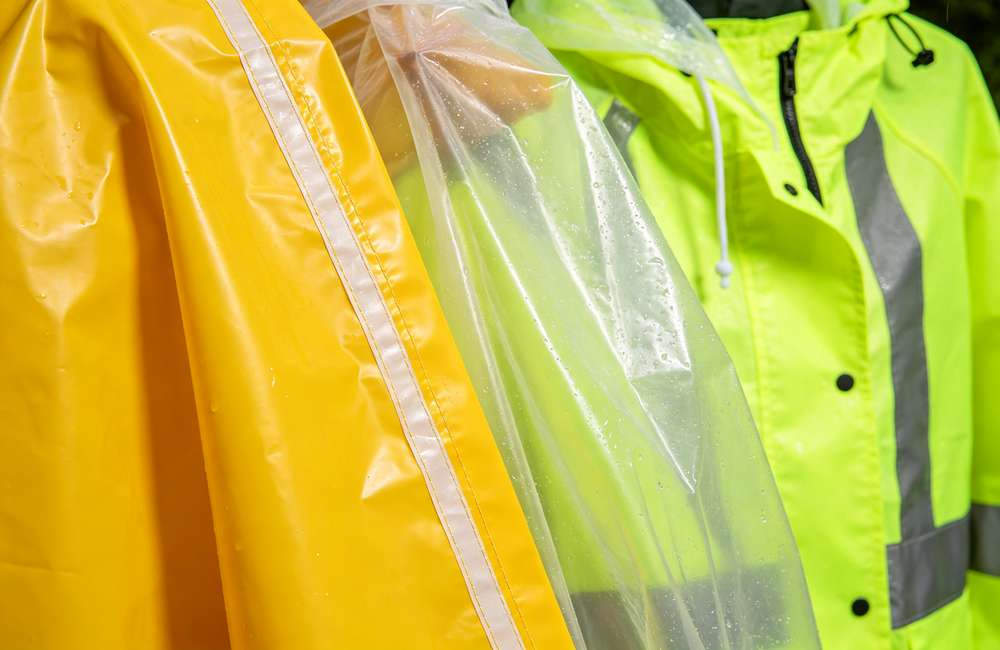
Material thickness directly impacts waterproof rating and lifespan.
|
Site Size |
Total Cost (Wholesale) |
What's Included |
|
Small campsite / event (50 people) |
$400 - $800 |
5 radios, 50 ponchos, 25 headlamps, 50 blankets |
|
Campground / festival (200 people) |
$1,500 - $2,500 |
20 radios, 200 ponchos, 100 headlamps, 200 blankets, 15 hi-vis staff jackets |
|
Large construction site (500+ people) |
$4,000 - $6,000 |
50 radios, 500 ponchos, 250 headlamps, 500 blankets, 50 hi-vis work rain jackets |
Looking for bulk stock ready to ship this week? We have full pallets of emergency kit components in stock in our China warehouse, CE certified, ready to load within 72 hours. No 6-week lead times mid-season.
All radios ship with CE certification, and we provide a quick 1-page training sheet you can print out for your staff—covering the 30/30 rule, how to turn on the weather alert, and what to do in a lightning emergency.
Pitfall : Forgetting emergency lighting.
Half of thunderstorms knock out site power for 2+ hours. Without headlamps, attendees trip over cords and get lost in the dark, which causes more injuries than the storm itself.
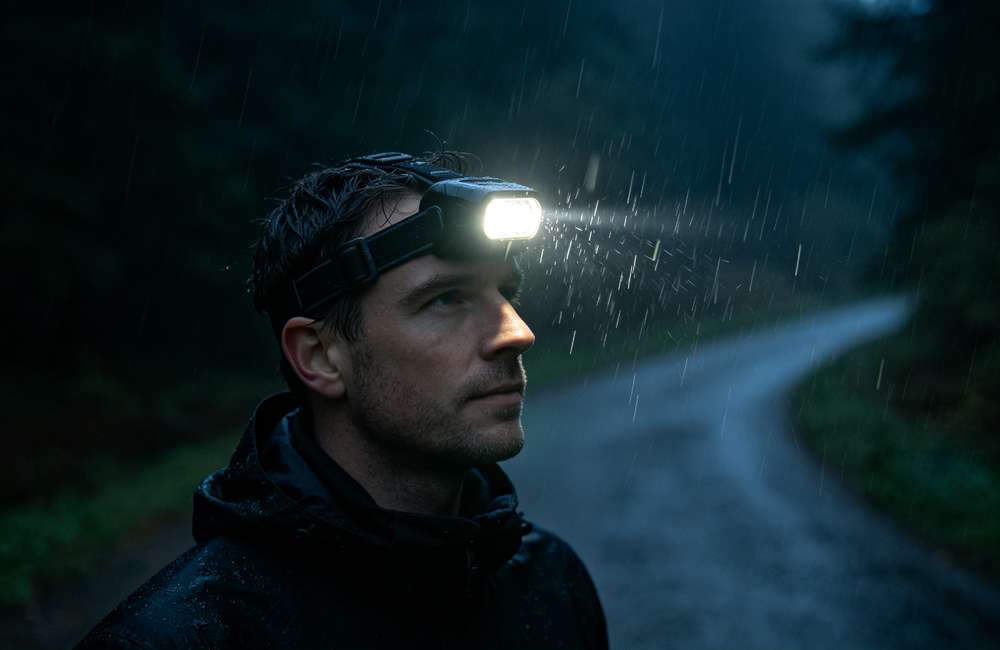
Hands-free LED headlamps keep evacuation routes visible when power cuts out.
For event organizers, this is the exact checklist our festival and sports clients use to pass their annual safety audit. We have written it out in full so you can print it out and check off every item before the first event of the summer.
|
Waterproof rating |
Best use case |
Reusable |
Price per unit (bulk) |
|
1000mm |
Single-day event, light rain |
No |
$0.5-0.8 |
|
3000mm |
Weekend campsite, moderate rain |
10 uses |
$1.0-1.2 |
|
5000mm |
Summer-long park, heavy thunderstorms |
30+ uses |
$1.3-1.6 |
This table tells you which rain poncho waterproof rating to choose for your use case, so you do not overspend or buy disposable gear for a permanent site.
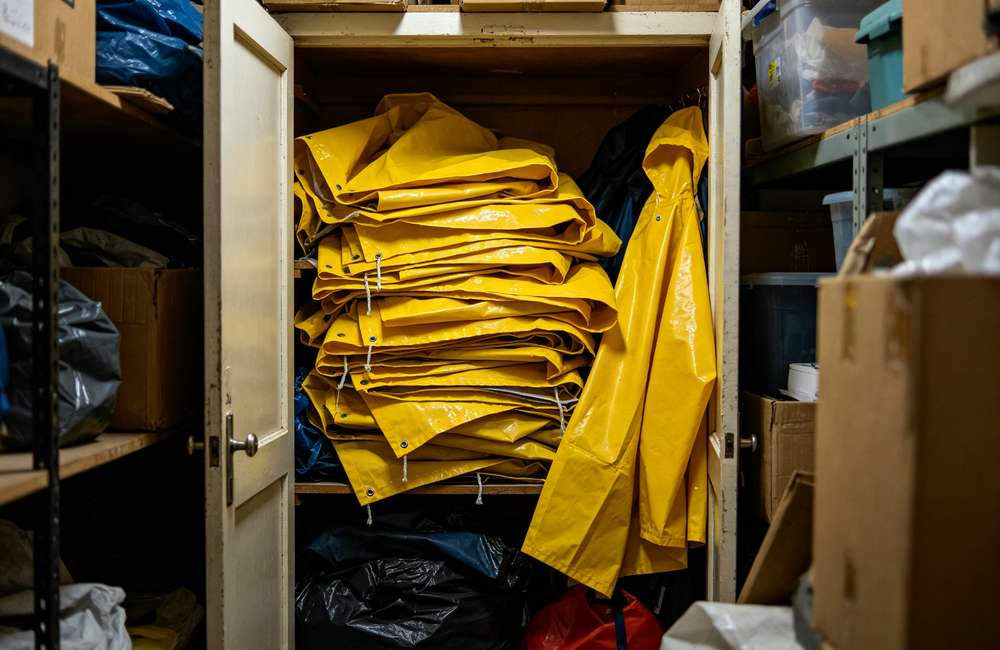
Storing ponchos loose in cabinets leads to mold, tears and last-minute failures.
Mistake 1: Buying regular AM/FM radios. These radios do not pick up dedicated weather alert frequencies. You will not get any early warning when a storm is 10 minutes away. Always buy a radio with a dedicated weather band.
Mistake 2: Forgetting about hail. People prepare for rain, but forget about hail. Keep a stack of hard plastic bins at every shelter—people can cover their heads with them if hail starts while they are walking to shelter.
Campsites and event organizers often buy storm safety gear using park safety budget money, and auditors require a detailed report. Here is the structure that passes your audit the first time:
Need product samples to test before your bulk order? Send us your address and we will mail sample kits free of charge, so your team can feel the material quality and check the certification labels before you commit to a full order.
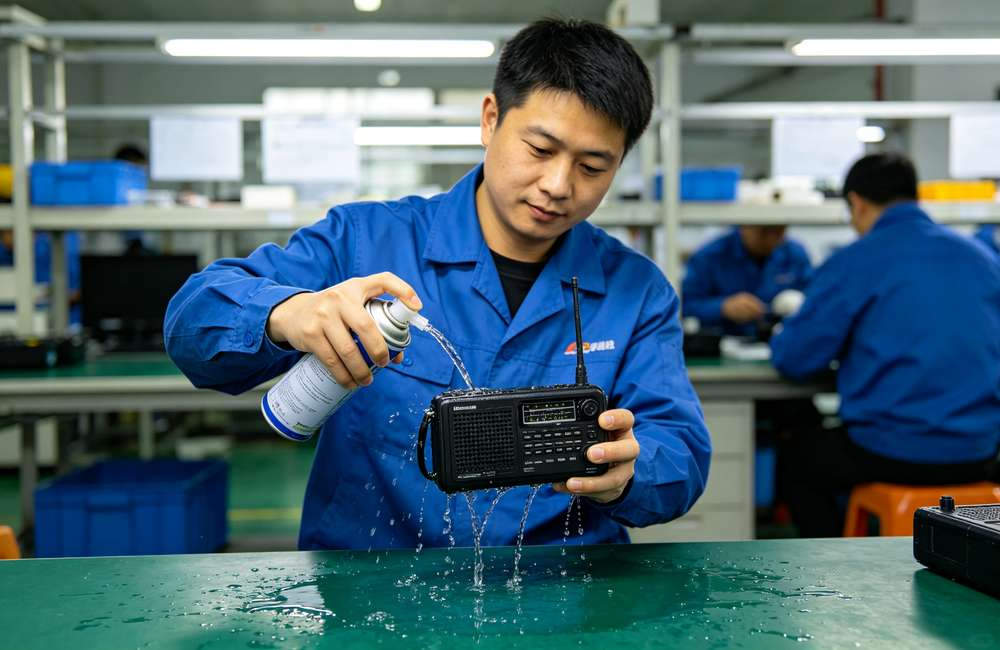
Every radio passes IPX5 water spray test before leaving our factory in China.
Section 1: Storm risk assessment. How many thunderstorms hit your area every summer, how many lightning injuries happened locally in the last 5 years, how many people visit your site every year. Auditors want to see you know the risk.
Section 2: Itemized purchase list. How many waterproof radios, how many rain ponchos, how many headlamps, unit cost, total cost. We provide a fully itemized invoice with every order, so you can copy it straight into your audit report.
Section 3: Staff training records. How many staff you trained on the 30/30 rule, when the training happened, who did the training. Auditors do not care how many radios you bought—they care if your staff know what to do when lightning hits.
Section 4: Incident log. How many storm evacuations you did last summer, how long it took to get everyone to shelter, how many people were safely moved. This is the data that proves your program works.
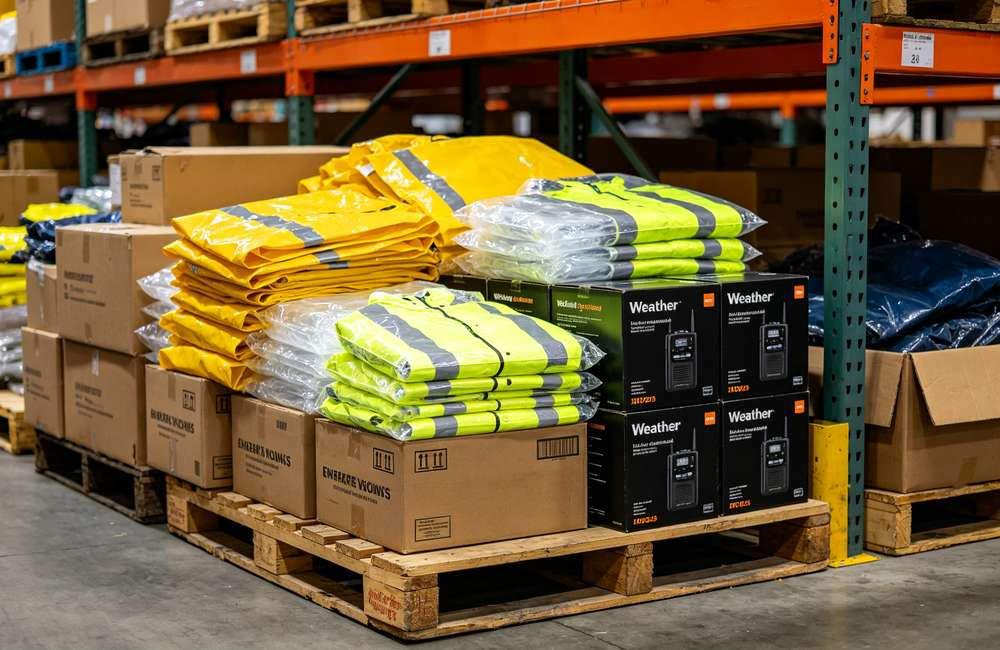
Standard in-stock SKUs ship within 3 days from our China warehouse.
Waterproof radios: Store them in a dry cabinet, with the battery removed if you are storing them for more than 6 months. Leaking batteries corrode the internal circuit board. Crank them for 1 minute every 3 months to keep the battery charged.
Rain ponchos: Fold them flat, store them in a dry bin. Do not leave them in a damp shed—mold grows on the PVC fabric over the winter. Check for holes every spring before you put them out at the entrance.
Headlamps: Charge them fully before you store them for the winter. Rechargeable batteries lose 20% of their capacity every year they sit dead. Plug them in for a full charge every 3 months.
Emergency blankets: Same as tornado shelter blankets—store in a dry, cool place, away from heat sources. Do not fold them too tight, or the mylar will crack along the fold lines.
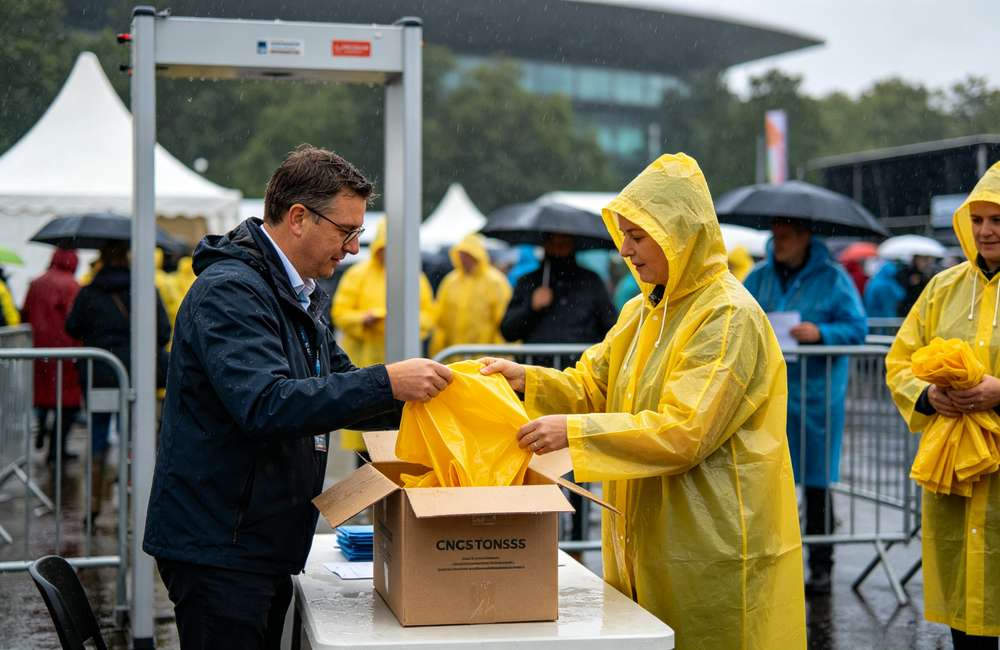
Bulk unbox and pre-position gear before the storm season starts.
When you get radio and rain gear quotes from different suppliers, the cheapest is almost never the safest choice. Here is what to compare:
Compare radio bands first. Supplier A quotes $5 per radio, supplier B quotes $10. The $5 radio only gets AM/FM—you will never hear a weather alert. The $10 radio has dedicated weather alert bands, automatically alarms when a storm warning is issued. Ask the supplier: "does this radio automatically alarm for weather alerts?" If they say no, keep looking.
Compare rain poncho waterproof rating. Supplier A quotes $0.8 per poncho, supplier B quotes $1.5. The $0.8 poncho is 1000mm waterproof—leaks after 10 minutes in heavy rain. The $1.5 poncho is 5000mm waterproof, breathable, lasts 30+ uses. For a one-day event, the cheap one is fine. For a summer-long campsite, buy the 5000mm ones.

Taped seams stop leaks at stitch holes that cheap ponchos ignore.
Compare lead time. By mid-May, every supplier is backlogged with festival orders. If you wait until June, lead times are 4 weeks. Order by May 1, when stock ships in 3 days.
Compare included training materials. We include a free 1-page 30/30 rule training sheet with every bulk radio order. Some suppliers do not include this, which means you have to write your own training material for staff.
Plan on one radio per 500 attendees, plus one for every staff zone. For a 5,000-person music festival, that is 10 public radios plus 12 staff units. Test every radio on the morning of the event—dead batteries are the #1 reason weather alerts go unnoticed.
Our 5000mm thick ponchos are good for 30+ uses. Cheap 1000mm thin ponchos tear after one storm and should be discarded. For a summer-long campsite or park, buy the thick ones once and reuse them for 3 seasons.
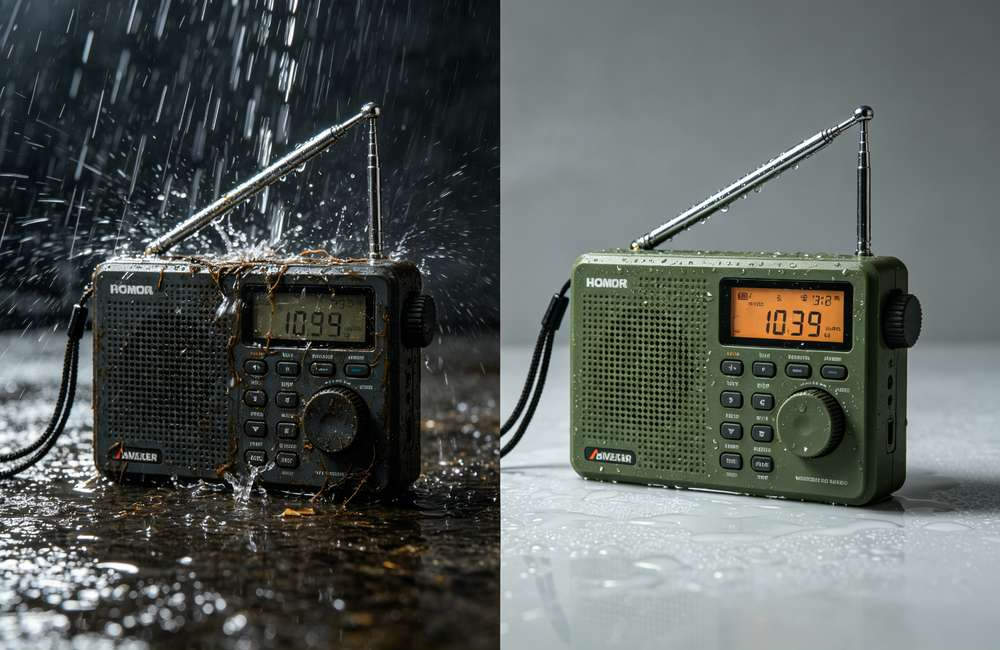
Cheap uncertified radios fail exactly when you need them most.
We know B2B buyers need proof before placing a bulk order. Here is exactly what you get when you order from us:
QC process: We inspect 10% of every batch before shipment. All products come with CE/ISO9001 certificates. Third-party inspection (SGS, BV) is supported before shipment.
Sample to mass production: We send free sample kits within 3 days. You confirm the sample, we lock the specs. Mass production takes 7-10 days. We send production photos before shipment, and you receive tracking within 24 hours after dispatch.
Use this table to place your bulk order directly, no back-and-forth emails needed:
|
Product |
Key spec |
Packing |
Evidence we provide |
|
Weather radio |
IPX5, hand-crank, 7 bands |
50pcs/carton |
CE RoHS cert |
|
Rain poncho |
5000mm PVC, taped seams |
100pcs/carton |
Waterproof test report |
|
LED headlamp |
350 lumen, USB rechargeable |
200pcs/carton |
CE RoHS cert |
This table tells you exactly what specs we ship, so you can copy it straight into your purchase order.
Every bulk order comes with a commercial invoice, packing list, CE certificate of conformity, and a form A for duty reduction (if applicable). We can also provide fumigation certificates for wooden pallets, which is required for most countries.
How long does mass production take after sample approval?
Standard in-stock items ship in 3 days. Custom logo or custom packaging orders take 7-10 days. We send weekly production updates so you know exactly when your order will arrive.
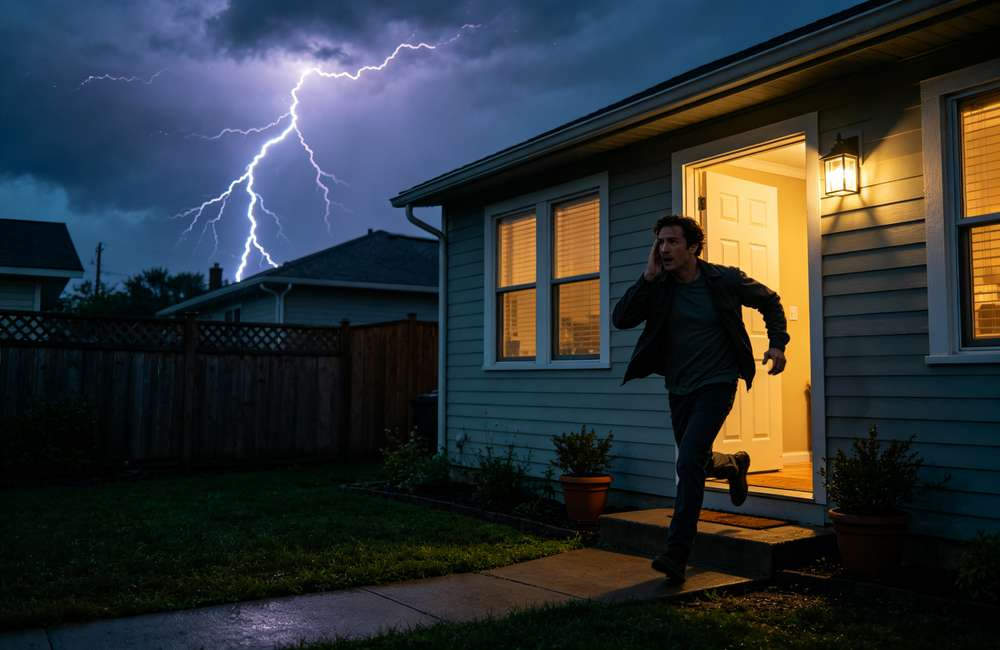
When you hear thunder, you are already within striking distance — go inside.
Yes, lightning can strike a tent pole and travel through the fabric. If you hear thunder, leave the tent immediately and get into a closed metal car or permanent building.
Our 5000mm PVC ponchos last 30+ uses. Thin 1000mm ponchos tear after one storm. Store them dry, and they will last 3 full summer seasons.
Yes, our hand-crank weather radios work without batteries. Crank for 1 minute and you get 15 minutes of radio time. They also have a solar panel backup.
No, plumbing conducts electricity. Wait 30 minutes after the last thunder before taking a shower or bath. Lightning can travel through water pipes to your shower.
Hang it on a line in the shade for 2 hours. Do not put it in direct sun—UV rays break down the PVC material and make it brittle.
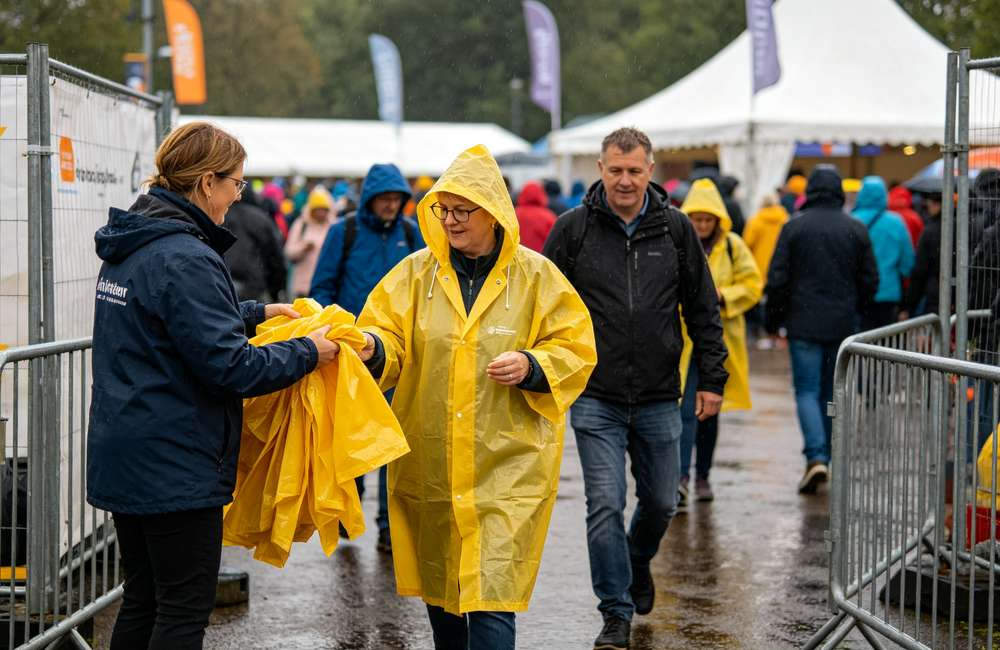
Bulk packs mean every attendee gets covered when the storm hits.
Yes! Cell phones are totally safe to use during a thunderstorm. The old myth that phones attract lightning was never true—lightning hits tall metal objects, not small plastic phones. What is dangerous is using a wired landline phone, because the cord can carry current. Use your cell phone freely to check radar and call for help.
Trees are the tallest object in most open fields, so lightning hits them first. The electric current then jumps from the tree trunk to the nearest person—usually the person standing under the tree. If you're caught outside in a lightning storm, crouch low in an open area, don't stand near trees or poles.
No! A standard camping tent won't protect you from lightning. Lightning can hit the tent pole, and the current travels through the fabric. If thunder starts, leave the tent and get into a hard-sided building or a fully enclosed car with the windows up. Tents only keep rain off—they don't protect against lightning.
It's simple: when you see a lightning flash, count the seconds until you hear thunder. If you get to 30 seconds or less before hearing thunder, the storm is close enough to hit you—get inside immediately. After the last thunder clap, wait 30 full minutes before going back outside. Lightning can strike miles ahead of the storm.
Do your radios pick up local storm warnings?
Yes! Our radios have dedicated weather alert bands that automatically activate a siren when a thunderstorm or tornado warning is issued for your area. They don't just play regular radio—they sound an alarm the second a warning comes in, so your team has 10-15 minutes to get everyone to shelter.
Radios start at 20 units, ponchos start at 100 units, and headlamps start at 50 units. We do mixed bulk orders, so you can combine all storm safety items in one shipment for the best price.
Absolutely! We print your logo on poncho packaging and on the radio face for orders over 100 units. This is popular for festival branding and construction site safety programs.
We ship stock waterproof radios and ponchos in 3 days, with CE certification and a free 1-page staff training sheet. Order by May 1, before the rush starts.
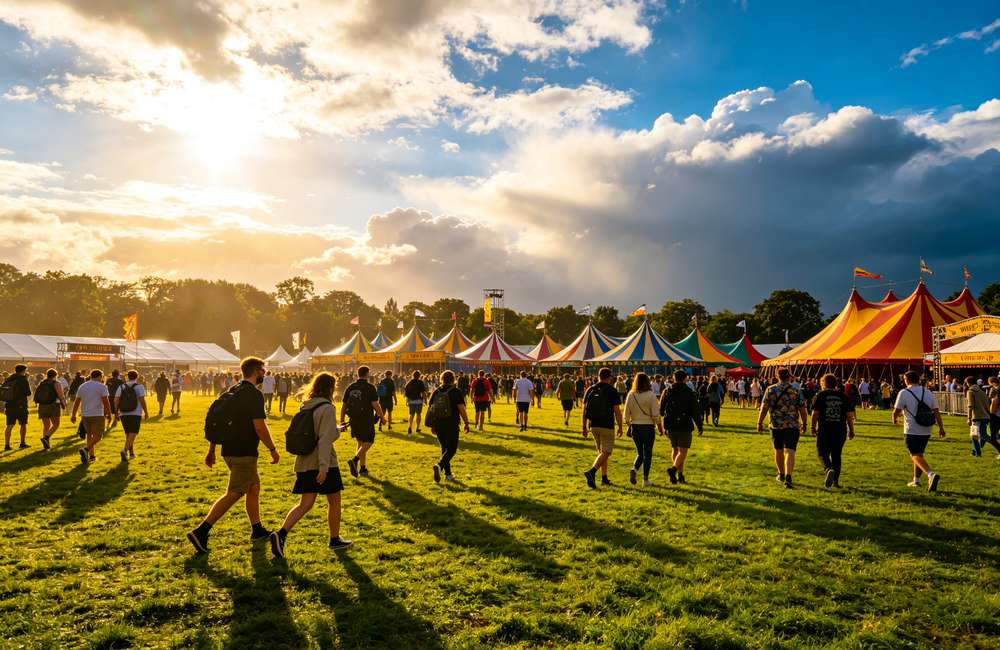
Proper prep means the storm passes without injury or event disruption.
People Also Ask
Q: How far away is lightning when you hear thunder 5 seconds after a flash?
A: 5 seconds equals roughly 1.5 kilometers. If the time between flash and thunder is 30 seconds or less, the storm is close enough to hit you—get inside immediately.
Q: Are hard-sided cars safe in a thunderstorm?
A: Yes! The metal frame of a closed car acts as a Faraday cage. Roll up the windows, don't touch metal parts inside, and wait out the storm.
Q: How long after thunder can you go back outside?
A: Wait a full 30 minutes after the last clap of thunder. Lightning can strike 10+ kilometers ahead of the storm itself.
Q: Do I need a special radio to get storm warnings?
A: Yes. Regular AM/FM radios don't pick up dedicated weather alert broadcasts. You need a radio with a international weather band tuner that automatically alarms when a warning is issued.
Q: Can lightning strike the same place twice?
A: Absolutely. Tall buildings get hit dozens of times a year. Lightning doesn't "remember" where it struck before.
Related Reading
Home Fire Emergency Kit: Bulk Fire Safety Supplies Guide
Extreme Heat Emergency Kit: Cooling Supplies Guide
Tornado Emergency Kit: Hard Hats & Shelter Supplies
Flood Emergency Kit: Bulk Waterproofing & Recovery Supplies
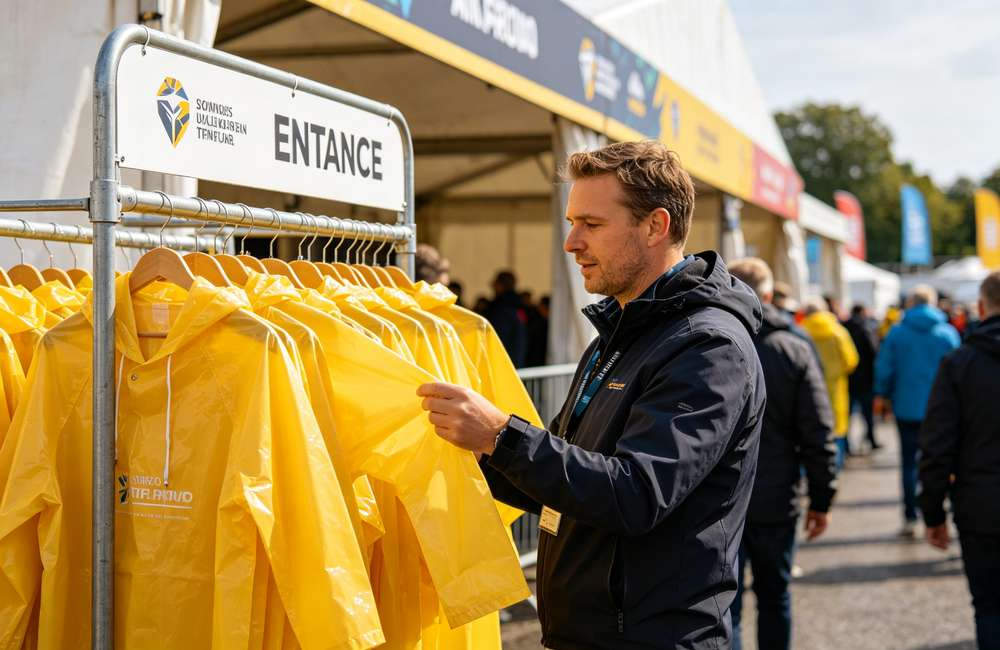
Pre-position gear at every entrance before gates open to the public.
Every outdoor event—music festival, sports tournament, fair—needs a written lightning emergency plan. This is not optional. We see event organizers get sued every year because someone got hit by lightning and the organizers had no plan. Here is the plan structure that passes local health and safety inspection:
Appoint a dedicated weather officer.
This is one person whose only job during the event is to watch the radar. Do not ask the MC or a security guard to do this on top of their other job—they will miss the alert. The weather officer has a radio and a weather alert scanner, and they can order an evacuation at any time without asking anyone's permission.
Mark safe shelter locations on the event map.
Every attendee gets a map when they enter. Mark every permanent brick building on the site as a safe shelter. Tents, open-air pavilions, and metal bleachers are NOT safe. Put signs every 50 meters pointing to the nearest shelter.
30/30 rule announcement.
Every hour, the MC makes a 30-second announcement: "If you see lightning and hear thunder within 30 seconds, walk to the nearest permanent brick shelter immediately. Wait 30 minutes after the last thunder before returning." This sounds repetitive, but most attendees do not know the rule.
Evacuation drill.
One week before the event, do a 10-minute evacuation drill with all staff. Time how long it takes to move 100 people from the main stage to the nearest shelter. If it takes more than 5 minutes, add more signs and staff volunteers.
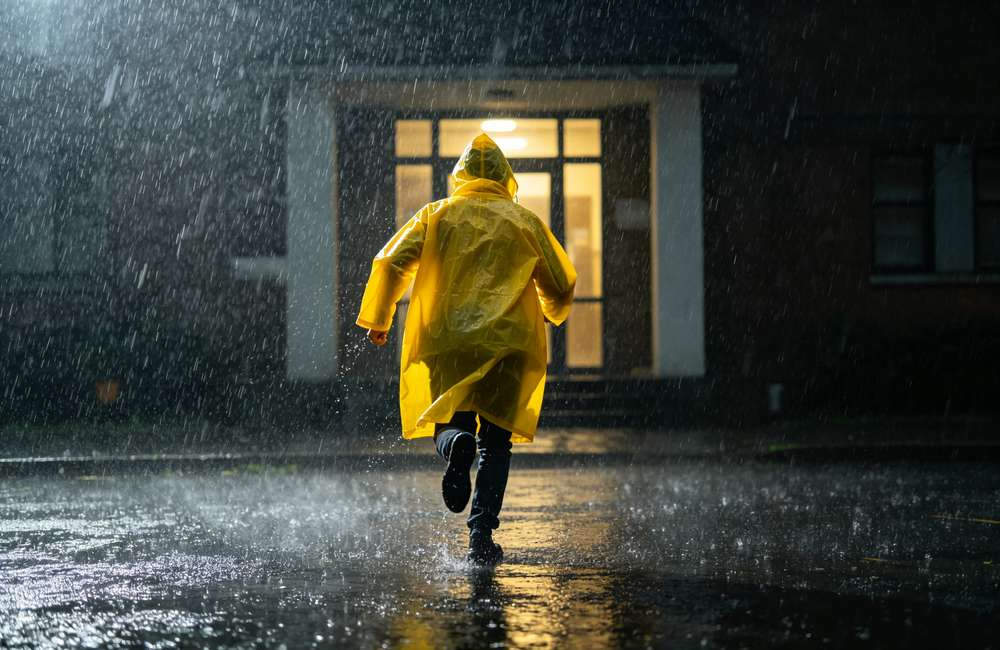
When you are buying hundreds of rain ponchos for a season-long campsite or park, it is tempting to buy the $0.5 thin ones. But we have done the math, and the cheap ones are actually more expensive. Here is the cost comparison:
Cheap 1000mm poncho ($0.5 each):
Tears after 10 minutes in heavy rain. You throw it away. Over a 3-month season with 20 rain days, a campsite goes through 10 ponchos per visitor. For 1000 visitors, that is 10,000 ponchos × $0.5 = $5,000. And half the visitors still get soaked, complain, and leave bad reviews.
Thick 5000mm poncho ($1.5 each):
Reusable for 30+ uses. You collect them after the rain, rinse them, hang them dry, and reuse them all season. For 1000 visitors, you only need 200 ponchos total × $1.5 = $300. They block wind and heavy rain, visitors stay dry, and you do not generate thousands of pieces of plastic trash.
The math is clear:
spend 3x more per poncho, and you pay 1/10 of the total cost over a season, plus you keep visitors happy. We sell the thick ones by the case of 200, which is exactly what most parks and campsites need for a full summer.
 |

|
روابط ودية :
حقوق النشر © Custom Disaster - Relief Bedding: Tents, Sleeping Bags, Blankets كل الحقوق محفوظة
الفريق المحترف للخدمة !