التصنيفات

Tent fabric is the skin that keeps rain, wind, and sun out of your shelter. Choosing the right waterproof material directly impacts how long your tent lasts and how dry occupants stay.
Table of Contents
This comparison table outlines key specifications for waterproof tent fabric. Procurement teams use this data to evaluate PVC tent material options, compare pricing structures, and verify compliance with international standards. As an experienced tent coating guide, we ensure every parameter meets field deployment requirements for emergency response operations worldwide. This information is particularly valuable for government procurement teams, NGO aid organizations, and international relief agencies evaluating bulk supply contracts.
This comparison table provides essential specifications for procurement evaluation. Buyers use this data to compare configurations, assess material quality, and calculate total project costs. As a professional tent manufacturer with extensive export experience, we ensure all parameters meet international standards and field deployment requirements. This information is particularly valuable for government procurement teams, NGO aid organizations, and international relief agencies evaluating bulk supply contracts.
| Why tent fabric matters | Flame retardancy standards |
| Key fabric parameters decoded | UV resistance and aging |
| How to read waterproof ratings | Which fabric for which scenario |
| Oxford cloth 600D explained | Seams and taping craftsmanship |
| PVC-coated polyester explained | Care, storage and lifespan |
| Cotton canvas explained | Common fabric myths |
| Three fabrics side-by-side | Fabric quality inspection |
| Tear strength and abrasion | Frequently Asked Questions |
600D Oxford, PVC-coated polyester, and cotton canvas each solve different waterproofing challenges. Understanding denier, coating chemistry, and hydrostatic head ratings prevents costly procurement mistakes.
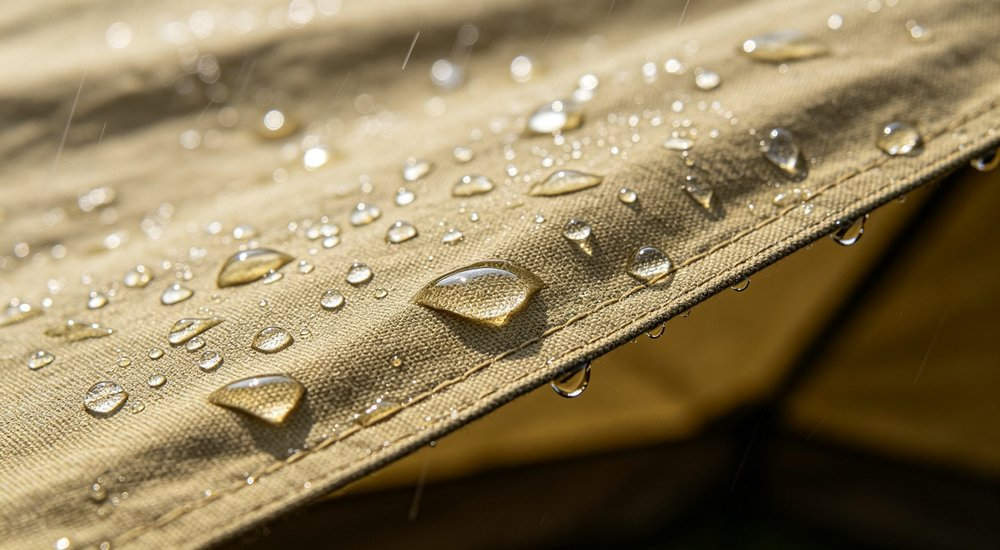
A fabric that tests at 3000mm in the lab can fail in the field if seams are untaped or UV treatment is skipped. Real waterproof performance depends on the complete system.
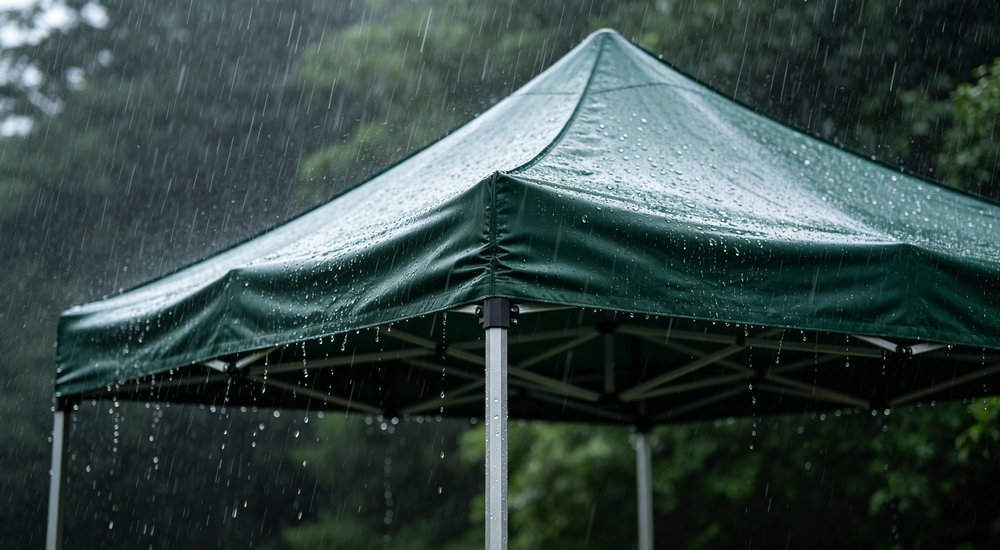
For short-term disaster relief, 600D Oxford with PU3000-5000mm coating balances cost and performance. For long-term wet camps, PVC-coated polyester at 10000mm+ delivers superior durability.
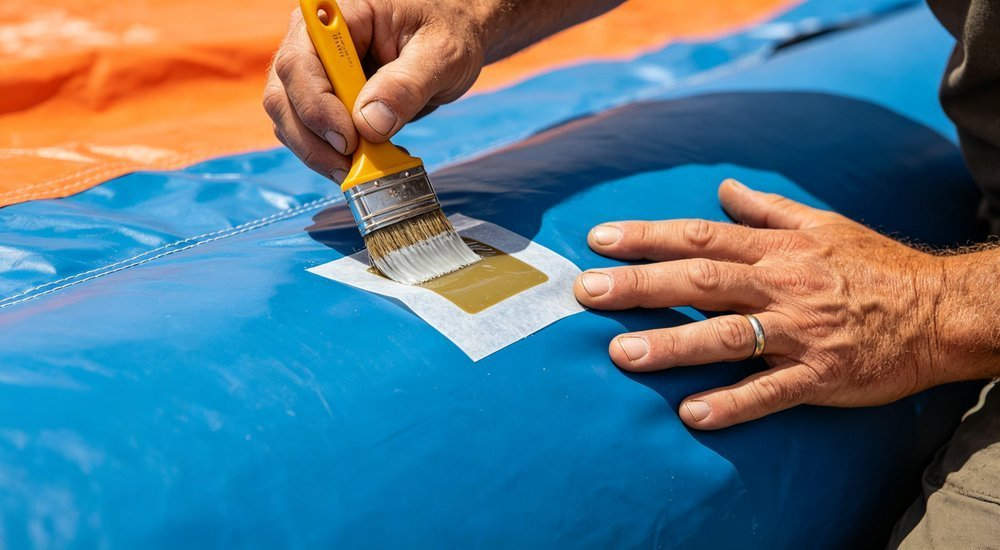
Canvas remains preferred for cold-climate family camps where breathability matters more than absolute waterproofing. Match the fabric to your rain exposure and deployment duration.
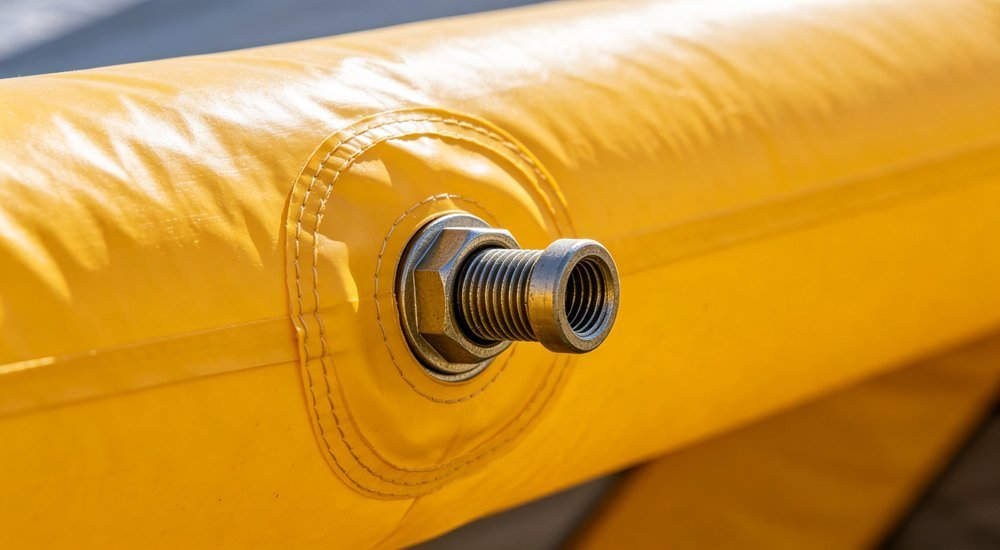
Finding the best tent fabric for rainy season deployments requires understanding how waterproof tent material comparison charts translate to real field performance. This guide serves as a comprehensive tent fabric GSM and denier guide for procurement teams. When comparing tent fabric options for waterproof tent applications, understanding 600D Oxford cloth PU coating specifications, PVC coated polyester hydrostatic head ratings, and cotton canvas breathability is essential. As a tent fabric manufacturer, we provide waterproof fabric and tent material solutions for relief tent fabric procurement worldwide. When sourcing tent fabric waterproof materials for emergency shelters, buyers must evaluate 600D Oxford fabric vs PVC coated polyester vs cotton canvas. As a professional tent fabric manufacturer and waterproof tent material supplier, we provide wholesale tent fabric options including PU coated Oxford cloth, PVC laminated polyester, and waxed canvas for relief tent procurement. Understanding hydrostatic head ratings, denier specifications, and fabric GSM ensures you select the right waterproof shelter material. This makes our bulk tent ideal for international procurement.
The frame of a relief tent holds the shape; the fabric decides whether the people inside stay dry. A strong frame with the wrong cover leaks, flaps in wind, rots in dampness, or cracks under UV within a single season. Buyers who compare tents on frame price alone usually discover this on the first rainy night. This makes our tent export ideal for international procurement.
Fabric performance is the sum of six variables working together: the base yarn, the weave, the coating, the seam treatment, the color treatment for UV, and the storage history. A fabric that tests at 3000mm in the lab can perform worse than a 2000mm fabric in the field if its seams are untaped or if it has been stored folded for two years in a hot warehouse.
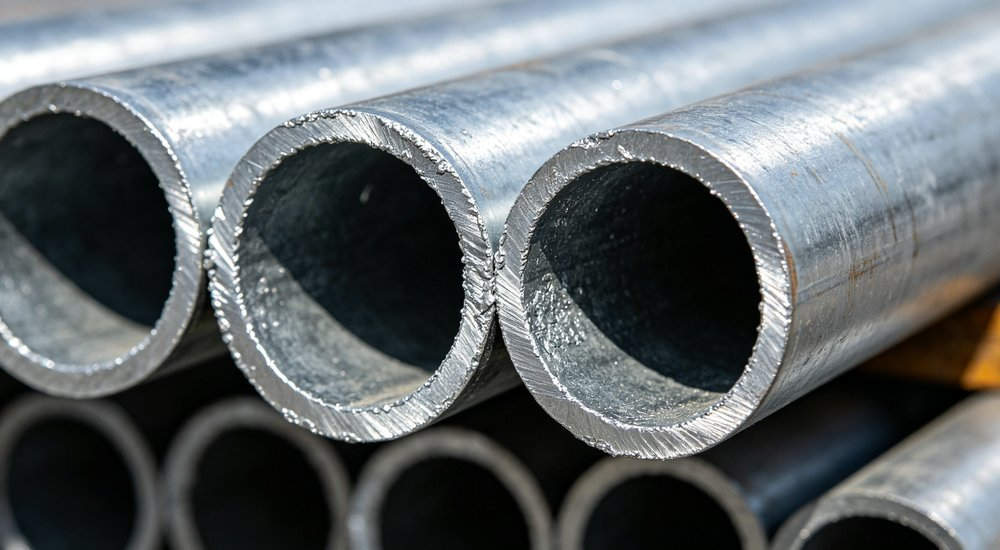
This is why we treat every quote request as a fabric decision, not just a frame decision. Before anyone argues about steel tube diameter, we ask: how long does this camp last? What is the rainfall? Is the tent stored outdoors or indoors? Who will repair it? The answers drive the fabric choice, and the fabric choice drives 40-60% of the final tent cost.

Key fabric parameters include denier fabric count, fabric GSM weight, coating type, and hydrostatic head rating. Waterproof tent performance depends on the complete tent material system. Every fabric spec sheet uses the same handful of words. If you do not know what they mean, every quote looks identical. The table below decodes the terms you will meet in every tent fabric comparison.
When a quote says "Oxford fabric, standard," translate it immediately into the six numbers above. If the supplier cannot or will not give them, the fabric is whatever is cheapest that month. For related structure decisions, see inflatable vs frame tent comparison.
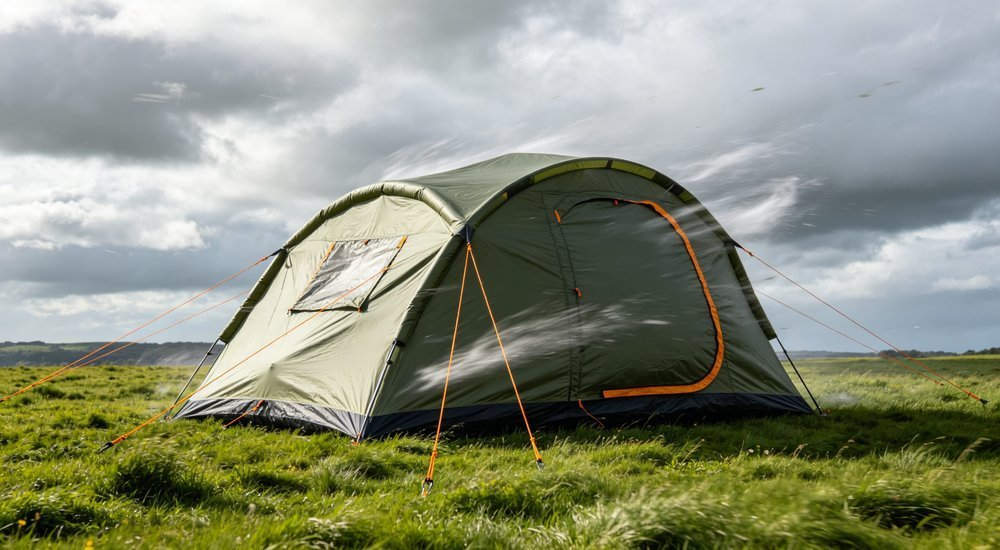
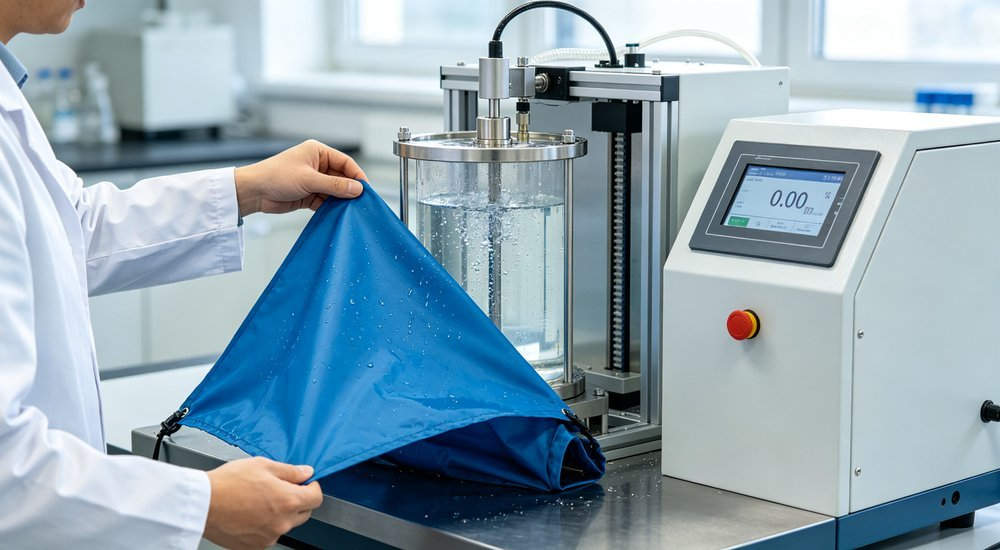
Our tent fabric hydrostatic head chart provides clear benchmarks for different rain exposure levels. Heavy duty waterproof tent fabric should maintain performance after repeated wetting and drying cycles. Hydrostatic head measurements determine waterproof fabric performance. A quality waterproof tent requires tent fabric rated for expected rainfall, with tent seam sealing ensuring no leaks at needle holes. Waterproof rating tent numbers are measured by clamping a fabric sample in a ring, pressing water onto one side at a controlled rate, and recording the water height in millimeters when the third droplet appears on the other side. This is called the hydrostatic head test. The number is a lab number; field performance depends on seams, slope and tension as much as on the fabric itself.
A useful rule of thumb: PU coating tent tops out around 5000mm because polyurethane is a film, not a block. Beyond 5000mm you move into PVC or thermoplastic urethane (TPU) laminates. For decontamination and wet-zone work, decontamination wash tents always specify 10000mm+ PVC.
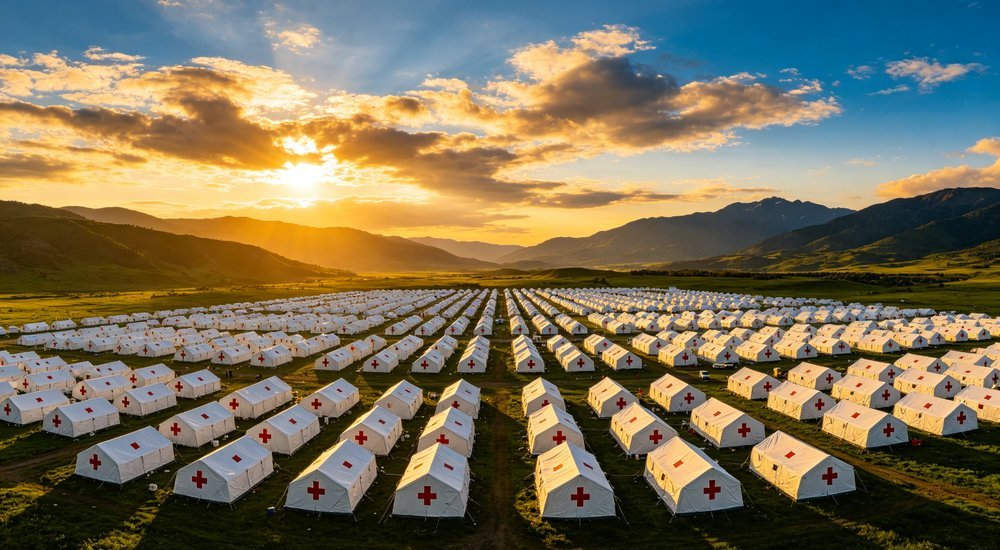
600D Oxford cloth with PU coating offers reliable waterproof performance. This denier fabric weave balances durability and weight, making Oxford cloth a popular tent material for emergency shelters. 600D oxford tent fabric is a plain-weave polyester yarn cloth woven in a basket pattern, then coated on the back with PU. It is the workhorse of budget-to-mid-range relief shelters. The "600D" describes the yarn; the coating does the waterproofing.
Typical 600D Oxford runs 160-220 g/m² uncoated and 240-320 g/m² with PU. PU3000mm is the sweet spot for short-to-medium relief use: light enough to pack by hand, cheap enough to discard after one mission, and stiff enough to hold its shape on a frame. Upgrades go to 900D or 1680D Oxford for abrasion-prone sites, or PU5000mm for monsoon campaigns.
Strengths: light, low cost, easy to print and logo, folds small, fast to sew. Weaknesses: UV degrades the PU coating in 2-4 years of outdoor exposure; cold temperatures make it slightly stiff; it is not chemical-resistant. Oxford is the right call when the tent will be used for weeks to months, packed away indoors between missions, and replaced on a rotation cycle. This makes our China tent ideal for international procurement.
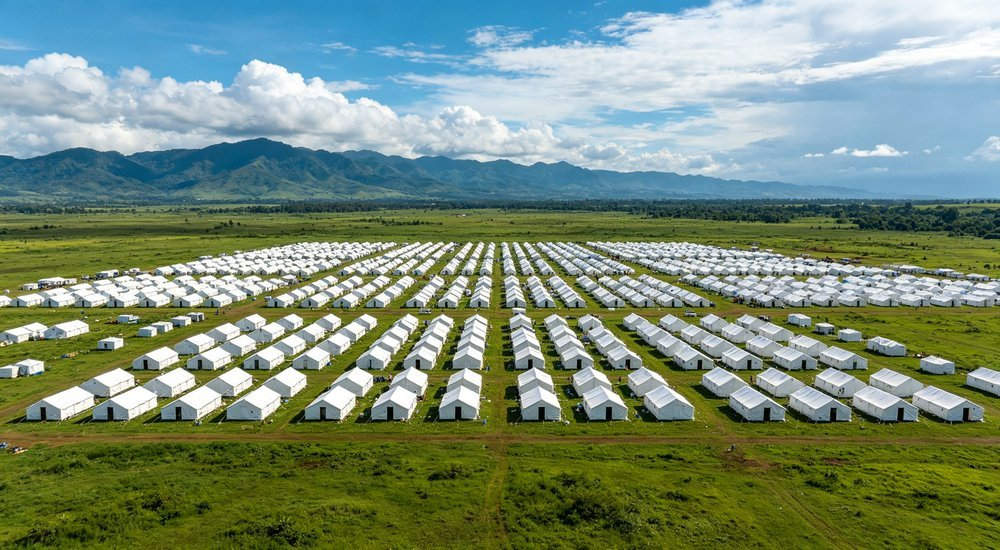
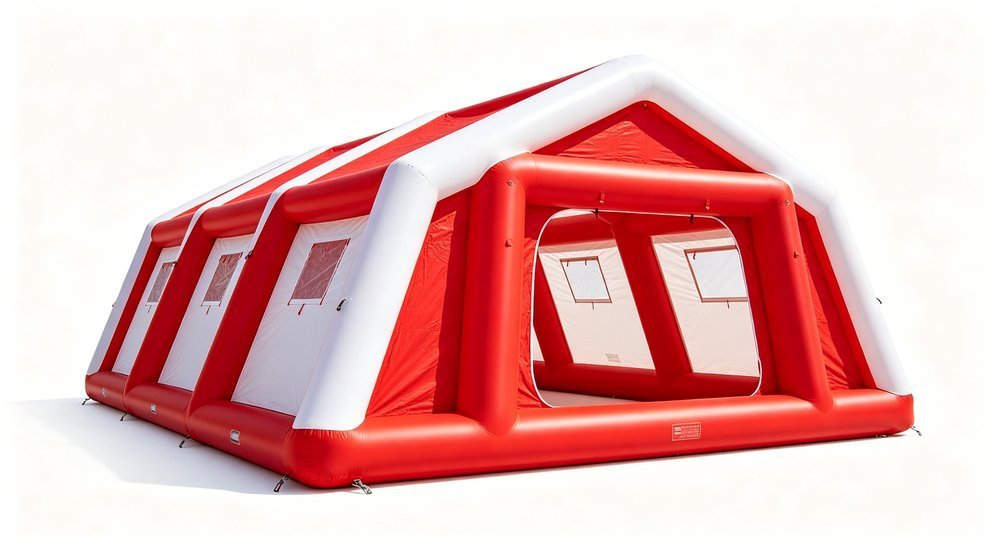
PVC coated polyester provides superior hydrostatic head resistance for long-term deployments. This waterproof fabric is ideal for inflatable structures where tent material must withstand constant pressure. PVC tent material is a polyester scrim laminated on both sides with plasticized polyvinyl chloride. The result is a thick, heavy, almost impermeable sheet. It is the fabric behind inflatable air beams, decontamination enclosures, and long-term industrial shelter walls.
Typical relief-grade PVC runs 500-900 g/m² and is heat-weldable rather than sewn. Heat welding is what makes inflatable beams possible: you cannot rely on stitches to hold air pressure. Hydrostatic head is effectively unlimited because the material itself is a plastic film. It also resists chemicals, oil, mud and abrasion far better than PU Oxford.
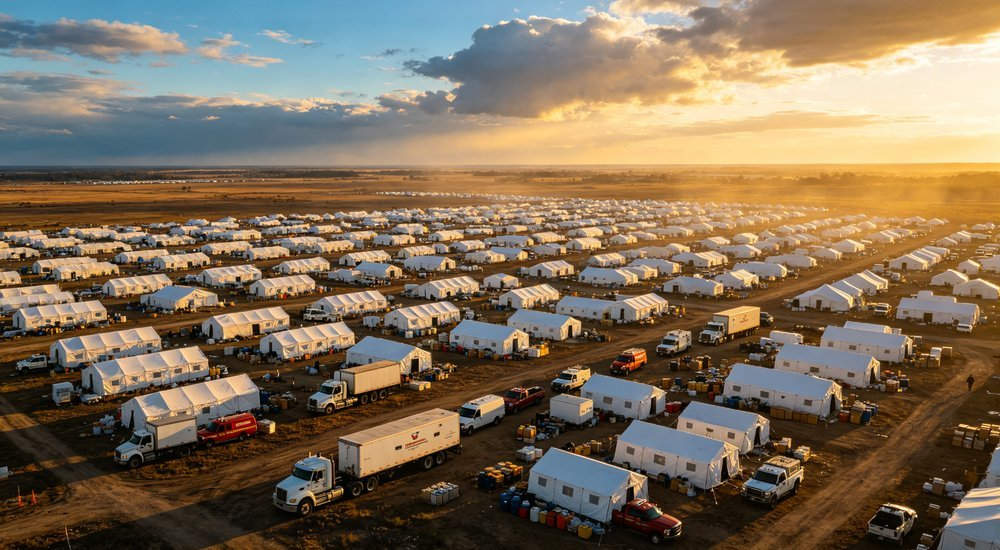
The price is weight and breathability. PVC tents trap condensation; they need deliberate ventilation. They are also stiffer in cold weather and produce a higher packing volume per square meter. For PU coating tent buyers who need more than 5000mm, PVC is the next step, not a slightly thicker Oxford. For a full comparison with frame structures, read inflatable vs frame tents.
Cotton canvas relies on natural fiber swelling when wet to achieve waterproof performance. This traditional tent fabric offers excellent breathability for permanent camp installations. Cotton canvas tent is woven from heavy cotton yarn, usually 280-500 g/m², and treated with a water-repellent and flame-retardant finish. It is the traditional fabric of expedition and military tents. It breathes, it insulates, and it ages gracefully.
Canvas works because the cotton fibers swell when wet, closing the weave. This is why a new canvas tent leaks slightly on the first rain and then becomes more waterproof as it breaks in. It also lets water vapor out, which means far less condensation than a coated synthetic wall. That breathability is the reason winter family camps still choose canvas over PU or PVC.
The downsides are weight (a 400 g/m² canvas cover is roughly twice the weight of a 300 g/m² PU Oxford cover of the same size), slower drying, and biological aging if stored damp. Canvas should be dried before storage, checked for mold, and retreated with water-repellent every 3-4 years. It is not a fabric for rapid 48-hour airdrop response; it is a fabric for months-long, settled camps. This makes our tent price ideal for international procurement.
When evaluating 600D Oxford vs PVC tent options, consider both initial cost and long-term maintenance. This waterproof tent material comparison includes cotton canvas tent waterproof rating data for all three major fabric categories. Below is the single table most buyers need. It compares oxford vs PVC tent material and canvas across every parameter that actually drives field performance.
Use this table as the default comparison. If a supplier's product does not fit any row cleanly, ask which row it claims and demand the lab numbers that justify the claim. For government civil-affairs frame tents built on Oxford, see civil affairs relief frame tent guide; for military-spec variants, see military camouflage relief tent.
Two fabrics can share the same Denier and the same hydrostatic head and still behave differently in the field. The hidden variable is tear strength. A fabric that tears at 250 N will split along a stake hole in a gust; a fabric that tears at 600 N will flex and recover.
Abrasion resistance is the second hidden variable. Relief tents are dragged across gravel, tied to trucks, rubbed against tree branches, and folded over rough ground. Oxford cloth with a PU coating scuffs through in one season on rough sites. PVC and tightly woven canvas survive the same treatment. Ripstop weaving (thicker reinforcement yarns on a 5-10 mm grid) stops small cuts from propagating and is worth asking for on any heavy-use shelter.
When you compare two 600D quotes at the same price, the difference is usually tear strength and abrasion finish. The cheaper cloth uses 200-300 N tear yarn; the more reliable one uses 400-600 N. Ask for the tear strength number in Newtons. If the supplier only says "heavy duty," walk away.
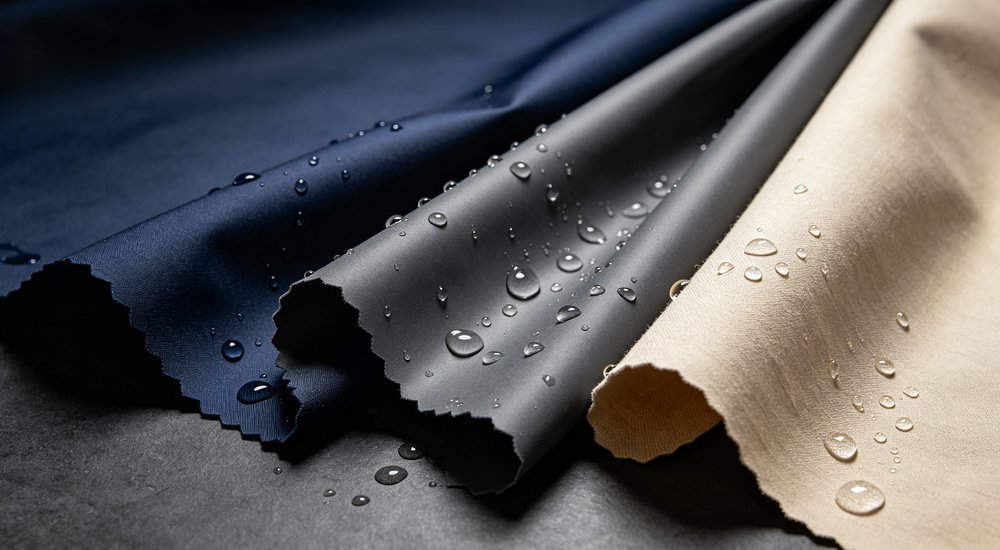
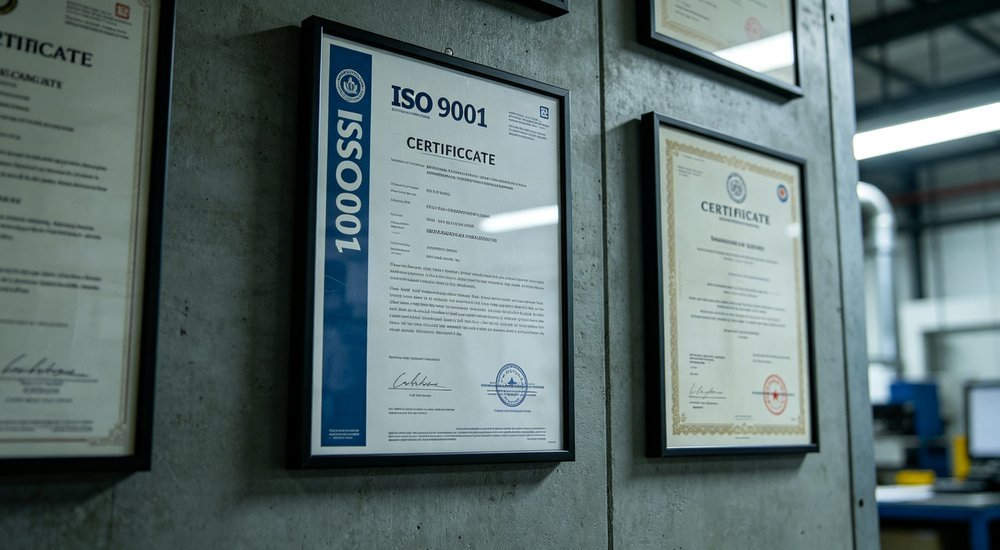
Flame retardant fabric treatment is mandatory for emergency shelter materials. Our UV resistant fabric coatings also prevent degradation from sun exposure, extending tent fabric service life. Fire safety is not optional for institutional tents. Relief shelters, field hospitals, school evacuation sites and any tent near a cooking area need fabric that self-extinguishes rather than runs with a flame. The two benchmarks buyers should recognize are CPAI-84 (US camping industry standard) and NFPA 701 (textile flame propagation).
Both standards require the fabric to stop burning within a short distance after the ignition source is removed. The treatment can be inherent in the yarn (best) or added as a finish (cheaper but wears off). Ask whether the test report is tied to the actual fabric lot, and whether the treatment survives cleaning. A finish that washes off after one rain is not a real flame rating.
For medical and clinical tents, see medical emergency tents, where fire ratings are usually written into the tender. For fireground use, see fire rescue inflatable tents, which add heat and smoke ventilation on top of fabric flame resistance.
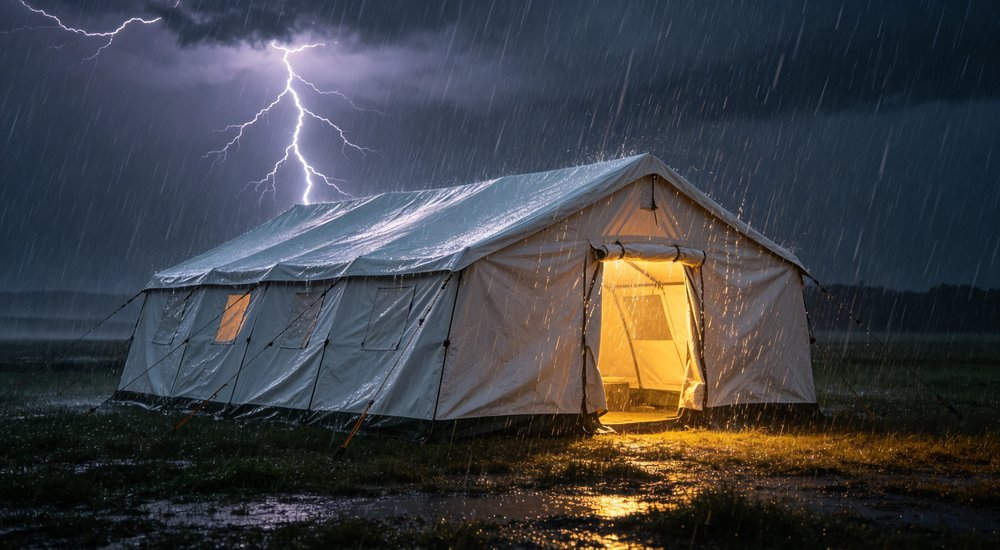
Sunlight kills tent fabric faster than rain. Ultraviolet radiation breaks down the polymer chains in polyester and the binder in PU coatings. A tent left outdoors in direct sun for a year ages as much as three years of indoor storage. The symptom is familiar: the fabric turns chalky, the coating cracks, and a fold line turns into a tear under light wind.
Buyers can reduce UV aging in three ways. First, choose lighter, more reflective colors in sunny climates (white, sand) rather than dark green or black, which absorb heat. Second, ask whether the fabric has a UV stabilizer masterbatch added during coating. Third, rotate tents into shade or storage between uses. A fabric with no UV stabilizer will look tired in two summers; a stabilized PVC canvas can last five to eight years outdoors.
For cotton canvas, UV aging shows as fiber breakage and rotting along folded edges. Treat canvas with a water-repellent and UV-inhibiting re-treatment every three to four years, and keep it out of direct sun when not deployed.
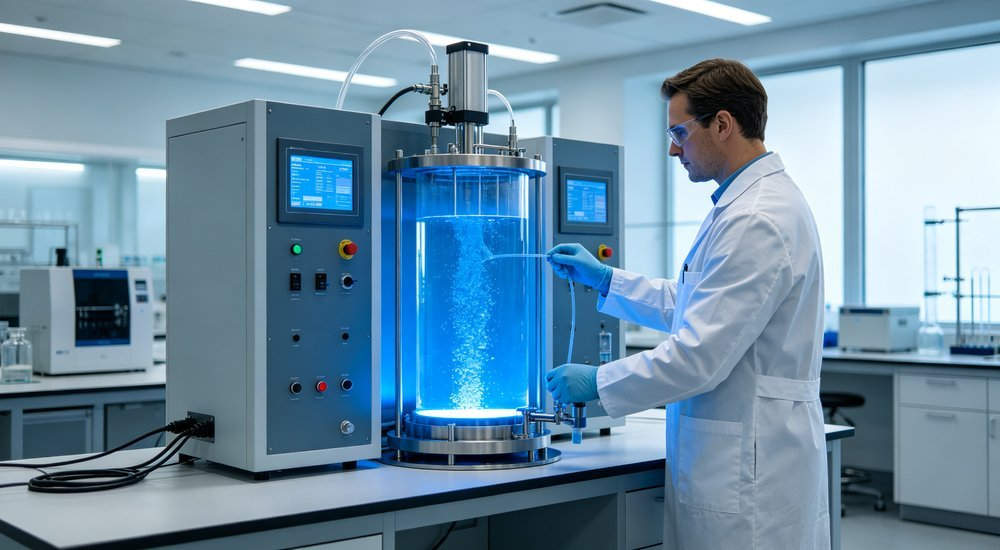
As an emergency shelter fabric supplier, we recommend matching fabric specifications to deployment duration. Relief tent material wholesale buyers should request sample rolls for laboratory verification before committing to large orders. For custom requirements, OEM tent manufacturing allows buyers to specify fabric weights, coatings, and colors, while ODM tent services provide pre-designed solutions with faster delivery. Both options support volume purchasing for relief organizations and government procurement. Wholesale tent fabric buyers should match material properties to deployment duration. OEM tent and ODM tent customization allows specification of flame retardant fabric and UV resistant fabric treatments. Stop asking "which fabric is best" and start asking "which fabric fits this mission." The table below maps common relief and emergency scenarios to the fabric we recommend.
This selection is a starting point, not a rule. If your site combines two conditions (for example, winter plus wet plus chemical), layer the requirements and ask for a combined spec. For a structure-level decision between inflatable and frame, see the comparison guide.
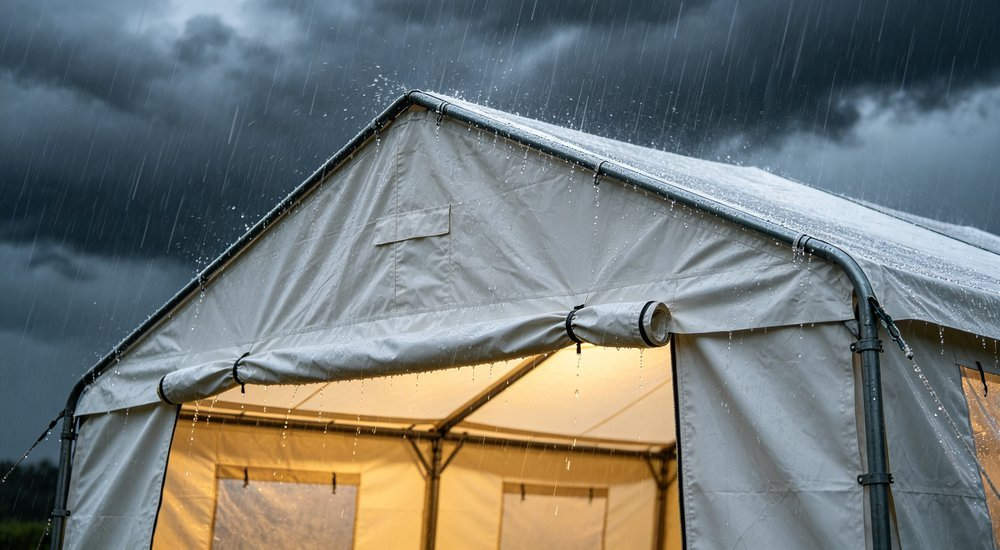
Proper tent seam sealing is critical for real-world waterproof performance. Needle holes from sewing create potential leak paths even in fabric rated at 10000mm hydrostatic head. The fabric panel is only half the waterproof story. A 5000mm panel with untaped seams leaks at 500mm of rain because water wicks through needle holes. The seam is where most real-world failures start.
Three seam treatments are common. Double-stitched flat seams are fine for canvas and for dry-climate use. Taped seams (hot-air or solvent-welded tape over the stitch line) are standard for PU Oxford and required for any rating above 2000mm. Heat-welded seams are used exclusively on PVC and inflatable bladders, because they become one continuous waterproof membrane with no holes at all.
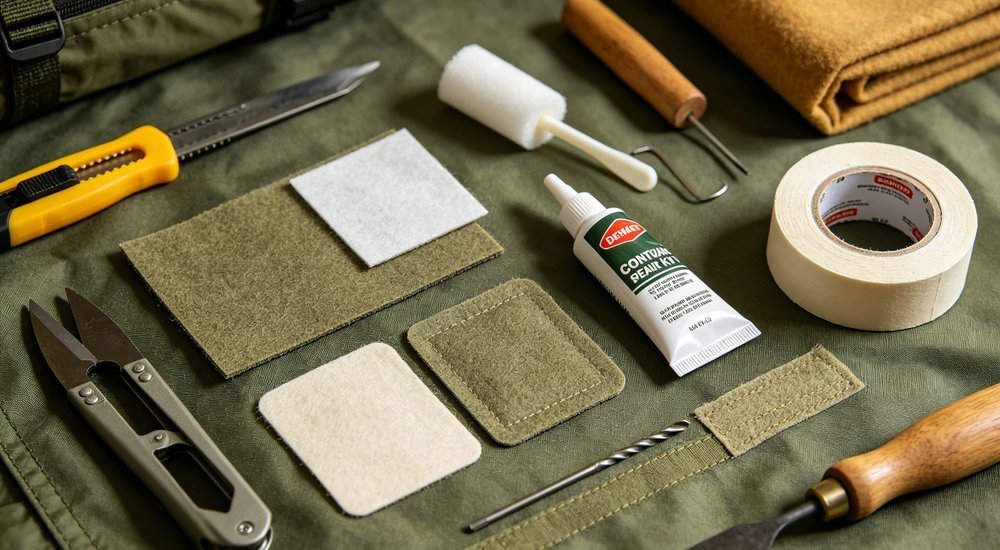
Ask suppliers: which seam method, on which panels, and can they show a seam cross-section? Also ask about guy-line webbing reinforcement: a staked corner that tears away from the panel is a stitching failure, not a fabric failure. Reinforced webbing bars at every tie-down point separate a field-grade tent from a camping tent.
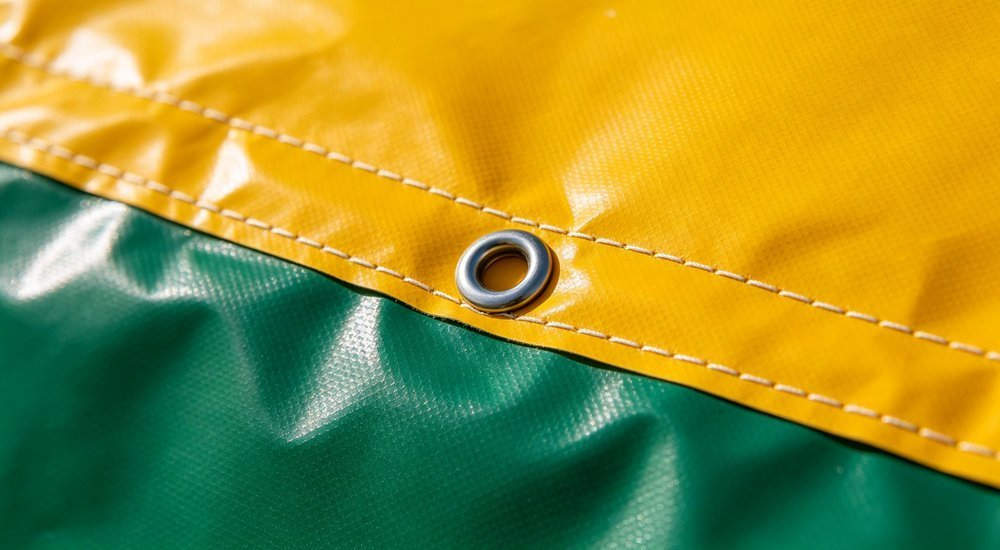
A fabric that was right for the mission still fails fast if it is packed wet. Mold grows on damp canvas and PU coatings in days. Salt, sand and bird droppings accelerate UV aging. Simple care rules extend life by years.
After every deployment: brush off mud, sand and leaves. Rinse with clean water if contaminated. Air-dry completely in shade, never in direct midday sun. Check seams for peeled tape. Inspect folded edges for chalkiness. Store loosely, not compressed, in a cool dry place, off the concrete floor. Refold along different creases each time to avoid permanent fatigue lines.
Cleaning: use mild soap and cold water only. Never use bleach, solvent, or a pressure washer on coated fabric. Pressure washing drives water under the coating and peels it. For canvas, occasional wax re-treatment restores water shedding. For PU Oxford, a wash-in water repellent restores beading but does not repair cracked coating.
Expected fabric life decides the real cost of ownership. A cheaper fabric that needs replacement in two years can cost more than a slightly more expensive fabric that lasts eight. The table below compares expected outdoor life under typical relief use.

This comparison table provides essential specifications for procurement evaluation. Buyers use this data to compare configurations, assess material quality, and calculate total project costs. As a professional tent manufacturer with extensive export experience, we ensure all parameters meet international standards and field deployment requirements. This information is particularly valuable for government procurement teams, NGO aid organizations, and international relief agencies evaluating bulk supply contracts.
The following table breaks down critical dimensions for PVC tent material. Buyers reference this information when assessing tent coating guide configurations, lead times, and total cost of ownership. Our role as a trusted tent manufacturer means these specifications are validated through real-world emergency deployments and rigorous quality testing. This information is particularly valuable for government procurement teams, NGO aid organizations, and international relief agencies evaluating bulk supply contracts.
|
Fabric type |
Outdoor UV life |
Indoor storage life |
Repairable in field? |
Replacement cover availability |
|
420D Oxford PU1500 |
1-2 years |
3-4 years |
Patch and tape |
Common stock |
|
600D Oxford PU3000 |
2-4 years |
5-6 years |
Patch and tape |
Common stock |
|
900D Oxford PU5000 |
3-5 years |
6-8 years |
Patch and tape |
Made to order |
|
PVC 600-900 g/m² |
5-8 years |
8-12 years |
Heat weld / glue |
Made to order |
|
400 g/m² cotton canvas |
5-10 years |
10+ years |
Sew and wax |
Made to order |
* Life estimates assume proper use, drying before storage, and annual inspection. Constant outdoor exposure in tropical sun halves these numbers. Replace covers before the first crack spreads, not after the first leak.
Several myths circulate in relief procurement and quietly buy the wrong fabric. Here are the most common ones, with the corrected version. As a leading tent factory,
Myth 1: "Thicker is always better." Thicker fabric costs more to carry, takes longer to dry, and can be stiffer in cold weather. Match weight to mission, not to ego. A 300 g/m² Oxford works fine for a three-month summer camp; a 900 g/m² PVC cover is wasted there.
Myth 2: "10000mm means it is also stronger." Hydrostatic head measures water resistance, not tear strength. A thin PU film can hit 10000mm on a 200 g/m² scrim that tears easily. Always ask for tear strength and tensile strength separately.
Myth 3: "All Oxford cloth is the same." 420D, 600D, 900D and 1680D are entirely different fabrics sold under one word. A 420D PU1500 Oxford is not a lighter version of a 600D PU3000 Oxford; it is a different product.
Myth 4: "PVC is always waterproof." PVC film is waterproof, but the seams, valves and air-beam junctions are not until they are heat-welded and pressure-tested. A poorly welded PVC tent leaks air and water just like a stitched one.
Myth 5: "Canvas needs no coating." Raw cotton canvas is not waterproof; it is water-resistant by swelling. It still needs a water-repellent finish and flame retardant treatment for institutional use.
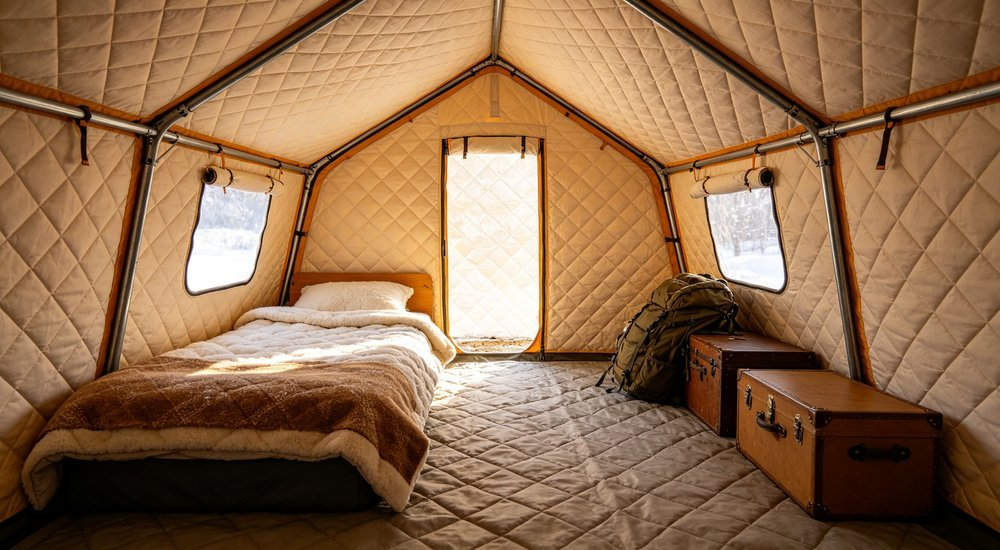
Custom tent fabric OEM manufacturer partnerships allow specification of exact coating weights and colors. Verify that your supplier can provide consistent quality across multiple production batches. Quality inspection should verify fabric GSM, denier fabric count, coating thickness, and hydrostatic head ratings. Request test reports from your tent fabric manufacturer before accepting wholesale tent fabric deliveries. Before you sign off on a bulk order, inspect a sample against the checklist below. It takes ten minutes and catches most of the mistakes that would otherwise surface in the field.
For custom fabric choices such as special colors, printed logos or reinforced panels, see custom emergency tent OEM. For government tender specifications, combine this fabric checklist with the civil affairs frame tent spec table.
As a China-based tent fabric factory with 15 years of textile manufacturing experience, we offer OEM and ODM customization for waterproof tent materials. Our bulk fabric orders include custom coating weights, color matching, and flame retardant treatments to meet international relief standards. We export worldwide and provide competitive wholesale pricing for volume purchases.
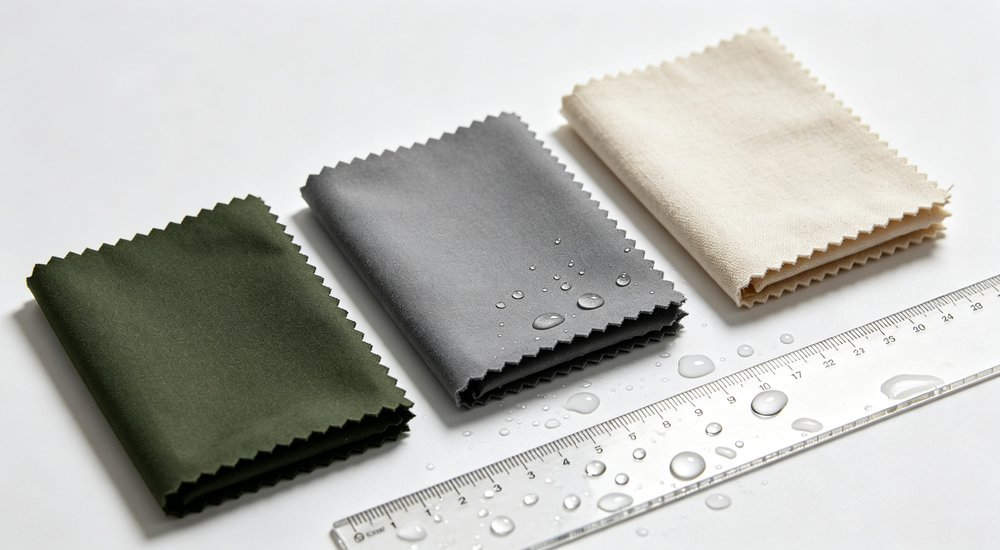
600D means the yarn used to weave the Oxford fabric has a Denier of 600. Denier measures yarn thickness: higher numbers mean thicker yarn, heavier fabric, and generally better abrasion resistance. It is not a waterproof rating by itself. Always pair Denier with gsm weight, coating type and hydrostatic head.
PU3000mm hydrostatic head handles steady moderate rain for short to medium deployments. For flood season, monsoon or continuous rain, choose PU5000mm or PVC-coated fabric. 1000mm is only light shower; 10000mm is for prolonged heavy rain and wet-zone decontamination tents.
Oxford cloth (600D/PU) is lighter, cheaper and easier to pack, best for short-term disaster relief. PVC-coated polyester is heavier but nearly fully waterproof and abrasion-proof, best for inflatable beams, long-term camps and CBRN/decontamination use. Choose by mission duration and wet exposure.
Cotton canvas absorbs small amounts of moisture and allows water vapor to pass, which reduces condensation inside. It also holds heat better than coated synthetics when layered. The trade-off is weight, longer drying time and slower water shedding in heavy rain.
PU (polyurethane) is a thinner coating applied to the back of woven Oxford cloth; it is light, flexible and reaches 2000-5000mm. PVC (polyvinyl chloride) is a heavy plasticized film bonded to polyester; it is heavier, stiffer, reaches 10000mm+ and resists chemicals and abrasion far better.
Ask for a hydrostatic head test report from an accredited lab. Wet a patch, then pour water slowly over it. Real waterproof fabric beads water; cheap fabric darkens and seeps in minutes. Also check that seams are tape-sealed, not just stitched.
600D Oxford with PU coating lasts 2-4 years in continuous outdoor UV exposure. PVC-coated polyester lasts 5-8 years. Treated cotton canvas lasts 5-10 years if dried and stored properly. UV exposure, not rain, is the main aging driver.
Ripstop fabric has thicker reinforcement threads woven in a grid pattern so a small tear stops spreading. It is worth it for heavy-use relief camps, remote sites where repairs are hard, and any fabric that will be patched in the field.
Always dry the fabric completely before packing. Store in a cool, dry, ventilated place away from direct sunlight and chemicals. Do not fold along the same crease every time. Check for mold or brittleness every six months.
Yes. Clean the fabric, dry it, then apply a silicone or PU water-repellent spray or wash-in treatment. Re-taping seams matters more than re-spraying the panel. Once the coating cracks and peels, replacement is more reliable than re-treatment.
For institutional buyers, require CPAI-84 (US camping industry) or NFPA 701 (textile flame propagation). Ask for a third-party test report tied to the actual fabric lot. A printed claim on a spec sheet is not enough.
Compare Denier, gsm weight, coating type, hydrostatic head in mm, tear strength, fire rating and UV treatment on the same table. Do not compare price alone: a 420D PU1500 cloth is not comparable to a 600D PU3000 cloth even if both are called 'Oxford'.
Tell us your climate, mission duration and rain exposure
Looking for tent manufacturer? Contact us for factory-direct pricing. As a leading tent supplier,
Looking for tent factory? Contact us for factory-direct pricing.
Professional tent export supplier with factory-direct pricing.
Professional China tent supplier with factory-direct pricing.
Professional tent price supplier with factory-direct pricing.
We check Denier, gsm, coating and hydrostatic head line by line.
Contact us today for factory-direct pricing and custom solutions.
 |

|
روابط ودية :
حقوق النشر © Custom Disaster - Relief Bedding: Tents, Sleeping Bags, Blankets كل الحقوق محفوظة
الفريق المحترف للخدمة !