التصنيفات
Raschel Blanket Wholesale for NGOs and Relief Agencies: Thick-Plush Specification, GSM Repeatability, Pallet Packing, QC Checks and Sampling Protocol Before Your Next Bulk Order
Raschel Blanket Wholesale: Thick-Plush Spec, GSM & Bulk Buying
Buying raschel blankets in bulk first? This guide to raschel blanket wholesale shows the spec, GSM, pallet pack, QC and sample steps that guard a bulk load. It is made for NGO and aid buyers, and for teams that plan relief stores. Check the full list with care before you place every single bulk order.
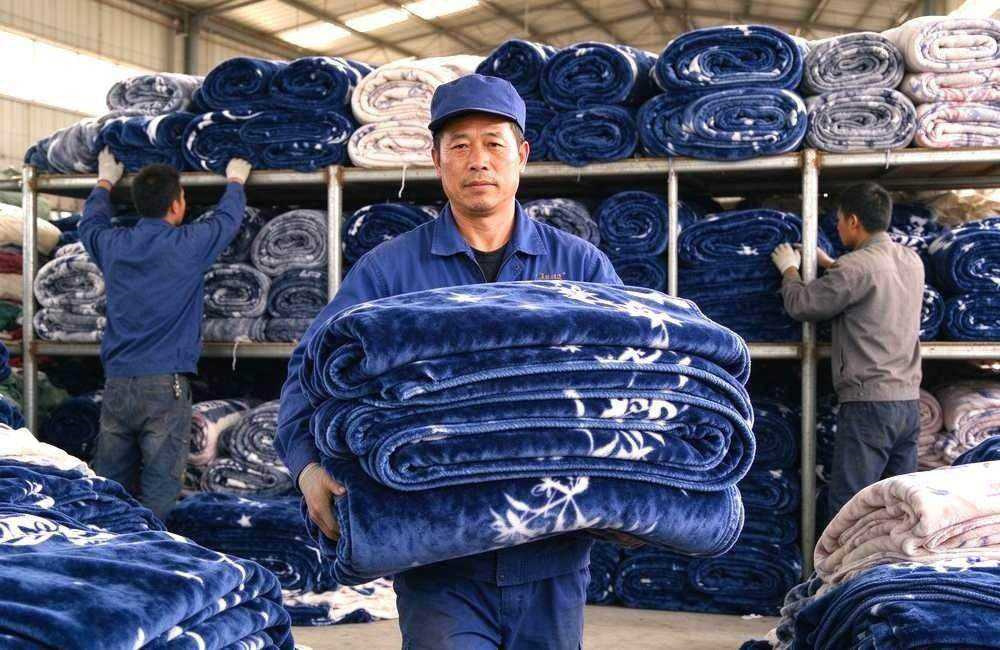
Warehouse rolls of raschel blankets ready for dispatch.
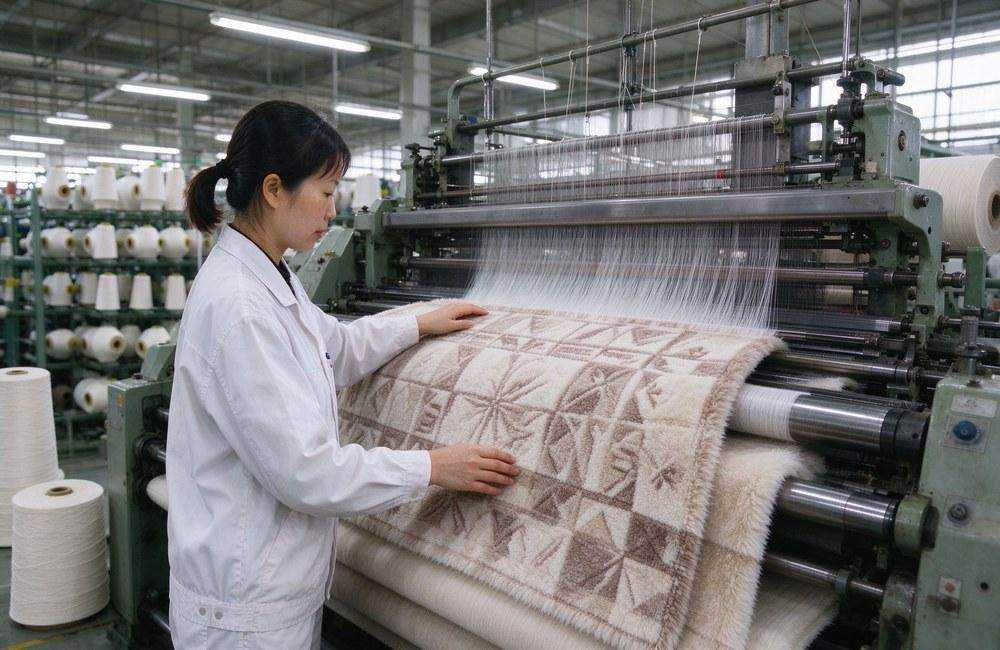
Raschel blankets are produced on high-speed raschel knitting machines that lock the fleece pile firmly into the base weave. The result is a dense, pill-resistant surface that keeps its loft through washing, making raschel fleece blankets a trusted choice for bulk buyers and blanket manufacturers worldwide. Production speed also matters: one modern machine can weave long continuous runs, which keeps unit costs low when orders reach tens of thousands of pieces. Production speed also matters: one modern machine can weave long continuous runs, which keeps unit costs low when orders reach tens of thousands of pieces.
Thick plush and standard raschel compared.
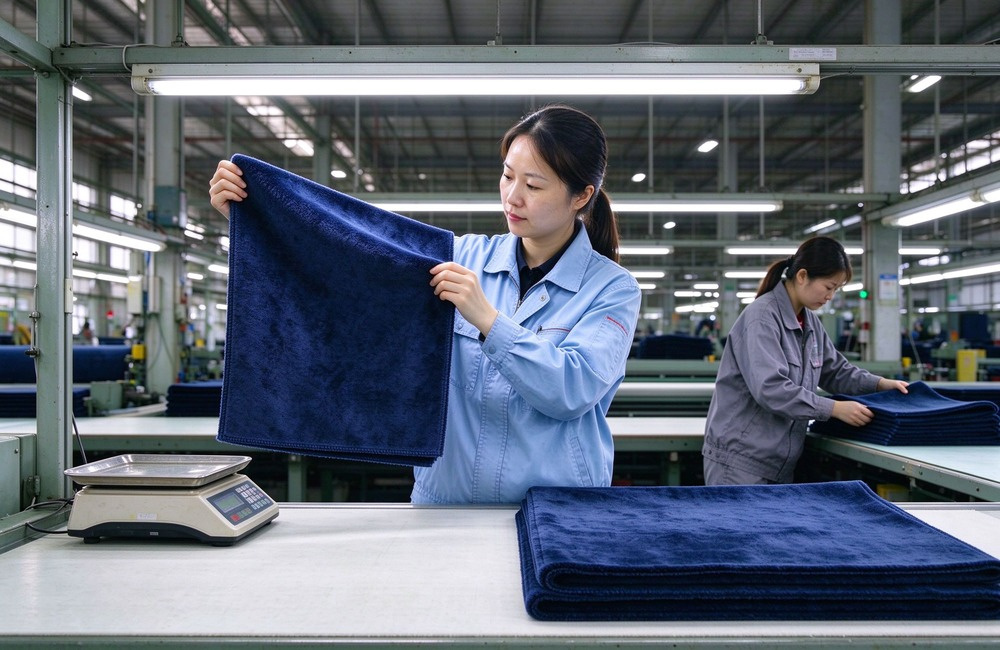
Quality control for raschel blankets covers pile density, stitch tension, color fastness and edge finishing before bulk packing. Every roll is weighed and inspected, and sampling records are kept so wholesale blanket orders can be traced back to each production shift. For overseas buyers, sealed pre-production samples and random in-line checks give the confidence needed to accept large shipments without visiting the factory. For overseas buyers, sealed pre-production samples and random in-line checks give the confidence needed to accept large shipments without visiting the factory.
Bulk buyers usually ask for sealed samples, third-party inspection and staggered delivery. A raschel blanket manufacturer with balanced production lines can split large orders into manageable lots, protecting both cash flow and on-time arrival for seasonal procurement. Staggered delivery also lets buyers distribute inspection effort across batches and adjust quantities early if field needs change. Staggered delivery also lets buyers distribute inspection effort across batches and adjust quantities early if field needs change.
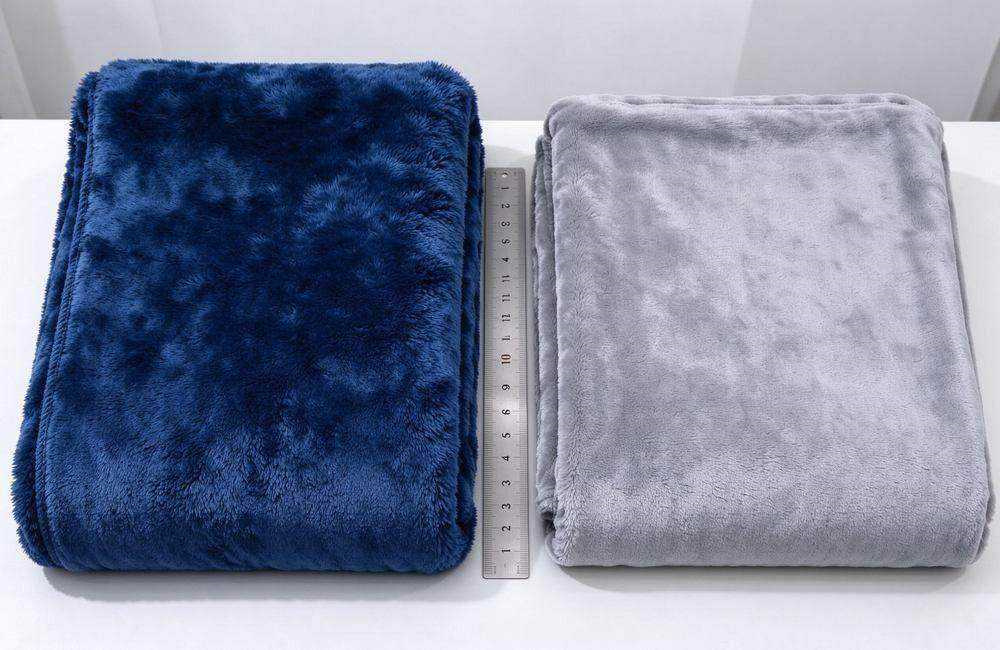
raschel blanket wholesale sale order should start with the construction, not with a colour or a price. Raschel is a warp-knitted fabric with a soft, dense pile, and bulk buyers compare it against woven blankets, fleece and other knits on five practical columns: structure, weight, feel, packing and wash behaviour.

Cold-season distribution to outdoor users.
The same five columns serve the warehouse after the order arrives: structure and weight guide storage, feel guides issue decisions, and packed volume guides the freight review for the next order.
Two raschel blankets from different suppliers can look similar in a photo and behave differently in the hand because yarn count, pile density and finishing change the result. That is why the physical sample, not the catalogue image, is the reference for the comparison.
Keep the same table for the reorder: the next tender compares against the previous shipment on the same five lines.
The five columns are also the five questions a supplier should answer in one page: construction, GSM, feel, packed volume and wash behaviour. A one-page answer keeps the tender comparable.
For wool and textile testing methods, see IWTO wool guidance and ISO textile standards.
A comparison table also protects the tender process: every supplier answers on the same five columns, and the buyer team scores the same evidence for each one.
Compare every construction on the same five columns before a price list enters the conversation. A sample table that records structure, weight, feel, packing volume and wash behaviour keeps the shortlist honest and gives the buyer team a shared reference for the discussion.
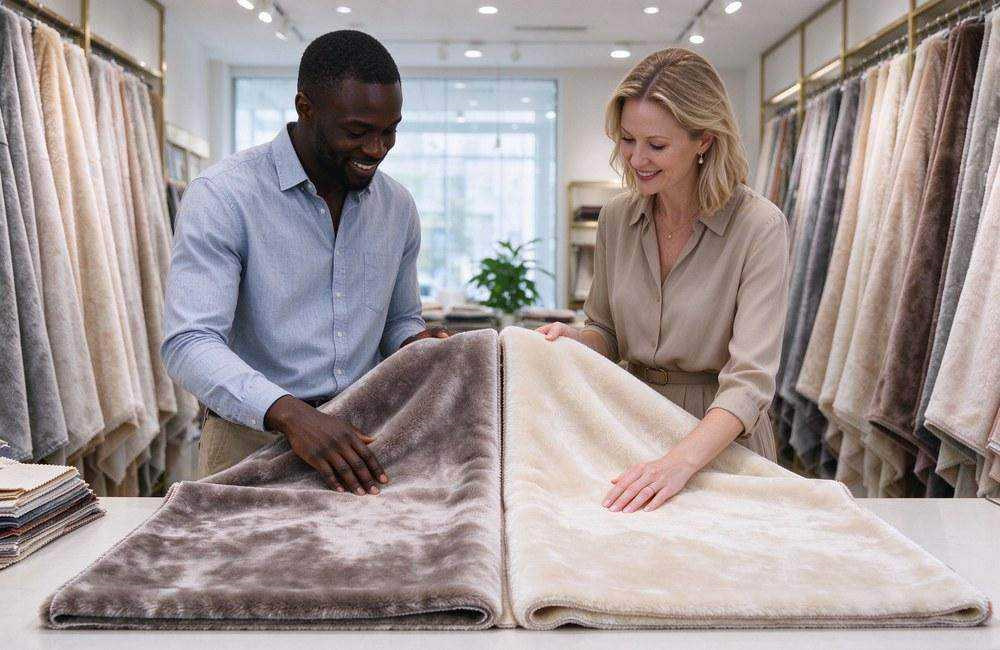
Thick-plush raschel earns its place when users genuinely benefit from fuller touch, settled coverage and visible pile. For a relief program the same blanket must survive packing, storage, washing and reissue, so the spec that sounds comfortable on paper also has to pass the logistics test.

Warm family use with a settled raschel blanket.
Keep a one-line record of the condition that mattered for each order: cold nights, frequent washing or long storage. The record becomes the brief for the next purchasing cycle and prevents the same debate from reopening.
A distribution program that issues to families usually values a blanket that stays in place and blocks drafts, while a program that stores for years values packed volume. The two programs can order the same construction at different GSM and still meet their users.
Write the issue method into the plan so distribution teams do not rediscover it on delivery day.
Handling between warehouse and user also sets the packing: bagged, bundled or bulk cartons change the receiving checklist.
Include the receiving side in the plan: who unpacks, who checks, who stores. A blanket that is easy to receive and store is cheaper to run than one that needs special handling.
Distribution programs should confirm how the blanket will be handled between warehouse and user: bagged individually, bundled in cartons or issued from open packs. The handling method affects packing, labelling and the receiving checklist, so it belongs in the order specification before production starts.
Packing volume and freight cost follow the same logic as construction: a plush blanket that compresses well ships efficiently, and a blanket that springs back immediately after unpacking recovers faster at the receiving point. The balance between the two is part of the specification, not an afterthought.

Dense plush pile of a raschel blanket.
Relief buyers often compare three candidate blankets before deciding: the tender sample, the previous shipment and the new proposal. Keeping all three in one file makes the choice visible to the whole team.
When a supplier calls a blanket thick-plush, ask for the pile height and the GSM before the sample is shipped. The numbers tell the QC team what to measure and tell the buyer what the freight will cost.
Compression, washing and storage change the pile, so the spec that survives these tests is the one that protects the order.
A showroom photo starts the conversation; the numbered spec finishes it.
The pile that looks generous in a showroom photo can behave differently after compression, washing and storage. Numbers protect the decision; photos only start it.
A reserve line and an issue line can share the same construction at different GSM, or differ entirely. The point is to write the role of each line into the purchasing plan so the warehouse does not confuse them during distribution.
The five figures above walk the same path a buyer team walks: construction, distribution, home use, pile detail and warehouse volume. Each image answers one question before the order is placed, and each question comes back to the measurable spec.
Every decision on this page is reversible at the sample stage, and costly after the container loads. That is why the sample protocol comes before the order.
In practice, the same five-column comparison also protects the budget: a construction that looks cheaper per piece can cost more in freight and replacement. Keeping the comparison on measurable columns instead of adjectives is the first step of every bulk buying decision.
Raschel blankets compete in bulk tenders against woven blankets, fleece blankets and other knitted constructions. The comparison is not “which fabric is better” but “which construction delivers the required outcome at the required quantity.” For a raschel blanket wholesale buyer, the practical comparison sits in five columns: structure, weight, feel, packing volume and wash behaviour.
|
Construction |
Structure |
Typical feel |
Packing & wash |
|
Raschel (warp-knit) |
Dense knitted pile on a stable base |
Soft, plush, warm |
Compresses well; machine washable at low agitation |
|
Woven |
Tight flat weave, no pile |
Smooth, firm, thinner |
Packs flat; heavier per volume |
|
Fleece (polyester knit) |
Brushed loop surface |
Very soft, lighter |
Bulky in cartons; pilling risk with friction |
|
Other knit (terry/jersey) |
Loop or plain knit |
Medium softness |
Varies; check wash and pilling behaviour |
The right construction depends on the program: a shelter that washes blankets weekly may value a stable base that keeps its shape, while a cold-season distribution may value the pile that traps air. Write the outcome you need into the tender, and let the construction compete on those terms.

“Thick-plush” is notblanket thick-plush while shorthand for pile height, pile density and finished weight. Two suppliers can both call a blanket thick-plush while one delivers a 380 g/m² blanket with a dense 5 mm pile and the other delivers a 300 g/m² blanket with a looser 7 mm pile that looks fuller but compresses badly. The visible pile tells you only part of the story.
Spec line
Measurable value
Why it matters
Finished weight (GSM)
e.g. 380 g/m² ± 5%
Controls weight, cost and warmth consistency
Pile height
e.g. 5 mm ± 1 mm
Defines the plush look and feel
Finished size after relax
e.g. 150×200 cm ± 3%
Fixes usable coverage after washing/relaxation
Edge finish
Lock stitch / self-hem
Prevents fraying in use and washing
Fiber content
e.g. 100% polyester or blend
Sets wash, drying and flame behaviour
When you receive a supplier’s spec sheet, read the tolerances as carefully as the headline values. A GSM written as “380 g/m² ±5 percent” means production may land between 361 and 399; a pile height without a tolerance cannot be checked at all. The QC team needs tolerances on every measurable line, or the sample approval has no enforcement.
Surface finish deserves a line of its own: napping, brushing or shearing changes the pile feel and the way the blanket performs in washing. Two blankets with the same GSM and pile height can still differ in softness after finishing, so the sample approval should include the finishing method and the hand feel recorded against a reference.

Checking pile density by touch.
Thick-plush raschel earnsrns its extra weight when the users genuinely benefit from fuller touch, settled coverage and visible pile. Adults in temporary accommodation during cold months, for example, often prioritise full coverage and a familiar, settled feel. A denser blanket stays in place, blocks drafts and feels more substantial during repeated use.
The user groups that justify thick-plush include cold-weather dormitories, temporary shelters, family kits for winter distribution and any program where the blanket is a primary comfort item rather than a spare layer. For each group, record the condition that matters: temperature range, frequency of washing, expected reuse cycles and storage space.
|
User group |
Key condition |
Thick-plush fit |
|
Cold-season dormitory |
Cold nights, daily use |
High fit: full coverage and settled feel |
|
Temporary shelter |
Mixed users, frequent reissue |
Good fit if washing and drying are available |
|
Winter family kit |
Home use, multi-season |
High fit: comfort and warmth are the goal |
|
Long-term reserve |
Years in storage, rare issue |
Lower fit: lighter raschel packs smaller |
Thick-plush is not a universal upgrade. If the program values packed volume, long storage or routine industrial washing above surface feel, a lighter raschel may serve the same users with a smaller freight footprint. Match the construction to the condition, not to the word “plusher.”
Seasonal timing changes the decision too. A program that orders in spring for a cold-weather distribution in autumn has room to test samples and adjust the spec; a program that orders against an urgent forecast needs a proven configuration and a supplier with stock. Build the seasonal lead time into the purchasing calendar so the thick-plush decision is made with data, not under pressure.

A user group list with one condition per group is enough to start the specification: the condition decides GSM, pile height, edge finish and packing in one pass.
Expected use frequency changes the spec more than the climate: a blanket kept by the user needs no wash cycle in the design.
A condition statement as short as “issued once per user, kept by the user” already changes the spec: it removes the wash cycle from the design and simplifies packing.
Write the expected use frequency into the specification as well: a blanket issued once and kept by the user needs a different edge finish and wash tolerance than a blanket that returns to the warehouse every week.
Relief programs that distribute to families in cold weather often choose thick-plush for the same reason: the blanket becomes the main warmth layer. When the same program also keeps a reserve, it can hold two configurations: a thick-plush issue line and a lighter reserve line that packs smaller.
The season also sets the review date: order after the previous season’s records are complete, and before the next season’s needs are urgent.

GSM tells you the weight of one square metre of fabric. It is the single most useful number for controlling repeatability between orders, but it does not promise a fixed comfort temperature. Two blankets at the same GSM can feel different because fiber type, pile structure, density and finishing all change how the fabric traps air and transfers heat.
For a raschel blanket GSM check, the buyer should compare samples at the same GSM to see weave, density and finish differences, then record which sample felt warmer and which dried faster. GSM becomes the contract number: production must stay within the agreed tolerance, usually ±5 percent, and QC weighs a sample from each production batch.
Cold-weather guidance from NOAA and other weather services emphasises layering and dry insulation, which is exactly how a dense raschel pile performs: it traps still air between the fibres. Keeping that principle in the spec helps the buyer explain the GSM choice to users and to budget holders.
Common institutional ranges for raschel blankets sit around 300–550 g/m². A 300 g/m² raschel is a lighter all-season option; a 380–450 g/m² range suits cold-weather programs; 500 g/m² and above is a heavy plush line that adds weight and freight cost. The right number comes from the user group and the local climate, not from a catalogue.
A GSM tolerance also protects the budget: a blanket that runs 10 percent over spec adds weight and freight cost without adding user value, while one that runs under spec may disappoint in warmth. The tolerance line in the order is the control point for both.
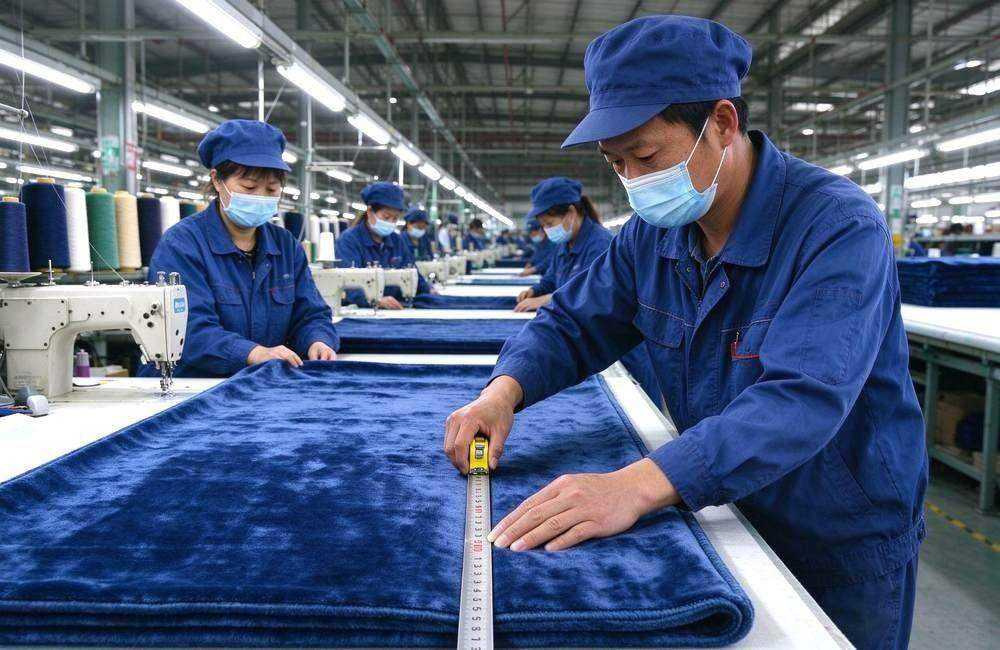
Measuring a folded sample in the workshop.
The unit price is the smallest part of the total cost picture. A raschel blanket wholesale quote that looks low on paper can become expensive once packing volume, freight, storage, care and replacement are added. The disciplined way to compare quotes is to build a per-1,000-pieces cost line that includes every step from factory to the shelf.
Humanitarian procurement guidance published by WHO and relief logistics handbooks describe the same discipline for non-food items: compare total delivered cost, include handling and storage, and keep a reserve strategy. Using an internationally recognised reference in the internal evaluation makes the comparison defensible in front of donors and auditors.
|
Cost step |
What it covers |
How it changes the comparison |
|
Unit price |
Fabric, making, packing |
The visible number; rarely the deciding one |
|
Freight |
Carton volume × rate |
Thick-plush packs bulkier, raising sea/air cost |
|
Storage |
Space per pallet |
Reserve programs pay for volume over years |
|
Replacement |
Wash survival and wear |
A cheaper blanket that fails early costs more |
Two quotes at the same unit price can differ by a wide margin on the total line if one packs into more cartons or needs replacement sooner. Ask each supplier for the packed carton dimensions, quantity per carton and gross weight, then put those numbers into the same cost sheet.
The cost sheet becomes the negotiation tool: when a supplier asks for a price adjustment, the buyer sees exactly which line of the total it touches.
Contingency belongs in the cost plan too: a small spare percentage covers damaged cartons, lost pieces and mid-program demand. Without a stated allowance, every surprise lands on the operating budget instead of the purchasing plan.
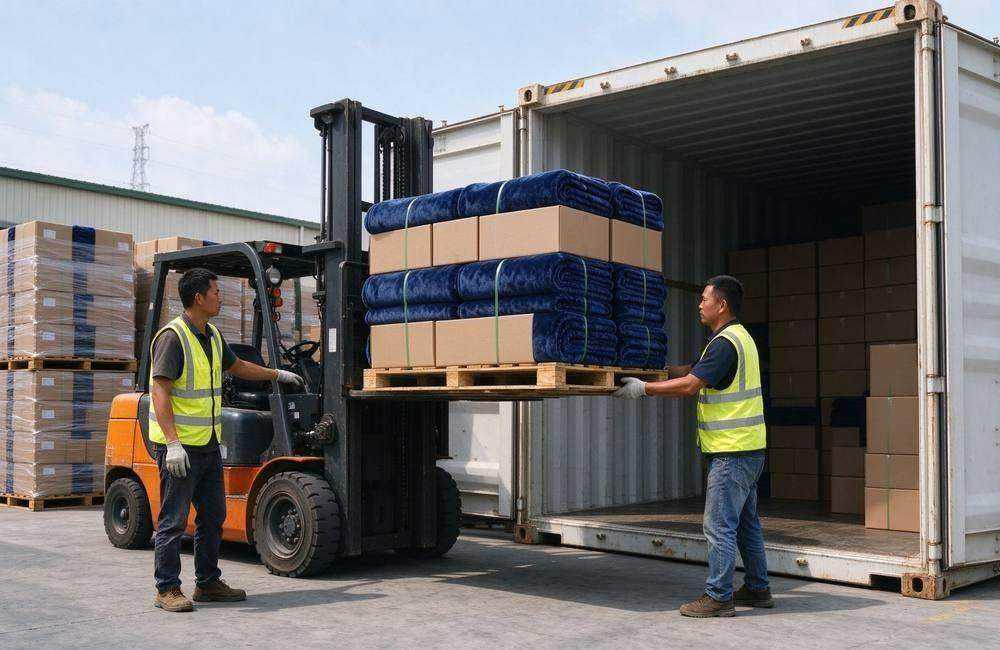
Packing is where a thick-plush order is won or lost in the logistics plan. A plush blanket with a long pile compresses less predictably than a flat woven blanket, so the packed dimensions must come from the actual product, not from a table of averages. The buyer should request the packed carton dimensions, the quantity per carton, the gross weight and the pallet layout before comparing freight.
Compressed packing can reduce volume for long storage, but compression changes how the pile recovers. A reserve program that stores blankets in compressed bales should test how long the pile takes to recover after opening; a distribution program may prefer standard cartons that keep the blanket ready for immediate issue.
The pallet plan should state cartons per layer, layers per pallet and the total pallet count for the order. This turns the quote into a shipment plan that the warehouse and the freight forwarder can execute without guessing.

Packing raschel blankets into cartons.
Packing documentation travels with the shipment so the receiving team verifies carton count, style and quantity against the packing list without opening every carton.
Carton labels with style, GSM, size and quantity reduce receiving disputes.
Ask for the same carton format across suppliers before comparing freight. The comparison is meaningless until the packing method is aligned.
Packing documentation should travel with the shipment: a carton label with style, GSM, size and quantity, and a packing list that matches the carton count. Clear labels reduce the receiving workload and prevent disputes at delivery.
During loading, the pallet layout protects the pile from pressure damage and keeps cartons stable in the container. A raschel bulk packing plan that includes pallet heights and container positions prevents crushed cartons and simplifies the delivery inspection on arrival.
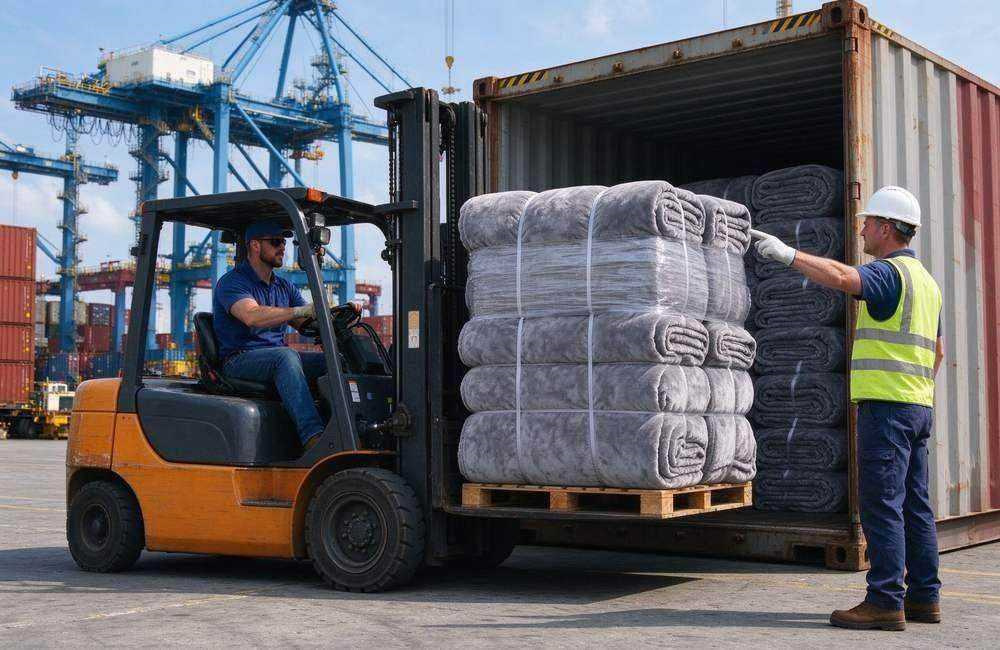
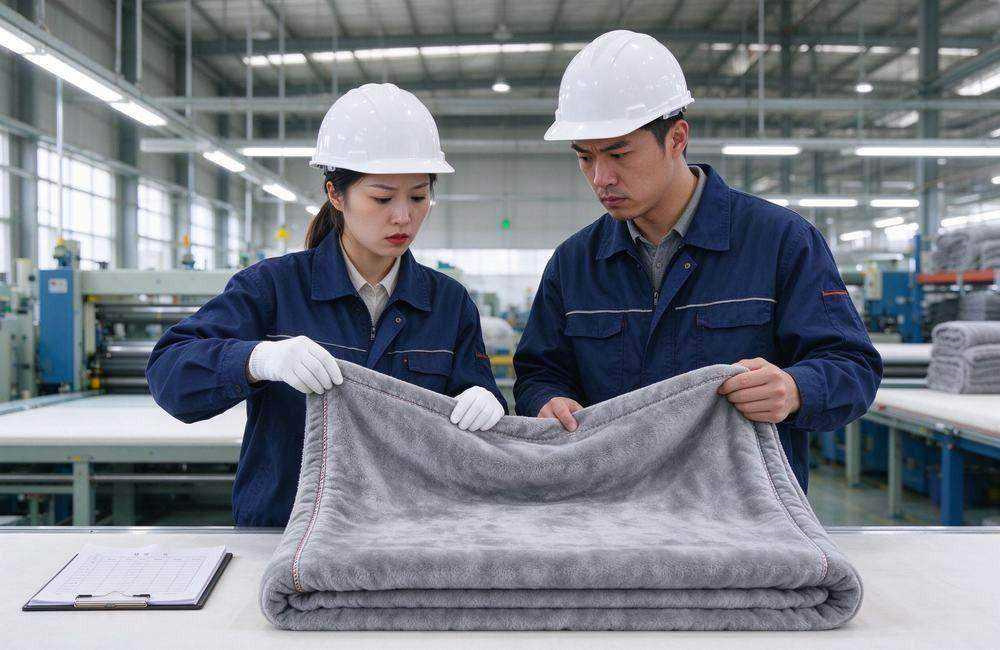
A container of raschel blankets deserves the same inspection discipline as any technical textile. The QC checks that matter for bulk buyers are: usable dimensions after relaxation, GSM against the approved sample, pile appearance and density, edge stability, label readability, odour, loose fibre and packing integrity. Each check is simple to run on a random sample from the production run.
Check
How to run it
Pass criteria
GSM
Weigh a known area of a sample
Within ±5% of approved sample
Finished size
Measure after relaxation
Within ±3% of the spec
Pile density
Visual + hand check vs sample
Matches approved pile, no bald patches
Edge stability
Pull-test the edge seam
No fraying or open stitches
Packing
Check carton count and labels
Matches packing list; labels legible
The buyer should define the sampling rate in the order, for example a set number of cartons per lot, and decide in advance what happens when a check fails: re-inspection, rejection of the lot or a corrected batch. A raschel QC checklist written into the order gives both sides a fair, pre-agreed result.
Keep the inspection record with the order file: supplier, lot number, carton numbers checked, results per line and the pass or fail decision. When the next order is placed, the same record becomes the baseline for comparing the new production against the proven one.
Textile quality management frameworks such as those referenced by ISO standards rely on defined sampling, measured tolerances and documented results. Applying the same logic to a blanket order — a written sampling rate, measured GSM and size, and a signed record — turns QC from a dispute into a routine.
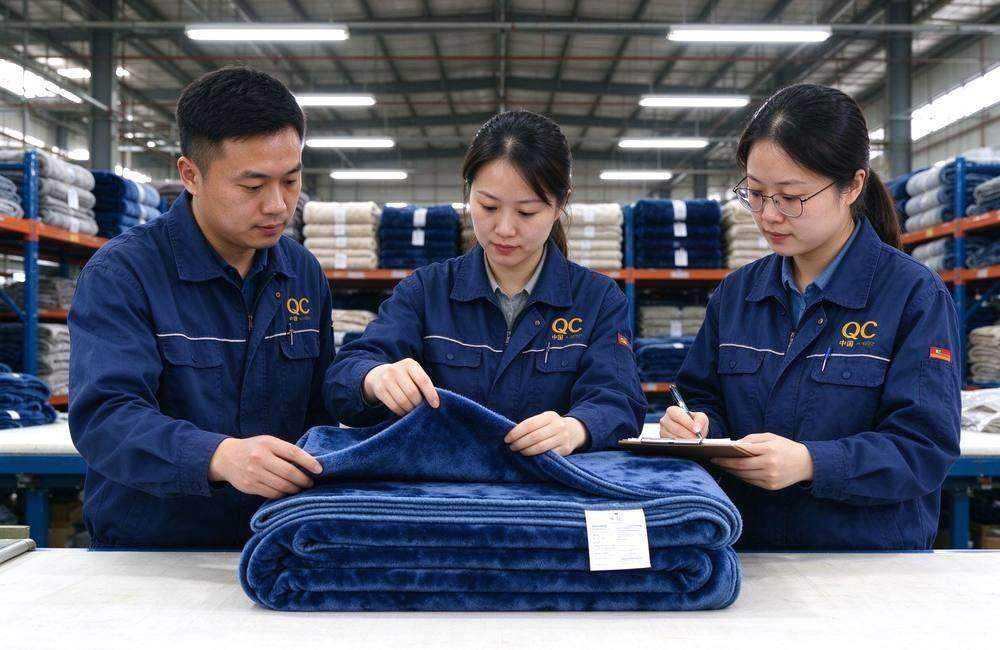
QC inspecting edge and pile surface.
A pre-agreed sampling rate with a pre-agreed action on failure protects both sides and keeps the container moving.
A defined sampling rate gives confidence without delaying the container.
QC results belong in the order file, not in a separate folder that disappears after delivery.
QC does not need to inspect every blanket to protect the shipment. A defined sampling rate with pre-agreed action on failure gives confidence without delaying the container.
The QC team weighs a sample from each batch to confirm the GSM line stays inside tolerance, and records the result against the approved sample. These records become the evidence a buyer keeps for audit and for the next order.
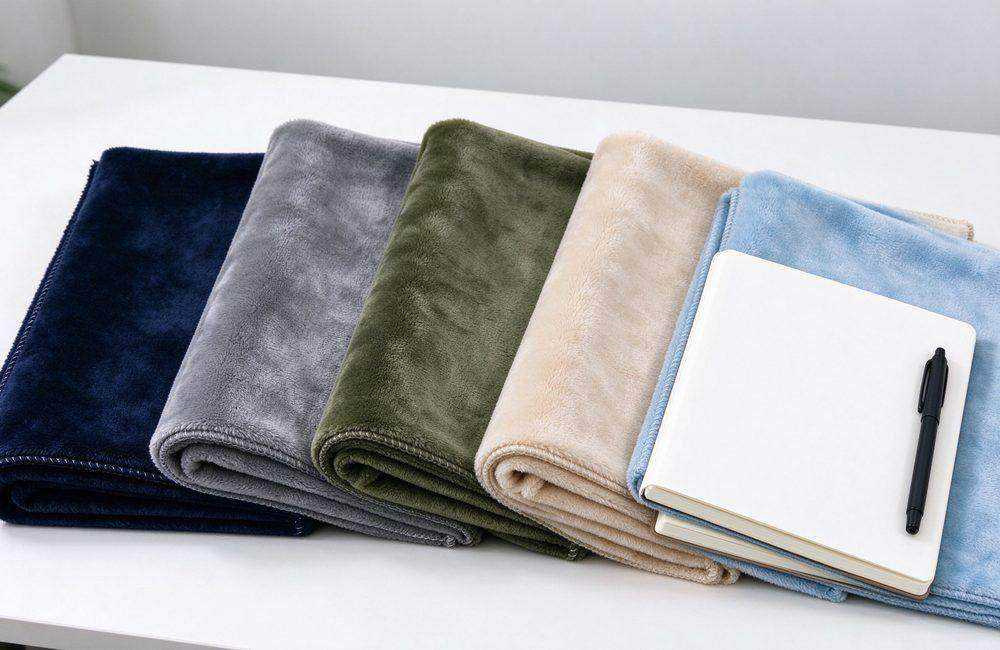
Sample swatches for shade approval.
The stored reference sample also serves the next order.
A stored reference sample also helps the next order: production can be compared against the previous shipment, not against a memory.
Keep the approved physical sample accessible to the QC team during production. A stored reference is stronger than a memory of what was approved.
Recording results at the inspection table keeps the check consistent across batches. The same form, filled the same way, makes the difference between a spot check and a real quality record.
For multi-lot orders, keep one result sheet per lot so trends are visible: if GSM drifts lot after lot toward the lower tolerance, the next order should tighten the spec. The records turn QC from a one-time gate into a learning loop.
A rreuses blankets,bution program usually reuses blankets, and reuse is only realistic when the blanket remains acceptable after the intended care cycle. The buyer should test the care method on the actual sample: water temperature, detergent, agitation, drying and storage after cleaning. Thick-plush raschel and lighter raschel options respond differently to the same wash cycle.
For programs with industrial laundry, the key questions are shape retention, pilling and drying time. A plush pile that stays dense after repeated washing supports a long reuse life; a pile that mats or sheds shortens it. Ask the supplier for wash-test evidence or run a small test batch before committing to a large order.
A wash test takes one sample and one documented cycle: wash at the intended temperature, dry as the program will dry, then measure size, check pile density by hand and look for pilling or edge damage. Repeating the cycle five times reveals trends that a single wash hides. The result goes into the spec as the care method the order must tolerate.
Detergent and softener choice also affects the pile: softeners can coat the fibres and reduce warmth over time, while harsh detergents can dull the surface. Test the intended laundry chemistry on the sample and record it in the care instruction so the program washes the blanket the way it was approved.
Wash-test evidence from the supplier is useful only if the test conditions match the program. Confirm temperature, agitation and drying before accepting the result.
Storage after washing matters as much as washing: folded blankets in a dry, ventilated room keep their pile; damp storage breeds smell and matting. Include the storage instruction in the care plan so the reuse cycle ends as well as it begins.
The sample is the contract for the bulk order. It must match the quoted construction, GSM, size, colour direction, edge finish, label, individual packing and intended carton method. If any element changes between sample and production, the difference must be recorded in writing before the order is placed. A “similar” reference blanket is not a substitute for an approved sample.
A raschel sampling protocol should list the approval steps: lab dip or shade card for colour, a physical sample for construction and feel, a wash test for care behaviour, and a packed carton sample for freight planning. Each step is signed off before the next begins, so the bulk order starts from an agreed physical reference.
Write the sample confirmation as a short form with the fields the production team needs: approved GSM, pile height, size after relaxation, edge finish, label content, packing method and carton quantity. Both sides keep a signed copy, and production refers to it instead of to memory.
A production report with the delivered size, GSM and shade result for each batch is the final link in the sampling chain. Request it with the shipment documents, and file it beside the approved sample so the order history stays complete.
Every approved element is a checkpoint the bulk order must pass.
Timing the sample approval is part of the protocol: allow enough calendar time for the lab dip, the physical sample and the wash test before the production slot. A rushed approval is the most common cause of a mismatch discovered at delivery.
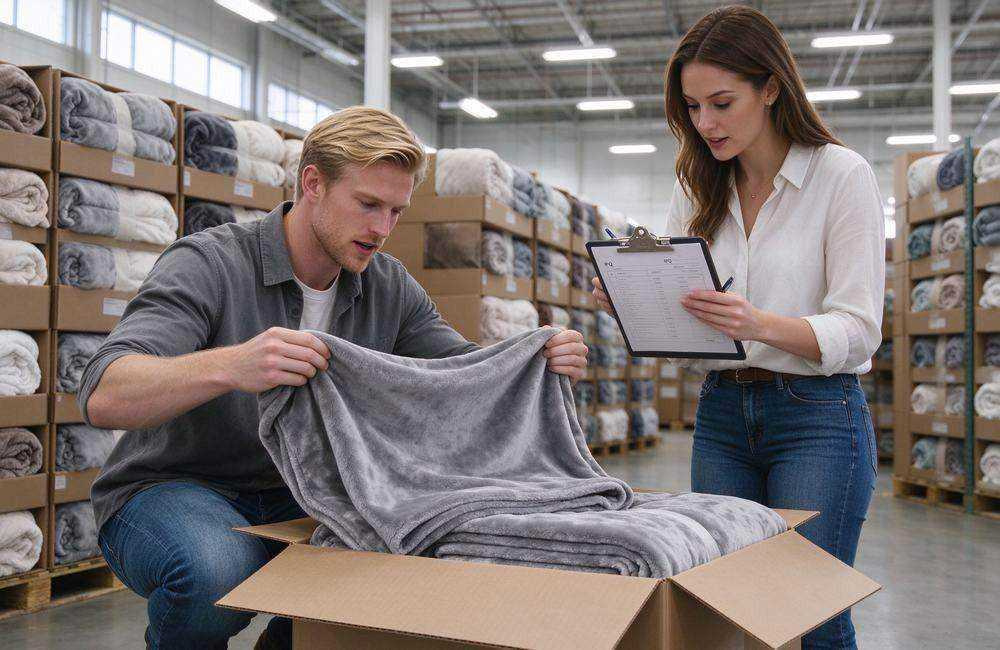
Most bulk RFQ failuresres come from six repeatable mistakes. The first is treating “thick-plush” or “warm” as a spec — measurable language removes the ambiguity. The second is comparing quotes with different packing assumptions, which makes the freight line meaningless. The third is approving a showroom sample that does not represent the production construction.
The fourth is skipping the wash test, so the blanket that looked perfect in the showroom fails in the first industrial cycle. The fifth is ignoring the finished size after relaxation, which can differ from the nominal size. The sixth is leaving the QC sampling rate undefined, so inspection becomes a negotiation instead of a checklist.
Each mistake is avoidable by writing the RFQ in the same order as this page: construction and measurable spec, packing assumptions, sample approval, wash test, relaxed size and a pre-agreed QC sampling rate.
A template RFQ saves time across every order: item description with measurable spec, quantity and size split, packing and carton requirements, sample approval steps, delivery terms, QC sampling rate and the documentation expected with the shipment. Once the template exists, a new product line only changes the specification lines.
Lead time and production capacity belong in the RFQ too: state the target delivery window and ask the supplier to confirm it in writing. A construction that cannot meet the window is not a candidate, whatever the price.
The template is the same across product lines; only the specification lines change.
The same RFQ template serves product lines beyond raschel: change the specification lines, keep the structure, and the comparison stays consistent across orders.
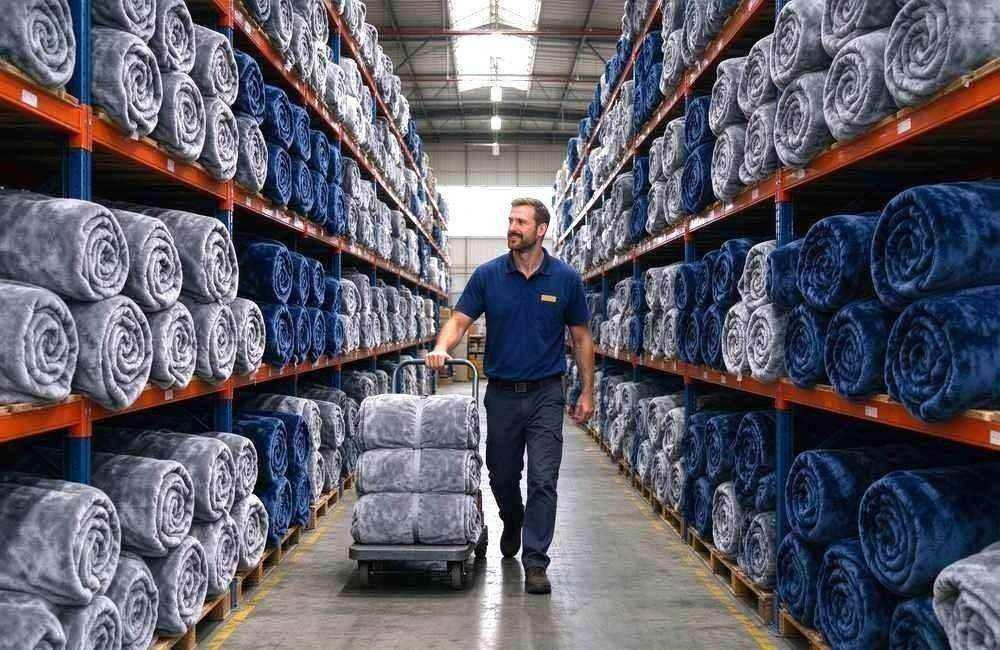
Thick-plush raschelhel is not the right first choice when the program values packed volume, long storage or routine industrial washing above surface feel. A reserve program that stores blankets for years in compressed bales, or a distribution program that moves tens of thousands of pieces, may be better served by a lighter raschel that packs smaller, weighs less and costs less to ship.
The decision framework stays the same: define the user condition, the care cycle and the storage period, then choose the construction that meets those constraints at the lowest total cost. Thick-plush is one configuration in the toolkit, not the default for every order.
A mixed portfolio often works best: a thick-plush line for issue, a lighter raschel line for reserve, and a clear rotation rule between them. The purchasing calendar then orders each line on its own cycle, and the warehouse keeps both configurations without confusing their roles.
Review the reserve twice a year against actual issue and rotation, and adjust the quantity before it becomes either a shortage or dead stock. The review date is part of the plan, not an afterthought.
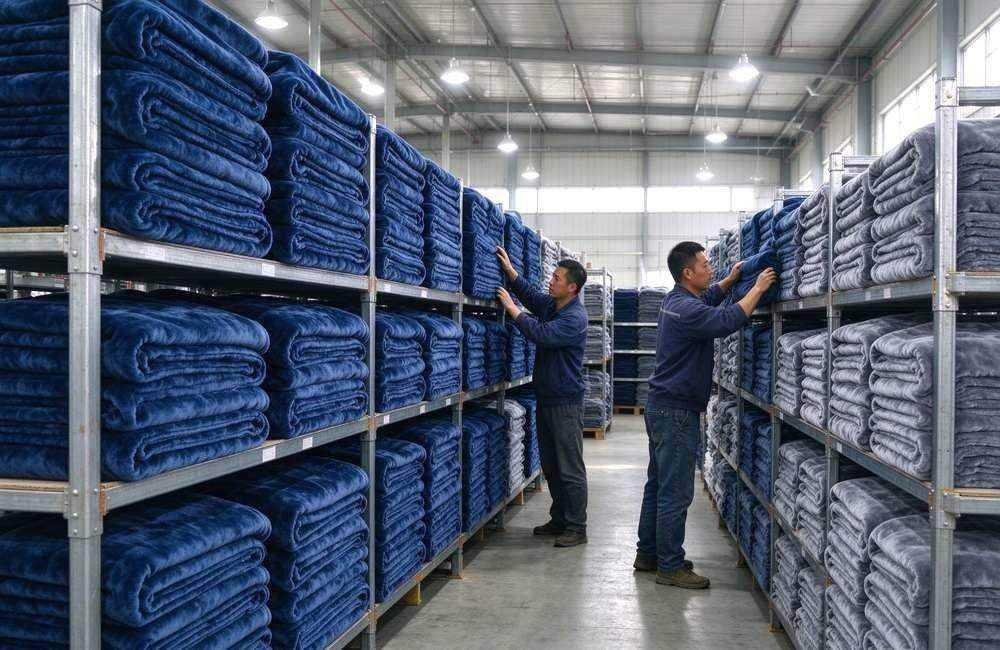
The annual review keeps issue and reserve lines matched to users and budget.
Rotation between issue and reserve lines keeps stored stock fresh and the budget predictable.
Keep the portfolio review annual so the issue line and the reserve line stay matched to the users and the budget.
Compressed bales and lighter constructions reduce freight and storage cost for reserve programs. The same users can still receive a comfortable blanket, while the logistics burden stays within budget.
Whichever line the portfolio chooses, the purchasing file should end with the same five artifacts: the approved sample reference, the measurable spec, the packing plan, the QC result sheets and the delivery record. A complete file makes the next order faster and safer.
The compariconditions. Raschel blankets competet which construction fits the program conditions. Raschel blankets compete on settled coverage, plush feel and repeatable GSM, while woven and fleece differ in drape, drying speed and packed volume.
Thick-plush is not a regulated grade. It is shorthand for pile height, pile density and finished weight. Two suppliers can both call a blanket thick-plush while one delivers a different pile height, so the RFQ must state pile height, GSM and finished weight in measurable numbers.
When the users genuinely benefit from fuller touch, settled coverage and visible pile, for example adults in temporary accommodation during cold months. Reserve programs that store long or wash industrially often prefer a flatter, more compressible construction.
No. GSM tells you the weight of one square metre of fabric and is the single most useful number for controlling repeatability, but it does not promise a fixed comfort level. Warmth depends on pile density, construction and how the blanket is used, so verify warmth on samples.
Packing volume, freight, storage and replacement usually change the total more than the unit price. A raschel blanket wholesale quote that looks low on paper becomes expensive once packed volume and freight are added, so compare landed cost per usable unit.
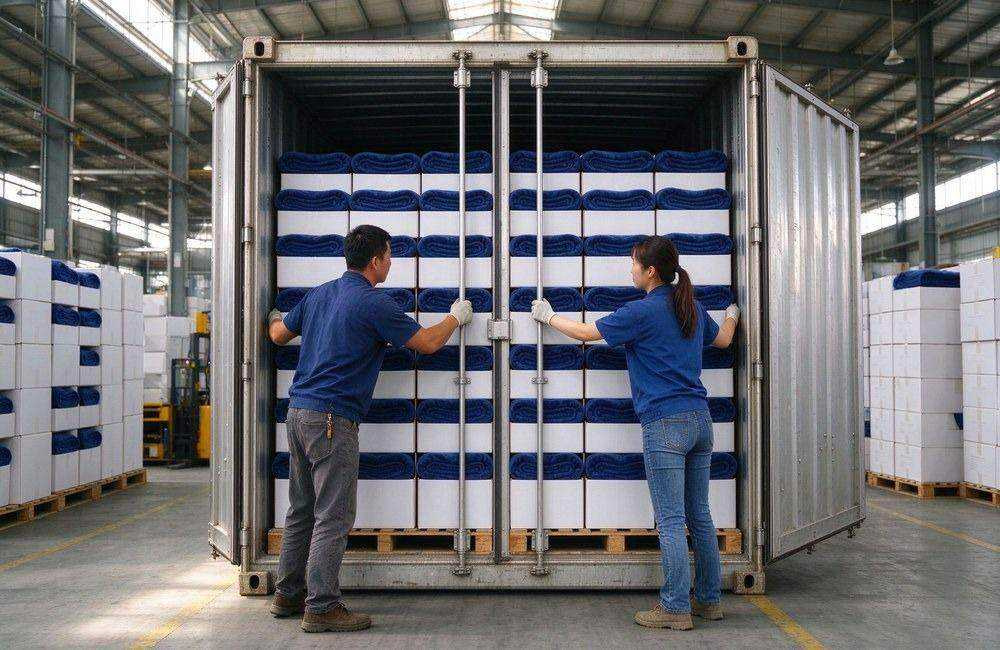
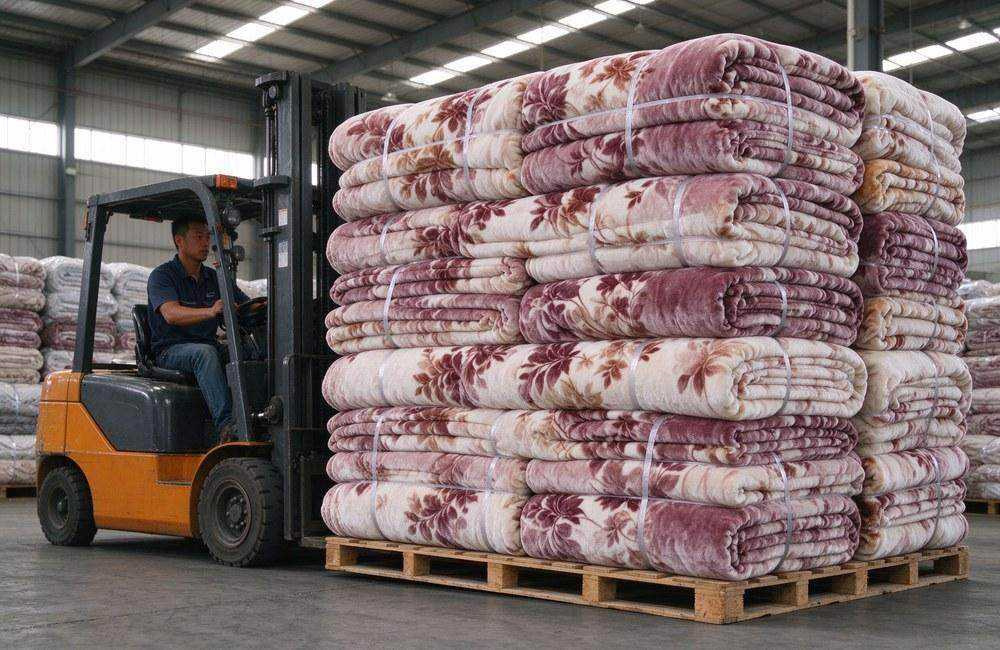
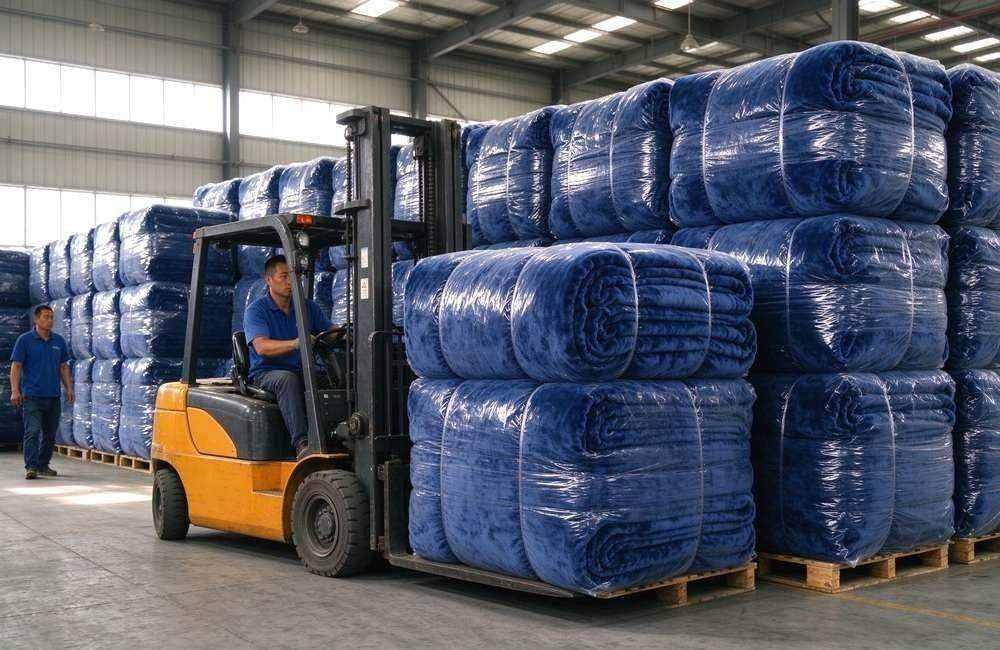
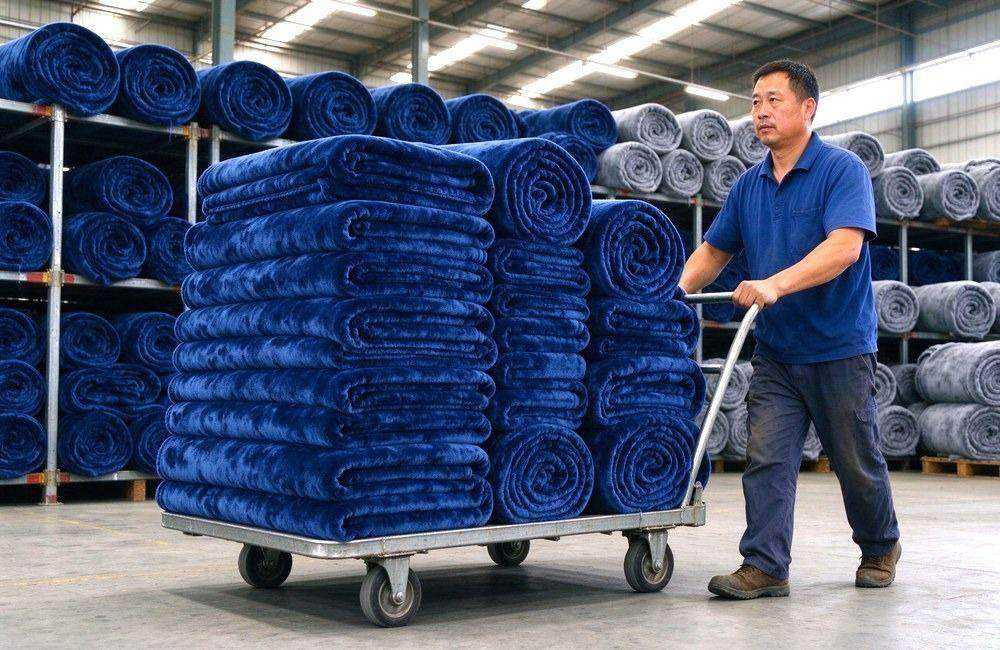
The warehouse and packing line in this photo are where the batch order is finally realised. Rolls stacked by specification, a packing list checked against the carton, and a forklift loading the container are the three visible steps between the approved sample and the delivered shipment, and each step is recorded so the buyer can verify the order at every stage.

The warehouse and packing line in this photo are where the batch order is finally realised. Rolls stacked by specification, a packing list checked against the carton, and a forklift loading the container are the three visible steps between the approved sample and the delivered shipment, and each step is recorded so the buyer can verify the order at every stage.
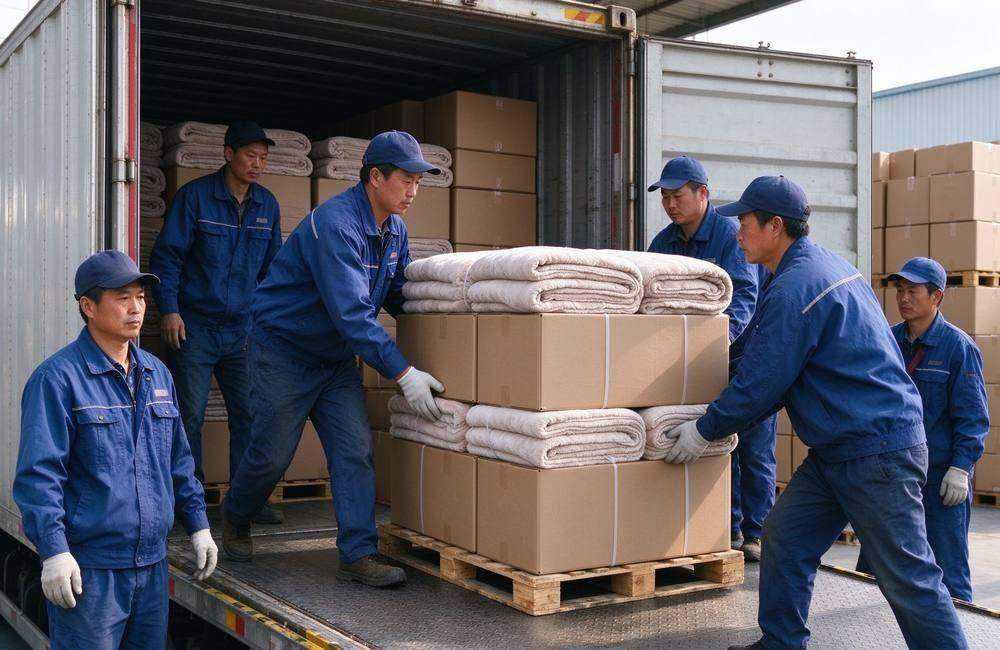
The warehouse and packing line in this photo are where the batch order is finally realised. Rolls stacked by specification, a packing list checked against the carton, and a forklift loading the container are the three visible steps between the approved sample and the delivered shipment, and each step is recorded so the buyer can verify the order at every stage.
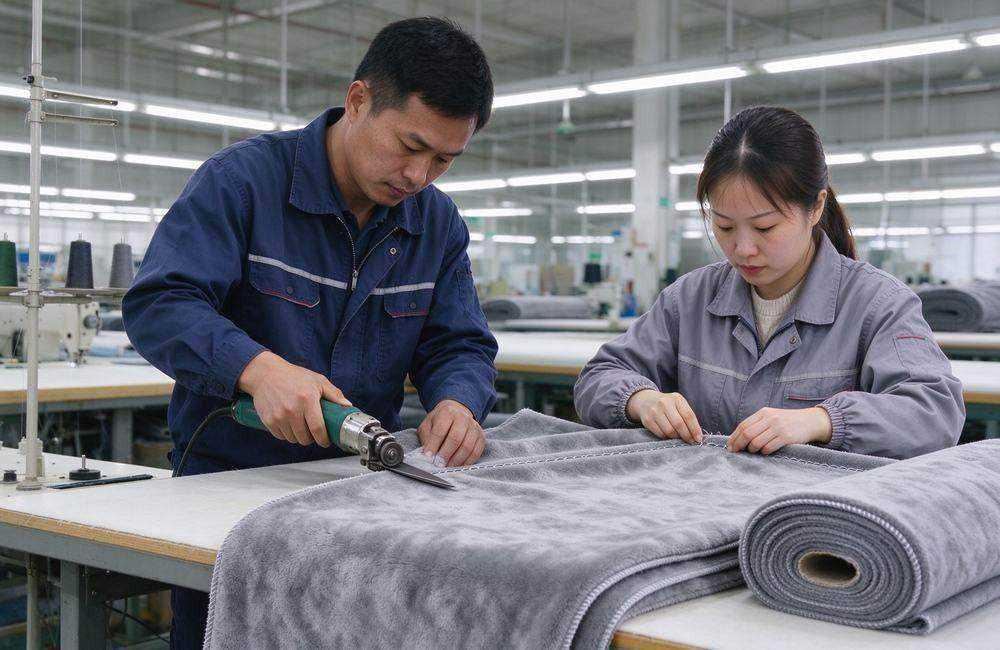
The warehouse and packing line in this photo are where the batch order is finally realised. Rolls stacked by specification, a packing list checked against the carton, and a forklift loading the container are the three visible steps between the approved sample and the delivered shipment, and each step is recorded so the buyer can verify the order at every stage.
The warehouse and packing line in this photo are where the batch order is finally realised. Rolls stacked by specification, a packing list checked against the carton, and a forklift loading the container are the three visible steps between the approved sample and the delivered shipment, and each step is recorded so the buyer can verify the order at every stage.
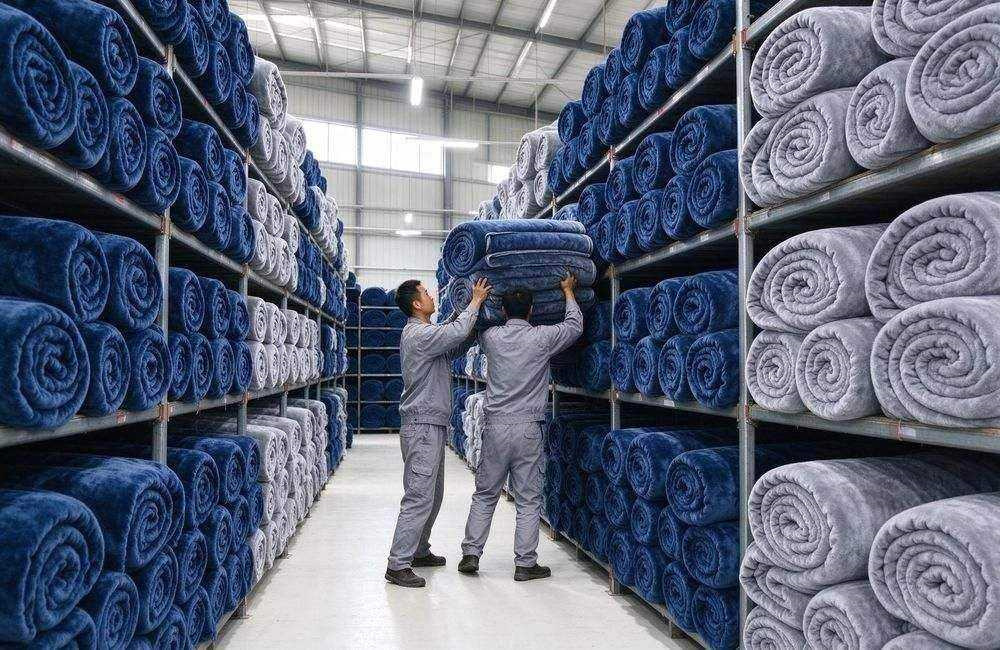
Warehouse-level stock is only useful when it moves as planned. Bulk raschel blanket orders are scheduled against the machine run and the dispatch calendar, so the visible shelves match the next delivery window rather than a vague year-end total. That is why buyers check both the production log and the warehouse list before a repeat order, and why the factory keeps the batch price stable for the exact configuration already approved. The same discipline applies to the final pallets: label, count and destination are verified at the door, not after the truck leaves.

plush blanketnket with a long pile compresses less predictably than a flat woven blanket, so confirm packed dimensions, pieces per bale or carton and stack height before ordering. Packing is where a thick-plush order is won or lost in the logistics plan.
The checks that matter are usable dimensions after relaxation, finished weight, pile height consistency, edge finish, label correctness and packing count. A container of raschel blankets deserves the same inspection discipline as any technical textile.
Construction, GSM, size, colour direction, edge finish, label, individual packing and carton method. The sample is the contract for the bulk order, so every element must be confirmed in writing and kept as the bulk reference.
Treating thick-plush or warm as a spec, comparing samples at different GSMs, ignoring packed dimensions and skipping shrinkage testing. Measurable language removes the ambiguity and makes supplier quotes comparable.
When the program values packed volume, long storage or routine industrial washing above surface feel. A reserve program that stores blankets for years may prefer a flatter, more compressible construction that survives repeated handling.
Institutional raschel blanket bulk orders commonly run from 300 to 550 GSM. Lighter 300 GSM raschel blankets suit warm-weather relief, while 480 to 550 GSM versions hold more warmth for winter shelters. Confirm GSM with a physical sample before placing the bulk order.
Raschel blankets are knitted, which gives a softer hand and faster production in bulk, while woven blankets are denser and heavier for the same GSM. For emergency relief blankets, bulk buyers usually choose raschel for quick delivery and value.
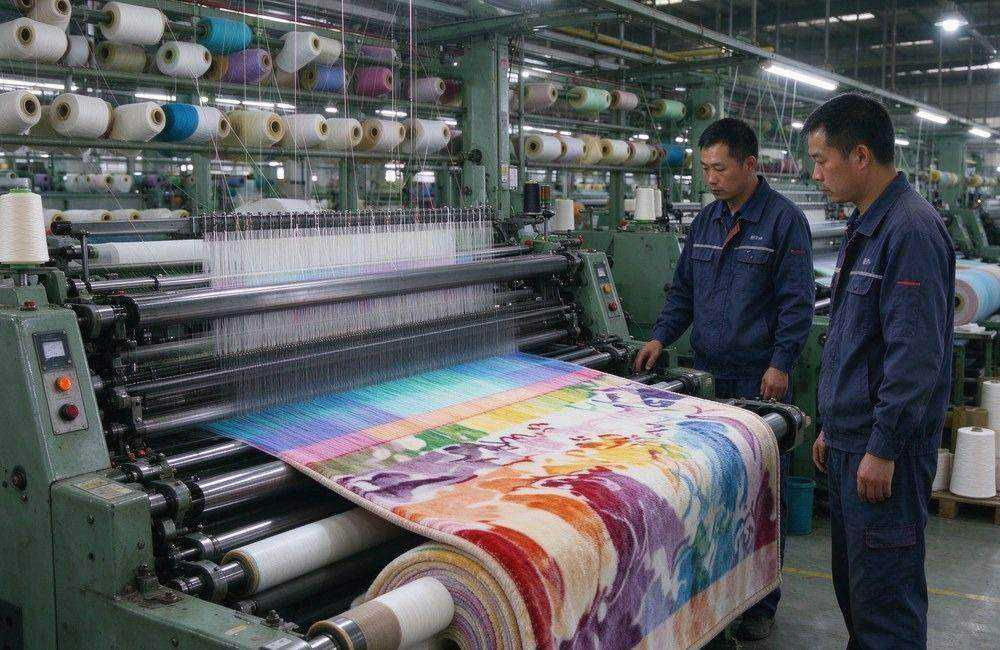
Raschel blankets are made in volume, and the batch price only holds when the order matches the machine run. A bulk order confirms GSM, size, edge finish and packing before production, so the rolls coming off the machine are the exact configuration the buyer approved and the factory can deliver at the quoted batch price.
روابط ودية :
حقوق النشر © Custom Disaster - Relief Bedding: Tents, Sleeping Bags, Blankets كل الحقوق محفوظة
الفريق المحترف للخدمة !