التصنيفات
Published: October 11, 2026 | Last Updated: October 11, 2026
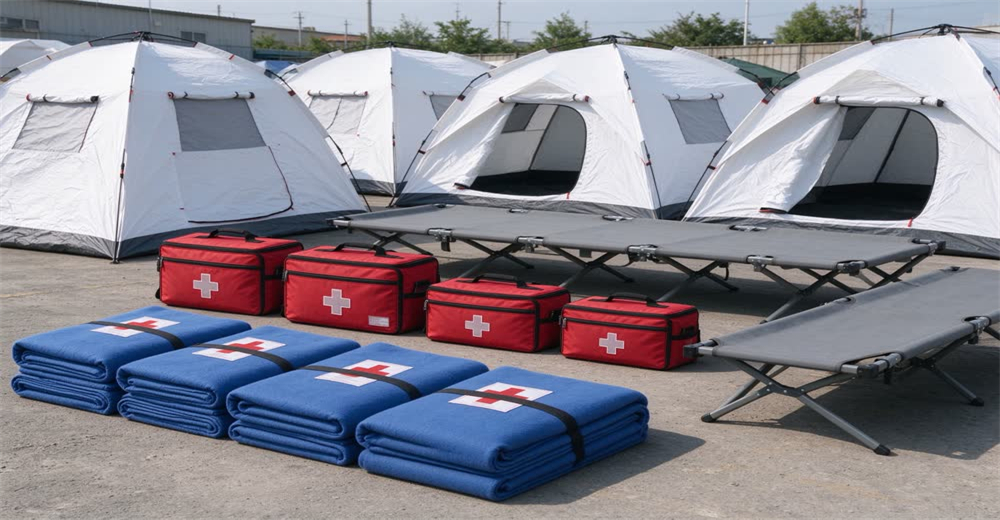
$2.00 vs $2.80 for the same emergency blanket. Which supplier is actually cheaper? The answer is not the unit price — it is the defect rate, lead time, hidden freight, and whether the CE certificate in the PDF survives a donor audit.
For small NGOs sourcing humanitarian relief supplies and refugee relief kits with no in-house procurement team, choosing the wrong supplier means delayed blankets, rejected CE certificates, and budget blown on hidden freight. This guide walks through NGO emergency supplies certification verification, true landed cost, mixed-container loading, sample approval, and budget prioritization — referencing UNHCR and ICRC disaster relief standards so your order survives the audit.
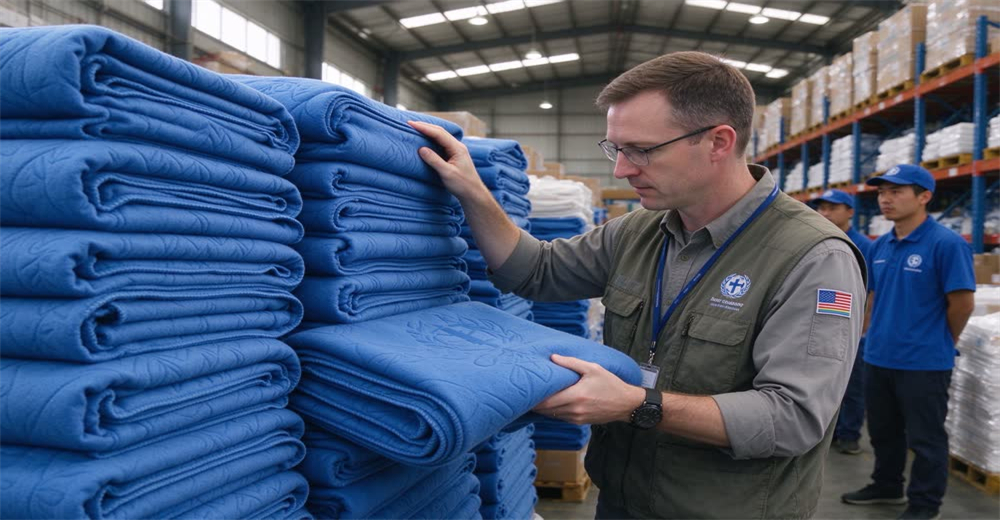
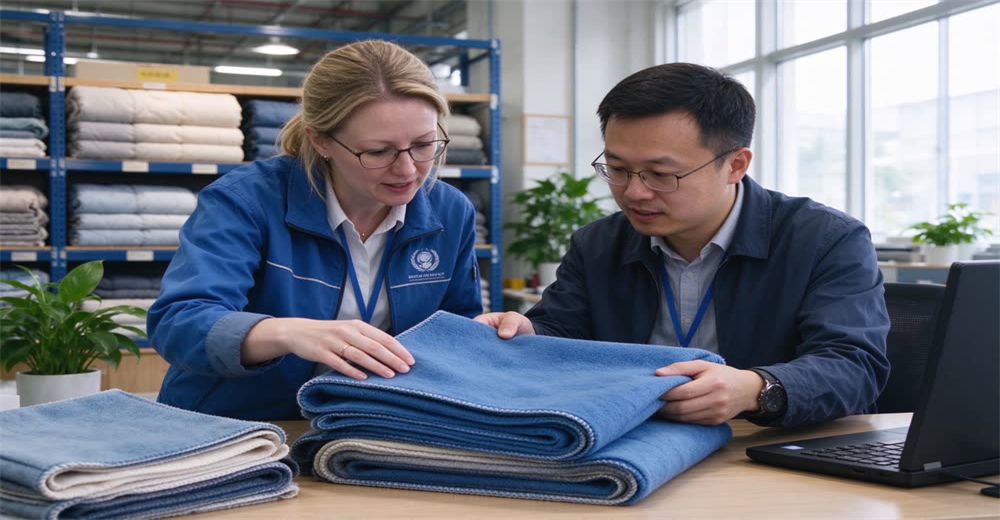
For small NGOs with no in-house procurement team, choosing the wrong supplier means delayed blankets, rejected CE certificates, and budget blown on hidden freight. This guide walks through NGO emergency supplies and disaster relief supplies certification verification, true landed cost, mixed-container loading, sample approval, and budget prioritization — referencing ICRC relief equipment standards so your order survives the audit. As a leading relief supplies supplier specializing in wholesale emergency supplies, we help NGOs navigate bulk procurement with confidence.
Honest pricing means no hidden fees. Your supplier provides an itemized quotation showing EXW factory price, packaging details, and any optional costs like logo printing or expedited production. Beware of suppliers who quote extremely low prices and then add on unexpected charges later. The most competitive bulk prices come from direct factories, not trading companies marking up the product. Ask for a detailed breakdown so you understand exactly what you are paying for.
Every organization has different order volumes. A good supplier offers tiered pricing: larger orders get better unit prices, but small NGOs with limited budgets are not forced to order more than they need. Flexible MOQ means you can start with a pilot order, scale up once you validate quality, and combine different product categories in one container. This is especially important for smaller NGOs who cannot fill a whole container with one product.
In emergency procurement, timing is everything. Your supplier gives you a realistic production timeline, communicates clearly if delays occur, and offers expedited options when you need goods fast. Standard production is 25-35 days, but stock items can ship within 7 days. Make sure your supplier confirms the lead time in writing before you place the order. The WHO health emergency supply chain recommends building a 20% buffer into lead-time planning for emergencies.
Donor auditors want to know where products come from. Your supplier provides batch numbers, material specifications, inspection reports, and origin documents. This level of traceability also protects you: if a batch has an issue, you can identify exactly which lots are affected. For multi-year donor-funded programs, traceability records are essential for audit compliance.
When evaluating a supplier, the question is not whether they own the factory — it is whether they can consistently deliver certified products on time, at the right price, with proper documentation. Look at their track record: how long have they been supplying relief equipment? Can they provide references from other NGO clients? Do they handle export documentation and logistics? A reliable supplier manages quality control across the supply chain, whether they produce in-house or partner with vetted suppliers.
Before placing a large order, evaluate the supplier systematically. Check: Can they provide verifiable product certificates? Do they have a quality control process? What is their track record with relief organizations? Can they handle mixed container loading? How do they communicate delays? For orders over $50,000, consider a third-party audit by SGS or Bureau Veritas — this protects both you and the supplier.
Always order samples before bulk production. Test the sample yourself: check the stitching, the fabric weight, the packaging, and whether it matches your specifications. Get the sample approved in writing, then send it back as the production reference. This prevents the common problem where bulk production looks different from what you expected. The sample becomes your quality standard — any deviation in bulk production is a reason to reject the shipment.
Common mistake: Approving a sample over a phone call or photo. Always require a physical sample in hand before approving bulk production. A photo cannot show fabric weight, stitching quality or packaging durability.
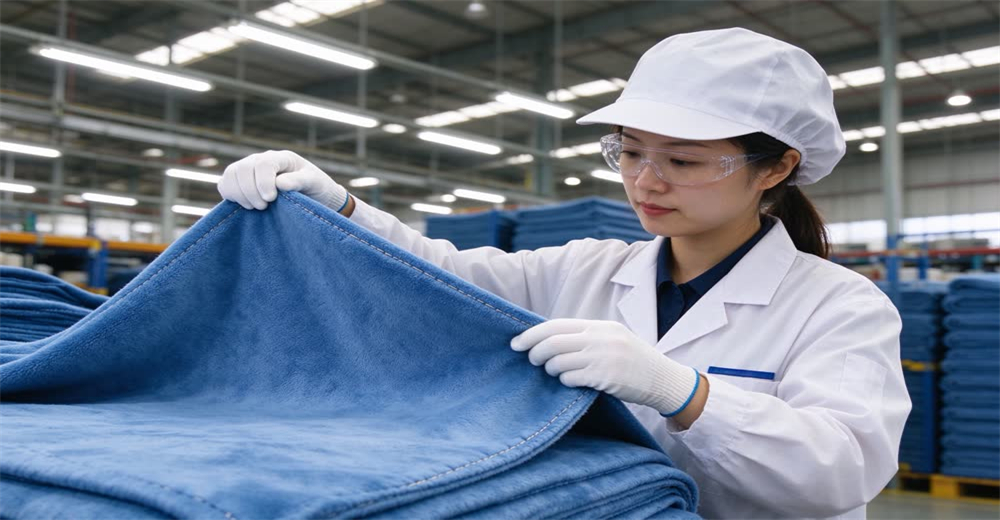
The EXW (Ex Works) price is what the product costs at the factory. This is the base price you compare across suppliers. Remember that EXW price excludes shipping, insurance, and import duties. A supplier with a slightly higher EXW price but better quality may actually save you money overall if products do not need replacement. Do not make the mistake of choosing solely on EXW price — the cheapest quote often hides quality issues.
Cost insight: EXW price is typically 60-70% of total landed cost. Freight, insurance, duty and clearance add 30-40%. A $2.00 blanket often arrives at $3.20-$3.50 landed.
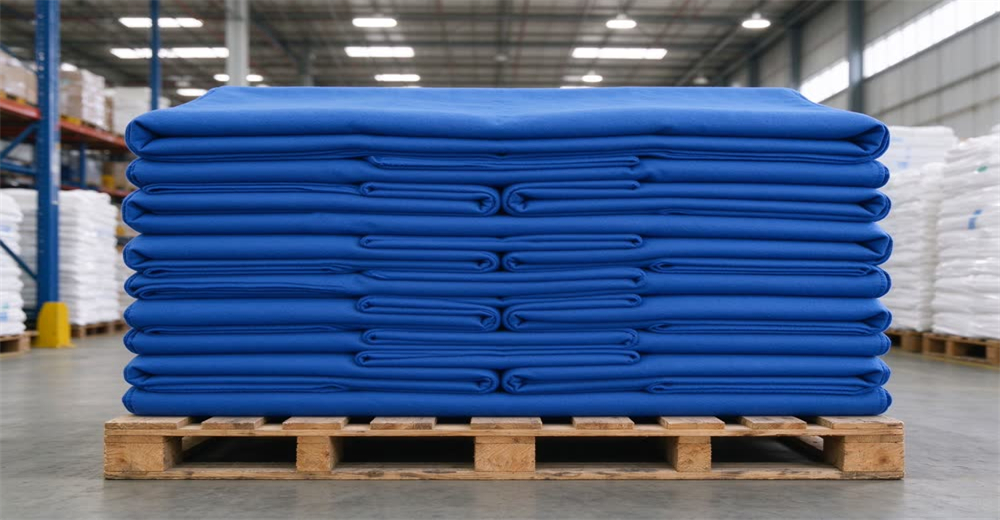
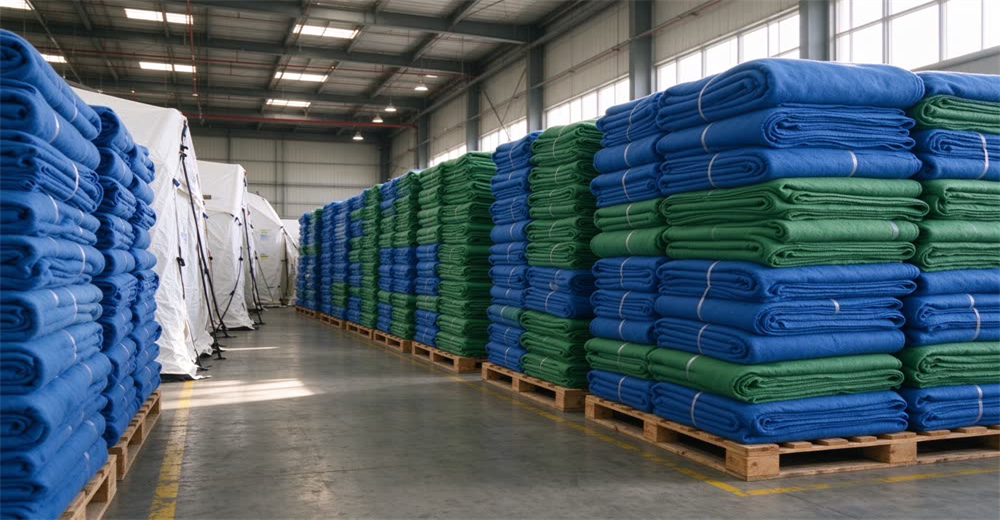
Freight is often the second-largest cost. Sea freight by container is the most economical for large orders. A 20-foot container holds about 28 CBM, a 40-foot high cube about 68 CBM. Air freight is fast but 5-10 times more expensive, typically used only for urgent small orders. Your supplier helps you optimize packing to maximize container loading, which directly reduces your per-unit shipping cost. Vacuum-compressed blankets, nested tent parts, and flat-packed furniture all maximize cube utilization.
Import duties vary by country and product category. Check your local customs tariff schedule to calculate landed cost accurately. Some humanitarian relief supplies qualify for duty-free import under UN or government exemptions — make sure you have the right documentation if you plan to claim this. Work with a customs broker who understands humanitarian cargo exemptions, as the paperwork can be complex.
Always compare total landed cost, not just unit price. The cheapest EXW price may become the most expensive once you add shipping, duties, and quality issues. A slightly more expensive product from a reliable supplier often costs less overall when you factor in zero defects, on-time delivery, and no headaches. Build a comparison spreadsheet that includes every cost component before making a decision.
|
Cost Component |
Low-Cost Supplier |
Quality Supplier |
Difference |
|
EXW unit price (blanket) |
$1.80 |
$2.50 |
+39% |
|
Freight per unit |
$0.40 |
$0.40 |
same |
|
Defect rate |
8-12% |
<1% |
big difference |
|
Replacement shipping |
$500+ |
$0 |
avoided |
|
Donor audit issues |
likely |
none |
avoided |
Table: The cheapest product often costs more once defects, replacements, and audit issues are factored in. Choose quality, not rock-bottom price.
Most factories offer tiered pricing: the more you order, the lower the unit price. This is because production setup costs are spread across more units. Typical tiers might be 100-499 units, 500-999 units, 1000+ units. Ask your supplier for the full price schedule so you can budget accurately for different order sizes. Volume discounts can be significant — ordering 1,000 units instead of 100 often saves 20-30% per unit.
You do not need to order only one product. A good supplier allows mixed loading: tents in one corner of the container, blankets in another, first aid kits in another. This lets you build a complete relief kit in a single shipment. Just make sure each product meets the minimum MOQ for that specific item. Mixed loading saves freight because you fill the container with a variety of products instead of empty space.
If you are working with a new supplier, start with a small trial order. This lets you verify quality, packing, and communication before committing to a large shipment. Many suppliers are flexible on MOQ for the first order to earn your trust. Use the trial order to test the entire process: communication, packaging, delivery time, and product quality. A successful trial order is the foundation for a long-term partnership.
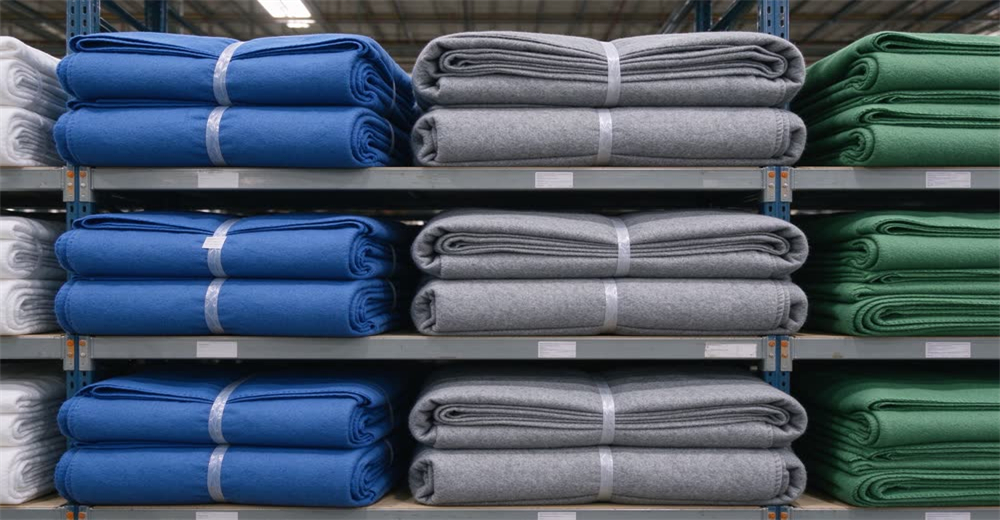
CE marking is mandatory for products sold in the European Economic Area. It indicates the product meets EU safety, health, and environmental protection standards. For relief supplies, CE certification applies to PPE, rescue equipment, and electrical products. Always ask for the CE certificate and verify the product category is covered. A CE certificate that lists a different product category is not valid for your order.
Compliance tip: CE certificates must list the specific product category (e.g., "emergency blanket" not just "textile"). Generic certificates fail donor audits.
ISO 9001 is a quality management system certification. It means the supplier has consistent processes for design, production, and quality control. While not a product safety certification, ISO 9001 is a good sign that the supplier has mature quality systems in place. Ask to see the current certificate and check the expiry date.
Different products need different standards. Fire blankets should meet EN 1869. Safety helmets should meet EN 397. Smoke hoods should meet EN 403. Life jackets should have USCG approval. Medical gloves should meet FDA requirements. Make sure your supplier can show certificates for the specific standards your project requires. Do not accept verbal claims — ask to see the actual certificate document.
Full Container Load (FCL) is the most cost-effective for large orders. You rent the entire container, and your goods are loaded directly from the factory. FCL is also more secure: no one else handles your cargo in transit. Plan your order to fill the container as much as possible — shipping a half-empty container wastes money. Our team helps you optimize the loading plan to maximize every cubic meter.
Less than Container Load (LCL) is for smaller orders that do not fill a whole container. Your goods share space with other shipments. LCL costs more per CBM but is convenient for small NGOs. Expect LCL delivery to take 1-2 weeks longer than FCL because of consolidation handling at the warehouse. For orders under 15 CBM, LCL is often the practical choice.
Air freight is the fastest option, typically 5-7 days from China to most destinations. It is significantly more expensive, so it is usually reserved for urgent emergency orders or high-value lightweight items. Your supplier can arrange air freight from the nearest airport to your destination. For emergency response, air freight of critical medical supplies or replacement parts can be worth the cost.
Adding your organization's logo builds brand recognition and accountability. Most suppliers offer screen printing, heat transfer, or woven labels on tents, blankets, backpacks, and first aid kits. The MOQ for logo printing is often just 50-100 units. Ask for a logo proof before production starts. Logo on relief supplies also helps with donor reporting — supporters can see their contribution in the field.
You can customize packaging with your organization's colors, labels, and distribution instructions. This is especially useful for kits that need to be handed out directly to beneficiaries. Talk to your supplier early in the process — custom packaging adds 3-5 days to production time. Pre-packed kits save your team hours of sorting and packing when goods arrive in the field.
For products with instructions (like fire blankets or first aid kits), you can add multi-language manuals in English, French, Spanish, Arabic, or whatever languages your beneficiaries need. Your supplier prints these and packs them inside each kit. This is a small detail that makes a big difference in how effectively the supplies are used.
Good factories inspect products during production, not just at the end. This means catching problems early, when they are still fixable. Ask your supplier how they handle in-line QC: do they check fabric thickness, stitching strength, and component quality during assembly? In-line inspection catches 80% of issues before they become batch-level problems.
Before goods leave the factory, a final inspection verifies that all products meet your specifications. This includes checking quantity, packaging, labeling, and random sample testing. You can attend this inspection yourself, send a representative, or use a third-party inspection company. Never skip this step — catching a problem at the factory is free; fixing it after delivery is expensive.
For large donor-funded orders, third-party inspection by companies like SGS, Bureau Veritas, or Intertek provides independent verification. Your supplier should be cooperative with this — if they resist third-party inspection, that is a warning sign. The inspection report is also useful for your donor audit file. Many donors require third-party inspection for orders over a certain value.
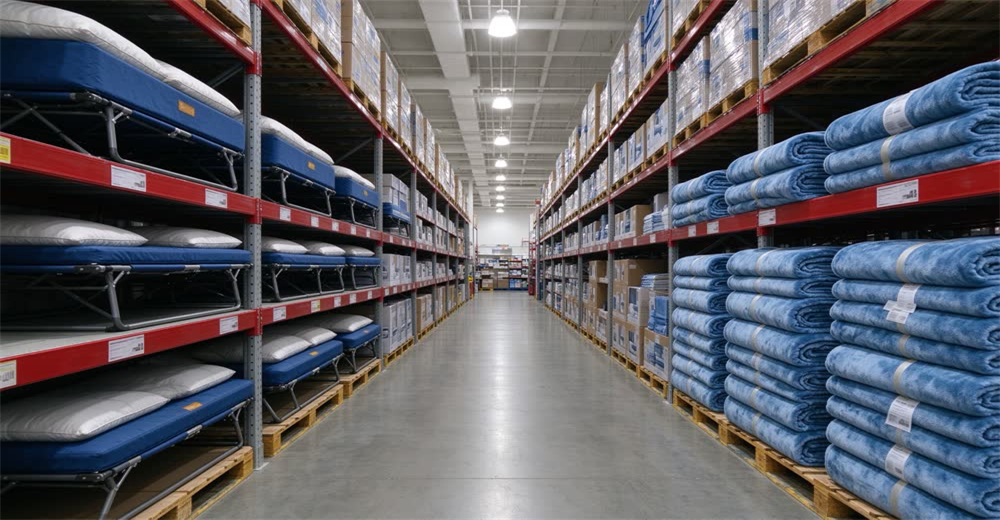
Ask your supplier how they handle defects. A reliable partner replaces defective units free of charge within a reasonable period. For large orders, it is common to include a 2-5% spare allowance in the shipment to cover any losses during transit or distribution. Document any issues with photos within 7 days of receipt for the fastest resolution.
When you need to reorder, the lead time should be shorter because production is already set up. Repeat orders typically take 20-30 days. Build a relationship with your supplier so they can prioritize your orders during busy seasons. For ongoing programs, schedule reorders before you run out — emergency rush shipping costs a premium.
During an active emergency, you may need fast replenishment. A supplier who keeps stock of fast-moving items can ship within days. Discuss emergency ordering protocols with your supplier before a crisis hits, so everyone knows what to do when the call comes. For regular NGO clients, we maintain safety stock of blankets, first aid kits, and tarps for 7-day dispatch.
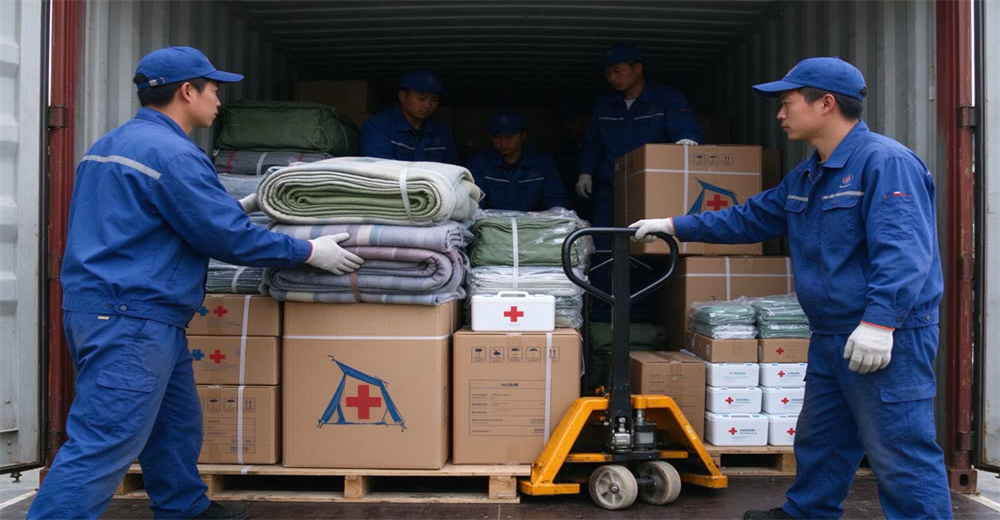
The cheapest quote often comes with hidden costs: thinner fabric, weaker stitching, missing certificates, or delayed delivery. When your products are meant to save lives, cutting corners on quality is false economy. Compare total value, not just unit price. A $2.50 blanket that lasts three years is cheaper than a $1.80 blanket that falls apart in three months.
Common mistake: Choosing the cheapest quote without checking defect rates. A supplier with 10% defects means 100 out of 1,000 blankets are useless in the field. Replacement shipping delays cost far more than the $0.70 per unit you "saved."
Do not take the supplier's word for it — ask to see the actual certificates. Verify that the certificate covers the specific product you are ordering and that it is still valid. Donor auditors will ask to see these documents. A missing or expired certificate can block an entire shipment at customs.
Never skip pre-shipment inspection. Catching a problem while goods are still at the factory is easy; fixing it after they arrive in your warehouse is expensive and time-consuming. The cost of inspection is tiny compared to the cost of receiving a container of wrong or defective products. Many suppliers include a basic pre-shipment inspection at no charge.
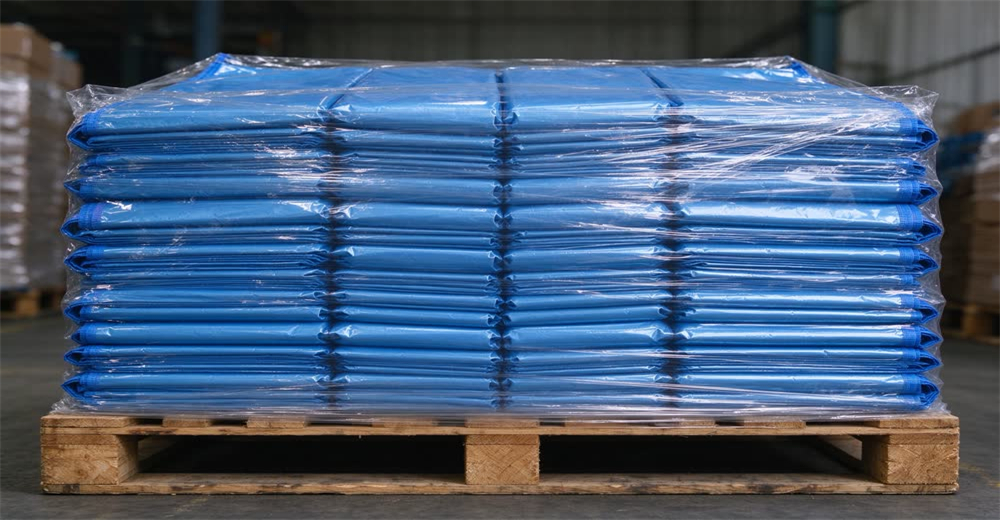
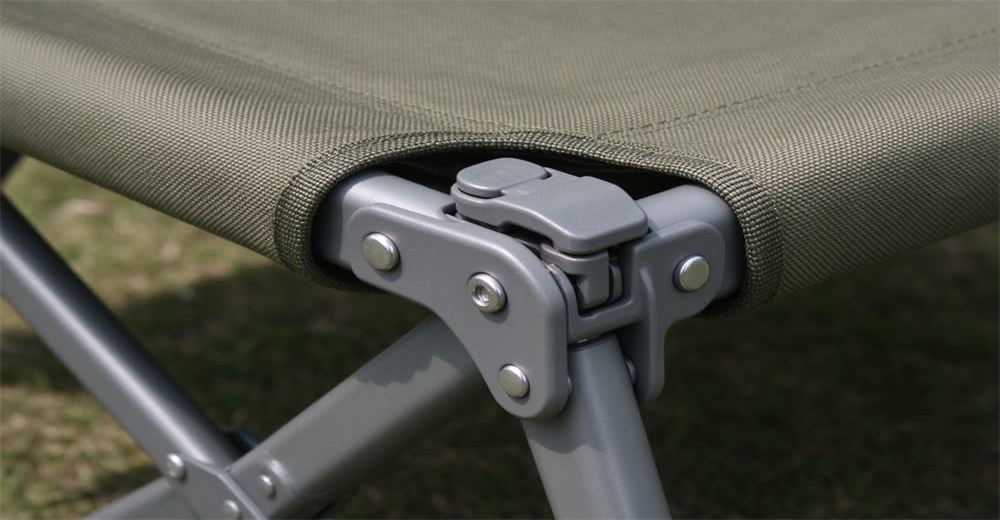
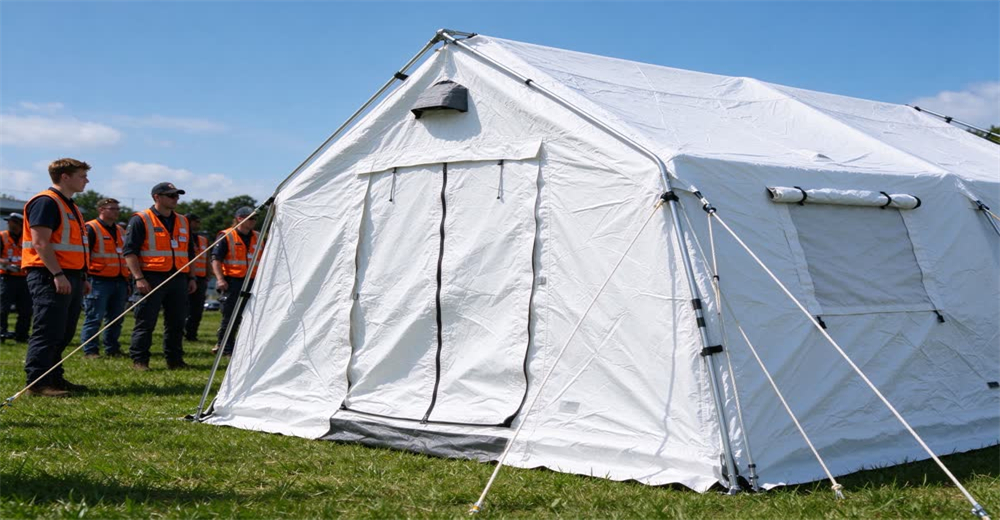
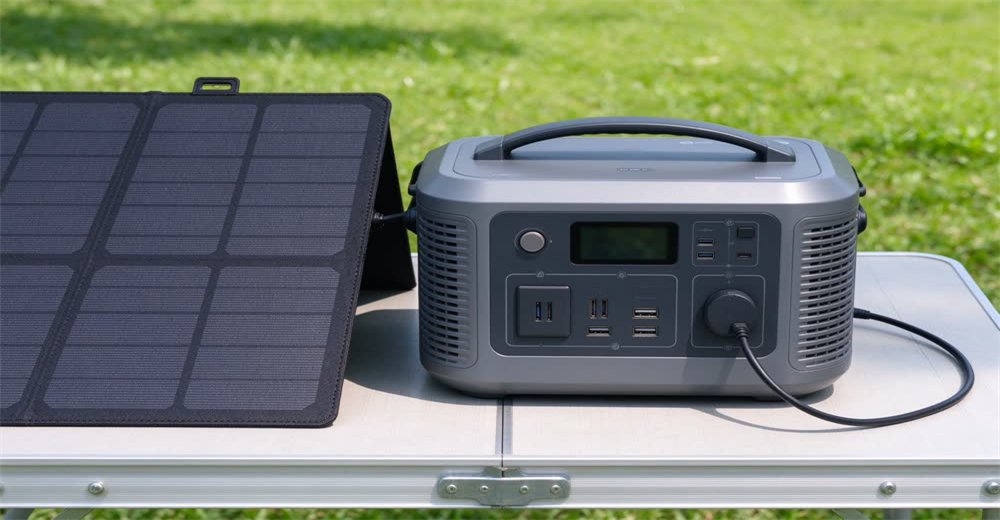
Allocate budget first to high-impact equipment that your organization cannot do without: large emergency tents, mobile lighting towers, generator sets, folding cots, rescue stretchers, and AED units. These items cost more individually but are the backbone of effective relief operations. Do not compromise on quality here — a cheap generator that fails in the field is a disaster.
Blankets, sleeping bags, first aid kits, water bladders, and hygiene kits are the workhorses of every relief operation. These are ordered in large quantities, so bulk pricing matters most here. Standardize on one supplier for these items to simplify reordering and donor reporting.
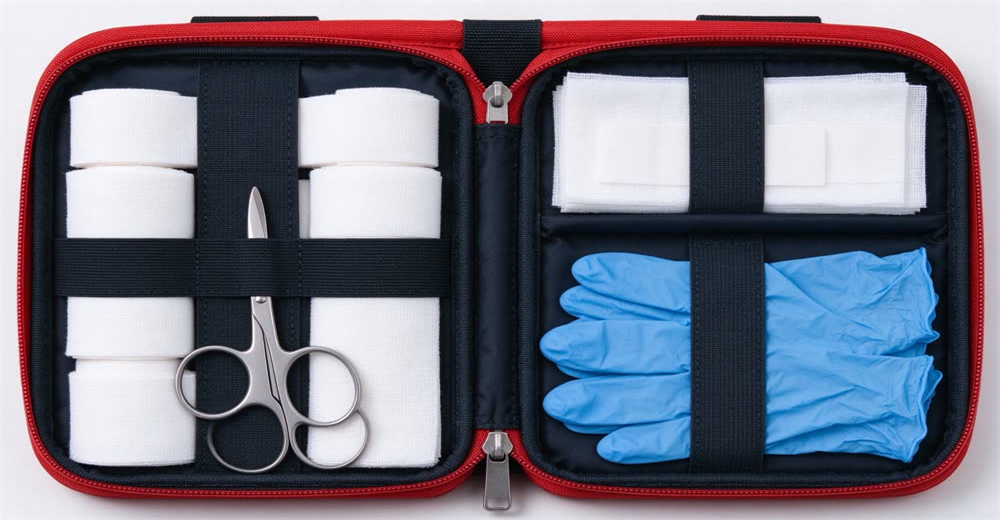
Bandages, gloves, and masks are consumables that get used up and replaced. Order these in larger quantities at once because they are relatively cheap and always needed. Keep a standing reorder arrangement so you never run out.
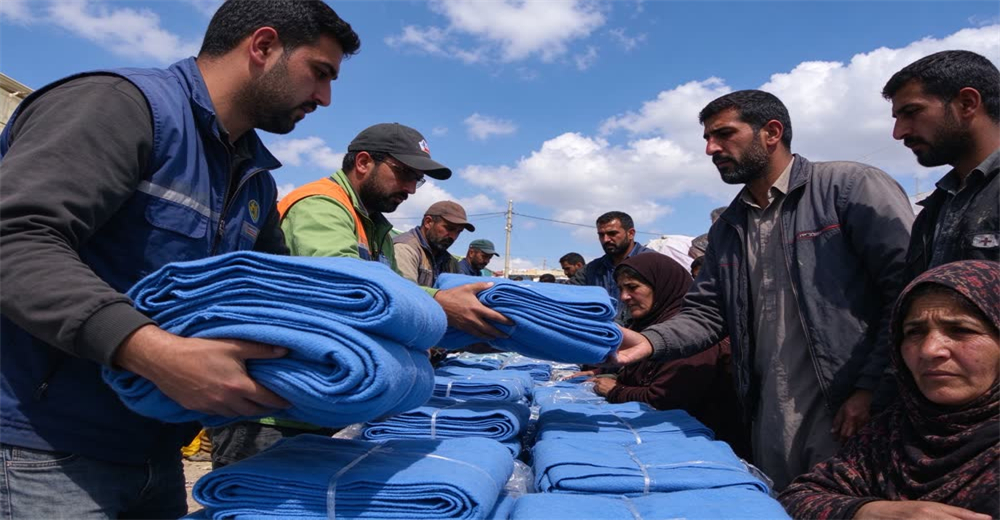
Procurement insight: Prioritize high-value backbone equipment (tents, lighting, generators) where quality matters most. Standardize on mid-volume supplies for reorder simplicity. Buy low-consumables in bulk to avoid running out.
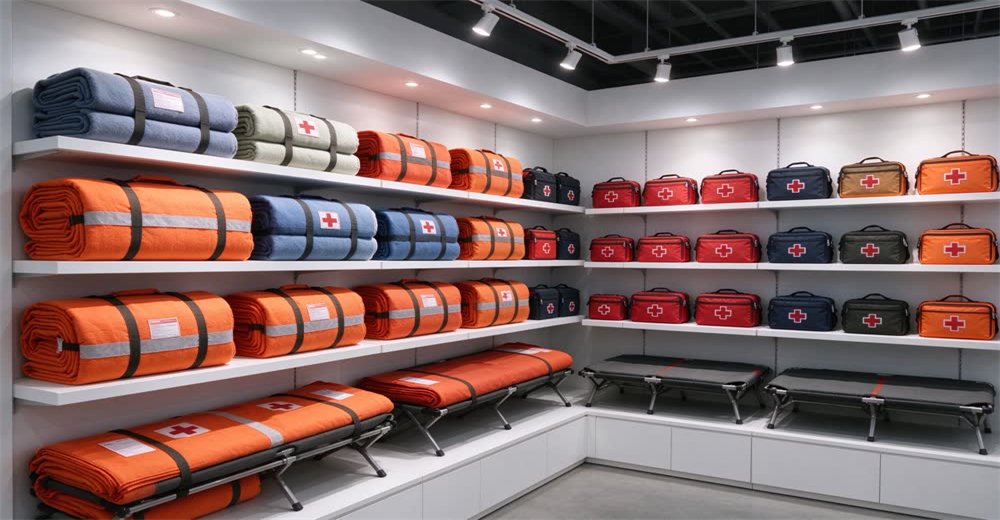
A: Start with the basics every family needs: blankets, tarps, basic first aid kits, and water storage. These are low-cost, high-impact items. Defer large equipment like tents and lighting towers until you have confirmed funding and a known deployment location.
A: Plan per-person: 1 blanket per person, 1 tarp per family, 1 first aid kit per 50 families. For a camp of 1,000 people, that is 1,000 blankets plus a 20% buffer (200 extra), 200 tarps and 20 first aid kits. Add a 10–15% buffer for unexpected needs. The Sphere Project sets minimum standards.
A: Ask for the actual certificate PDF and check the issuing body's database. CE certificates should list the specific product category. ISO 9001 can be verified on the certification body's website. If a supplier hesitates to provide certificates or only sends photos, that is a warning sign.
A: Total landed cost = EXW price + freight + insurance + import duty + clearance. A product that costs $2.00 EXW may cost $3.50 landed after shipping and duties. Always compare total landed cost across suppliers, not just unit price. The cheapest quote often becomes the most expensive after hidden costs.
A: Yes. Mixed loading is standard in humanitarian procurement. You can put tents, blankets, first aid kits and tarps in one 40-foot container. Just make sure each product meets its own MOQ. Mixed loading saves 30–40% on freight compared to shipping each product separately.
A: For custom or non-stock items, plan 30–45 days including production and sea freight. For known seasonal risks (hurricane season, winter storms), pre-position supplies 2–3 months ahead. Stock items can ship within 7 days, but air freight costs 5–10 times more than sea freight.
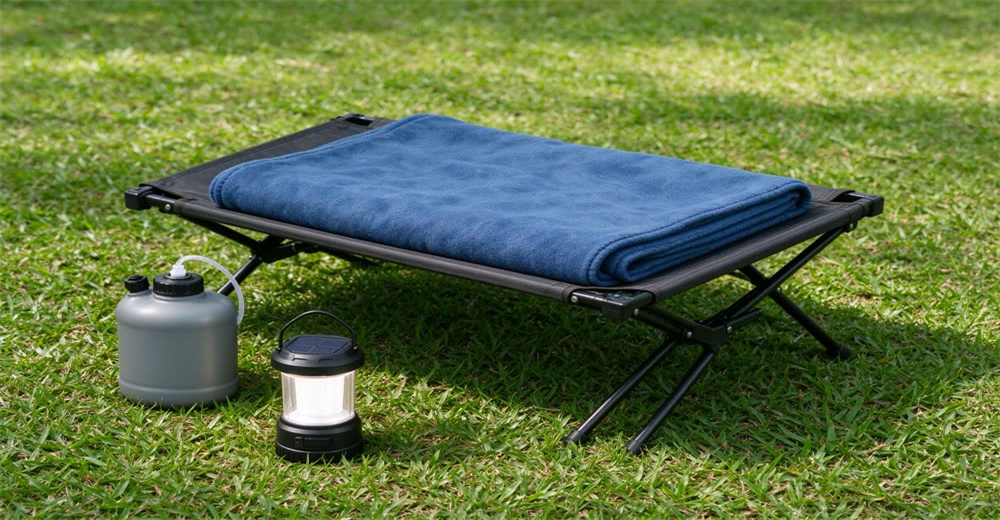
A: Document every issue with photos within 7 days of receipt. A reliable supplier replaces defective units free of charge. Include a 2–5% spare allowance in your order to cover transit losses. Never accept a shipment without pre-shipment inspection — catching problems at the factory is free.
A: Many countries offer duty-free import for humanitarian relief cargo under UN or government exemptions, but the paperwork is specific. Work with a customs broker who understands humanitarian cargo exemptions. You typically need a donation letter from your NGO and a cargo manifest.
A: Calculate total landed cost including defect rate. A supplier with 8–12% defects may actually cost more than one with <1% defects, because replacements delay your response. Compare: EXW price, defect rate, lead time, certification validity and communication quality — not just the number on the quote.
A: Commercial invoice, packing list, certificate of origin, product certificates (CE/ISO), inspection report and bank records. Keep these organized per shipment — donor auditors ask for them randomly. A supplier who provides complete documentation saves your team hours of audit preparation.
A: Start with a small trial order, give clear feedback, and reorder on a regular schedule. Suppliers who know your needs can pre-stock fast-moving items for 7-day dispatch. For ongoing programs, share your annual forecast so the supplier can plan production capacity.
A: Three things: (1) Always order samples before bulk production. (2) Always book pre-shipment inspection. (3) Always compare total landed cost, not just unit price. These three steps prevent 90% of procurement disasters.
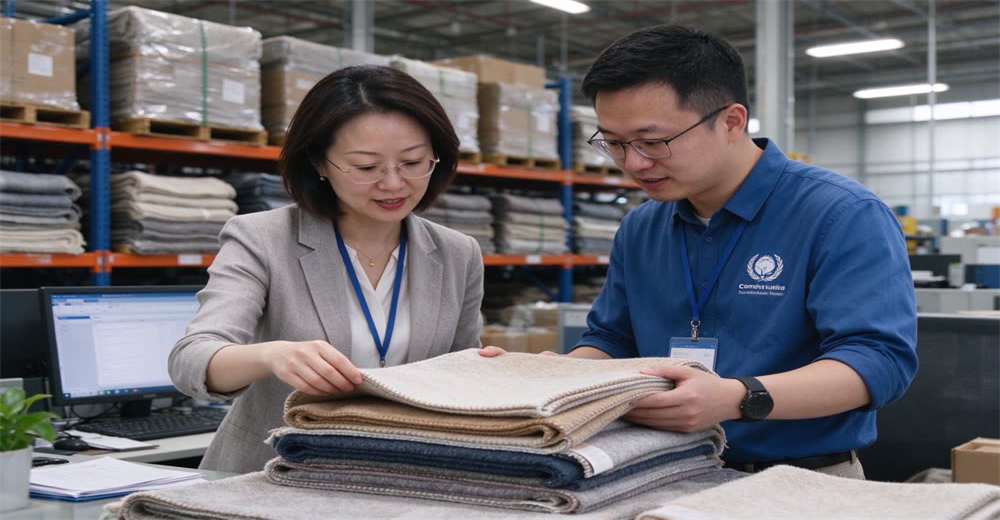
Start by
(1) listing the products you actually need for your program,
(2) confirming the destination country and import requirements, and
(3) requesting samples before bulk orders. These three steps prevent 90% of procurement mistakes. We are a China-based supplier of NGO emergency supplies — tents, blankets, folding cots, lighting towers, first aid kits and water bladders. Contact us for wholesale pricing and documentation support.
|
|

|
روابط ودية :
حقوق النشر © Custom Disaster - Relief Bedding: Tents, Sleeping Bags, Blankets كل الحقوق محفوظة
الفريق المحترف للخدمة !