التصنيفات
A sealed carton is not proof that the blankets inside remain identifiable and ready for release. Stockpile control needs observable checks and lot-level rotation decisions.
Use current stored blanket condition logs, an identified sample and the active quotation for every stored blanket value. Competitor observations and use labels are not stored blanket facts.
A reliable purchasing decision connects product values, documents and packing details to the current quotation and identified sample. Compare available routes against the real operating need without turning an unverified value into a product promise.
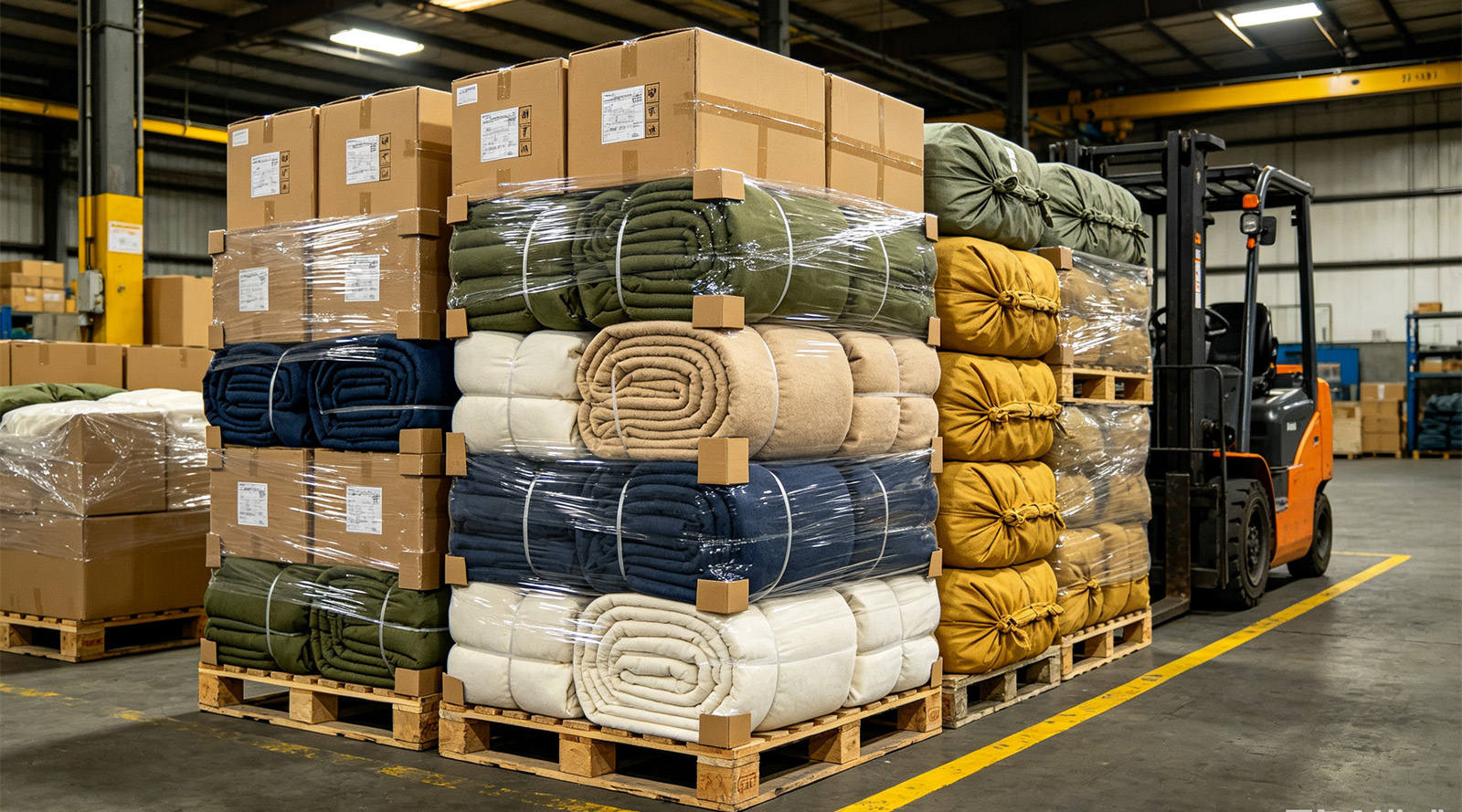
Create a traceable receiving baseline when the blankets enter storage: product and lot identity, received quantity, unit-pack and carton condition, storage location, approved sample revision and arrival exceptions. Later inspections return to this baseline instead of treating an unopened carton as proof that the contents remain usable.
Identify representative normal cartons separately from compressed, wet or visibly damaged cartons, and retain the receiving date and disposition. This allows a later review to distinguish transit damage, storage deterioration and original delivery issues rather than collapsing them into one stock note.
A storage supplier contributes to receiving baseline through stable reserve-item identity and replacement packaging information, not an unsupported shelf-life promise. Connecting lot identity, quantity, packing condition, storage location, approved product version and exceptions to the next inspection trigger preserves usable stock continuity and gives replenishment a verified starting balance.

Stock rotation should be triggered by recorded condition and future usability, not by an invented universal calendar. Each stored lot needs a readable identity, location, usable quantity, approved product version and last inspection result. The inspection then distinguishes carton damage from product exposure, contamination, identity loss or simple relocation, because each condition requires a different action. A moved but intact carton may need only a location update. A wet or unidentified lot may require isolation and a new decision before issue. Rotation also has to protect dispatch practicality: older usable lots should remain accessible, while replacement stock must not hide unresolved exceptions. A useful warehouse record therefore connects the physical location with the inspection result, release history and next trigger. When a supplier supports replenishment, it should compare the new proposal with the retained specification, sample, label and packing baseline so that rotation does not introduce an unnoticed product change.
▶ Blanket procurement for shelter programs requires anticipating demand differences across scenarios in advance and establishing strict receiving review mechanisms. Our article *Shelter-Project Blanket Procurement: Scenario Planning and Receiving Reviewt* covers the complete project management flow from demand planning to arrival acceptance.
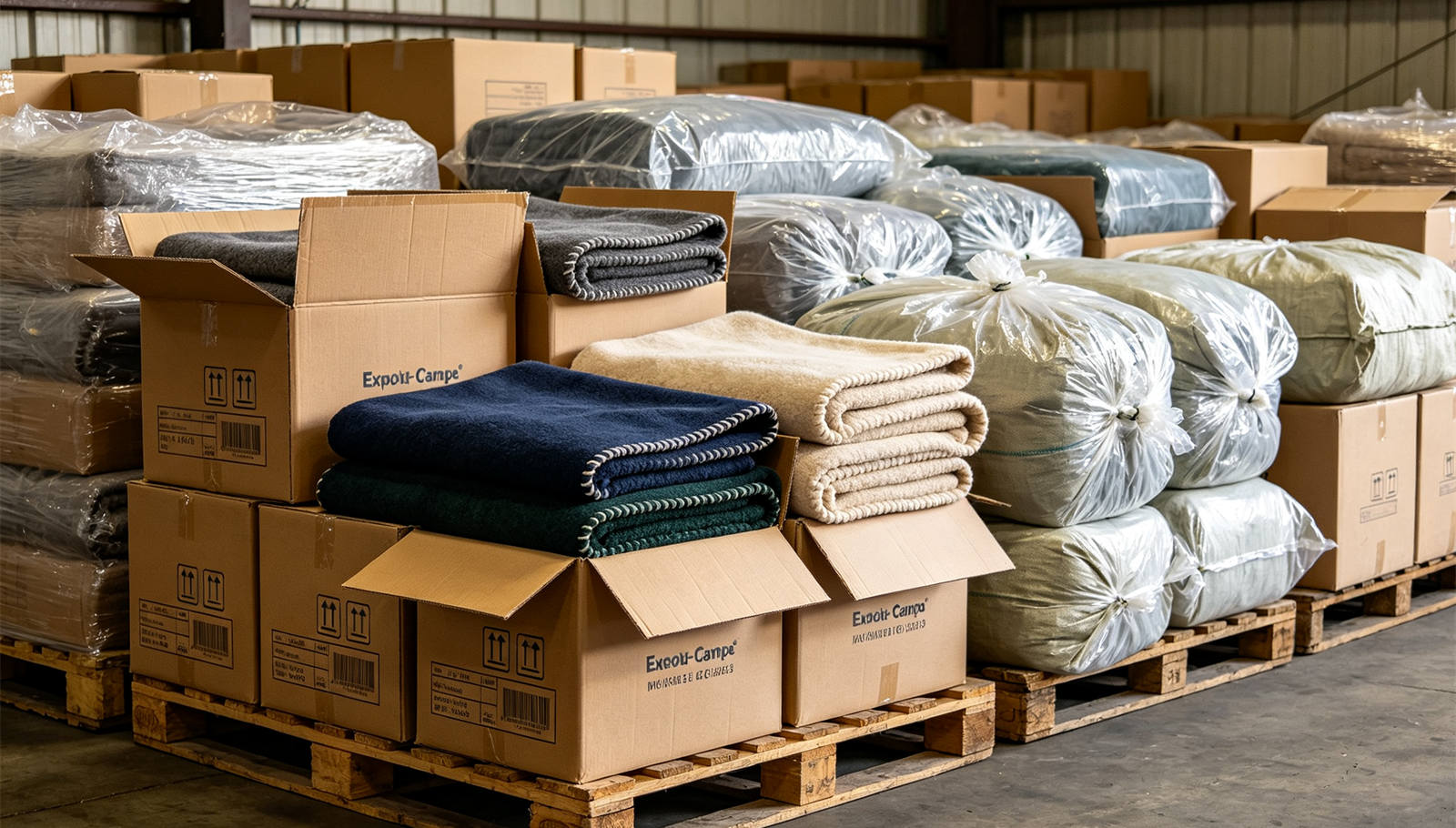
Routine inspection looks for changes that raise packing or product risk, not merely another blanket count. Check water exposure, condensation, contamination, pests, stack pressure, blocked access and carton-mark readability, then tie each finding to a location and lot.
Define the affected area before opening stock. A wet or contaminated outer carton is not closed out by reboxing alone. Inspect the inner pack, odour, surface and label condition to decide whether the units can remain available.

A storage supplier contributes to carton condition through stable reserve-item identity and replacement packaging information, not an unsupported shelf-life promise. Connecting water exposure, condensation, contamination, pest activity, compression, access and carton readability to the next inspection trigger preserves usable stock continuity and gives replenishment a verified starting balance.
Do not invent one universal opening frequency. Prioritise older lots, wet or compressed zones, frequently moved cartons, identity exceptions and representative normal cartons so limited inspection covers the locations most likely to have changed.
Record seal condition, odour, surface, folding state, label and repacking needs. If findings stay within one location, expand that zone. If the same exception appears across locations, hold the affected lot and investigate before release.
A storage supplier contributes to sample opening through stable reserve-item identity and replacement packaging information, not an unsupported shelf-life promise. Connecting damaged areas, older lots, moved cartons and representative positions without claiming an invented universal frequency to the next inspection trigger preserves usable stock continuity and gives replenishment a verified starting balance.
| Decision field | What must be controlled | Operational consequence |
|---|---|---|
| Record the receiving baseline | lot identity, quantity, packing condition, storage location, approved product version and exceptions | condition log the owner, warehouse clearance point and downstream stock intake or replenishment effect. |
| Observe the storage environment | water exposure, condensation, contamination, pest activity, compression, access and carton readability | condition log the owner, warehouse clearance point and downstream stock intake or replenishment effect. |
| Use risk-based sample opening | damaged areas, older lots, moved cartons and representative positions without claiming an invented universal frequency | condition log the owner, warehouse clearance point and downstream stock intake or replenishment effect. |
| Decide rotate, hold, rework or remove | defined authority and records for packaging damage, identity loss, contamination or product mismatch | condition log the owner, warehouse clearance point and downstream stock intake or replenishment effect. |
▶ Good Price 64 inches x 88 inches, Prison, durable and comfortable. Click the title link to check institutional procurement MOQ, packing schemes and price concessions for correctional facility orders.
Convert every inspection result into a clear disposition: continue storing acceptable units, rotate older or scheduled stock first, rework damaged packing around acceptable blankets, hold unidentified or contaminated units, and remove stock that cannot return to the approved condition.
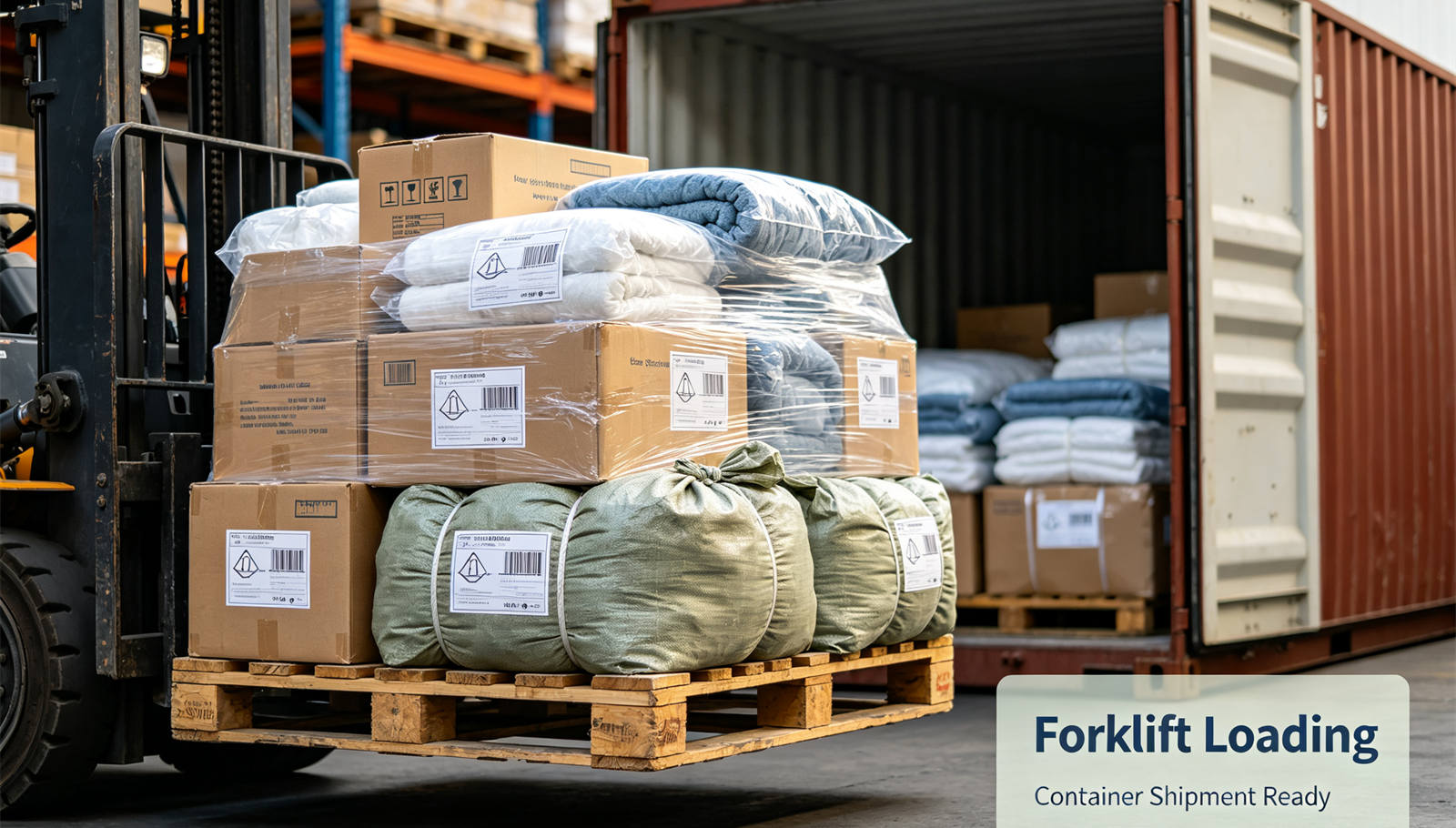
The record names the decision owner, affected quantity, completion point and recheck method. This prevents “inspected” from being mistaken for “resolved” and gives procurement an accurate usable balance.
A storage supplier contributes to rotation decision through stable reserve-item identity and replacement packaging information, not an unsupported shelf-life promise. Connecting defined authority and records for packaging damage, identity loss, contamination or product mismatch to the next inspection trigger preserves usable stock continuity and gives replenishment a verified starting balance.
Calculate replenishment from usable balance, planned release, rotation losses and repacking quantities rather than book inventory alone. Reference the current approved specification and identify which older lots should be issued first and which remain under observation.
With usable balance, target quantity, packing revision and destination split, the supplier can return a replenishment configuration and packing checks. The warehouse record answers what remains usable. The repeat-order record separately controls which version the next batch follows.
A storage supplier contributes to replacement stock through stable reserve-item identity and replacement packaging information, not an unsupported shelf-life promise. Connecting remaining usable quantity, release history, approved replacement specification and next inspection trigger to the next inspection trigger preserves usable stock continuity and gives replenishment a verified starting balance.

Warehouse control treats warehouse maintenance cycle as a condition signal. The controller observes lot identity, quantity, packing condition, storage location, approved product version and exceptions. Water exposure, condensation, contamination, pest activity, compression, access and carton readability. Damaged areas, older lots, moved cartons and representative positions without claiming an invented universal frequency. Defined authority and records for packaging damage, identity loss, contamination or product mismatch. Remaining usable quantity, release history, approved replacement specification and next inspection trigger at the relevant location and adds it to the condition log with lot identity. This creates a visible history instead of assuming that unopened storage packaging proves usable stock.
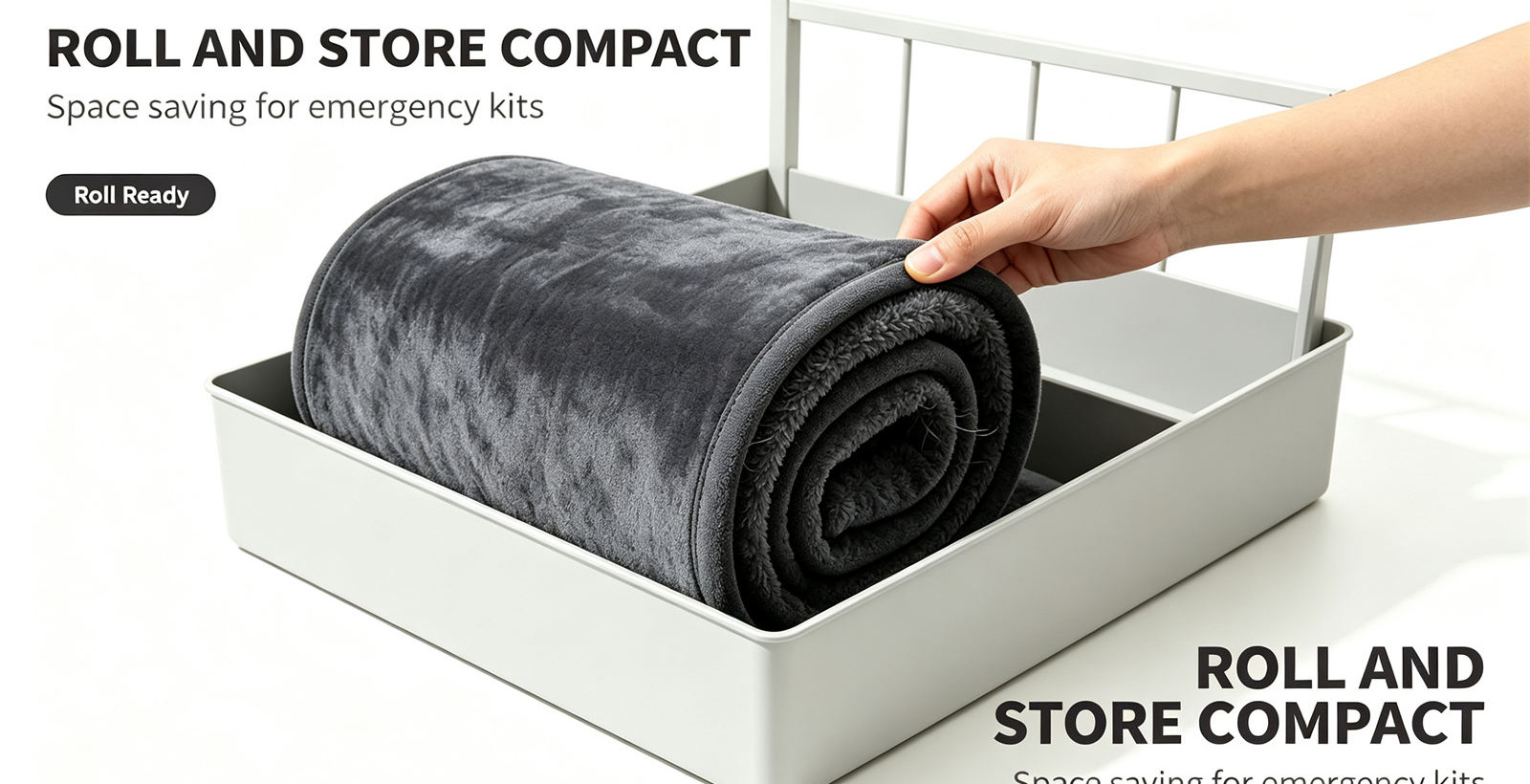
Diagnose warehouse maintenance cycle by comparing an older lot, a moved carton and a representative newer lot. Evidence around lot identity, quantity, packing condition, storage location, approved product version and exceptions. Water exposure, condensation, contamination, pest activity, compression, access and carton readability. Damaged areas, older lots, moved cartons and representative positions without claiming an invented universal frequency. Defined authority and records for packaging damage, identity loss, contamination or product mismatch. Remaining usable quantity, release history, approved replacement specification and next inspection trigger determines whether hidden stock degradation is isolated or broader. The condition inspection routes the affected balance to rotation, hold, repacking, further examination or removal.
A storage supplier contributes to warehouse maintenance cycle through stable reserve-item identity and replacement packaging information, not an unsupported shelf-life promise. Connecting lot identity, quantity, packing condition, storage location, approved product version and exceptions. Water exposure, condensation, contamination, pest activity, compression, access and carton readability. Damaged areas, older lots, moved cartons and representative positions without claiming an invented universal frequency. Defined authority and records for packaging damage, identity loss, contamination or product mismatch. Remaining usable quantity, release history, approved replacement specification and next inspection trigger to the next inspection trigger preserves usable reserve continuity and gives replenishment a verified starting balance.
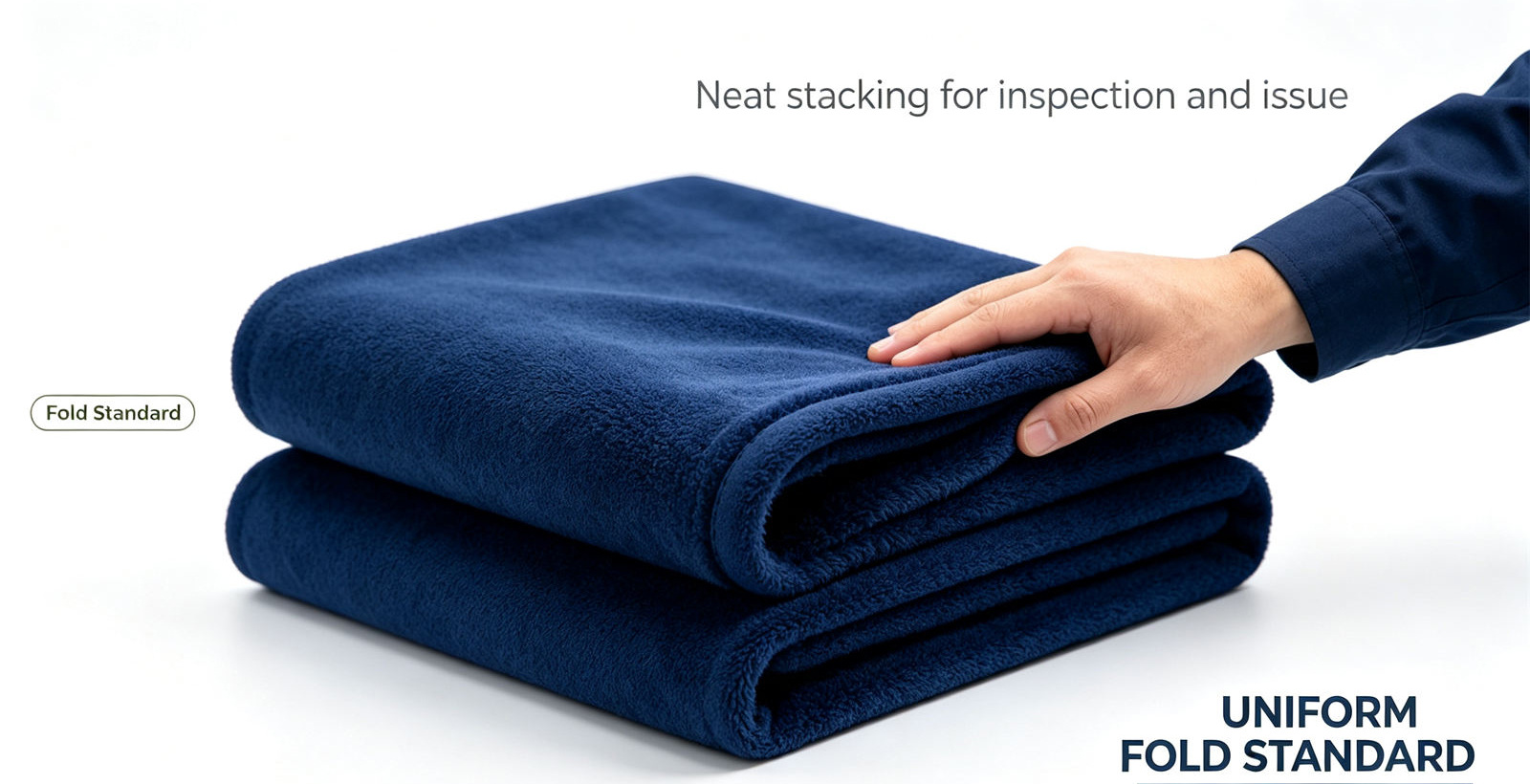
Share warehouse conditions, packing form, lot fields, inspection triggers and release rules.
Define the intended result responsible role and exact blanket or order scope before approval Record lot identity quantity packing condition storage location approved product version and exceptions beside lot condition quantity and destination in the condition log This gives the next reviewer a usable decision and prevents condition.
Use the active product pack lot or artwork identity that the current order names The reference for water exposure condensation contamination pest activity compression access and carton readability should show its version owner and effective purchase If a newer destination responsibility or configuration changes the basis reopen only.
Compare where each approach places work who performs it and what happens when information is wrong For damaged areas older lots moved cartons and representative positions without claiming an invented universal frequency include packing handling receiving and correction consequences rather than unit price alone The warehouse controller should.
Ask for the proposed method active version affected quantity and every difference from the buyer brief A useful response to defined authority and records for packaging damage identity loss contamination or product mismatch identifies the product or packing reference and the implementation point A general promise is not.
Hold the quantity whose identity authority or disposition is unresolved do not automatically stop unrelated units that still match the accepted basis For remaining usable quantity release history approved replacement specification and next inspection trigger name the decision owner and the evidence required to release correct replace or.
Receiving staff need the expected identity quantity and action for a mismatch before goods enter available stock When lot identity quantity packing condition storage location approved product version and exceptions changes update the receiving instruction and destination allocation Otherwise hidden stock deterioration may be discovered only after cartons.
No A sample can demonstrate the visible and measurable fields represented by that identified unit but it cannot alone approve all responsibility destination bulk consistency or repeat-order fields State what the sample confirms about water exposure condensation contamination pest activity compression access and carton readability then assign the.
Keep the affected quantity separate identify the current version and assign one decision owner The exception record for damaged areas older lots moved cartons and representative positions without claiming an invented universal frequency should state the finding supplier response agreed disposition and effect on the next order Close.
Retain the final accepted product or pack identity approval date allowed variation receiving result and any closed exception For this condition inspection and rotation article the condition log must also preserve lot condition The next buyer can then compare proposed changes without repeating every first-order decision or accepting.
First isolate and count the affected units then compare them with lot condition Decide whether correction replacement further review or rejection is proportionate to the consequence Record the supplier response and final authority in the condition log that closes the current issue and gives the next purchase a.
Prepare the Warehouse Maintenance Brief
Share warehouse conditions, packing form, lot fields, inspection triggers and release rules. The supplier response can then identify the proposed product, packing or document route and show any point that still needs buyer approval.

Compare blanket product lines, application routes and related procurement resources.
Review product specifications, configuration options and order confirmation points.
Review selection, packing and supply planning for this procurement scenario.

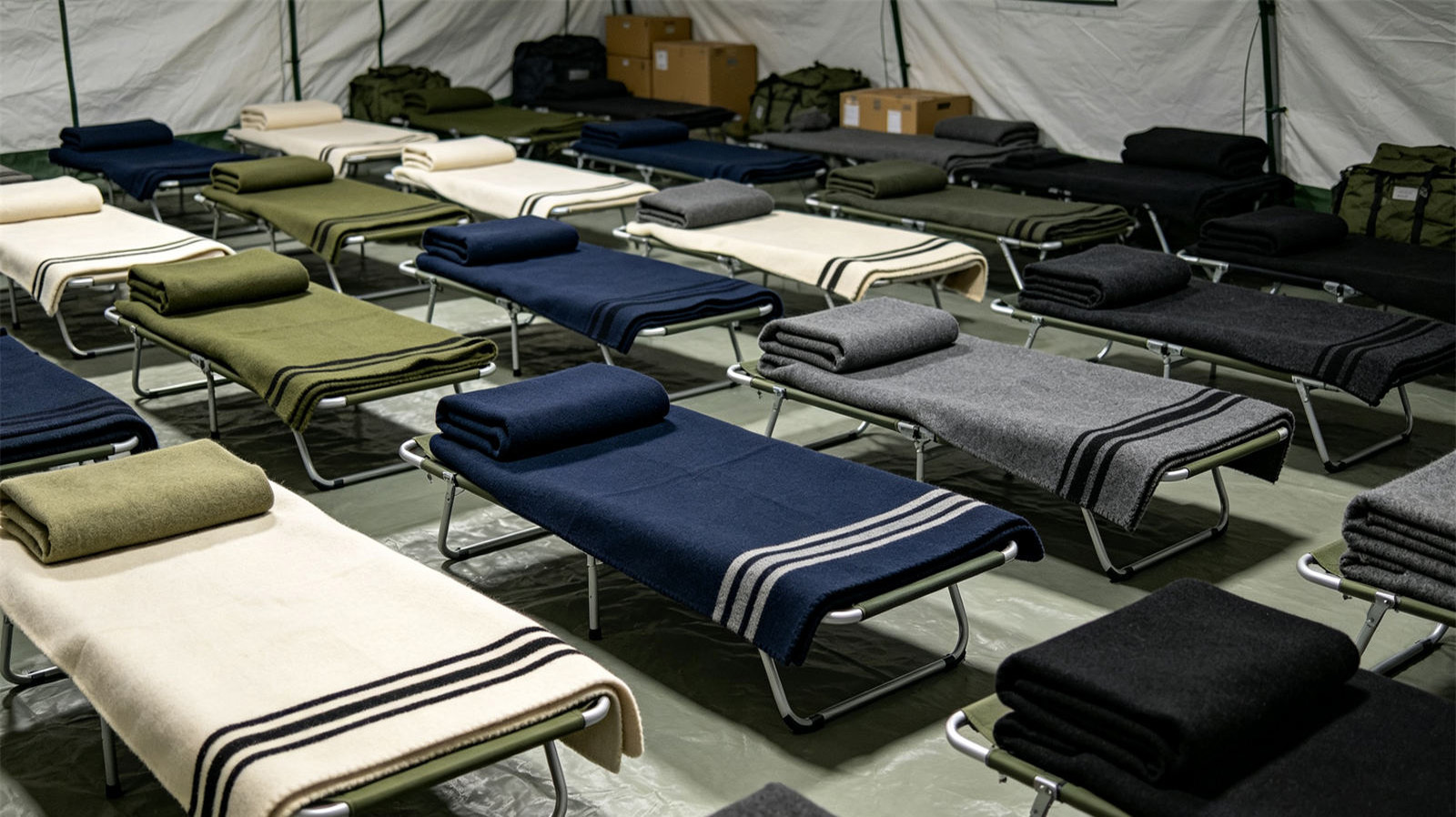
Emergency Relief Reserve Blanket for Institutional Stockpiles and Bulk Distribution
Institutional Standby Bedding Procurement for Duty Rest and Reserve Programs
▶ Procurement for government stockpiles, prisons and military camps often comes with strict compliance requirements and qualification reviews. We provide large-volume wholesale supply of emergency relief blankets that meets various institutional standards, strictly complying with project technical specifications to guarantee stable supply capacity. To learn compliance key points and procurement processes for institutional bulk purchasing, please refer to our article *Emergency Disaster Relief Blankets | For Government Stockpiles, Correctional Facility Blankets & Military Camps – Bulk Wholesale Supply*.
✅ Factory video link (YouTube): https://x.c1ns.cn/zVNIU
✅ Facebook homepage: https://a.c1ns.cn/SjJla
|
Access our full product document |
Quick real‑time chat for urgent project questions |
 |
 |
|
Get full‑range product specs & package solutions in PDF |
Connect with us for instant project support |
روابط ودية :
حقوق النشر © Custom Disaster - Relief Bedding: Tents, Sleeping Bags, Blankets كل الحقوق محفوظة
الفريق المحترف للخدمة !