التصنيفات
A relief tent material and tent fabric should not be selected from one material name or one large number. When comparing tent tarpaulin material and tent material options, including PVC tarpaulin vs polyester choices, buyers need to review the tent material selection: base cloth, coating, layer, seams, weather exposure, cleaning method, and evidence for the exact configuration.
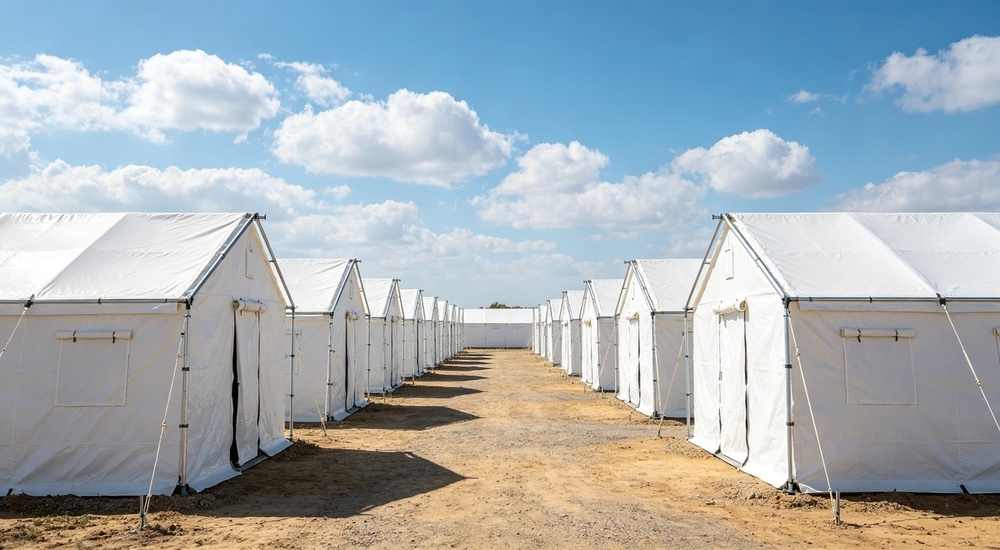
Short answer: Start with the location, season, operating period, rain, sunlight, temperature, cleaning, and relocation frequency. Then ask the supplier to identify each base fabric, its weight, and coating, its weight in gsm or denier, coating, seam treatment, performance evidence, and replacement method. A heavier fabric may improve one condition, but it does not automatically prove better waterproofing, flame performance, or service life.
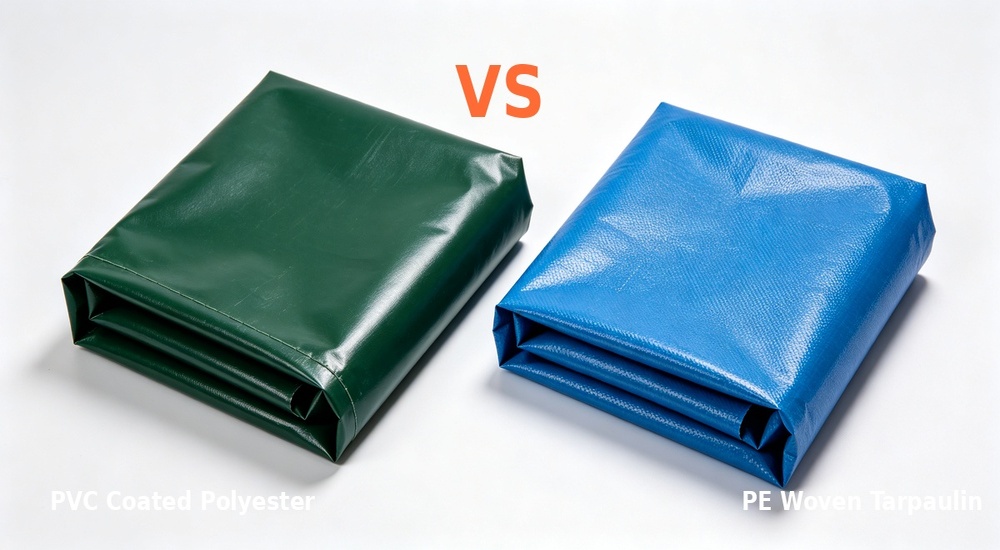
Table of Contents
|
1. Conditions the Tent Must Handle 2. Base Fabric vs Coating 3. Fabric Weight and Denier 4. Waterproofing and Seams 5. Flame-Retardant Requirements 6. UV, Weather, and Mildew 7. Breathability and Condensation |
8. Cleaning, Repair, and Packing 9. Supplier Material Checklist 10. Four Common Selection Errors 11. Material by Tent Position 12. Swatch vs Complete Cover 13. Repair Material Matching Frequently Asked Questions Related Products |
Key Takeaways:
A short indoor support project and a seasonal outdoor accommodation camp do not expose fabric to the same problems. Rain, direct sun, dust, cold folding, repeated cleaning, and frequent relocation place different demands on the cover.
Write down the main use, location, season, expected operating period, rainfall, sunlight, temperature range, cleaning resources, and number of planned relocations. These details help the supplier choose a fabric direction instead of offering the heaviest available option.
For example, a tent used inside a hall may need a cleanable privacy cover and suitable fire documentation. An outdoor accommodation tent may need closer review of rain seams, UV exposure, ventilation, and drying after use. A storage shelter may prioritize abrasion around doors and repeated contact with packages.
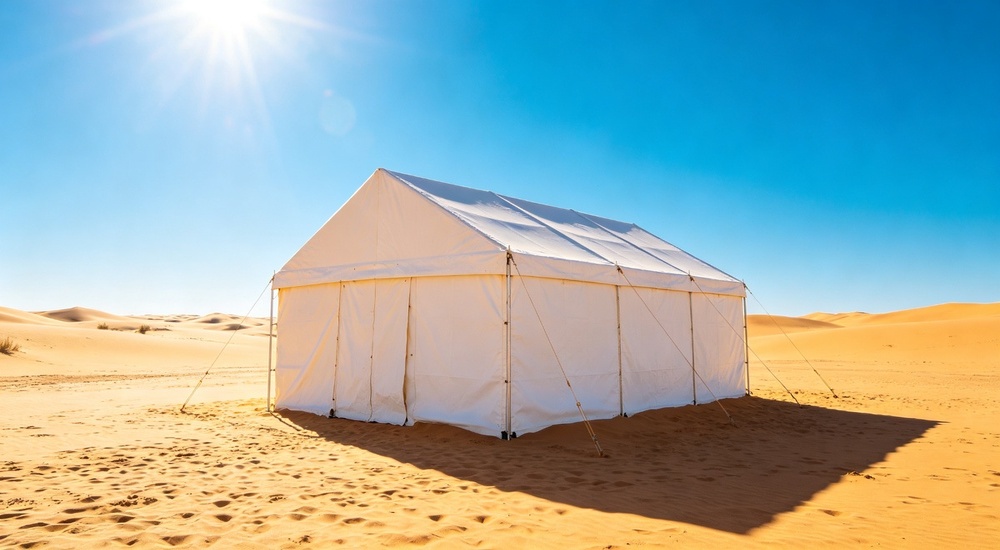
Turn the operating conditions into a short comparison brief. Separate fixed conditions, such as the country, season, and venue rules, from adjustable choices, such as color, liner, and cover weight. Ask every supplier to answer the same brief.
This prevents one quotation from assuming indoor use while another prices a long-term outdoor cover. It also reveals where the proposed material depends on a condition the project cannot provide, such as daily drying space or shaded storage. The final choice should solve the known exposure without adding maintenance work the local team cannot perform.
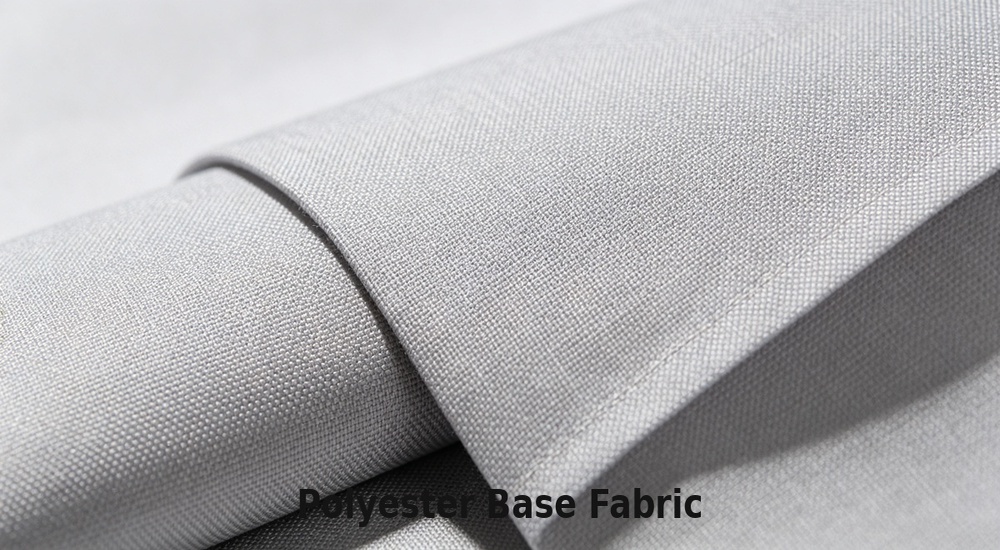
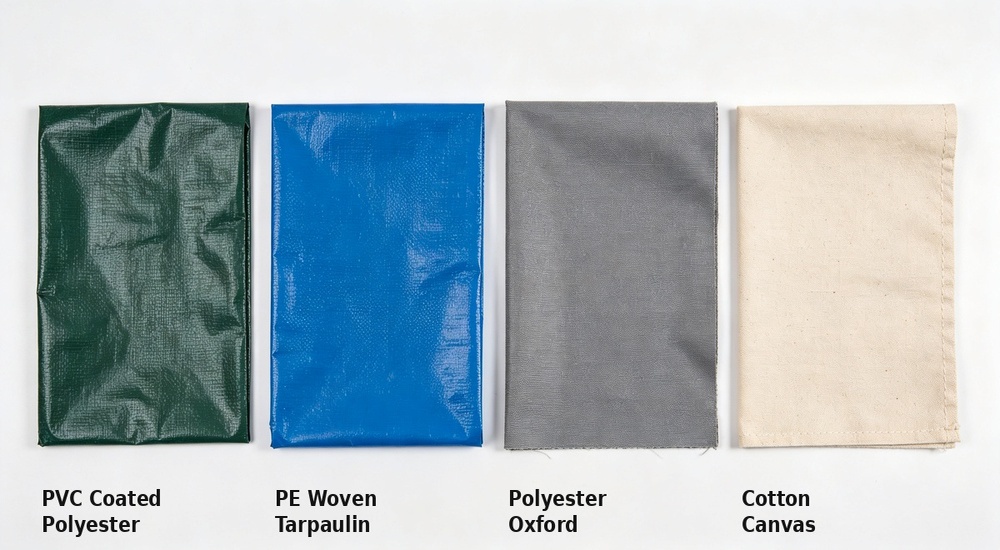
Terms such as Oxford fabric, canvas, PE fabric, and PVC-coated fabric describe different constructions or material directions. They do not, by themselves, tell the buyer the complete waterproof, flame-retardant, UV, or cleaning performance.
The base cloth provides the underlying woven structure. A coating or laminated layer can change water resistance, surface cleaning, stiffness, weight, and weather behavior. Two products called Oxford fabric can perform differently if their yarn, density, coating, seam process, and intended layer are different.
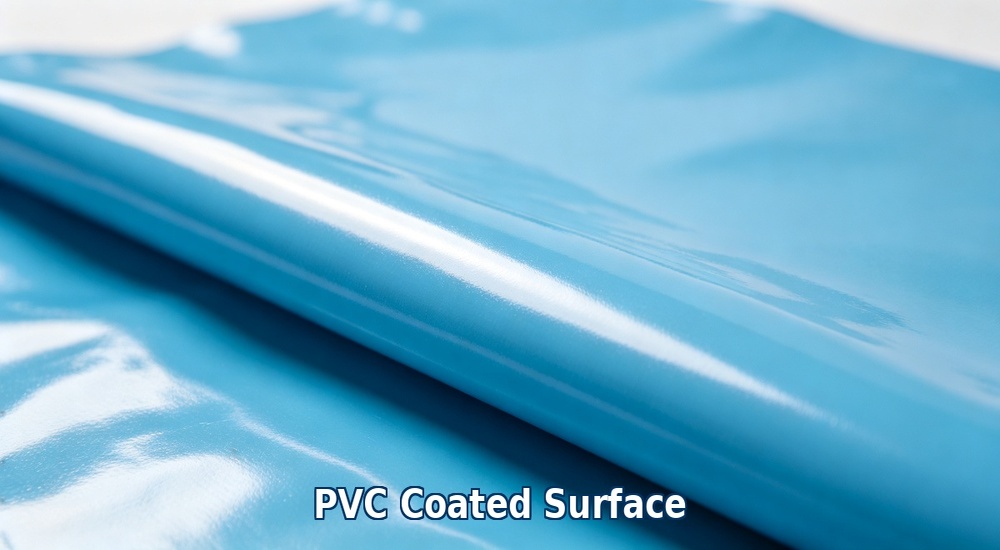
Ask the supplier to state the base fabric and surface treatment separately. The response should also identify whether the material is used for the outer cover, inner liner, divider, skirt, or floor. This prevents a floor material from being compared directly with a roof cover.
A practical request can ask for the base cloth, coating, weight or denier, color, layer position, and seam method. Require every answer to identify the quoted model. This gives buyers more useful information than asking only whether the tent is waterproof.
When a supplier uses a trade term, ask for a plain explanation of the construction. The answer should show what the user touches, what faces the weather, and what supports the coating. If a removable panel uses a different material from the main roof, record that difference.
Buyers can then understand whether cleaning instructions, repair patches, and replacement panels are shared or separate. This matters during later procurement. A replacement called an “Oxford cover” may not match the original coating, color, or seam method.
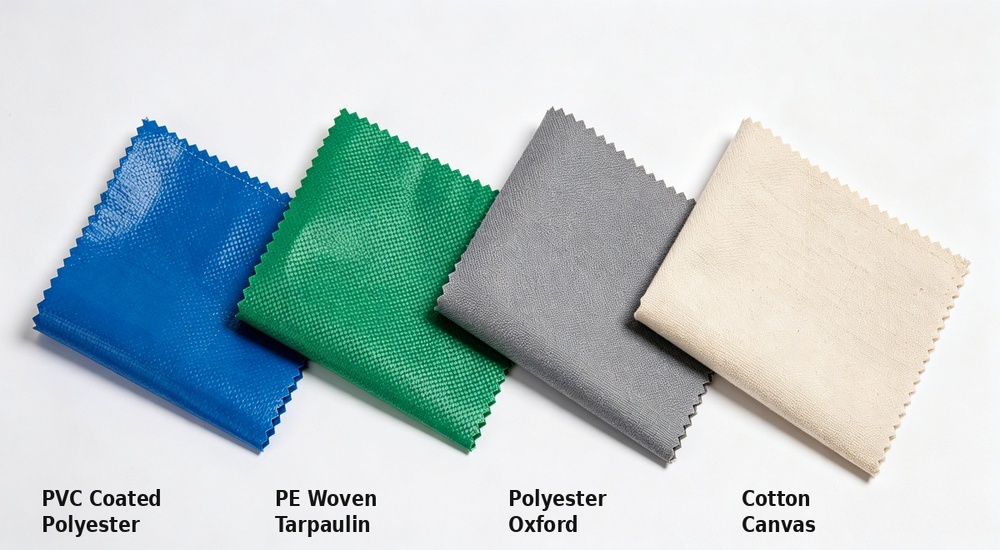
|
Material Type |
Base Cloth |
Common Weight |
Best For |
Limitation |
|
PVC coated polyester tarpaulin (the most common heavy-duty tent material) |
Polyester (420D-1000D) |
450-650 gsm |
Relief shelter roofs and walls, heavy duty tent material and heavy duty tarpaulin use |
Heavier, less breathable |
|
PE woven tarpaulin |
PE woven fabric |
120-200 gsm |
Low-cost temporary shelters, ground sheets |
Lower durability, shorter life |
|
Oxford polyester |
Polyester oxford (210D-600D) |
150-300 gsm |
Inner tents, lightweight shelters |
Needs PU coating for waterproofing |
|
Canvas (cotton) |
Cotton canvas |
300-500 gsm |
Breathable shelters, moderate climate |
Absorbs water, heavier when wet |
Fabric weight in g/m2 and yarn denier such as 420D describe different things. They are not interchangeable quality scores. A larger number can indicate a heavier construction or yarn, but the final performance still depends on weave, coating, reinforcement, and workmanship.
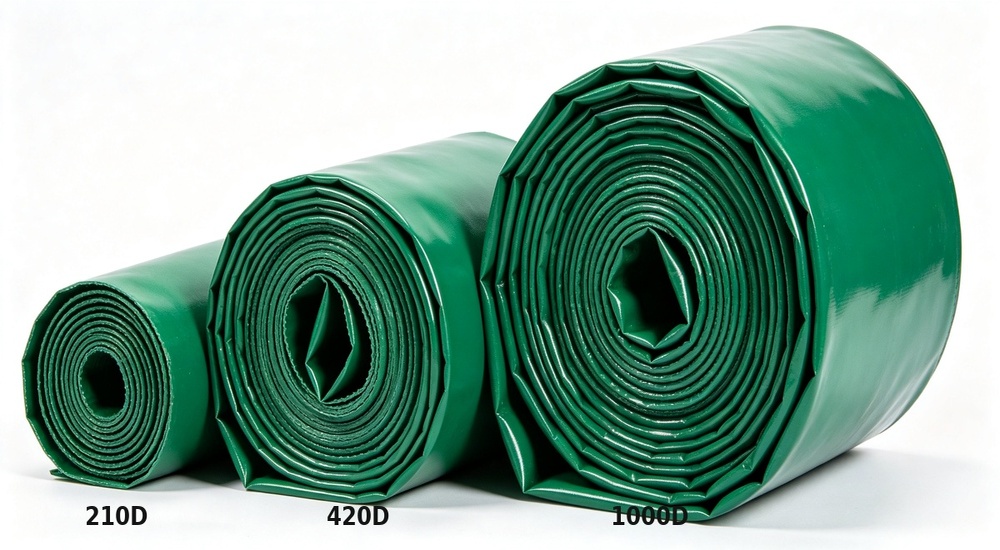
One layered tent configuration may use a 420D outer cover, a 210D liner, and a 550 g floor material. Those values are different because the layers have different jobs. A separate storage-shelter configuration may offer 280 g/m2 and 320 g/m2 cover directions.
These examples should not become universal minimums for every relief tent.
When comparing quotations, keep every number beside its layer and model. Ask why the proposed value suits the project, what trade-off it creates in packed weight and handling, and which evidence supports the stated performance.
Reject a comparison that lists only “higher weight” or “thicker material.” Request the complete construction and the actual decision benefit, such as easier cleaning, stronger abrasion protection, or a lighter relocation load.
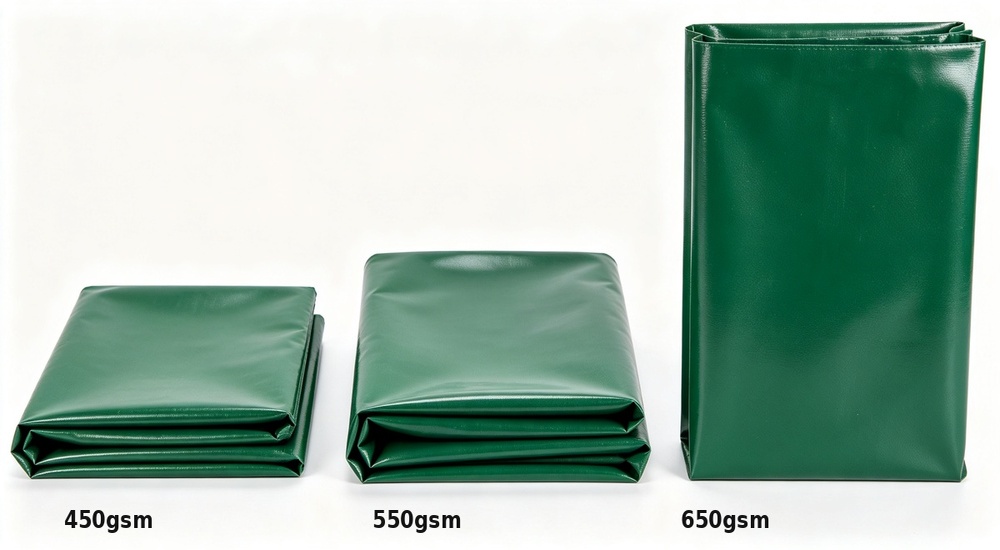
Use a simple test when 2 options are offered. Ask what changes for the buyer if the lighter direction is selected, then ask the same question for the heavier direction. The response should cover handling, packed volume, cleaning, expected exposure, and evidence.
If both answers are identical, the weight difference has not been translated into a purchasing decision. A useful proposal may separate frequent mobile deployment from longer stationary use. It must explain the assumptions and identify the exact tent configuration.
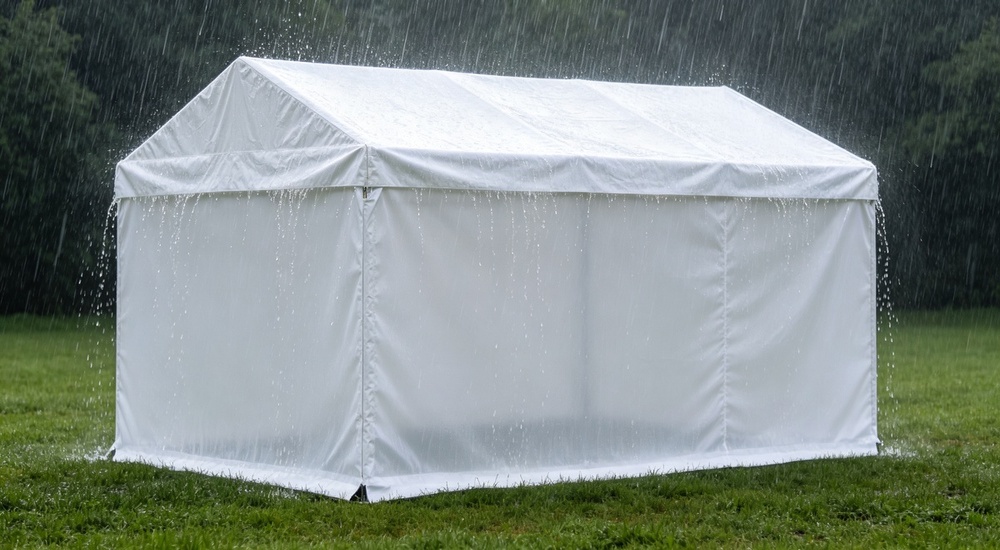
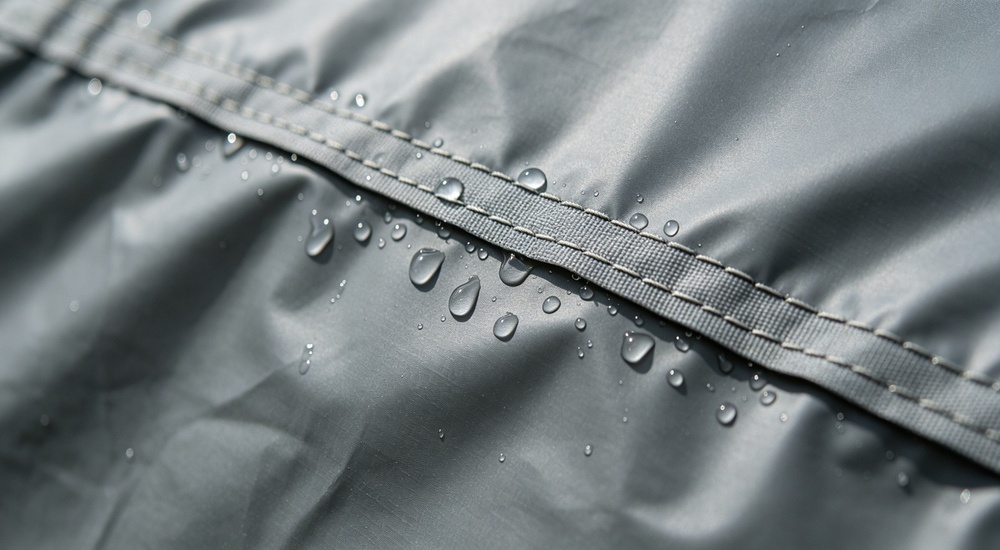
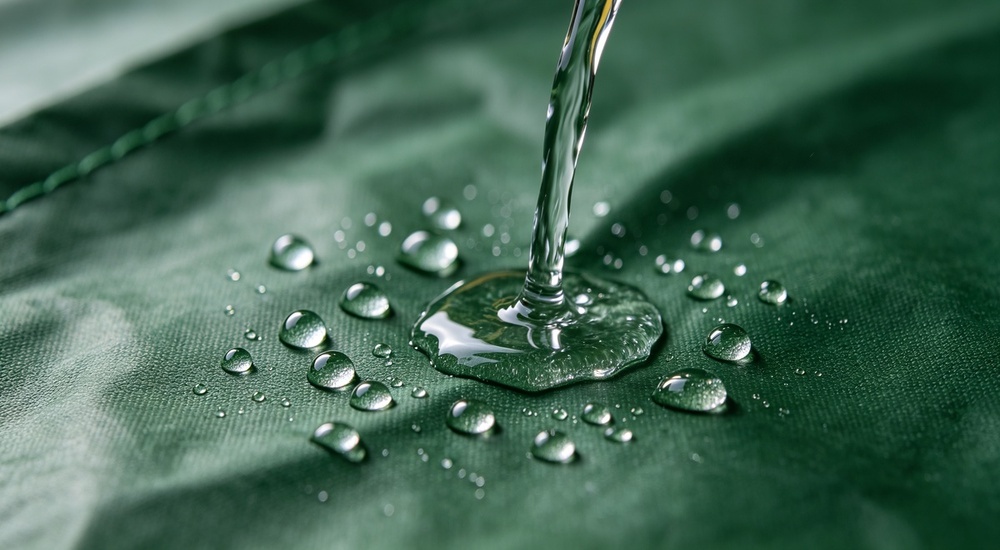
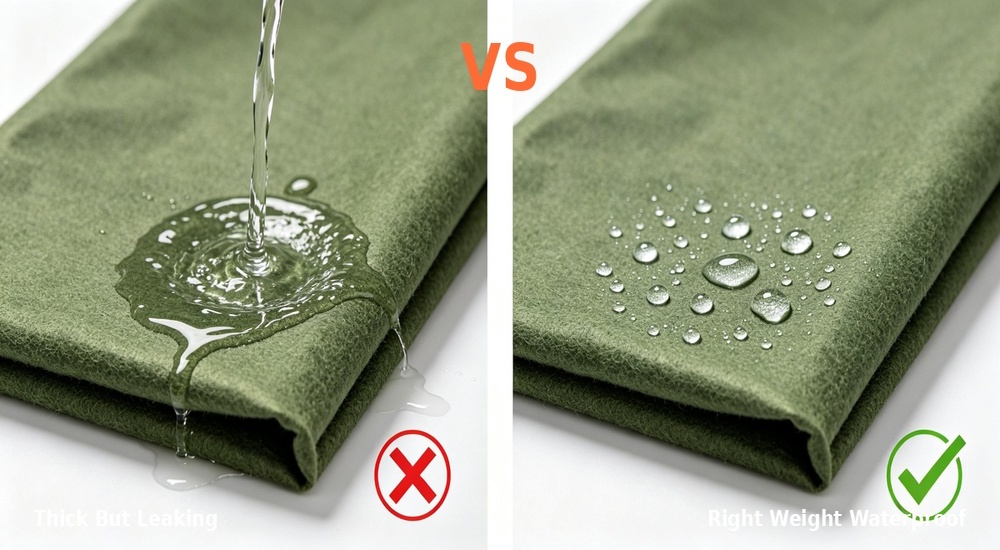
Rain can reach a tent through the material surface, stitching holes, panel joints, doors, windows, lower edges, and damaged areas. A water-resistance figure for the fabric sheet does not automatically prove the completed tent will manage every rainfall condition.
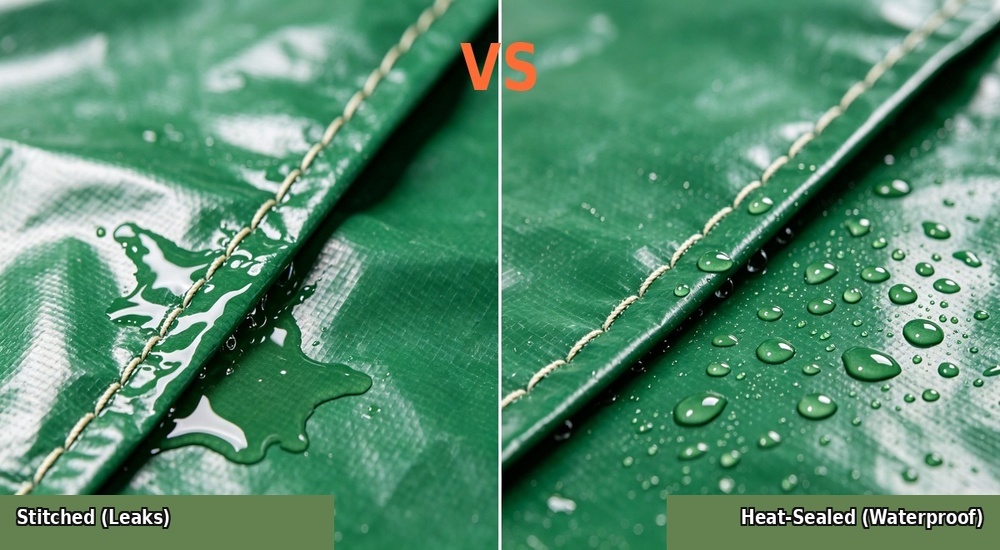
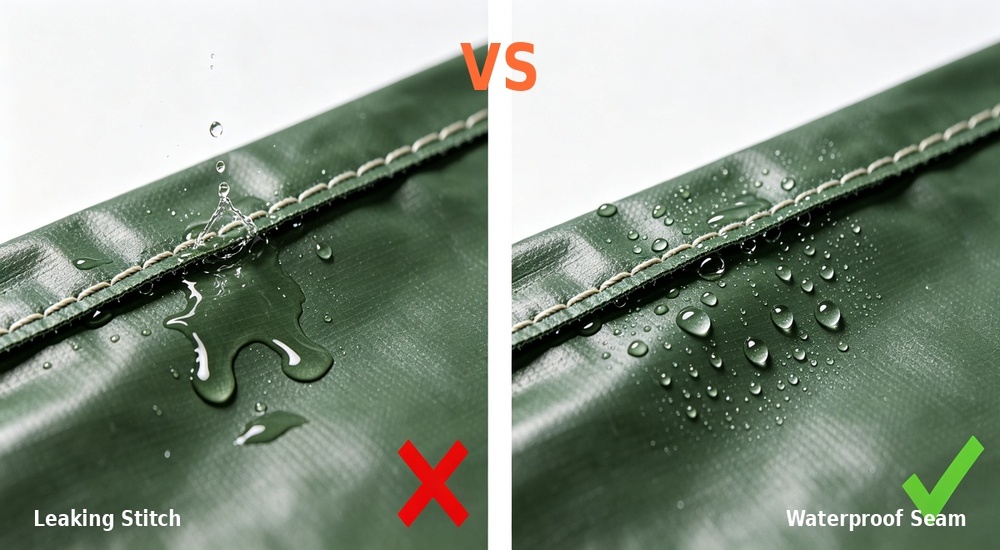
Check whether major seams are heat welded, taped, coated, or otherwise sealed. Ask how corners, zippers, ventilation openings, and cover-to-floor joints are treated. The supplier should identify which waterproof statement applies to the fabric and which applies to the finished construction.
Site drainage remains a separate requirement. Even a properly treated cover cannot correct a low site, blocked runoff, or standing water around entrances. The buyer should review placement and drainage together with the cover specification.
Ask for a seam map or clear written description when rain exposure is important. It should identify roof panel joints, wall joints, corners, openings, and any lower connection. Then define how a sample will be checked before a full order.
The check does not need to invent a new universal test; it needs to follow the agreed specification and project method. Record visible leakage, seam lifting, coating damage, and opening performance separately. This gives the buyer a repeatable result and prevents one general “waterproof” label from hiding several different construction risks.
|
Question |
What to Confirm |
Why It Matters |
|
Which layer? |
Outer cover, liner, divider, skirt, or floor |
Different layers perform different jobs |
|
What construction? |
Base cloth, coating, weight or denier |
A material name alone is incomplete |
|
How are seams treated? |
Stitching, welding, tape, and opening details |
Water often reaches weak joints first |
|
What evidence applies? |
Exact model, sample, method, and document scope |
Prevents a test from another construction being reused |
“Flame-retardant fabric” is not a complete purchasing requirement. The buyer needs the test method, classification or result, tested material, document scope, issue status, and connection to the quoted model.
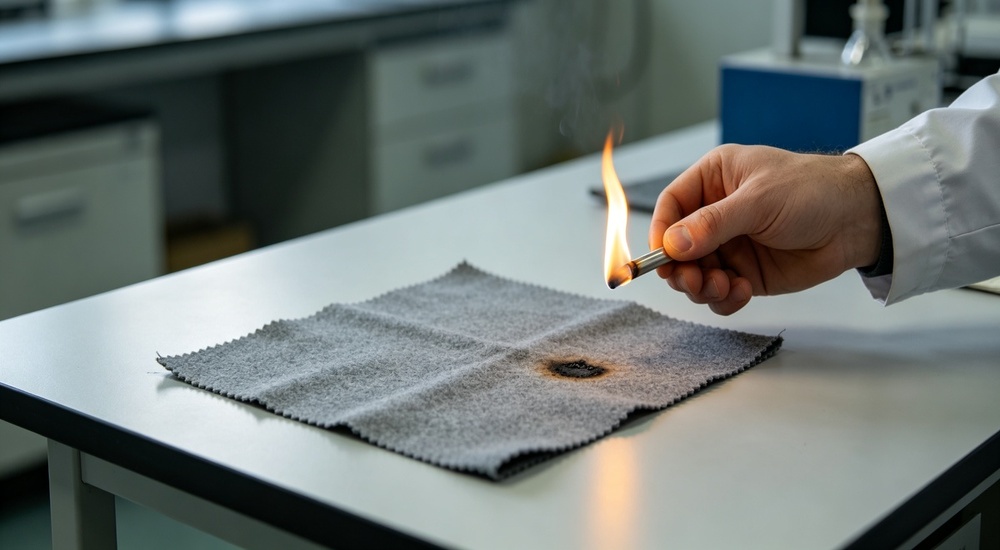
Indoor venues, government projects, temporary accommodation, and storage uses may follow different local or tender requirements. State the required method or project rule when it is known. If it is not known, ask the responsible project team to confirm it before the supplier selects or prices the material.
Do not assume PVC, canvas, Oxford, or another material name automatically meets a fire requirement. Ask whether the document covers the coated fabric, a complete sample, or another construction. Also confirm color and coating if these can affect the tested specification.
The useful output is a traceable match: project requirement, quoted fabric, exact model, and supporting document. If that match is missing, keep the statement out of customer-facing specifications until it is resolved.
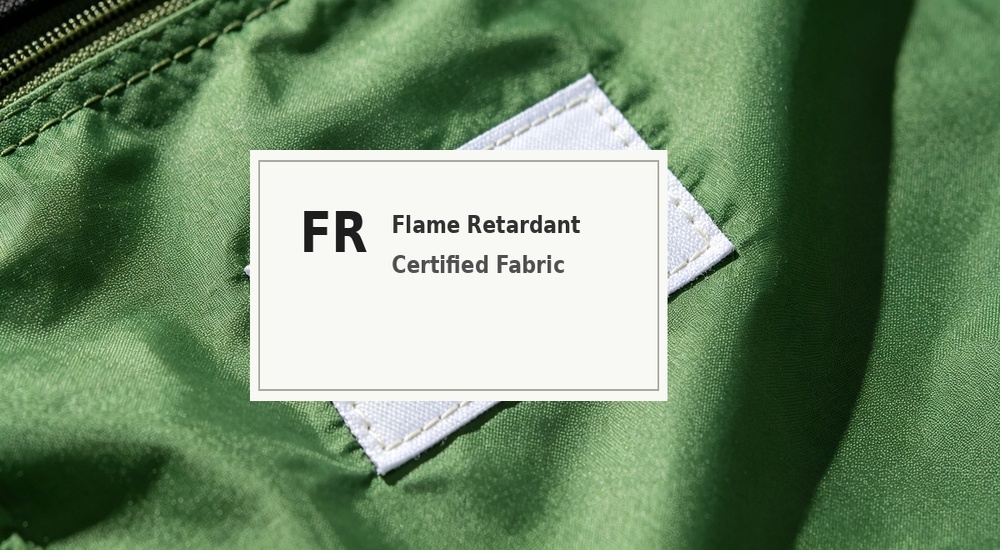
Color changes and custom printing should also be reviewed before relying on an earlier document. A different coating recipe, pigment, or finished construction may fall outside the tested sample. Ask the supplier to state whether customization keeps the same documented material or creates a new verification need.
This is important for private-label, government, and NGO projects because the visible specification must match the supplied batch. Keep the requirement, offered result, applicable evidence, and agreed sample reference as separate items.
Long outdoor exposure can affect color, coating flexibility, surface condition, and folded storage. Humid conditions can also create mildew risk when a cover is packed wet or stored without airflow.
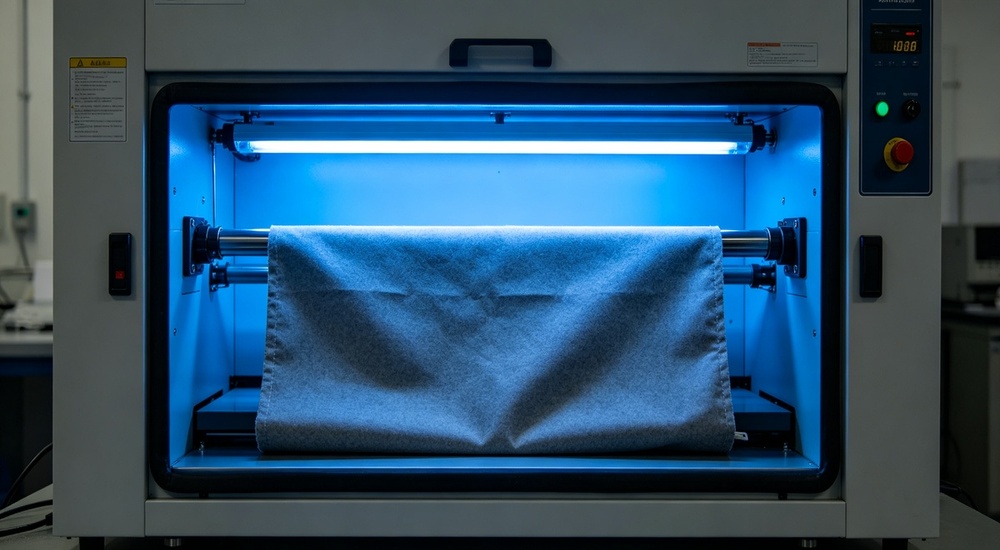
Ask how long the tent is expected to remain outdoors, whether exposure is continuous or seasonal, and how often it will be inspected. For cold projects, ask whether the quoted fabric and coating remain suitable for folding, unfolding, and handling at the expected temperature.
UV-resistant or mildew-resistant wording should be tied to the exact material and available evidence. It should not be converted into an unsupported service-life promise. Actual durability also depends on installation, cleaning, abrasion, storage, and weather severity.
A useful maintenance plan records inspection points: coating cracks, seam lifting, tears near fasteners, worn door edges, discoloration, moisture before packing, and repairs completed before the next deployment.
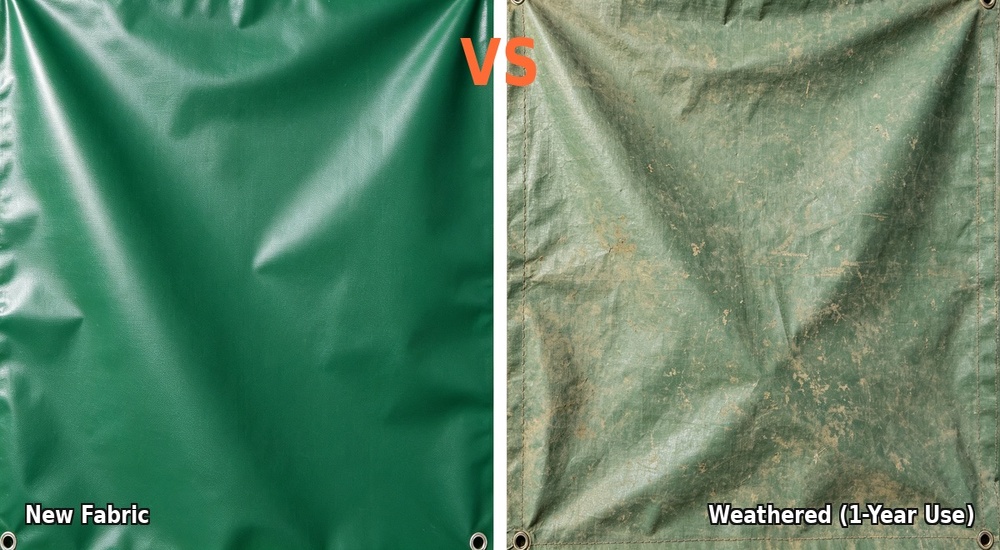
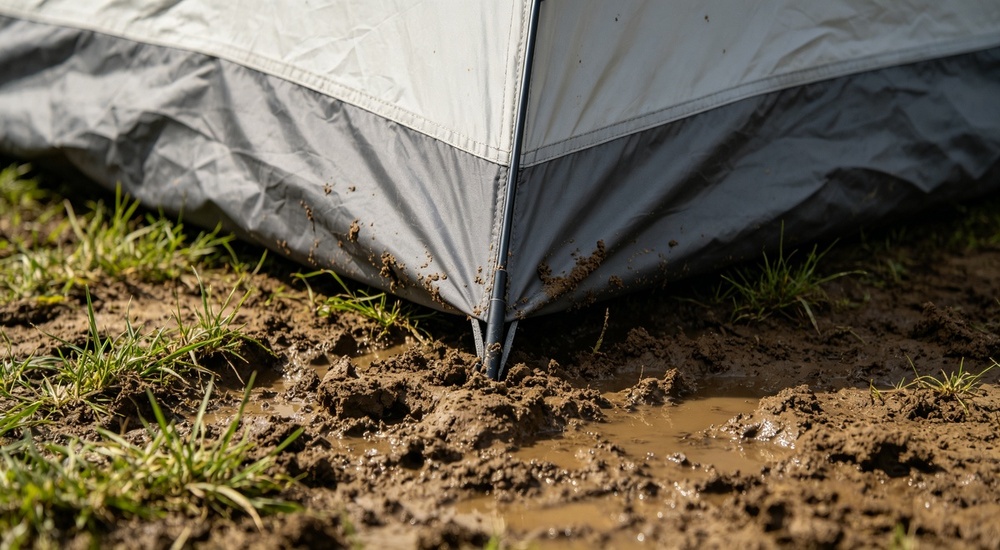
Exposure is rarely equal across the whole tent. Roof areas receive direct sun and rain, door edges receive repeated handling, and lower skirts contact mud or standing moisture. Ask whether these areas use the same construction or local reinforcement.
During a sample review, inspect the high-contact points instead of judging only a flat fabric swatch. The buyer should also confirm how the material behaves after folding, because coating damage can appear at repeated creases. The result is a location-based inspection plan, not a vague promise that one weather-resistant material will age evenly.
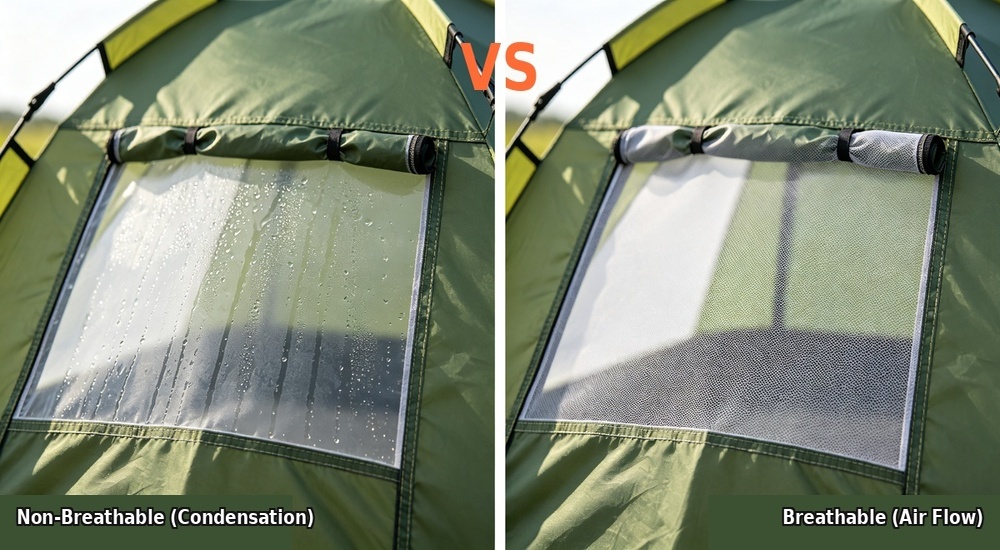
People, wet clothing, cooking restrictions, temperature difference, and limited airflow can create moisture inside a tent. A highly water-resistant outer cover can still have internal condensation if ventilation and occupancy are not managed.
Ask about vents, mesh openings, door arrangement, liner options, occupancy, and climate. A liner may reduce direct contact with a cold outer surface or improve comfort, but it also adds parts, packing volume, cleaning, and installation work.
The supplier should explain how the cover, liner, openings, and intended ventilation work together. Buyers should avoid a claim that one “breathable” material solves every moisture condition. The project may need operating rules for ventilation and drying as well as a suitable fabric configuration.
For sleeping use, compare overnight occupancy and cold conditions. For storage, compare moisture-sensitive goods and how often doors remain closed. These are different moisture tasks and may need different solutions.
Write the planned ventilation routine beside the material selection. State whether vents remain open during rain, whether doors can be opened regularly, and whether heating will be used. Ask the supplier which openings are protected from direct rain and whether the liner blocks them.
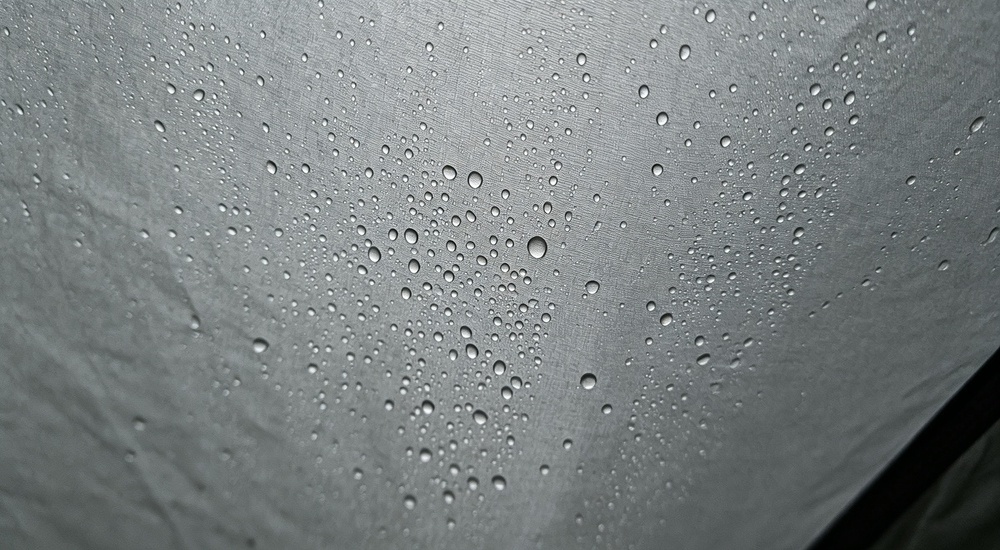
A cover may be suitable while the proposed operating routine is not. This check avoids unnecessary material complexity. The main problem may instead be poor airflow, high occupancy, or wet items stored without a drying plan.
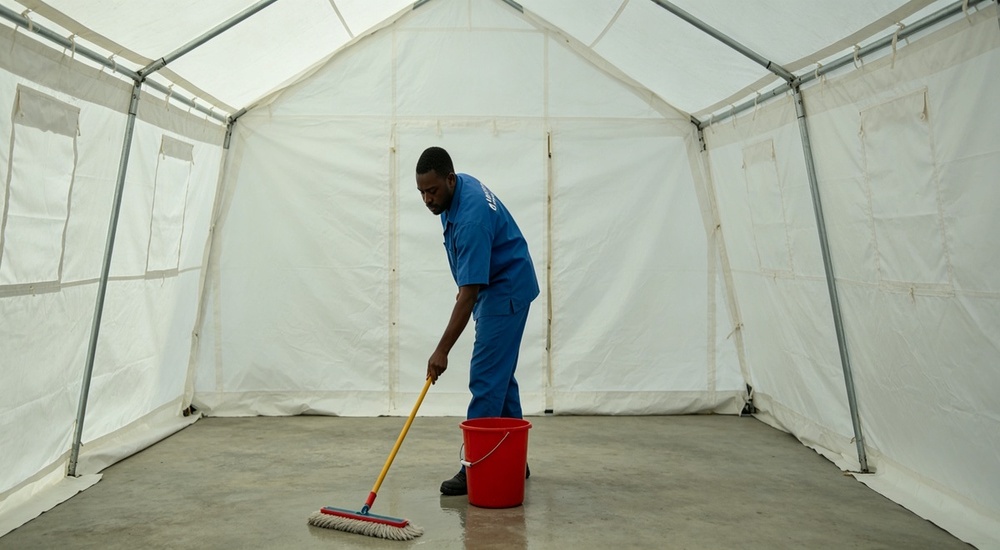
A cover that performs well in use can still create problems if the project cannot clean, dry, repair, fold, and store it. Surface finish affects how dirt is removed, while stiffness and weight affect handling.
Ask which cleaners are permitted and whether pressure washing is allowed. Confirm the seam inspection method and repair direction for small tears. Confirm whether replacement panels are available or the whole cover must be replaced.
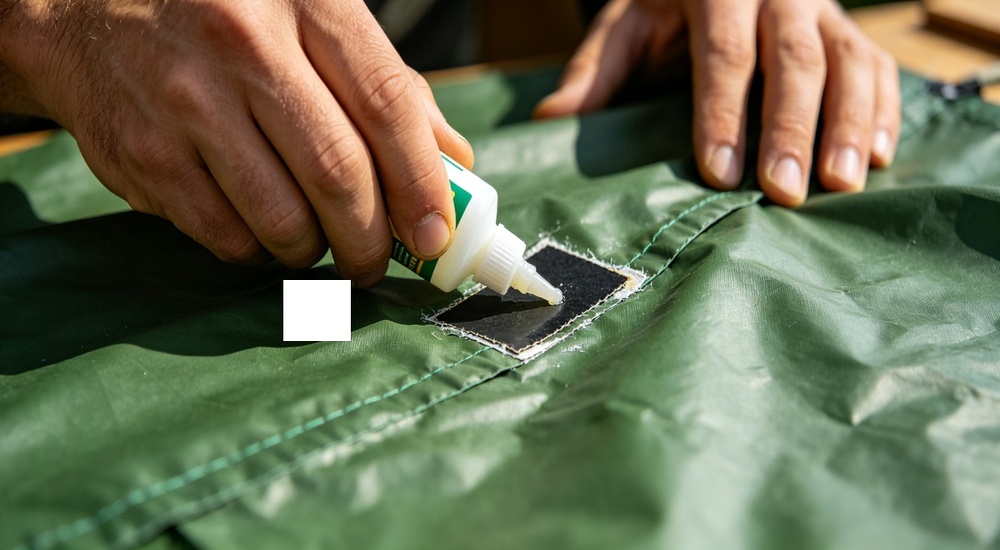
Wet packing should not become the normal plan. Define where covers will dry, who inspects them, how damage is marked, and how each set is identified before storage. Frequent relocation may favor a configuration that balances protection with manageable packed weight.
Request separate packed information for the fabric and frame when relevant. This helps the buyer estimate handling without pretending that one fabric number determines the complete tent weight.
Include repair materials in the comparison. Ask which patch, adhesive, tape, welding, or stitching method fits each layer. Confirm who performs the repair and its curing time before packing.
A repair kit is useful only when its contents match the supplied cover and the local team can use it.
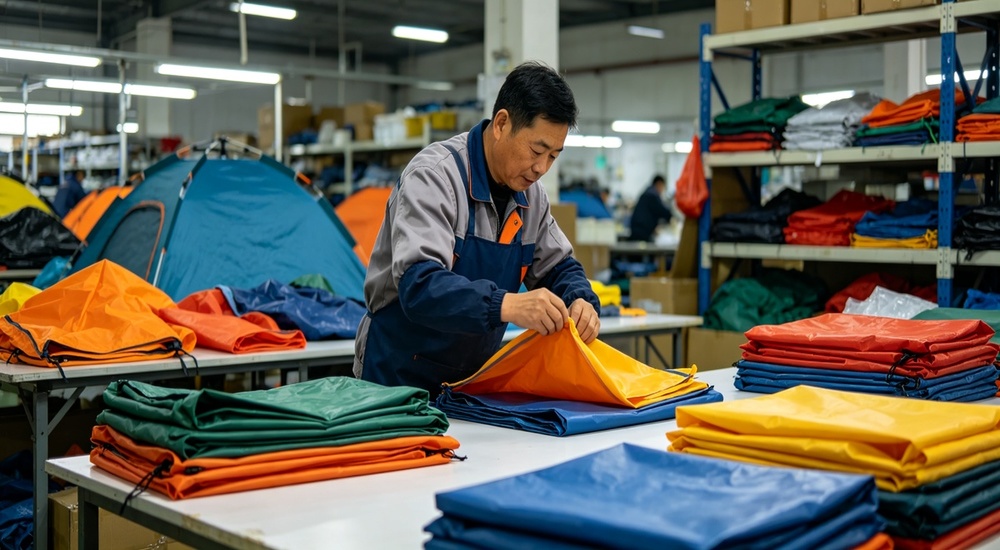
For repeat orders, confirm whether the supplier can identify the same material construction from the model and batch record. This reduces the risk of receiving a visually similar replacement that behaves differently at the seam or coating.

Start with use, location, season, operating period, occupants or goods, rain, sunlight, temperature, cleaning, and relocation. Then request the outer cover, liner, divider, skirt, and floor as separate rows when they exist.
For each row, ask for the base cloth, coating, weight or denier, color, and seam method. Add waterproofing, flame, UV, mildew, cleaning, repair, and applicable evidence. Require every answer to identify the exact quoted model.
Ask the supplier to mark included items, options, and exclusions. If 2 fabric directions are offered, request a short explanation of the practical difference, not only a price difference.
Copy-ready request: “Please return the material construction for every tent layer, explain why it fits our stated climate and use, identify seam and opening treatment, list cleaning and repair instructions, and attach only documents that apply to this model and fabric configuration.”
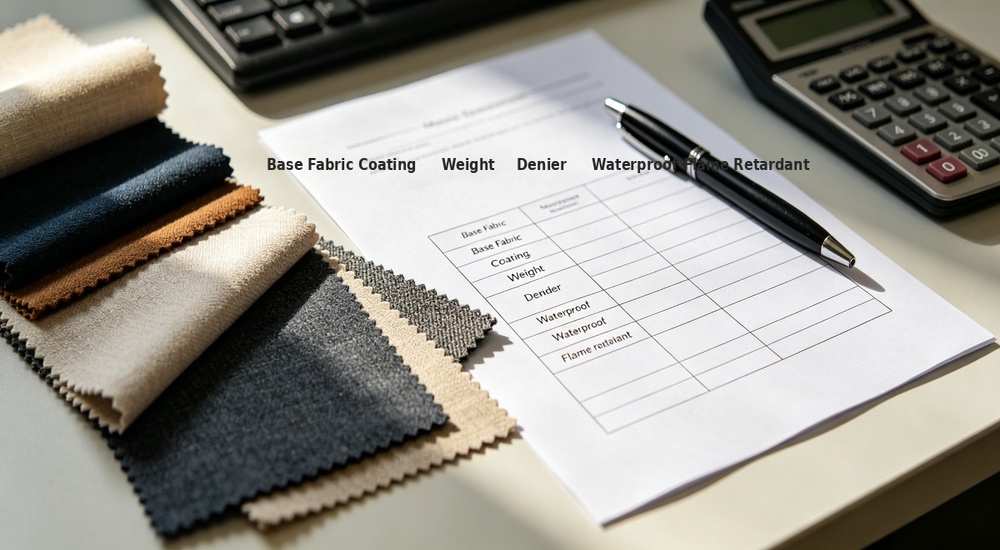
Before comparing prices, mark each returned field as answered, optional, excluded, or unsupported. An unanswered waterproof method is not equivalent to a confirmed seam construction. An optional liner is not equivalent to an included liner.
Ask for a revised response where the same description appears across different models without showing layer or configuration differences. The final comparison should show what will arrive and why it was selected. It should also show the applicable evidence and buyer-supplied site work.
Choosing the largest number. A higher weight or denier is treated as proof of every performance. Compare construction, layer, evidence, and handling instead.
Comparing unlike layers. A floor value is compared with an outer cover value. Keep every number beside its actual job.
Accepting a general waterproof or flame claim. The document may cover another material or model. Check the exact scope.
Ignoring the use after deployment. Cleaning, drying, repair, and packing are left out. Include the complete use cycle before purchase.
Use the same comparison sheet again when samples arrive. Match the labeled layer, visible construction, color, seams, openings, and repair items with the quoted configuration. Record any difference before placing the full order.
This step does not require technical language. It confirms that the handled sample follows the product direction compared by the purchasing team. A clear sample reference also helps receiving teams identify unexpected substitutions without relying on memory or a material name alone.
Final comparison rule: Compare the project conditions, offered construction, sample, documents, and maintenance method together. If fabric, coating, color, seam process, or model changes, repeat the affected checks before selection. This protects the buyer from accepting a familiar material name while the delivered construction has changed. It also gives the receiving team a clear reference for checking labels, layers, visible seams, included repair items, and supporting documents against the confirmed order.
The roof receives direct sun and rain. Walls face wind movement and daily contact. Door edges are pulled repeatedly, while lower skirts meet mud and surface moisture. Matching colours do not prove that these areas share the same base cloth, coating, reinforcement, or seam method.
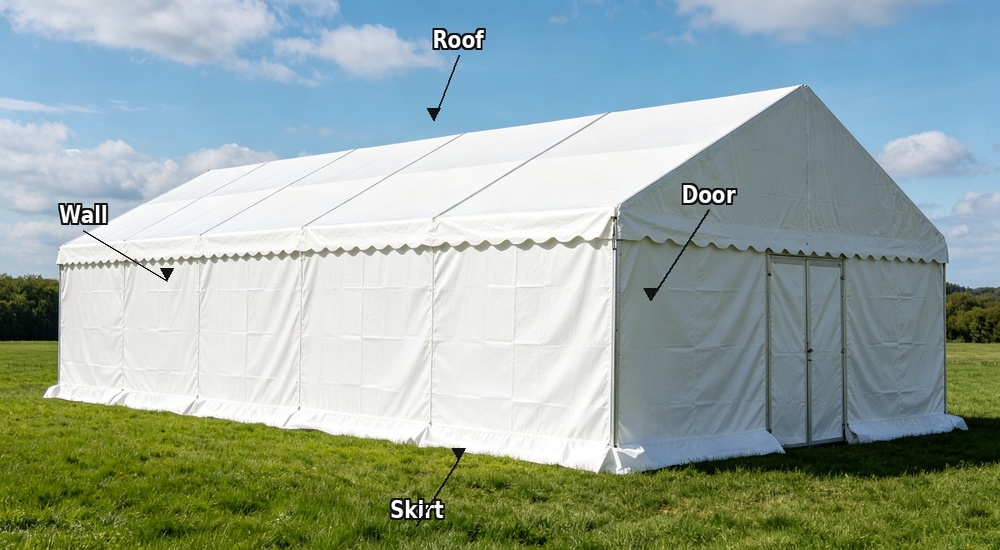
Ask the supplier to describe the outer cover, liner, divider, skirt, and floor separately. For each layer, identify the construction, weight or denier, coating, colour, connection, and intended job. This keeps every number attached to the correct position.
Similar material names do not make parts interchangeable. A high-contact area may need local reinforcement, and a replacement panel must still connect to the original door edge or skirt. Compare materials by position instead of using one general cover description.
Different tent positions face different stress levels, so using the same material everywhere can either over-specify low-stress areas or under-protect high-wear zones.
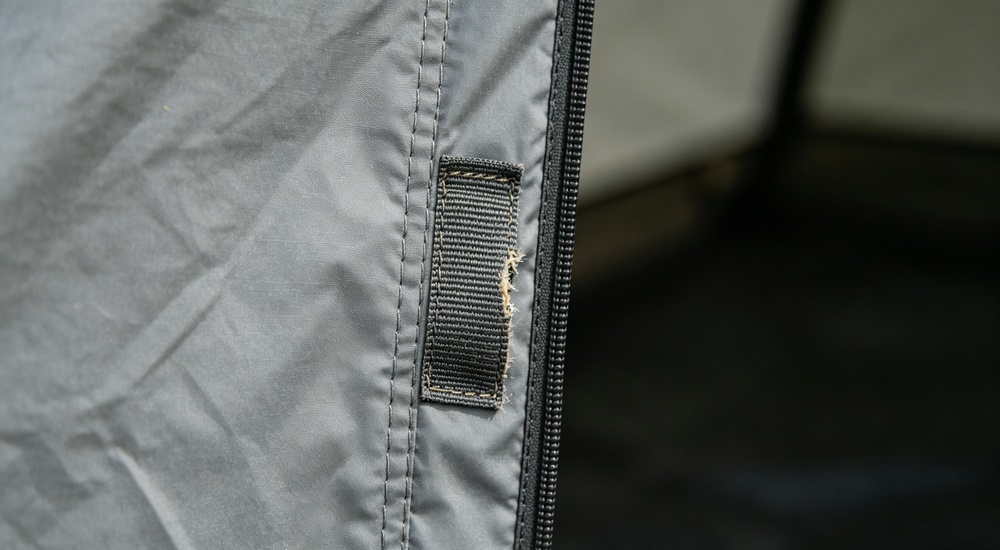
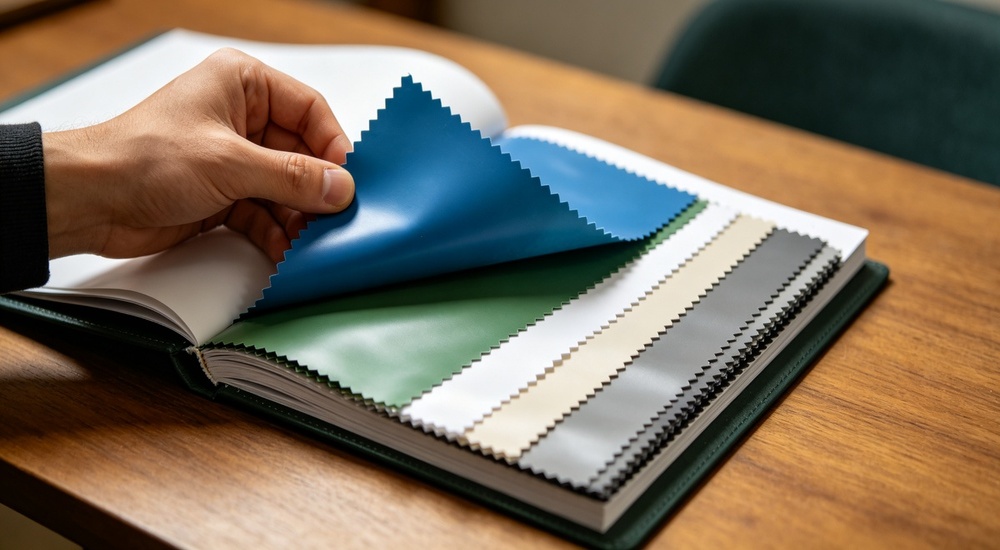
A flat swatch can show colour, surface, flexibility, and coating. It does not show roof seams, corners, loops, doors, zippers, vents, or floor connections. These details often control rain entry, abrasion, and real handling.
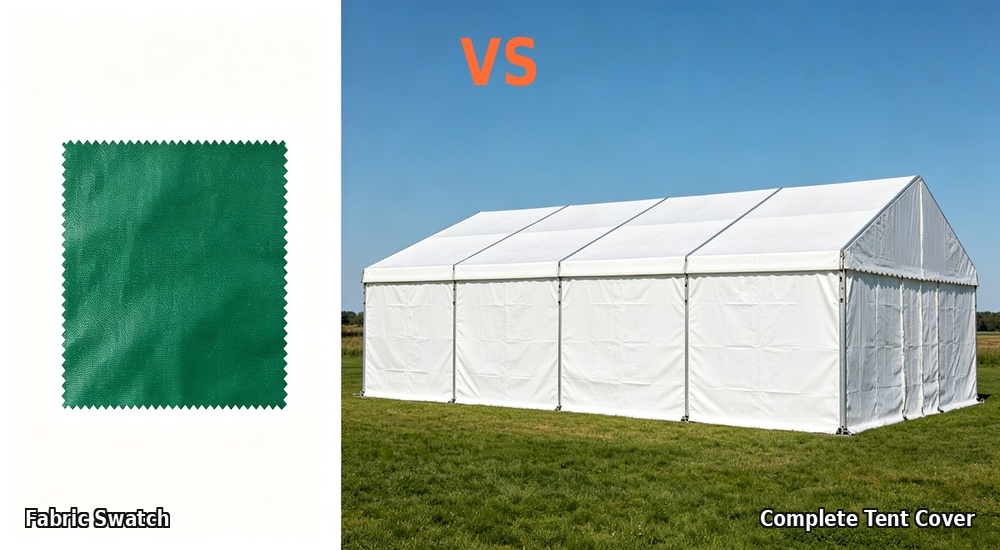
Move from the swatch to a complete cover check. Confirm the labels and layers, inspect seams and openings, then install the sample on its matching frame. Observe tension, folding, door operation, ventilation openings, and the connection to the floor.
Keep finished-product performance unresolved when only a swatch is available. One material result cannot prove the waterproof, flame, or weather performance of the complete tent.
A small swatch confirms color and hand feel, but it cannot reveal how the fabric performs when stretched over a full frame, how seams behave under tension, or whether the coating remains intact after folding and packing.
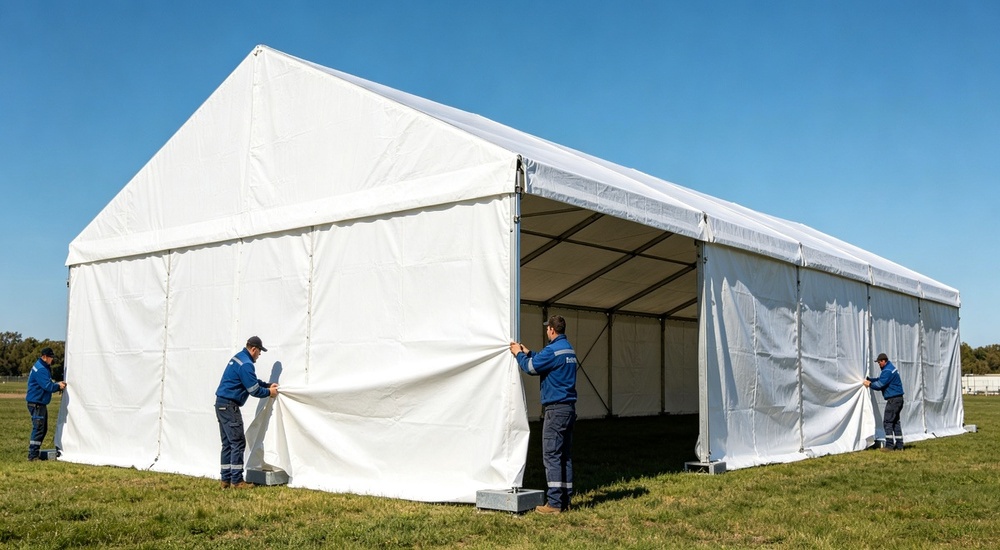
Pack and unpack the sample at least three times to observe coating flexibility and crease resistance.
Patches, adhesives, tape, welding, and stitching do not suit every base cloth and coating. The wrong method may fail to bond or may damage the coating, seam, or folding area.
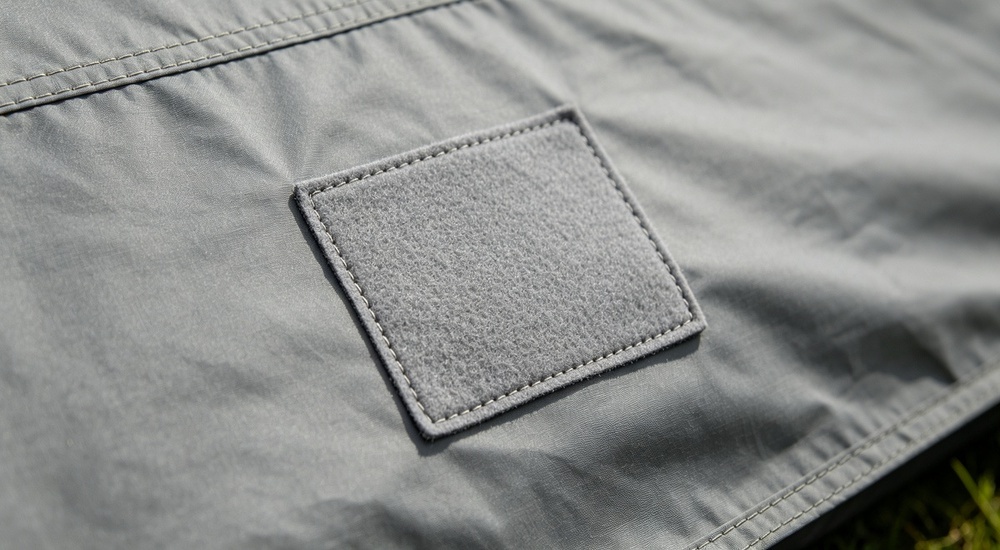
Ask how small damage is handled, which damage requires replacement, and how long a repair needs before cleaning, drying, and repacking. Label repair materials by layer so the outer cover, liner, and floor are not mixed.
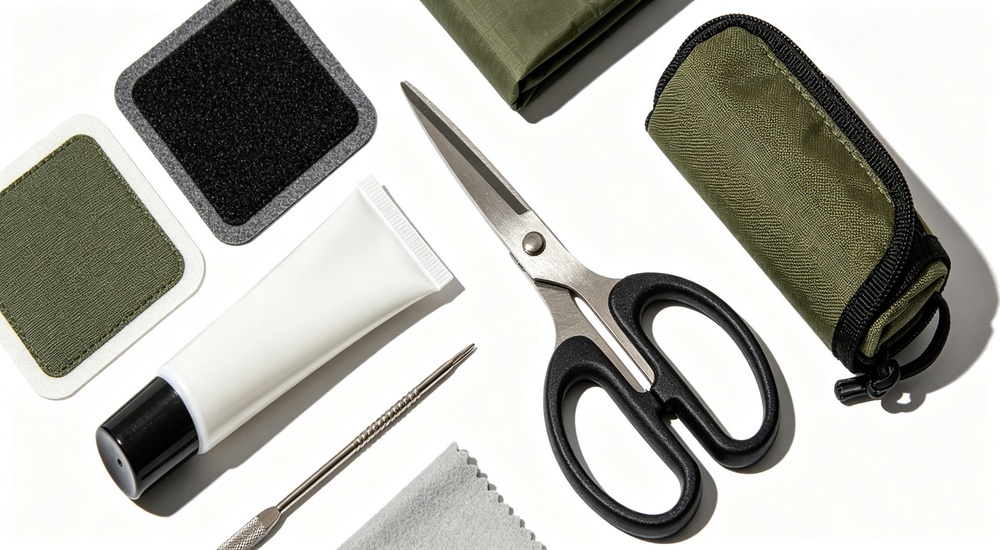
For a replacement cover, match the tent model, frame dimensions, connection points, colour, material construction, and original seams. A description such as Oxford cover or PVC cover does not prove that the part will fit the existing tent.
Mismatched repair material creates weak points. A patch that looks similar but uses a different base fabric or coating will shrink, stretch, or delaminate differently from the original cover.
No. Heavier fabric may improve abrasion protection or create a firmer cover, but it can also increase packed weight, handling effort, and drying time. Waterproofing, tear behavior, flame performance, and weather resistance still depend on the base cloth, coating, seams, workmanship, and evidence.
Buyers should compare the actual layer and use. Ask why the proposed weight fits the climate, operating period, relocation frequency, and cleaning method. A lighter, properly constructed cover may suit frequent movement, while a heavier direction may suit longer stationary use.
The supplier should explain the trade-off for the exact model instead of presenting one large number as a universal quality score.
They are not simple opposite choices. Oxford usually describes a woven fabric construction, while PVC-coated fabric describes a surface treatment or composite direction. An Oxford base can also have a coating, so the complete construction matters.
Ask for the base cloth, coating, weight or denier, layer position, seam treatment, and intended use. PVC-coated directions can support surface cleaning and weather protection in suitable configurations, while Oxford directions can offer different balances of weight and handling. Neither name proves waterproofing, flame performance, or service life by itself.
Compare the exact sample and documents for the quoted tent rather than relying on the short material label.
420D refers to yarn denier, not the complete quality of the tent. It helps describe yarn size, but it does not state fabric weight, weave density, coating, seam construction, or finished waterproof performance. The same denier can appear in different constructions.
Buyers should keep the value beside the correct layer and model. For example, an outer cover, inner liner, and floor can use different values because they perform different jobs. Ask the supplier to provide the full material construction and explain why it suits the project.
Do not compare a 420D outer fabric directly with a floor listed in grams per square metre as if both numbers measure the same feature.
No. The completed result also depends on seams, stitching holes, welded or taped joints, zippers, windows, vents, lower edges, floor connections, damage, and site drainage. Ask which statement applies to the fabric sheet and which applies to the finished tent.
Request details for roof joints, corners, openings, and entrances. The project should also avoid low ground and provide a runoff path. A good fabric cannot correct standing water around the tent.
Match the claimed performance to the exact model, sample, and test scope. Inspect the cover and seams after installation and before repeated use.
Confirm the project requirement first, then match it to the exact fabric and document. Ask for the test method, classification or result, tested sample, issuing document, and quoted model. Check whether the evidence covers the coated fabric, color, layer, and construction being purchased.
A generic material name or supplier statement is not enough. Indoor venues, tenders, and temporary accommodation projects may require different methods, so one document may not satisfy every project. If the requirement is unclear, obtain it from the responsible project team before confirming the material.
Keep unsupported flame wording out of the final specification until the scope matches.
It may be possible in a specific design, but buyers should not assume every layer needs the same material. Roofs and walls face rain, sun, wind movement, and seam stress. Liners support comfort and moisture management.
Floors face ground contact, cleaning, abrasion, furniture legs, and foot traffic. These jobs can justify different constructions. Ask the supplier to list every layer separately and explain any shared material.
Compare weight, coating, connection, cleaning, and replacement for each layer. If one material is proposed throughout, request the practical reason. Confirm that it suits every contact condition instead of accepting a simplified description.
Long sunlight exposure can affect color, coating condition, flexibility, and surface ageing. The actual result depends on the material, coating, exposure intensity, installation, cleaning, and storage. Ask how long the tent will remain outdoors and whether use is continuous or seasonal.
Request any applicable UV or weather evidence for the exact fabric, but do not convert a general claim into a guaranteed service life. Plan regular inspection around roof surfaces, seams, door edges, and fastening points. Where the tent will be stored between deployments, clean and dry it before folding.
A suitable material direction and a realistic inspection plan work together; neither replaces the other.
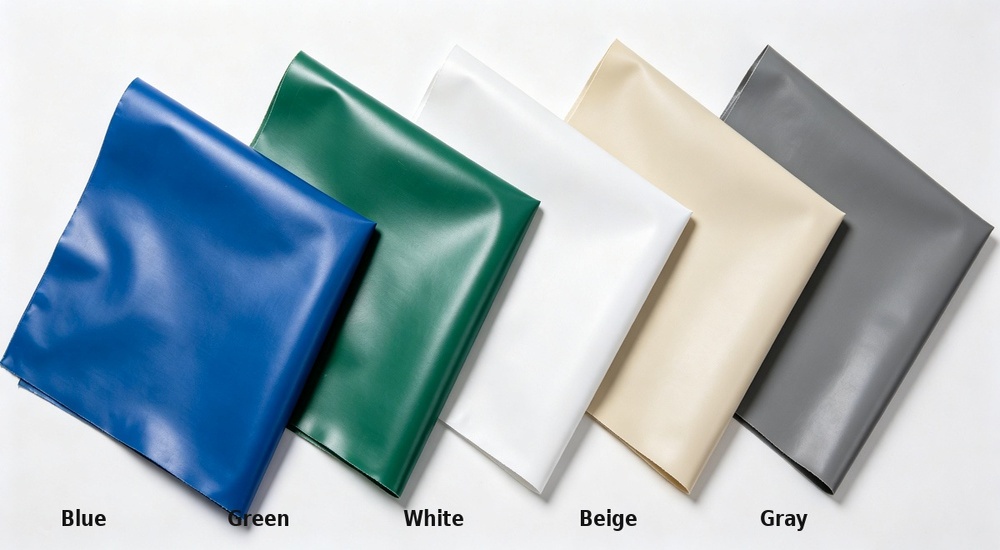
The suitable fabric is one whose complete construction remains workable under the project's expected temperature, wind, snow, moisture, and handling conditions. Buyers should check the base cloth, coating flexibility, seam treatment, liner, ventilation, anchoring interface, and available evidence. Cold folding and unfolding can matter as much as stationary exposure.
Do not select a material from a temperature claim copied from another model. Provide the expected low temperature, duration, relocation frequency, heating arrangement, and snow-management plan. Ask the supplier to bind the proposed fabric and any test information to the exact configuration.
The project still needs operating rules for ventilation, inspection, and snow removal.
Inspect the surface, coating, seams, welded or taped joints, corners, door edges, fastening points, repairs, stains, mildew, and stored moisture. Open the cover fully in a dry area so hidden folds can be checked. Small damage should be repaired only with a method compatible with the material.
Replace a panel or cover when damage exceeds the supported repair direction. Confirm that the cover still belongs to the matching frame and model. Reuse should depend on condition, not age alone.
Record the inspection, cleaning, drying, and repair result before packing the set for another deployment.
The quotation should identify the exact tent model and each fabric layer. For every layer, request the base cloth, coating, weight or denier, color, and seam treatment. Add waterproofing, flame, UV, mildew, cleaning, repair, and included status.
Ask which documents apply to that configuration and which items remain optional.
The buyer should also provide climate, use, duration, occupants or goods, relocation, and cleaning conditions. If suppliers answer against the same information, their proposals become easier to compare. A quotation that says only “heavy-duty waterproof fabric” is incomplete because it does not show construction, scope, evidence, or project fit.
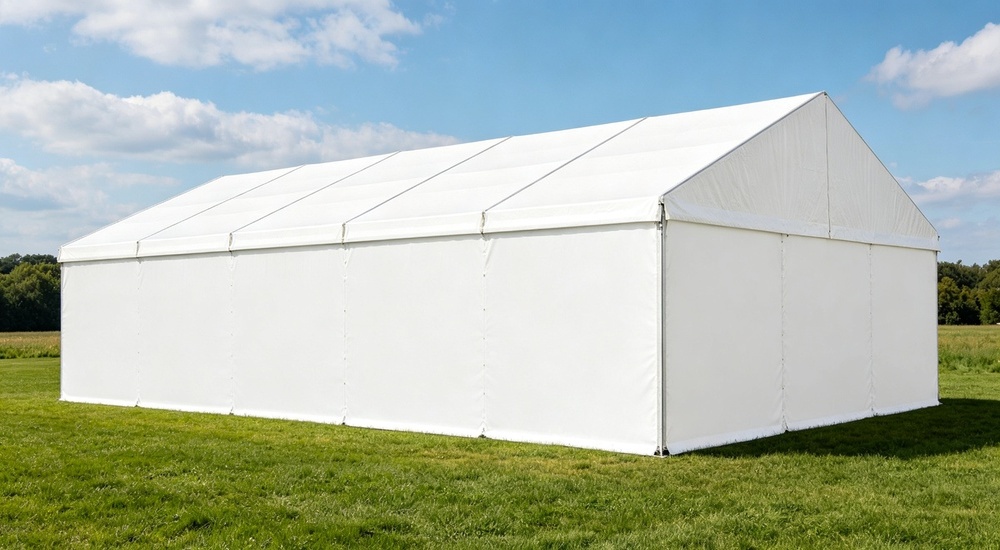
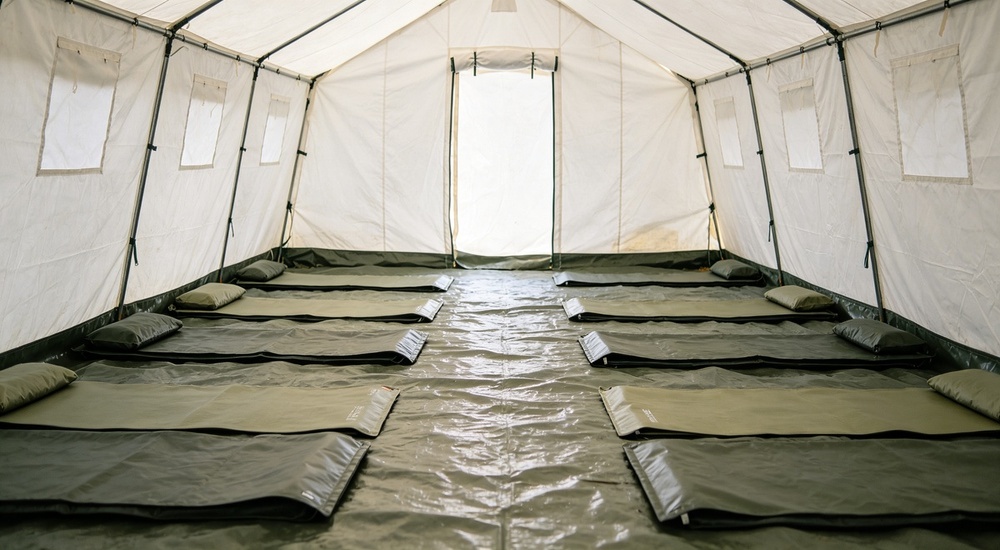
Request a combined quotation when the project requires the tent structure, floor material, and bedding together. This helps the supplier confirm weight, packing volume, and compatibility across all items.
 |

|
روابط ودية :
حقوق النشر © Custom Disaster - Relief Bedding: Tents, Sleeping Bags, Blankets كل الحقوق محفوظة
الفريق المحترف للخدمة !