التصنيفات
Last updated: November 27, 2026
How Much Does a 72 Hour Emergency Kit Cost?
Complete Price Guide
Quick Answer: The cost of a 72 hour emergency kit follows three tiers: a Basic pack for small households, a Standard pack for a family, and a Premium pack for larger or high-risk groups. Prices vary by included items, pack size and customization, so compare tiers rather than buying by the lowest price alone. A well-matched kit covers the first 72 hours and can be inspected and restocked every 6 months.
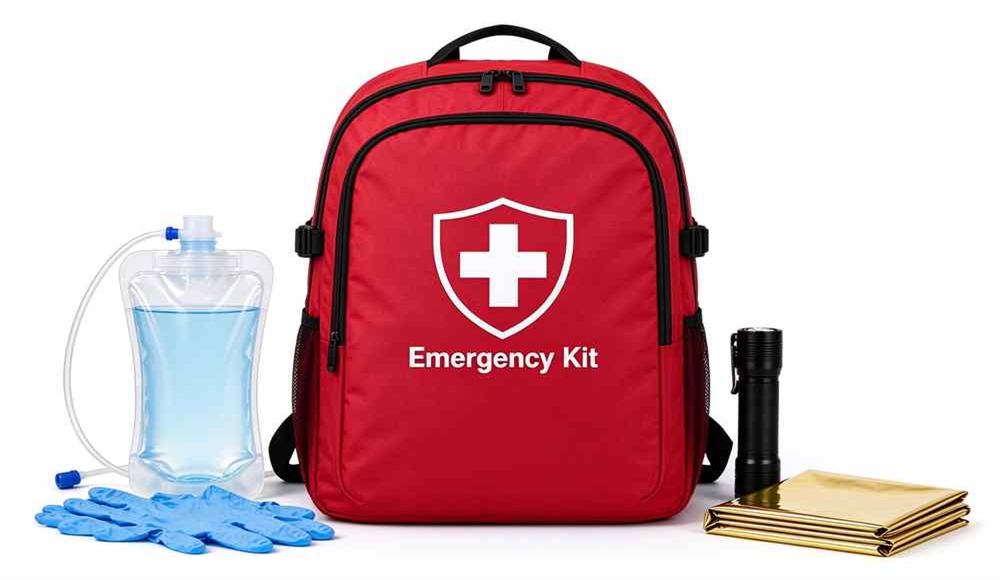
A 72-hour emergency kit is a pre-packed grab-and-go backpack whose cost depends on its tier, contents, build quality, order volume and customization.
If you are wondering how much a 72 hour emergency kit costs, you are not alone. This guide breaks down wholesale and bulk prices by Basic, Standard and Premium tiers, and explains the factors that move price: capacity, material, first-aid pieces, radio features, warmth items and vehicle gear, so buyers can compare quotes and plan a preparedness budget.
 |

|
Pricing depends on the tier, number of items, build quality, order volume, customization and shipping terms.
This guide breaks down what drives the price of an emergency survival kit, compares Economy, Standard and Premium configurations, and gives reference ranges so buyers can budget for a home, office, school or relief order.
This guide explains the typical 72 hour emergency kit cost structure, compares economy, standard, and premium tiers, and lists the main factors that move the emergency kit price up or down. It is written for buyers planning a household, workplace, school, fleet, or relief purchase.
What this guide covers
✓ Typical pricing tiers and what each includes
✓ Key factors that drive emergency kit price
✓ Bulk ordering and volume discount logic
✓ Total cost of ownership and budget planning tips
When buyers ask how much does a 72 hour emergency kit cost, they usually want two answers: the general price tier, and what determines the final per-unit figure. This section covers both.
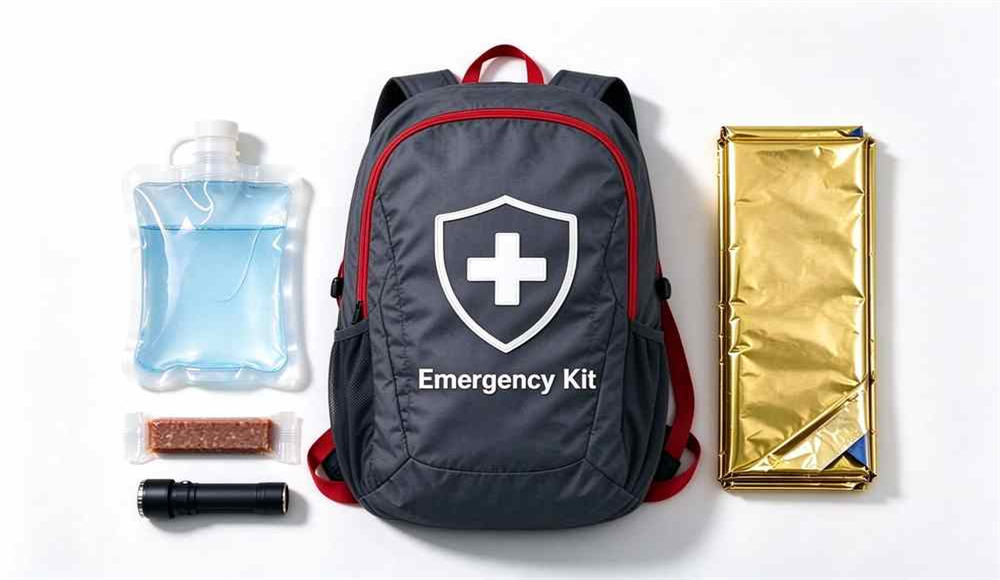
Market offerings generally fall into three broad tiers: an economy basic tier, a mid-range standard tier, and a higher-specification premium tier. The exact cost of 72 hour emergency kit varies by supplier, region, and configuration, so fixed per-unit figures are not listed here.
The basic tier covers core survival items at the lowest price point. The standard tier adds comfort and preparedness items at a mid-range price. The premium tier carries the widest contents and highest build quality at the top of the range.
For B2B and bulk buyers, per-unit pricing is quoted against order size rather than a retail shelf price. Larger volumes normally reduce the per-unit rate, while custom contents, product documents, and branding can move the price in the other direction.
Public preparedness guidance from the Ready.gov framework encourages households, businesses, and communities to maintain their own supplies for the first critical hours. Understanding the tier structure helps buyers match their emergency kit budget to a realistic risk level rather than the cheapest available option.
Several factors determine the final emergency kit cost. Knowing them helps you compare quotes fairly and identify where spending adds real protection.
Contents and item count: A basic kit with fewer items costs less. Adding tools, warmth gear, masks, hygiene items, and extra first aid supplies raises the unit price but broadens preparedness coverage.
Quality of materials: Durable bags, reliable flashlights, effective blankets, and tested first aid supplies cost more upfront than low-grade alternatives. Cheaper items may fail at the critical moment, which is the risk buyers should weigh against the lower price.
Compliance and documentation: Programs requiring conformity documents, destination-specific standards, or donor-facing compliance records add documentation cost. These requirements are common for schools, workplaces, government buyers, and relief organizations.
Order volume: Volume is one of the strongest levers on per-unit emergency kit price. Bulk emergency kit pricing improves as order size grows, because packing, labeling, and shipping can be consolidated across more units.
Customization: Adding or removing items, printing a logo, choosing bag colors, or producing translated labels affects the unit cost. Custom work usually carries setup considerations that a standard off-the-shelf configuration does not.
Shipping and destination: Freight mode, destination country, customs, duties, and delivery timeline all affect landed cost. Air freight costs more than sea freight, and remote or landlocked destinations add logistics expense.
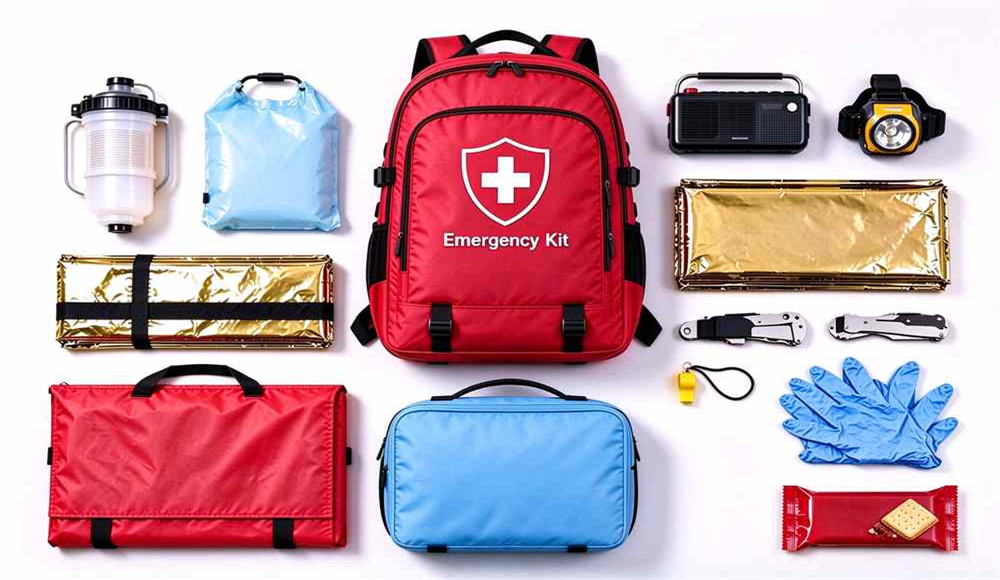
The table below compares the three tiers by contents, positioning, and typical buyer. It does not list fixed per-unit prices, because B2B bulk emergency kit pricing is quoted against configuration, volume, and shipping terms.
After reviewing the tiers, match the level to your actual risk profile. A premium kit is not necessary for every low-risk buyer, while a basic kit may leave a high-risk program under-prepared. The right choice balances coverage against your emergency kit budget.
Tier
Contents level
Positioning
Typical buyer
Volume discount
Basic
Core survival items, fewer pieces
Economy entry point
Individuals, tight-budget households
Applies at larger order sizes
Standard
Core items plus tools, masks, hygiene
Mid-range balance of coverage and cost
Families, offices, schools, small fleets
Applies at larger order sizes
Premium
Fullest contents, higher-spec items
Comprehensive coverage for demanding conditions
Relief programs, agencies, high-risk environments
Strongest rates at program volume
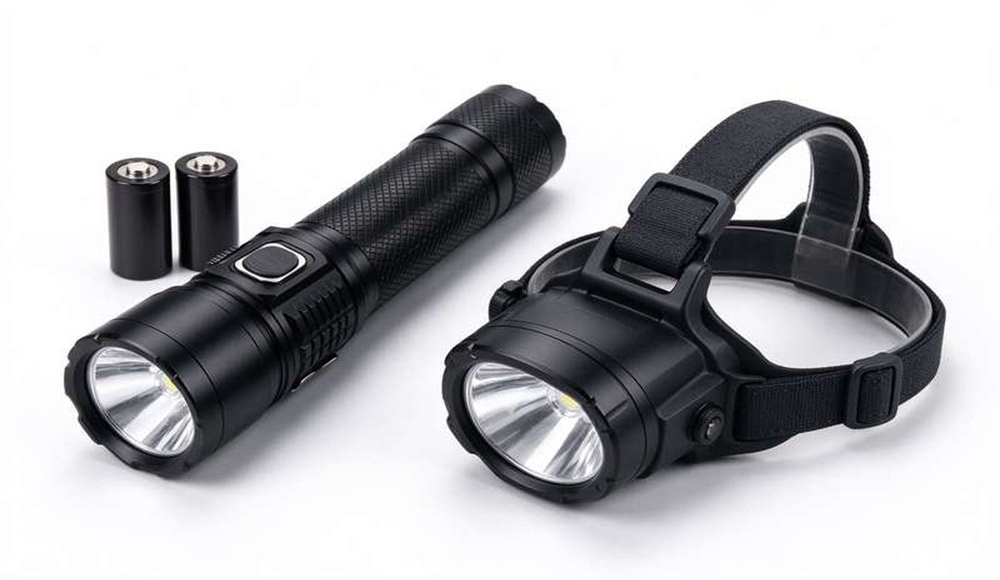
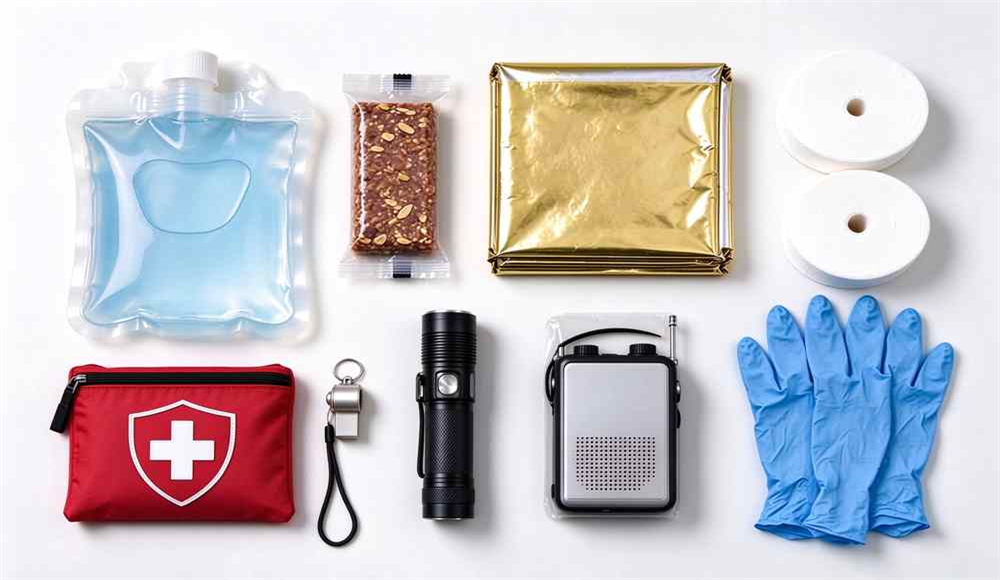
The basic tier includes the essential survival items: a first aid pouch, flashlight, crank or battery light, thermal blankets, whistle, and water treatment basics. It answers the core needs of staying warm, treating minor injuries, seeing in the dark, and signaling for help.
It suits buyers on a tight budget, individuals, and low-risk settings where external help is relatively close. It is also a sensible starting point that can be expanded later with add-on items as budget allows.
When comparing basic options, check item quality rather than count alone. A low-priced bag with thin blankets, a short-lived flashlight, or incomplete first aid supplies may not hold up when needed.
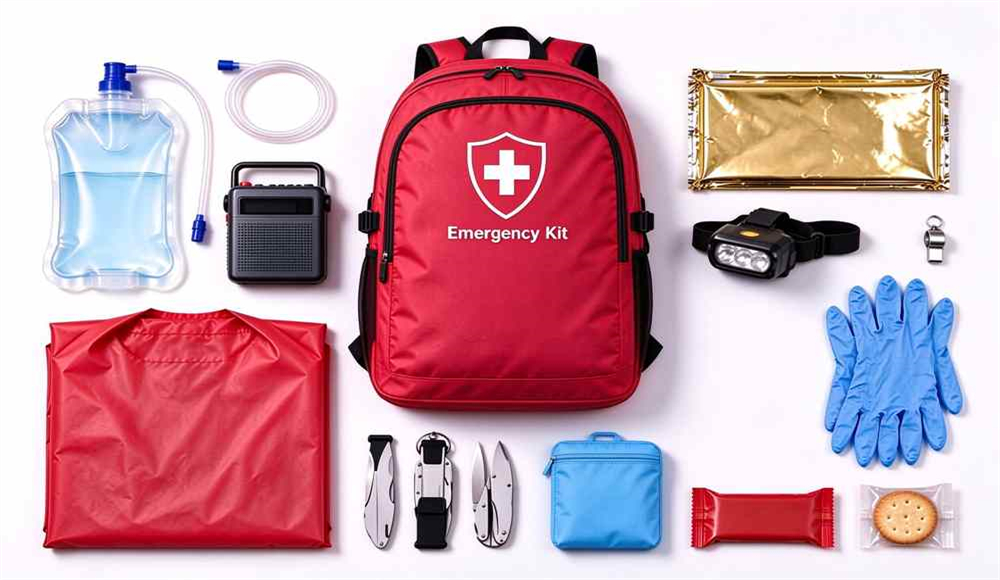
The standard tier builds on the basic contents with a multi-tool, masks, wet wipes, and additional first aid items. It balances broader coverage against a moderate emergency kit price, which is why it is the most common choice for families, offices, and schools.
The added supplies help households pass the wait in greater comfort. Tools support small repairs, masks protect against dust and smoke, and hygiene items support care during a longer wait.
For buyers covering multiple people, the standard tier usually offers the best balance of protection and per-unit cost across a household, classroom, or workplace.
The premium tier carries the fullest contents and higher-specification items for harsher conditions and longer waits. It includes expanded warmth, weather protection, gloves, and a wider first aid and tool set.
It is suited to relief programs, government agencies, remote-site operators, and buyers in high-risk environments. The higher price reflects the broader coverage and durability required when help may be far away or slow to arrive.
Premium programs often also need documentation, consistent bulk configuration, and replenishment support. These service elements are part of the total program cost, not just the bag itself. Buyers comparing how much does a 72 hour emergency kit cost should include these services in the landed figure.
Across all tiers, the cost of 72 hour emergency kit reflects item count, material quality, and included services. Two kits with similar piece counts can differ in price because of build quality, product specifications and quality information, and packaging standards.
Request itemized quotations rather than a single lump figure. An itemized quote shows where the money goes: contents, packaging, branding, documentation, and freight. This makes it easier to compare suppliers on a like-for-like basis.
Understanding contents helps explain why tiers differ in price. Each category responds to a real emergency need, and buyers can judge whether an included item adds value for their own setting.
First aid pouch: Bandages, gauze, antiseptic wipes, adhesive strips, tweezers, scissors, and medical tape. Higher tiers usually carry a more complete pouch with a wider range of basic care items.
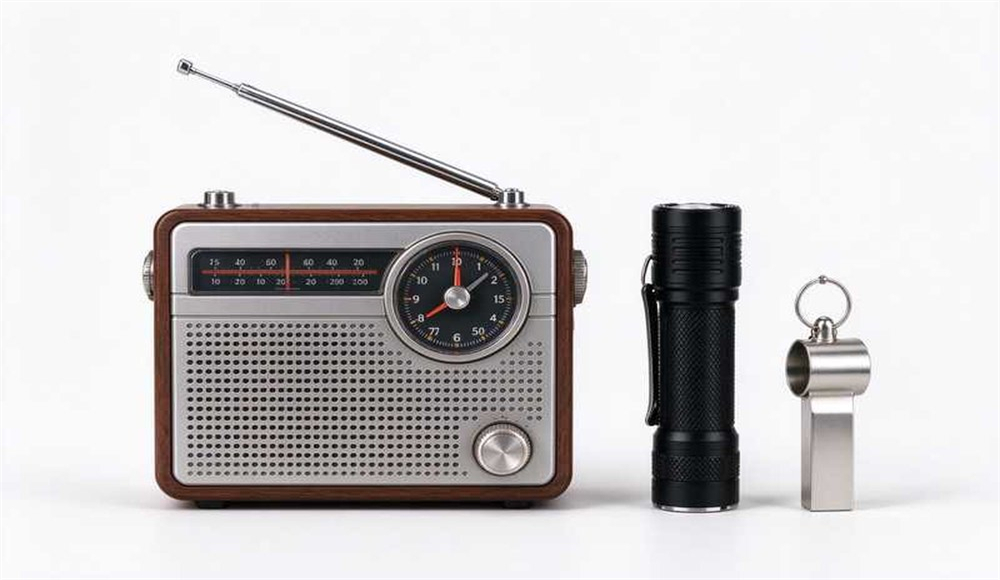
Lighting: A flashlight or headlamp. Battery life, water resistance, and build quality vary across tiers and affect the price of the lighting component.
Communication: A crank radio for emergency broadcasts and weather alerts, with optional phone charging. Radio features and regional band versions differ between suppliers.
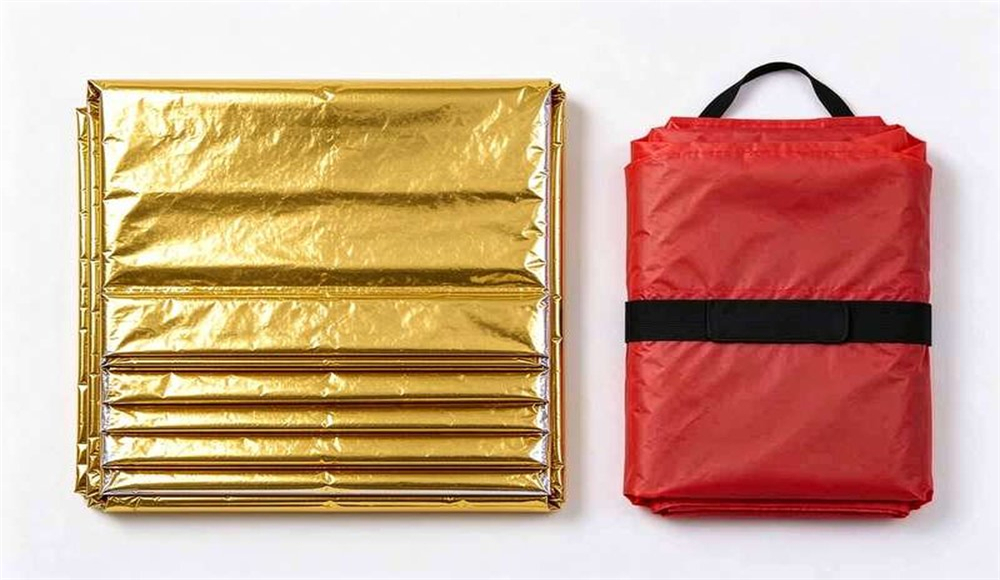
Warmth: Thermal blankets that reflect body heat. Blanket count and material thickness rise from basic to premium tiers.
Water treatment: A water pouch or other treatment basics for untreated water. A filter may be included in higher configurations.
Tools and protection: Multi-tool, masks, wet wipes, ponchos, and gloves appear mainly in standard and premium tiers. These items add coverage for repairs, weather, dust, and hygiene.
Packaging: A backpack or bag that protects contents during storage and transport. Bag durability, color, branding, and label language affect packaging cost.
When you evaluate a quotation, compare the included categories against this list. A low quote that omits key categories may not deliver the coverage your setting requires, even if the headline emergency kit price looks attractive.
Preparedness does not have to mean overspending. Several practical levers help buyers reduce total cost without cutting the protection that matters most.
Ordering multiple kits is the clearest way to lower the per-unit rate. Consolidated packing, labeling, and shipping spread fixed costs across more units, which is how bulk emergency kit pricing improves at larger volumes.
Businesses, schools, fleet operators, and relief programs benefit most from volume ordering. If you need kits across floors, classrooms, vehicles, or households, plan the full quantity before requesting a quote rather than buying one unit at a time.
Volume tiers are usually quoted against order size. Larger programs receive stronger per-unit rates, and standing replenishment agreements can keep pricing consistent across repeated purchases.
Some buyers consider assembling a kit themselves from separate purchases. The advantage is full control over contents. The disadvantage is procurement overhead: sourcing many individual items, managing multiple suppliers, and quality-checking each component.
Pre-packed kits offer consistency and convenience. Every unit carries the same vetted contents, packed and ready to distribute. The tradeoff is that very cheap pre-made kits may use low-quality items that fail in the field.
For organizational buyers, pre-packed kits usually save time and simplify inventory. A practical middle path is to start with a reliable pre-made base, then add a small number of context-specific items to match your setting.
The table below compares building a kit yourself against buying a pre-made tier, looking beyond upfront price at maintenance, time, and total cost. This view helps buyers judge value rather than choosing only the lowest headline figure.
Reviewing the comparison, pre-packed kits usually win on time and consistency, while self-assembly wins on content control. Most organizational buyers choose a pre-made base and adjust a few items to their own setting, balancing both sides.
Approach
Upfront cost
Maintenance cost
Time cost
Total cost picture
Build your own
Item-by-item purchase
Managing separate expiry dates and suppliers
Sourcing, comparing, and packing each item
Higher hidden time and coordination effort
Pre-made Basic
Economy tier
Restock expired consumables only
Low, ready to distribute
Simple entry-level coverage
Pre-made Standard
Mid-range tier
Restock expired consumables only
Low, consistent contents
Balanced coverage and time saving
Pre-made Premium
Higher tier
Restock expired consumables only
Low, full-specification package
Broadest coverage for demanding conditions
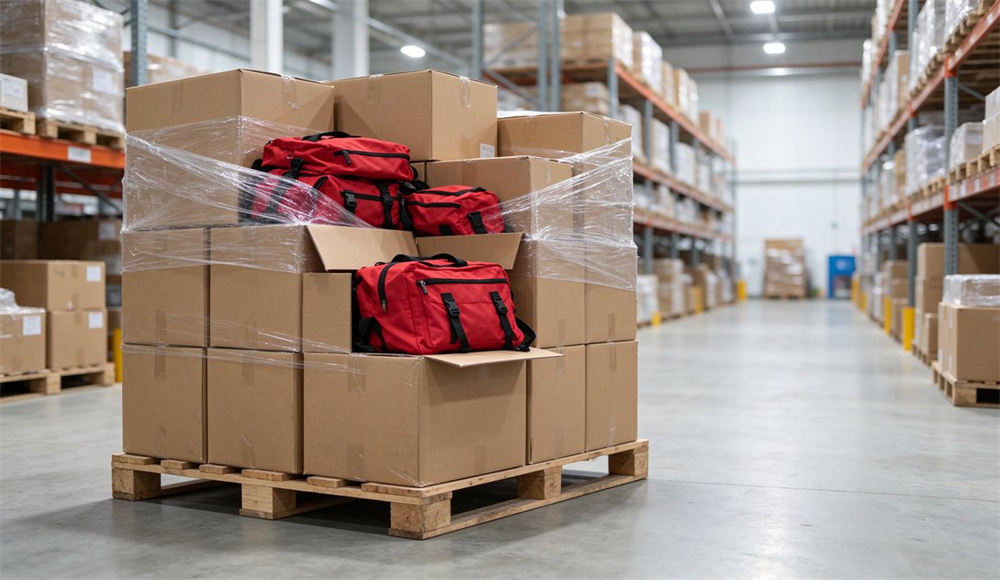
Compare like-for-like quotations from suppliers who understand preparedness products. Look beyond the lowest headline price and check item lists, quality, documentation, and shipping terms.
Plan purchases ahead of any seasonal or hurricane season. Last-minute, crisis-driven buying tends to carry higher prices and shorter availability. Pre-planned procurement lets you compare options calmly and lock in volume rates.
Ask about replenishment terms for consumables. The ability to restock expired pouches or first aid items separately extends the life of each bag and reduces the long-term cost of ownership.
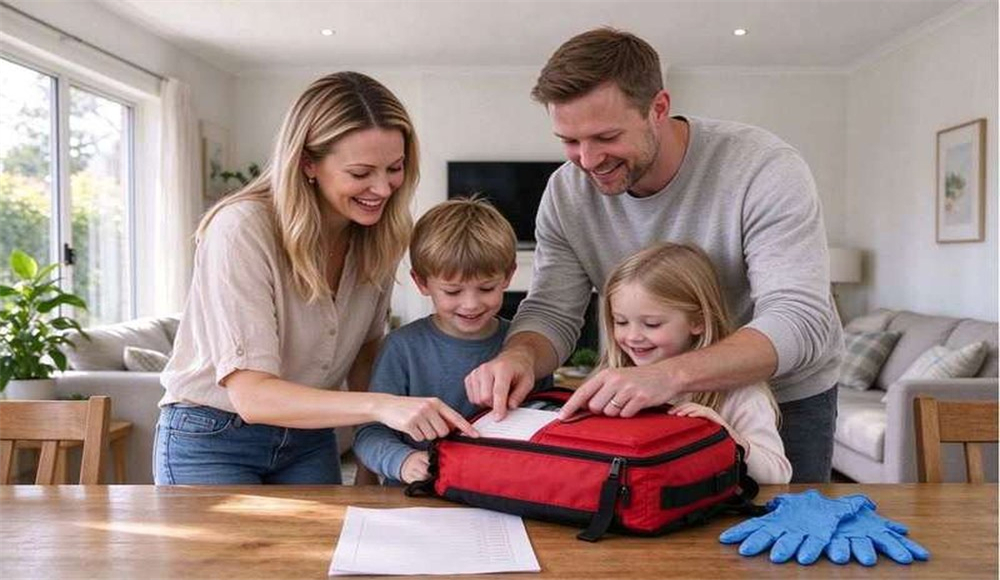
The per-unit price is only part of the real cost. Total cost of ownership covers maintenance, replacement, storage, and logistics over the life of the kits.
Consumables such as water pouches, food, and first aid items expire on their own schedule. Durable bags, blankets, and tools last longer with proper storage. Budget for periodic rotation rather than assuming a one-time purchase covers everything forever.
Regular inspection keeps costs down. Checking batteries, expiration dates, and damaged items means you replace only what has expired or been used, rather than discarding a whole kit. This first-expiry, first-out approach protects the initial investment.
Over a multi-year period, quality items cost less than cheap ones that fail early. A kit that needs early replacement or leaves you unsupported in an incident carries a hidden cost that the purchase price does not show.
Storage conditions affect shelf life. Kits kept in dry, ventilated, temperature-controlled conditions last longer than stock exposed to damp, heat, or direct sunlight. Good storage reduces waste and early replacement.
Shipping, customs, and duties affect the landed cost of international orders. When you request a quote, ask for an estimated landed-cost picture rather than a unit price alone, so budgeting covers freight and destination charges.
Packaging that optimizes container loading reduces per-unit shipping for large orders. Better space utilization is one of the easiest ways to lower total program expense without compromising kit quality.
Many buyers ask whether an emergency kit is worth the spend. The return on investment becomes clearer when you compare preparedness cost against the costs of being caught off guard.
Water: After a disaster, bottled water prices can spike sharply. Including water treatment and stored water ahead of time avoids buying necessities at crisis-inflated prices.
Food: Non-perishable snacks stocked in advance cost far less than food bought during or immediately after an event, when supplies are scarce and prices rise.
Shelter and comfort: If a home or workplace becomes uninhabitable, lodging costs add up over several nights. Warm blankets and basic comfort supplies reduce reliance on emergency lodging.
Medical and signaling: First aid supplies, lighting, and signaling equipment cost more when purchased at the last minute after an incident. Having them on hand supports early care and faster rescue contact.
Public guidance from the American Red Cross and FEMA consistently encourages households and organizations to keep their own emergency supplies ready. A kit is the most concrete action a buyer can take on that guidance.
For businesses and schools, the ROI also covers downtime and operational continuity. Faster, safer response after an incident reduces disruption to employees, students, and operations. Peace of mind for families, staff, and parents is a harder-to-measure but real benefit.
When you add up crisis-time water, food, lodging, medical, and signaling costs, they typically exceed the price of a prepared kit. A well-maintained kit lasts for years, so the initial spend spreads across many seasons rather than one event.
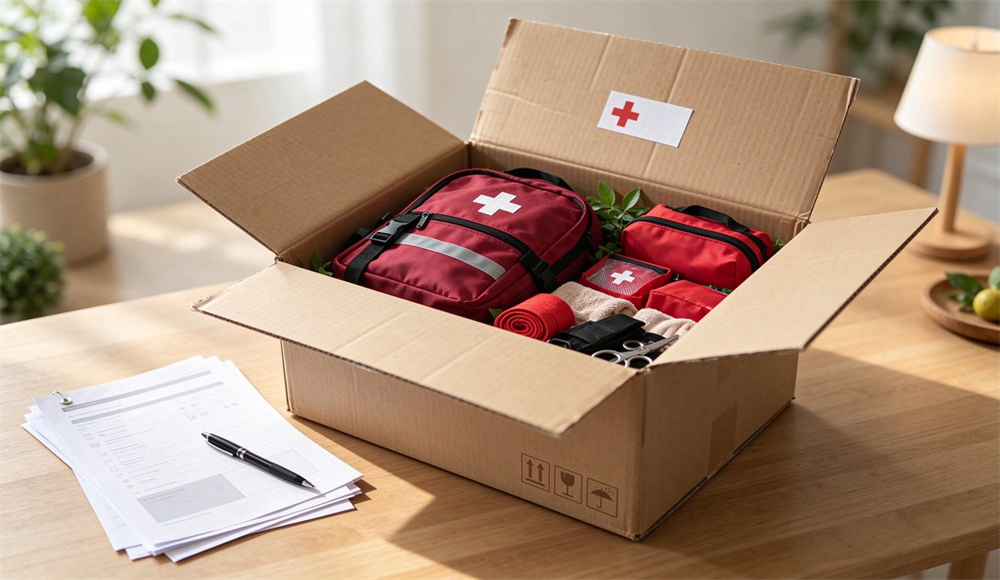
Below are the questions buyers ask most often when planning an emergency kit budget and comparing emergency kit pricing options.
Q1: How much should I spend on a 72 hour emergency kit?
A: Match the spend to your risk level and number of people covered. Low-risk individuals can start with a basic tier. Families, offices, and schools usually choose the standard tier. High-risk or program buyers move to premium. Request a quotation based on your configuration for an accurate figure.
Q2: Are expensive emergency kits worth it?
A: A higher-priced kit is worth it when the contents and quality justify the cost. Check item durability, first aid completeness, and included services rather than price alone. The risk of a cheap kit failing at the critical moment often outweighs the upfront saving.
Q3: Is it cheaper to build my own kit?
A: Assembling your own lets you control contents, but it adds sourcing, supplier management, and quality-checking work. Pre-packed kits offer consistency and saved time. For organizations, the pre-made option usually gives better value once procurement effort is counted.
Q4: Do bulk orders really save money?
A: Yes. Volume ordering lowers the per-unit rate because packing, labeling, and freight are consolidated across more units. The larger the program, the stronger the per-unit pricing tends to be. Share your full quantity when requesting a quote.
Q5: What is the cheapest reliable emergency kit?
A: The most affordable reliable option is a basic-tier kit with decent build quality and complete core items. Avoid bags with low-grade lighting, thin blankets, or incomplete first aid. You can expand a basic kit later as budget allows.
Q6: How often do I need to replace supplies?
A: Inspect every six months, or every three months for high-use stock. Replace expired consumables and dead batteries, and swap out damaged items. Durable components stay in service with proper storage, so replacement is usually partial rather than a full new kit.
Q7: Can I get a discount for large orders?
A: Yes. Volume pricing scales with order size, and larger programs receive more favorable per-unit rates. Custom branding and standing replenishment can also be planned into a bulk arrangement. Contact us with your quantity and requirements.
Q8: What order volumes do you supply?
A: Single units are available for individual buyers, while organizational and program orders move to volume tiers. A trial order can be requested before committing to a larger purchase. Exact minimums depend on tier and customization, so share your plan for terms.
Q9: Do you offer free shipping for bulk orders?
A: Shipping options depend on order size, destination, and urgency. Freight can be arranged by sea, air, or courier, and shipping terms such as FOB, CIF, or DDP follow your procurement model. Ask about freight arrangements when you request a quotation.
Q10: Is there a warranty on the emergency kits?
A: Quality terms vary by item category. Durable components carry their own quality support, while consumables follow shelf-life rules. Expired or used consumables can be restocked separately. Confirm the applicable terms for your order during quotation.
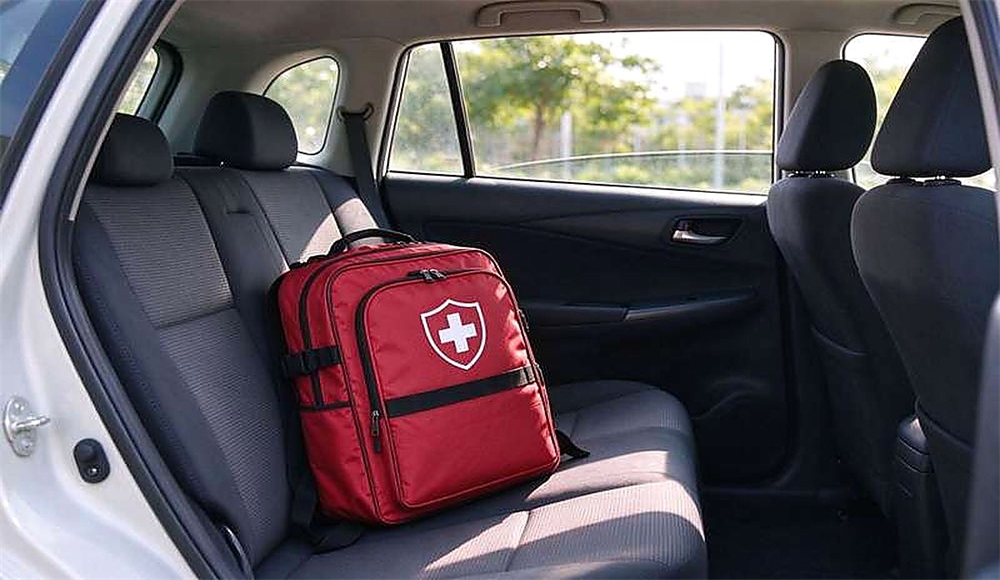
The same tier structure serves different buyers, but the number of kits and coverage level change with the setting. These use-case notes help you estimate a realistic emergency kit budget.
Family household: A family covering several people usually starts from the standard tier. The per-family figure depends on how many kits you distribute and which tier you choose. Special needs such as infants, elderly members, or pets may add a small number of specialized items to the configuration.
Office workplace: Offices typically need multiple kits spread across floors and departments rather than one single bag. Per-kit choice is often standard, and larger workplaces qualify for volume pricing. Workplace buyers should also consider any compliance documentation their setting expects.
School classroom: Schools generally plan one kit per classroom or per wing. Standard-tier coverage suits most classroom preparedness, and institutional buyers ask about volume rates for multi-room orders. Coverage should match the number of students and staff the kit is expected to support.
Fleet vehicles: Fleet buyers outfit one kit per vehicle, with contents matched to route type. Urban delivery routes and long-haul or remote routes call for different item mixes. Volume ordering across the fleet brings the per-unit rate down and simplifies restocking after use.
Relief and agency programs: Programs reaching large beneficiary volumes move toward premium or custom configurations. Pricing reflects contents, documentation, packaging, and freight at program scale. These buyers plan for standing replenishment as part of the total program budget.
When you compare quotations, run through this checklist so each supplier's offer is evaluated on the same basis. It also helps you explain your needs clearly when asking how much should I spend on emergency kit options.
Number of kits: State your total quantity up front. Order size is the main driver of volume pricing, and a full-quantity plan usually produces a better rate than staged single-unit purchases.
People covered per kit: Note how many people each kit must serve. Household size, classroom count, or vehicle crew size changes water, warmth, and first aid quantities inside the bag.
Configuration and tier: Choose basic, standard, or premium, and list any must-have or must-remove items. An itemized contents list makes price comparisons meaningful between suppliers.
Compliance and documents: Identify any standards, applicable product specifications and packing documentation, and donor-facing records your setting requires. Documentation needs affect cost, and they should be confirmed before the quote is finalized.
Branding and labels: Note logo printing, bag color, and label language requirements. Custom branding carries setup considerations that a standard configuration does not.
Shipping terms: Share the destination and preferred freight mode. Ask for an estimate of landed cost, including freight, customs, and duties, rather than a unit price alone.
Working through these factors answers the real question behind how much should I spend on emergency kit: the right amount depends on your coverage needs, risk level, and operating setting, not on a single universal price tag.
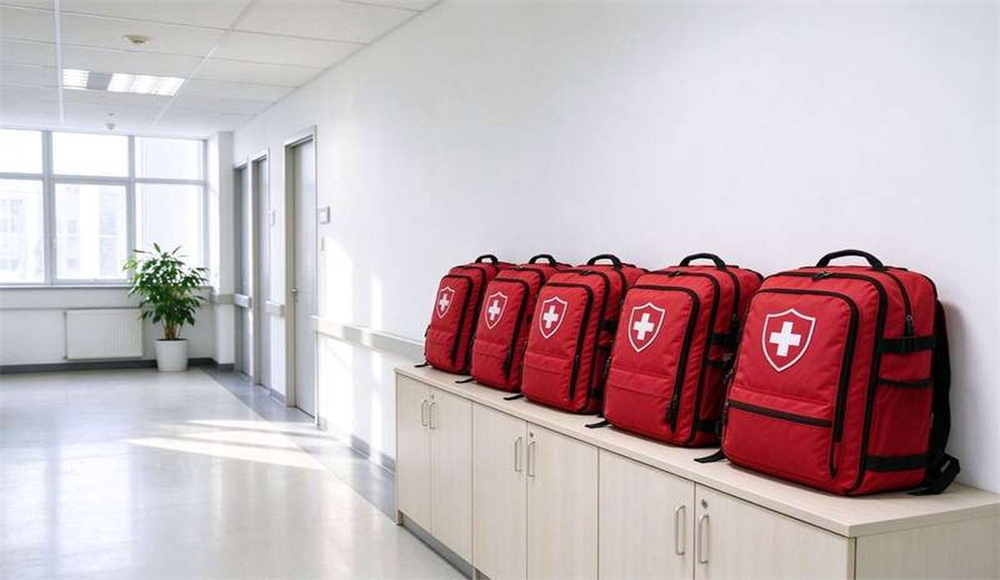
If you are still asking how much does a 72 hour emergency kit cost, the answer depends on tier, contents, quality, volume, customization, and shipping. There is no single fixed price that fits every buyer and every setting.
Compare tiers against your risk profile, evaluate total cost of ownership, and request an itemized quote that covers contents, documentation, and freight. A well-chosen kit is an affordable, high-value investment in safety that lasts for years with basic maintenance.
Whether you are buying one kit for a home, outfitting an office or school, or procuring supplies for a relief program, tell us your quantity, setting, and requirements. We will provide a transparent quotation matched to your emergency kit budget.
Key Takeaways
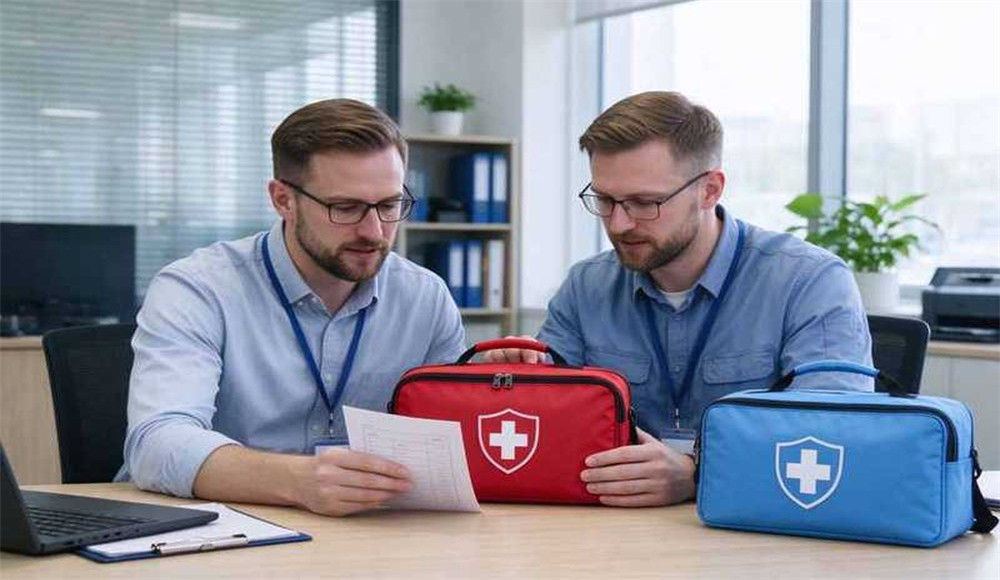
روابط ودية :
حقوق النشر © Custom Disaster - Relief Bedding: Tents, Sleeping Bags, Blankets كل الحقوق محفوظة
الفريق المحترف للخدمة !