التصنيفات
The hardest part of recycled-content verification is not finding a certificate. It is proving that the document's holder, site, material, product scope, validity and transaction chain connect to the blanket named in the order. If a buyer uses rPET emergency blanket or recycled polyester relief blanket wording, the same check still applies: the wording must connect to the product, label, test report scope and delivered batch. A real document can still be irrelevant to the supplied batch.
A valid document can still fail to support a delivered blanket when the holder, covered material, product code, order, or batch connection does not match. Verify recycled content through a five-link chain: exact claim, identified product, evidence issuer and validity, order scope, and connection to the delivered batch. Missing links should remain open conditions, not be converted into marketing facts.
Ask each supplier to show how the recycled-content wording connects to the material, product code, order, and delivered batch, then confirm packing, documents, MOQ, and delivery conditions.
Extract the holder, site, covered activity, material or product, method or scheme, issue date, validity and exclusions. Then compare them with supplier, production route and product identity. If the product is not named, determine what versioned record connects the covered material to the final blanket. Do not fill a scope gap with a familiar logo.
Ask what the numerator and denominator represent: fibre input, a named textile component, textile weight or another basis. Check exclusions and rounding. Compare the percentage across quotation, specification, label, carton, declaration and invoice wording. Two different percentages are not a minor editorial issue. They indicate that the claim has not been controlled.
The supplier provides a valid material record, but the quotation uses a different material name and no order record connects the input to the finished blanket. Keep the claim off labels, identify the required transaction or production connection, align product names and recheck the complete chain. The order may continue with neutral wording, but the recycled-content claim remains unapproved.
Use the table as a five-link document match. A link closes only when its name, number, scope, and connection to the next record can be checked without relying on a logo or general statement.
| Decision field | What closes the decision |
|---|---|
| Document scope | Holder, site, material/product, activity, validity |
| Claim basis | Component, percentage calculation, exclusions |
| Order connection | Product ID, transaction/production and batch records |
| Visible wording | Quotation, label, carton and invoice consistency |
Build a five-link chain: claim wording → covered material or component → product/SKU → order → delivered batch. Each link needs a reviewable name, number, or record. A certificate image alone cannot prove current product, percentage, and order scope.
A broken document link creates different losses for different buyers. A distributor may have to relabel stock or correct customer files. A green tender may face clarification, delayed acceptance, or rejection of a claim. An NGO project may lose time aligning donor, customs, destination, and shipment wording. A reserve buyer may be unable to connect a later rotation lot to the approved statement. The purpose of traceability is therefore not to collect the largest document pack. It is to prevent one wording mismatch from reopening commercial, packing, receiving, and repeat-order work.
▶ Different materials and specifications of emergency relief blankets suit entirely different relief scenarios. Our article *Emergency Relief Blanket Materials and Specifications: A Procurement Guide* systematically organizes mainstream material properties and spec parameters, helping procurement teams build a complete product knowledge base.
Write the exact claim before requesting proof. Clarify whether the claim concerns fibre content, a percentage, a component, the whole blanket, manufacturing input, or another defined scope.
Lock the product identity. Record product code or controlled description, composition wording, construction, colour, sample ID, and intended order.
Check issuer, document, and validity. Identify who issued the record, what scheme or method it uses, issue and expiry details when applicable, and whether the document can be verified.
After project confirmation, we can organize approved wording, material or supplier documents, product label, packing revision, order number, and batch identity into one delivery package. Recheck affected links after a change in source, percentage, supplier, label, certificate status, or destination requirement.
Read the scope instead of the logo. Confirm the named organization, site, product, process, material, percentage, and transaction or order coverage. A visible logo alone proves none of these.
Connect the evidence to the supplied batch. Define how purchase, production, packing, labels, invoices, or transaction records link the stated material to the final goods.
Resolve contradictions before approval. Compare product copy, quotation, label, carton, evidence, and commercial documents. Different percentages or ambiguous terms must be corrected before release.
Recycled percentage, material source, and whether performance stays the same require separate checks. The RFQ should request the percentage and calculation method, supply-chain records, target product code, and applicable testing. Do not publish a fixed percentage, certification status, or equal-performance statement before those materials are reviewed.
Preserve the verification record for repeat orders. Store the approved wording, evidence version, scope review, product identity, exceptions, and expiry or recheck trigger.
Use a contradiction check before approval. Read the website copy, quotation, specification, product label, carton wording, evidence record, and invoice description side by side. The product name, material term, percentage, responsible organization, and applicable order should tell one consistent story. A contradiction is a review trigger, not a wording detail.
Set claim language according to the verified scope. If evidence confirms only a defined fibre or percentage, publish only that scope. Do not broaden it into claims about the entire product, environmental impact, quality, or performance. When verification is incomplete, use a pending condition in the procurement record and remove the unsupported statement from customer-visible copy.
Understand the difference between content and records linking the material to the supplied goods. A document may describe recycled material content but not show how that material reaches the delivered blanket. Conversely, transaction records may show movement without establishing the claimed percentage. Buyers should look for both content scope and chain connection, then decide what level is required for the current procurement statement.
Read the document scope line by line. Check the holder, production or processing site, material or product description, activities covered, standard or method, validity dates, exclusions, and verification route. Do not infer coverage from a logo or document title. If the blanket, supplier, site, or process is outside scope, record the gap before accepting the claim.

Connect documents through consistent identifiers. Use product codes, purchase references, material descriptions, lot or batch references where available, packing identities, and commercial records to connect the claim. The identifier system should be designed before production. If names change between quotation, label, invoice, and evidence, create a documented cross-reference rather than relying on an informal explanation.
Audit percentages and calculation bases. A percentage may refer to fibre input, a component, textile weight, or another basis. Confirm the numerator, denominator, exclusions, and rounding approach relevant to the requested claim. Compare every visible percentage across specifications, labels, cartons, declarations, and supporting records. Stop release when the same order presents competing values.
Control translations and marketing expansion. A technically limited statement can become broader during translation or marketing editing. Review all language versions and channels. Terms such as sustainable, eco-friendly, low carbon, traceable, and fully recycled introduce claims beyond a simple content percentage and need their own scope and evidence. Delete or narrow them when that support is absent.

Build an evidence exception register. For every missing, expired, mismatched, or partial record, note the affected claim, responsible party, deadline, interim wording, and release consequence. Some gaps may allow a quotation to continue with neutral language. Others should block labels, production, or shipment. An exception register prevents pending evidence from disappearing inside email threads.
YRF can organize approved claim wording, applicable certification support, material or supplier records, product identity, labels, packing, commercial documents, and batch references as one order-scoped package. Confirmed government/NGO project capability helps align multi-party document needs, while production and one-stop supply capability can coordinate multi-product shipments without merging their evidence. Each product and claim still keeps its own trace. The next order can then reuse a verified route and review only the links affected by a source, percentage, label, certificate, destination, or product change.
Keep an exception log for links that are incomplete but do not all carry the same risk. Record the missing record, affected claim, product and order, responsible party, deadline, temporary wording, and whether quotation, label approval, production, or shipment may continue. A missing translation may allow neutral wording while it is corrected. An unmatched product scope or percentage may block the recycled claim. An expired or changed certificate may require a new review. On repeat orders, compare the new source, percentage basis, supplier, product code, destination, label, and certificate status with the last accepted route. Review only the changed links, but never assume that an unchanged logo proves an unchanged chain.
Send the exact recycled-content wording, percentage basis, product code, document holder and scope, order reference, label version, and batch-identification plan.
No. It does not establish percentage, product scope, issuer, validity, or batch traceability.
Use agreed product identities and relevant purchasing, production, packing, label, or transaction records.
State the verified scope precisely and keep the remaining claim pending.
No. Those require separate specifications and evaluation evidence.
Conflicting percentages, product names, holder details, validity, labels, or order scope require resolution.
Recheck at expiry and after relevant product, source, supplier, process, or order changes.
It should identify the specific product, material, or component and connect clearly to the quotation, specification, label, and delivered batch.
Do not accept or reject it automatically. Confirm the holder, supply-chain relationship, product scope, and connection to the current order.
Not always. Check production and delivery timing, product, site or process scope, and whether the document has been suspended, replaced, or withdrawn.
The evidence and claim must state the basis. Do not expand a component percentage into a whole-product percentage.
Continue with the overview, product option, application plan, and closely related procurement guide for this decision.
▶ For institutional procurement requirements such as government material stockpiles, prison accommodation and military camps, we support large‑volume wholesale supply of emergency relief blankets. We strictly comply with project technical specifications to guarantee consistent supply capacity. To learn key points for institutional bulk purchasing, please refer to our article *Emergency Disaster Relief Blankets | For Government Stockpiles, Correctional Facility Blankets & Military Camps – Bulk Wholesale Supply*.
Prepare the Recycled-Claim Scope Review
For a traceability review, provide the intended recycled-content wording, product code, quantity, destinations, labels, packing, required documents, batch identification, and delivery window.
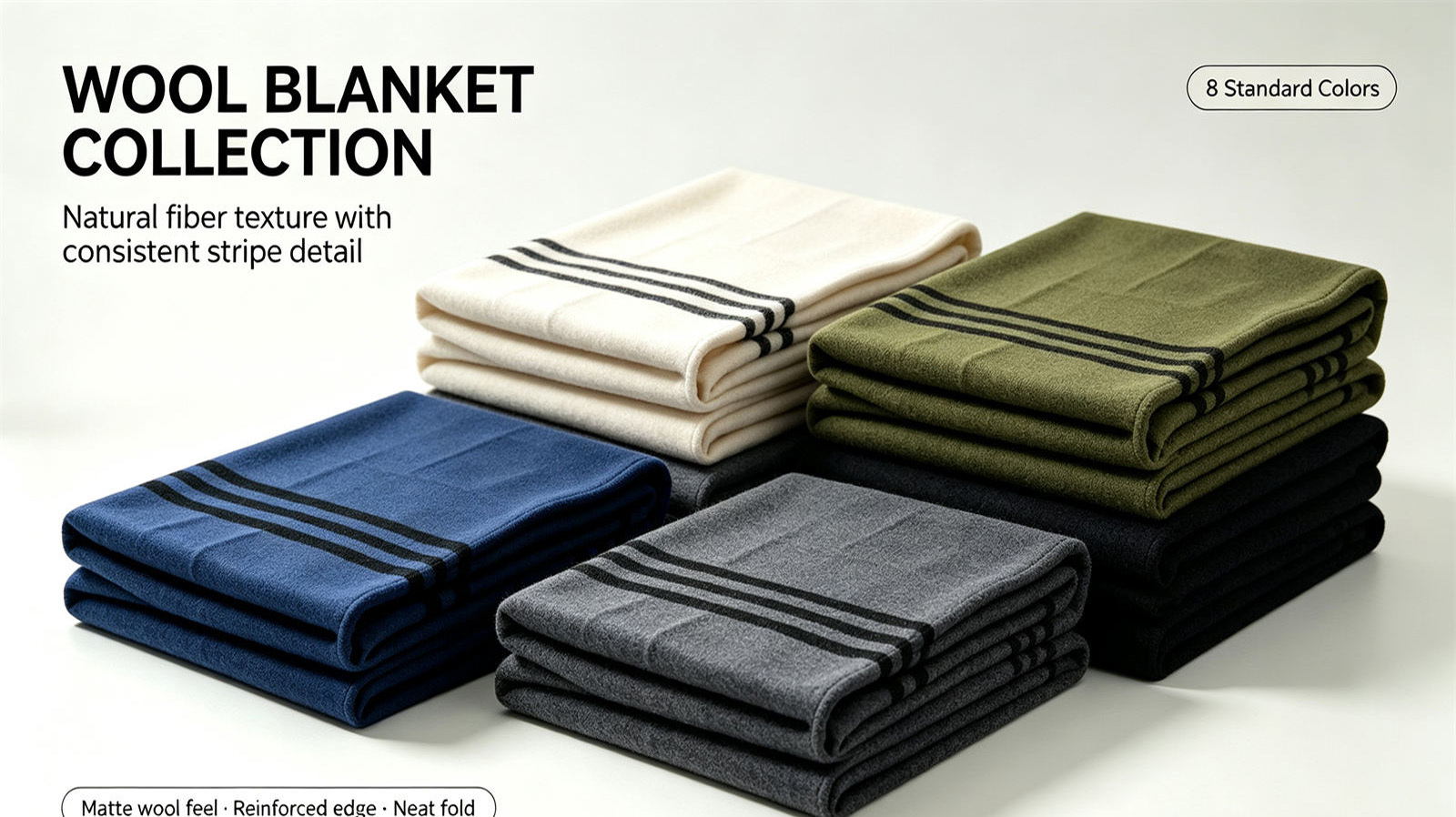
Compare blanket product lines, application routes and related procurement resources.
 |
 |
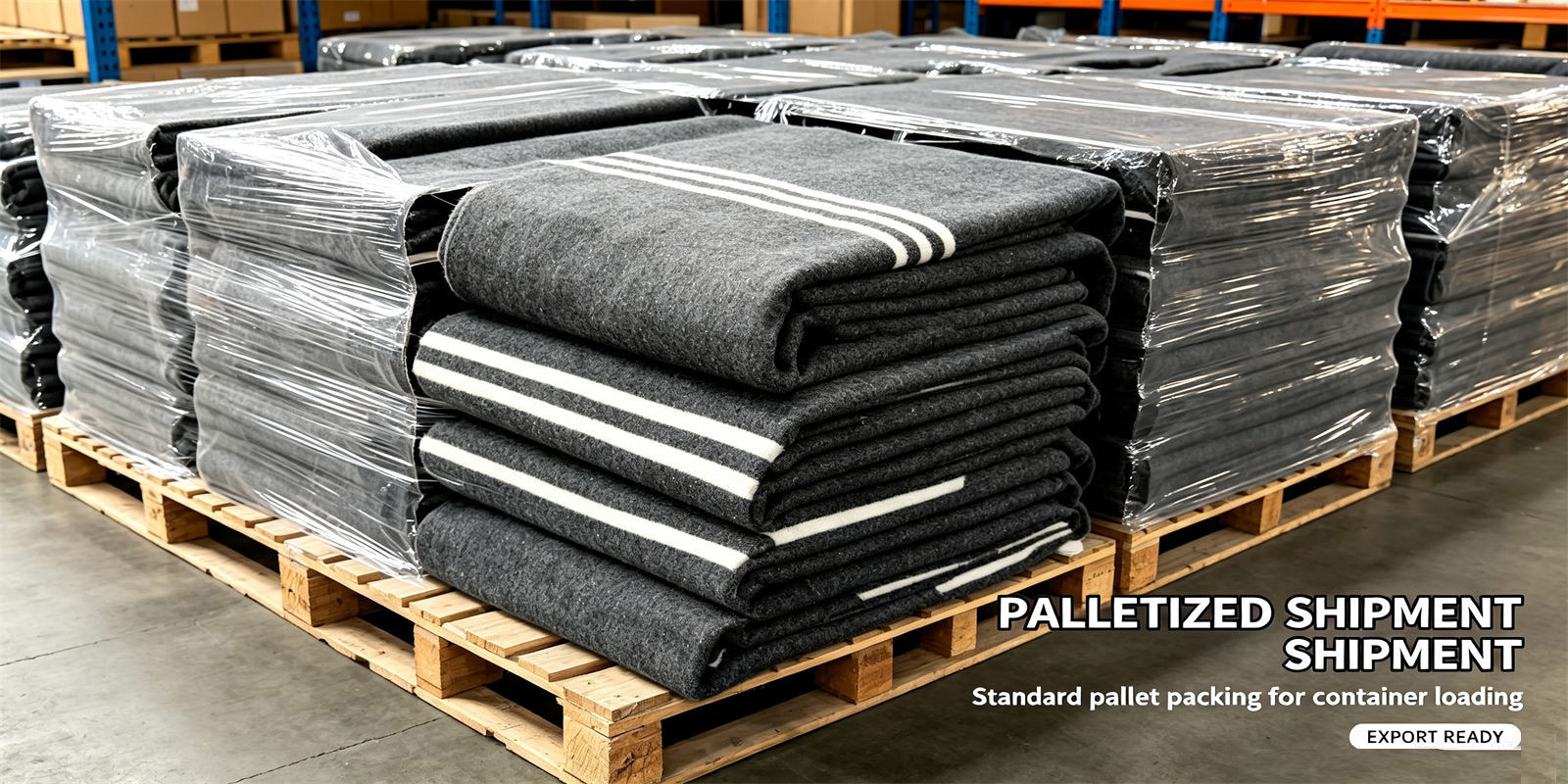
Recycled Polyester Blanket for Emergency Relief and Bulk SupplyReview product specifications, configuration options and order confirmation points. |
Recycled-Material Blankets for Humanitarian DistributionReview selection, packing and supply planning for this procurement scenario. |
▶ Refugee Rescue Gray Wool Blanket‑Factory Supply. Click the title link to explore factory direct supply advantages, MOQ rules and flexible shipping plans for large humanitarian procurement.
✅ Factory video link (YouTube): https://x.c1ns.cn/zVNIU
✅ Facebook homepage: https://a.c1ns.cn/SjJla
|
Access our full product document |
Quick real‑time chat for urgent project questions |
 |
 |
|
Get full‑range product specs & package solutions in PDF |
Connect with us for instant project support |
روابط ودية :
حقوق النشر © Custom Disaster - Relief Bedding: Tents, Sleeping Bags, Blankets كل الحقوق محفوظة
الفريق المحترف للخدمة !