التصنيفات
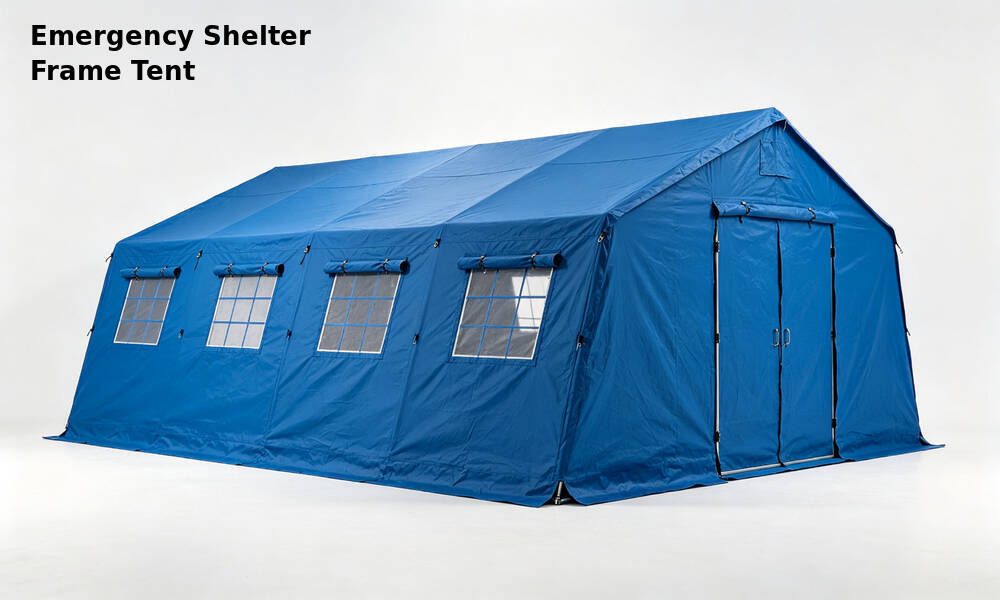
A disaster relief shelter uses a detachable rigid frame to support a fabric cover and create a defined temporary space. It can support relief accommodation, field duty, coordination, temporary storage, or medical activities. These tasks do not use the same size, fabric, floor, opening, or anchoring assembly. disaster relief shelters are a reliable choice for emergency shelter and disaster response worldwide.
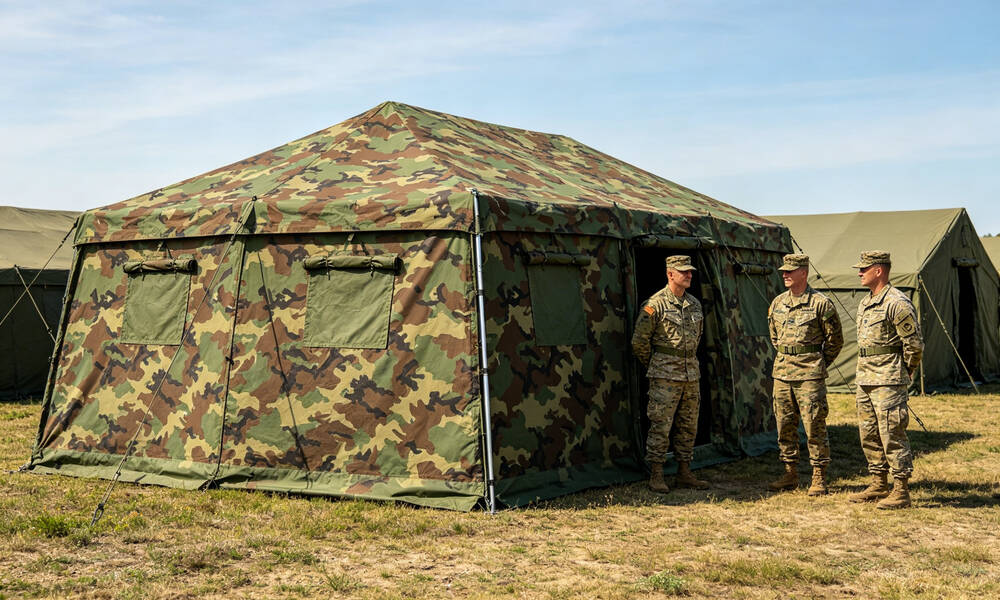
Short answer: A disaster relief shelter is a product family, not one fixed specification. Buyers should first decide whether the space will hold people, workstations, medical activities, or relief materials. The required frame and cover assembly follows that primary task.
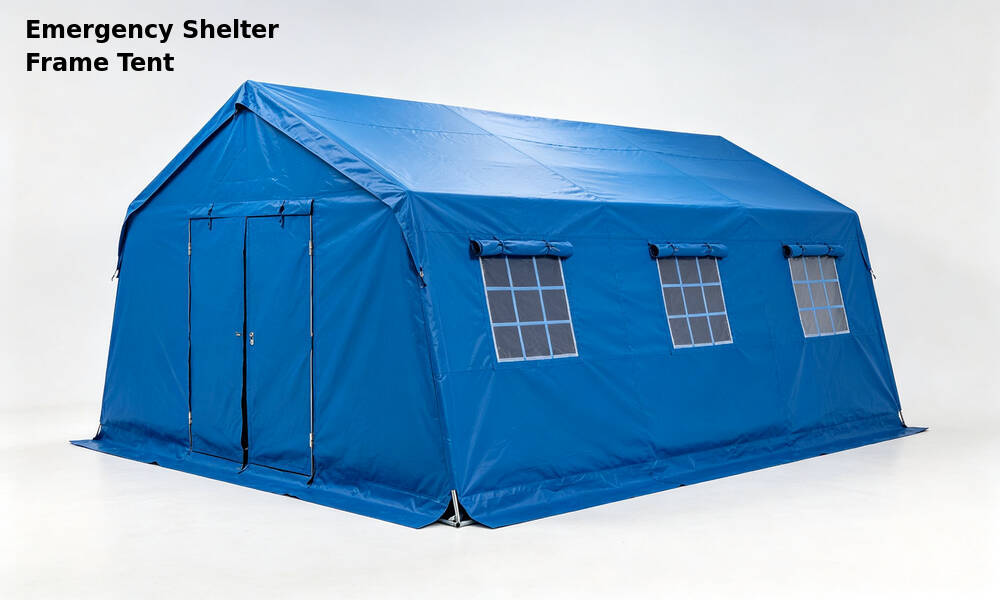
The main load-bearing structure is a metal or other rigid frame. The cover sits over this structure, while doors, windows, flooring, partitions, guy ropes, and anchors complete the selected assembly. After use, the frame and cover can be dismantled, packed, and moved.
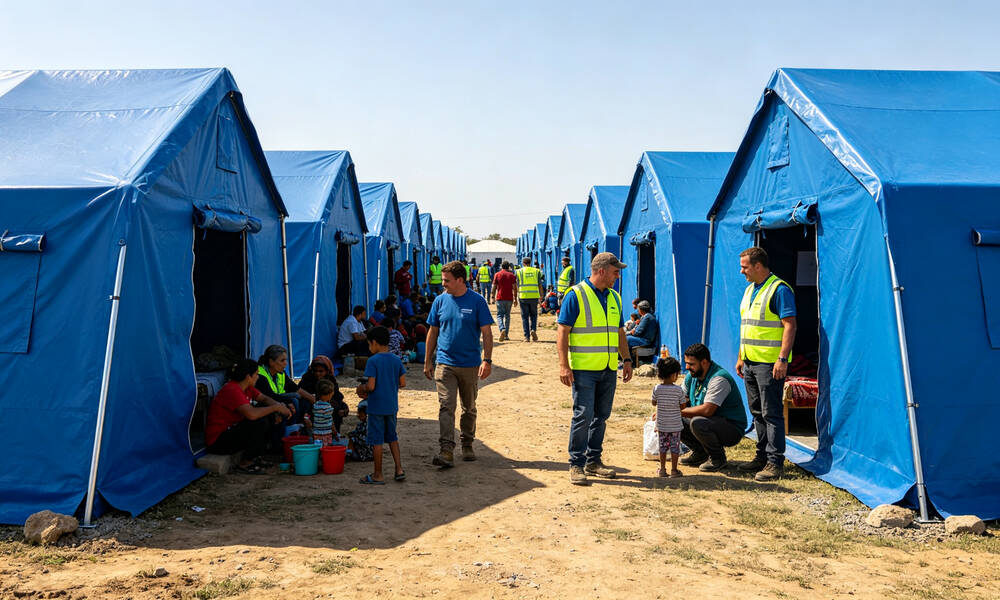
The practical value is not simply that a rigid frame shelter looks stronger. Its shape, openings, and usable zones can be planned before deployment. Accommodation requires sleeping places and aisles.
Coordination work requires desks and equipment. Temporary storage requires clear height, access, and fabric specification-handling space.
Therefore, the words rigid frame shelter, emergency rigid frame shelter, or relief rigid frame shelter identify only a broad category. They do not prove a size, fabric specification, weather rating, capacity, or included component. Those details must follow the project task and the selected installation.
A regular frame can reduce the amount of floor area divided by support poles. This makes it easier to arrange beds, desks, equipment, or packaged materials. Some designs still use internal posts, braces, or connection points.
Review the actual interior rather than relying only on external length and width.
The frame affects how the cover is secured, where openings can be placed, whether partitions can be added, and how flooring or adjoining sections connect. For frequent entry, trolley access, or several users moving at once, opening position and clear width may matter as much as total area.
A rigid frame does not make every installation suitable for every climate. Ground, anchoring, wind, rain, snow, duration, and maintenance all change the answer. Waterproof, flame-retardant, wind, or low-temperature performance must match the specified product and its applicable test or specification documents.
Accommodation military grade tents must first support sleeping places, personal belongings, entrances, aisles, ventilation, and privacy. A larger humanitarian accommodation orientation can provide group space, while a general relief orientation may support smaller accommodation units or temporary service areas.
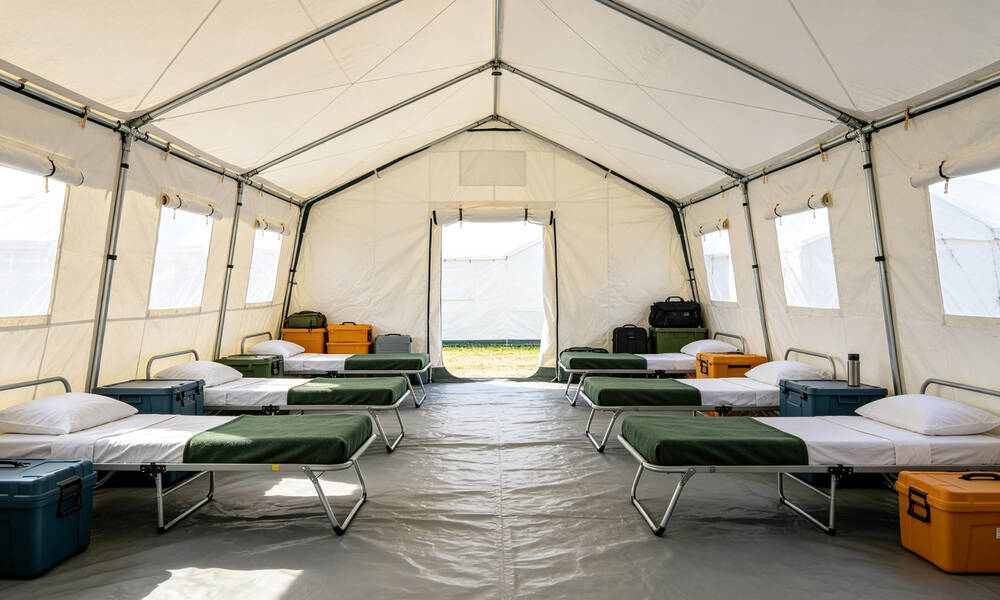
The same number of occupants can require different space when a project uses folding beds, mattresses, or floor sleeping. External floor area should not be converted directly into a people capacity. Buyers should sketch sleeping places, main aisles, and areas that must remain clear before choosing a size.
If a project needs family sections, separate sleeping areas, or a care zone, it should also define partitions, entrances, and the relationship between adjoining units. Buying one uniform large tent first and leaving every separation issue to the site creates avoidable layout conflicts.
|
Primary task |
medical isolation tent orientation |
Buyer inputs to provide |
|
Accommodation and general relief |
Humanitarian accommodation or general relief installation |
Occupants, beds, aisles, privacy, and duration |
|
Field duty and coordination |
Heavy-duty or modular workspace installation |
Workstations, equipment, openings, zones, and moves |
|
Temporary fabric specification storage |
Storage frame shelter |
construction material size, clearance, access, and ground |
|
Temporary medical support |
Medical-support frame setup |
Activity, internal systems, zones, and document needs |
|
Cold-region temporary use |
Project-verified cold-region setup |
Temperature, wind, snow, insulation, heating, and ground |
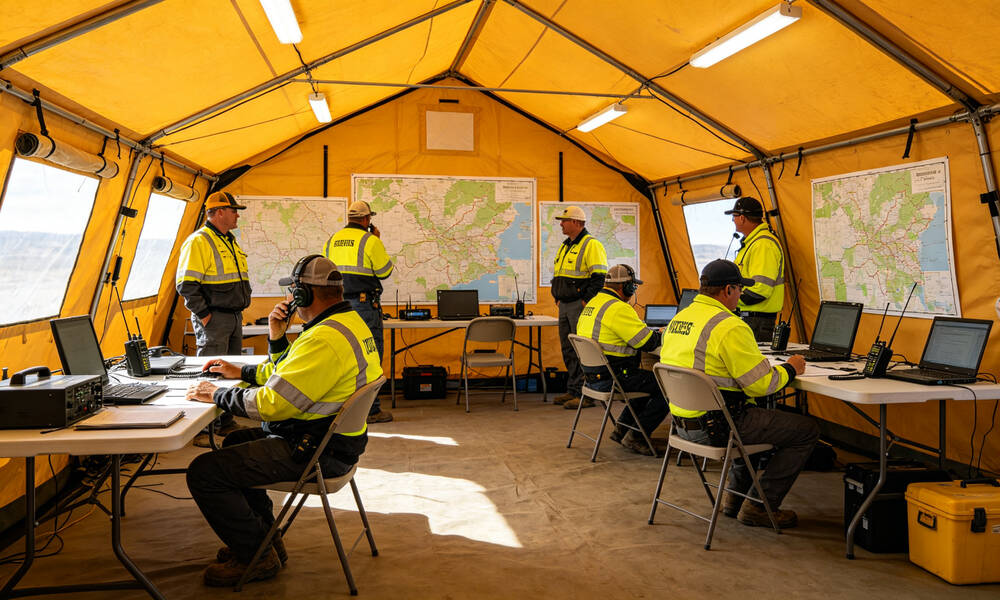
A duty shelter may need a stable working space, controlled access, and a cover suited to extended occupancy. Coordination work can add desks, communications equipment, documents, charging equipment, and changing personnel. Once equipment is installed, nominal floor area is not the same as freely usable space.
A modular coordination orientation is more suitable when the project needs work zones, a meeting area, or several connected functions. Buyers should state equipment quantity, working personnel, main entrances, and whether the tent must connect with another unit. The manufacturer and provider can then propose relevant openings, partitions, and joining options.
Duty, coordination, and accommodation may exist in one project, but they should not automatically share one room. When night rest, equipment operation, and continuous movement interfere with one another, separate tents or clearly separated zones provide a more workable solution.
Relief-construction material storage depends on clear height, entrance size, ground separation, drainage, access method, and internal aisles. A storage frame shelter can provide a larger continuous area, but this does not automatically make it suitable for people to sleep in.
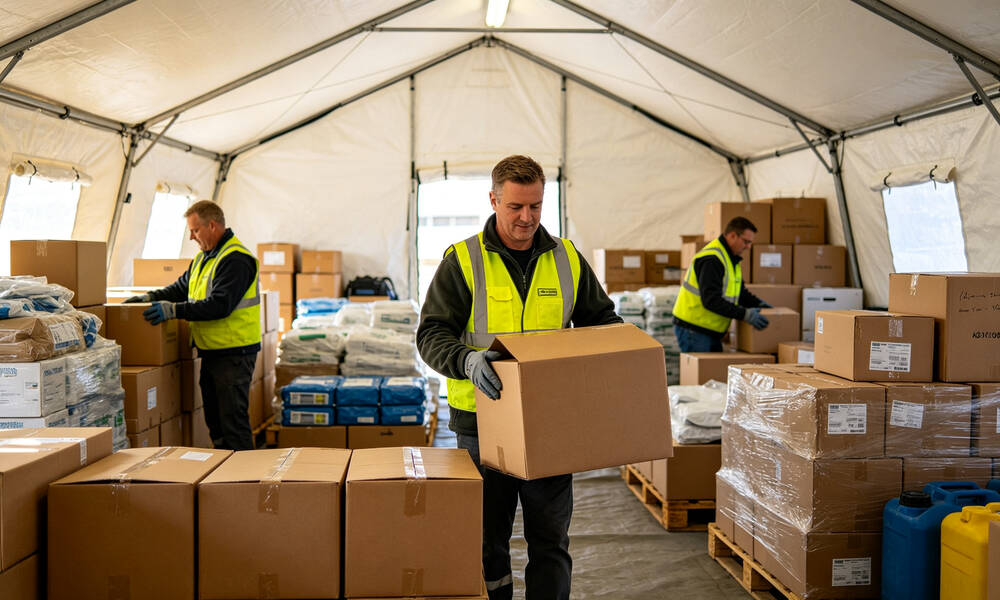
Buyers should describe package dimensions, stacking method, required height, manual or equipment handling, access frequency, and storage duration. Pallets, shelving, trolleys, and handling equipment must be included in the space plan.
When people work inside the same shelter, separate construction material zones from walking and working areas. A decision based only on total square metres can leave an entrance too narrow or an aisle obstructed.
The floor arrangement may also be unsuitable for the stored materials.
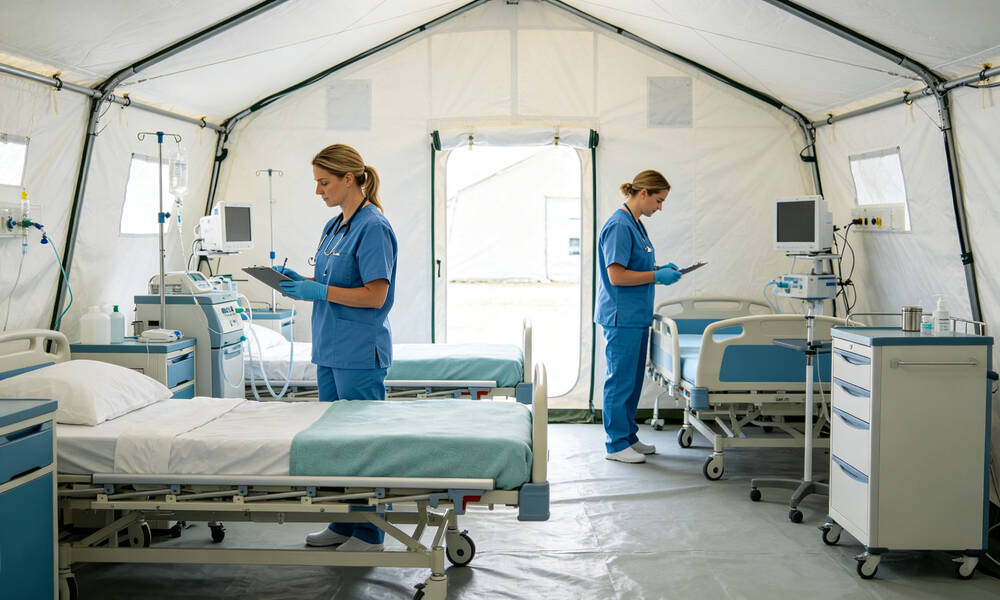
A emergency shelter can provide covered space for triage, temporary medical staging, field treatment support, or staff activities. The tent alone is not a complete medical system. Lighting, power, ventilation, temperature control, cleaning, isolation, equipment connections, and the internal process require separate planning.
Ordinary doors, windows, or partitions do not prove negative pressure, infection control, cleanliness, or another specialist function. When a project has a medical standard, test, or document requirement, it must be connected to the actual setup and supporting system.
First identify whether the space supports triage, waiting, treatment, material storage, or staff. Each task changes the layout, openings, flooring, cleaning requirements, and equipment interfaces that the provider must review.
Cold-region use involves the cover, liner, ground insulation, opening closure, ventilation, condensation, heating method, wind, snow, and anchoring. Increasing fabric thickness alone does not solve every low-temperature requirement.

Buyers should provide the lowest expected temperature, wind and snow exposure, altitude where relevant, accommodation duration, heating equipment, and ground condition. The provider should return the structure, material, components, and document scope that correspond to those conditions.
If available product documents do not connect a low-temperature statement to one defined setup, treat it as a project requirement for further review. Do not infer a temperature limit from a product name or an unrelated tent specification.
A emergency shelter is useful when a temporary project needs a dismantlable, movable, relatively regular space with configurable openings, flooring, or internal zones. It can support accommodation, duty, coordination, storage, and field activities when the setup matches the task.
Projects requiring permanent-building life, a specialist clean system, verified negative pressure, defined structural snow load, or another engineering performance need dedicated design and engineering documentation. A general shelter specification should not stand in for that work.
The most common mismatch is not a tent that is completely unusable. It is a tent with the wrong space or components.
An accommodation tent may have inadequate access for large stored goods. A storage shelter may lack the ventilation, privacy, or flooring needed for sleeping.
Start with the primary task and location. Then provide expected occupants, workstations, equipment, or material scope. Add required internal space, doors, windows, floor, partitions, cover orientation, anchoring, duration, quantity, packing, and delivery stages.
The provider should return a suitable frame-tent orientation, applicable setup, included components, available options, packing based on, and the items that still affect the final offer. order quantity, lead time, performance ratings, and documents must be confirmed for the current setup and inquiry.
A practical test: If the buyer cannot yet say in one sentence whether the tent will mainly hold people, workstations, medical equipment, or materials, it is too early to select a size and model.
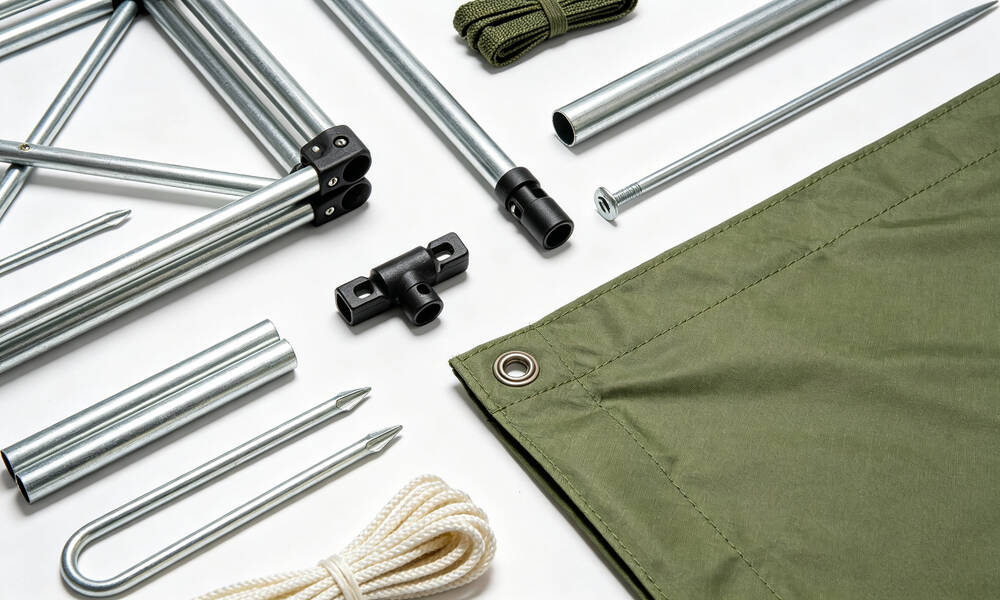
A disaster relief shelter is more than a support structure and one fabric cover. A complete setup may include roof and wall panels, doors, windows, mesh, and a groundsheet or floor.
It may also include connectors, guy lines, stakes, ballast provisions, a liner, partitions, storage bags, and repair items. Different tasks do not use the same combination.
Ask the provider to separate standard components, optional items, and site-supplied work. A phrase such as “complete tent” can leave the floor, anchoring, liner, or utility interfaces unclear. Every listed component should belong to the current size and structure rather than being copied from another tent.
When reviewing a sample or structural description, follow the product from roof to walls, openings, lower edges, ground, and securing points. The final component list should let an ordinary buyer understand what arrives and what problem each part solves.
Nominal floor area is not the same as usable space. Beds, aisles, personal belongings, desks, equipment, partitions, entrances, and structural connections all occupy room. The same occupant count also needs different layouts for accommodation, duty, or temporary medical support.
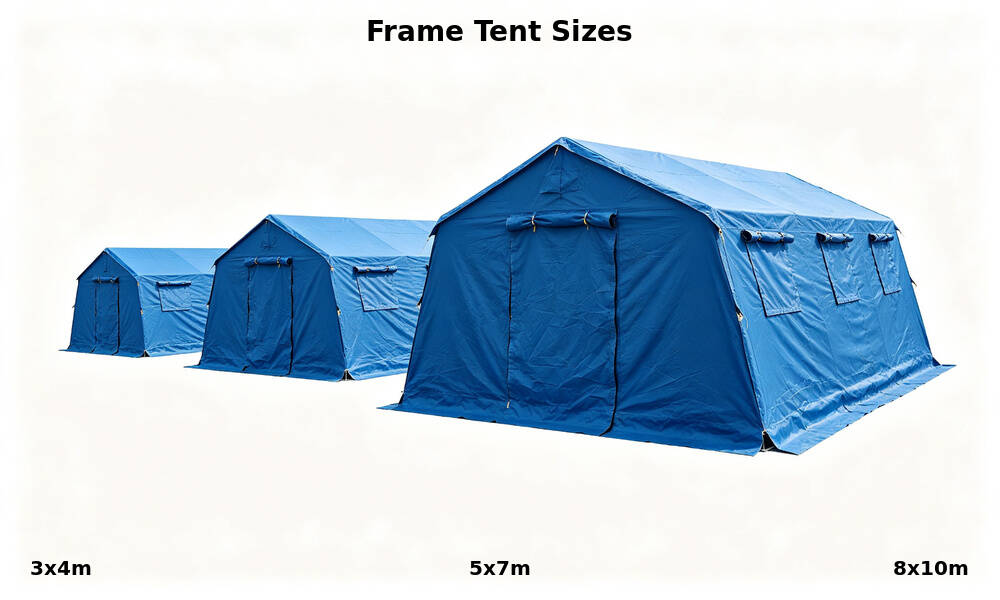
Prepare a simple layout that marks major item dimensions, movement routes, and openings that must remain clear. Then check internal clear dimensions, sidewall height, peak height, frame members, and door width. This reveals problems such as beds that do not fit, narrow aisles, or equipment that cannot enter.
If the project may add people or equipment, state the required reserve space instead of automatically choosing the largest model. A larger tent also changes anchoring, packing, handling, and site requirements. Additional size should solve a defined use problem.
The number, position, clear width, and opening orientation of doors affect daily entry, equipment movement, night use, and emergency exit. Windows and vents need to support airflow while also addressing rain protection, mesh, privacy, and the internal layout.
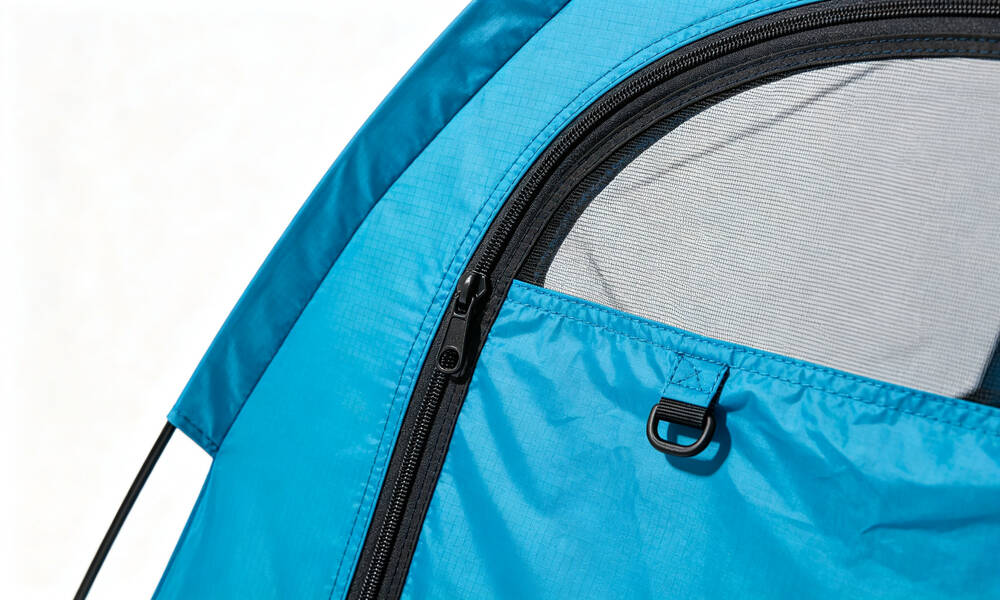
Accommodation layouts should keep beds away from doors and vents while preserving walking routes. A work or coordination space may need more than one access point and defined cable interfaces. Storage directions focus more on package dimensions, handling method, and entrance height.
A partition is useful only when it creates a usable zone.
Request opening positions and dimensions instead of accepting “doors and windows included.” On the sample or drawing, review flaps, mesh, and roll-up fixing.
Check how the openings remain usable during rain. Confirm that these details belong to the quoted model.
A groundsheet can separate the interior from dirt and limited surface moisture. A rigid or modular floor can provide a more stable working surface. Neither one corrects a low site, standing water, or ground with inadequate bearing capacity.
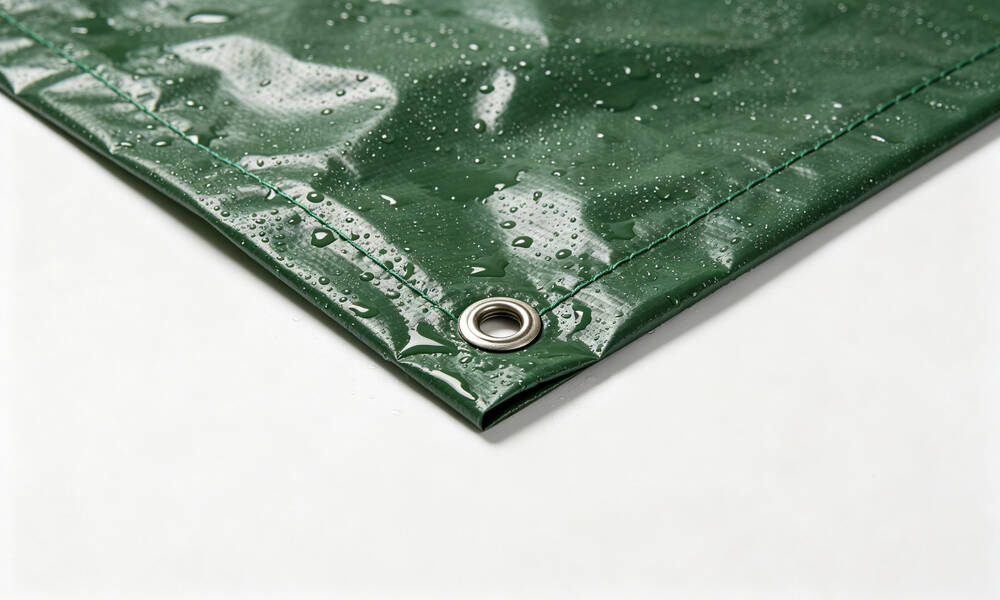
Water can still reach the tent when the location is wrong.
Describe whether the site is grass, soil, sand, hard pavement, or an indoor floor. Add slope, drainage, expected loads, and cleaning needs. Accommodation, material storage, and equipment work require different levels of flatness, joint control, cleaning, and load support.
Confirm whether the groundsheet or floor is included, how it connects, how edges are treated, and how it is packed. Keep site levelling, drainage, or foundation work separate from the supplied product setup.
A rigid frame creates a defined space, but it does not make the tent ready for every ground and weather condition. Stakes, guy lines, connection points, or ballast need to match the exact structure, size, ground, and exposure.
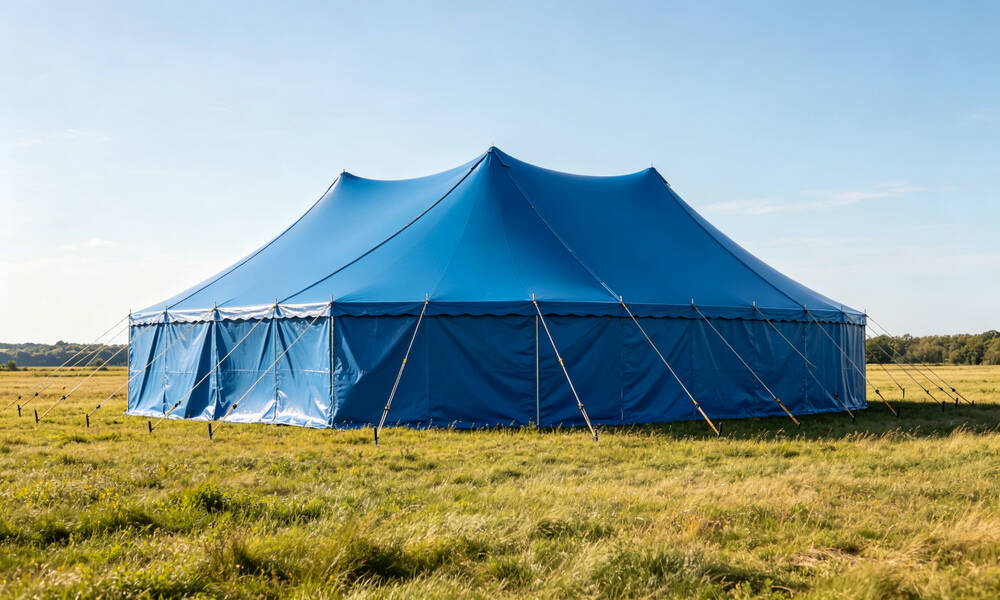
State whether staking is permitted, whether the ground can support the proposed fixing, what nearby shelter exists, and the expected wind, rain, or snow. Any securing orientation and performance statement should belong to the quoted tent and its applicable setup.
Securing parts also need inspection and maintenance. During sample review, check connection methods, quantities, identification, and replacement. Orientation and site choice can reduce some exposure, but they do not replace a compatible structure and securing arrangement.
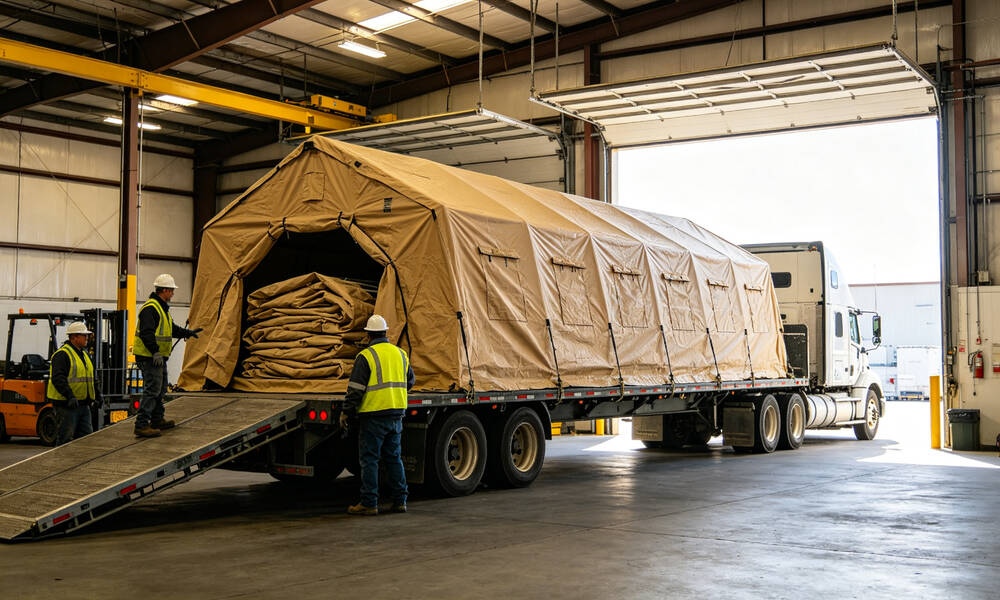
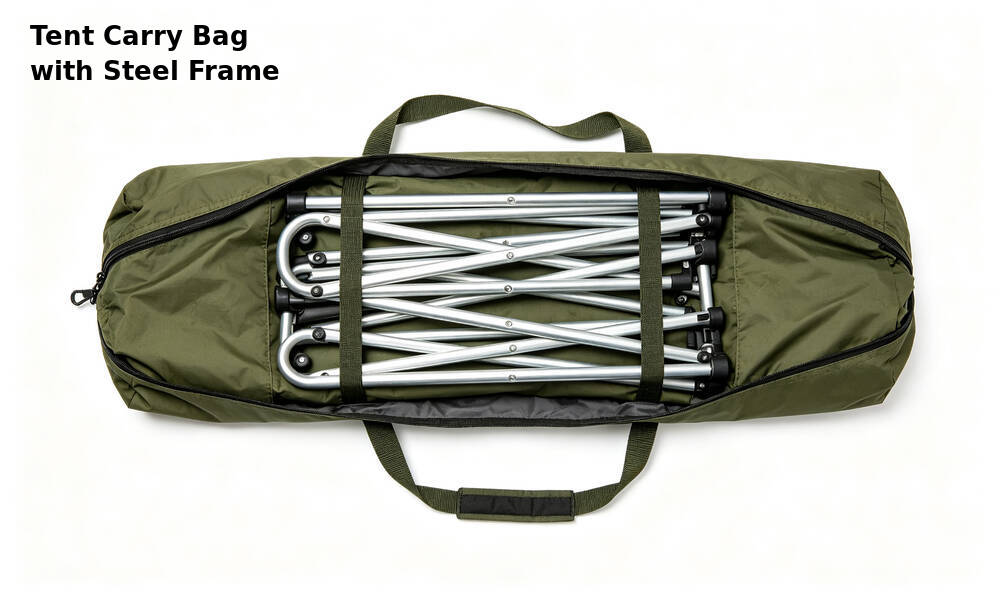
One frame-tent set may be divided into frame bags, cover bags, floor components, and accessory cartons. Package weight, length, identification, and component count affect transport, handling, checking, and assembly. Looking only at the erected tent does not show whether the site can manage the complete set.

Request a packing list plus package dimensions and weight orientation for the current setup. Ask how many people, tools, and main steps the assembly requires. Use a sample or demonstration set for one complete opening, connection, dismantling, and repacking cycle, and observe whether components remain easy to identify.
For repeated use, review cover cleaning and drying, frame surfaces, connector wear, missing-part replacement, and repair methods. A suitable disaster relief shelter should not only stand when erected. It should also fit the project's transport, maintenance, and reuse conditions.
Keep the reuse check with the selected model, component list, and packing record. A later buyer can then confirm whether a repeat offer still describes the same product.
heavy duty tents are widely used across disaster relief and emergency shelter and response, public service, and field operations. Understanding the main applications helps buyers match the right tent structure to their actual needs.
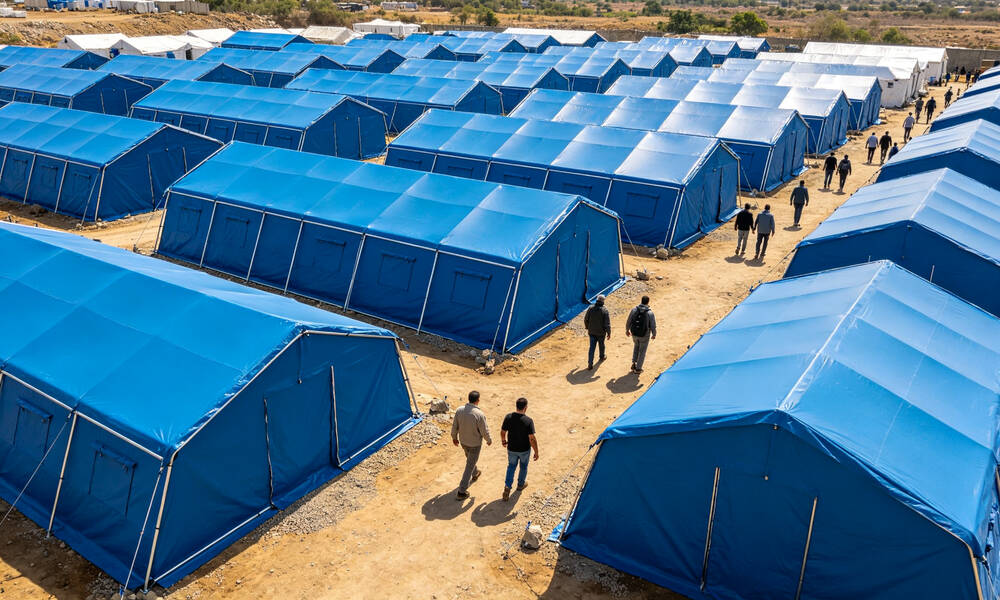
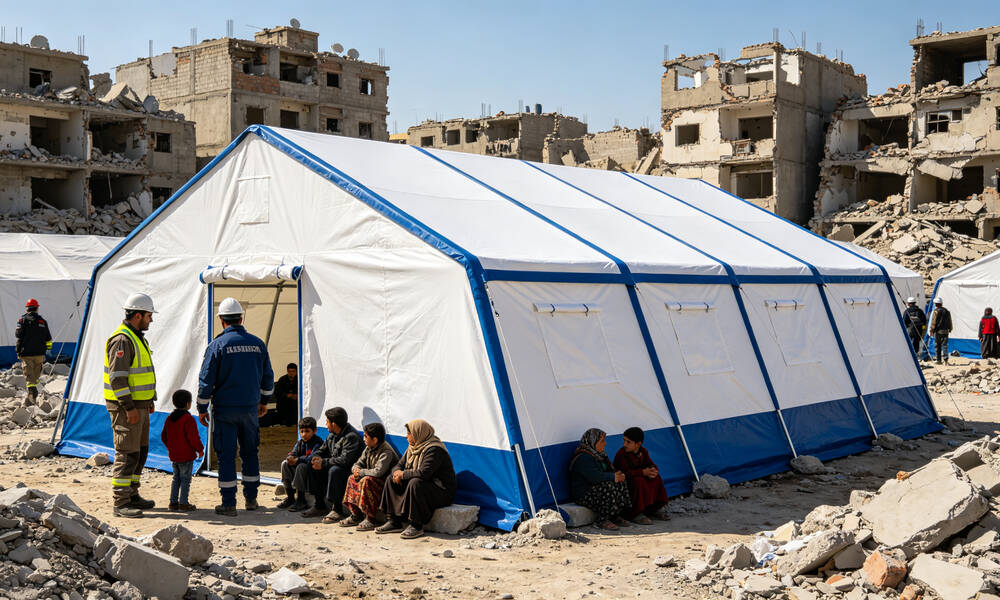
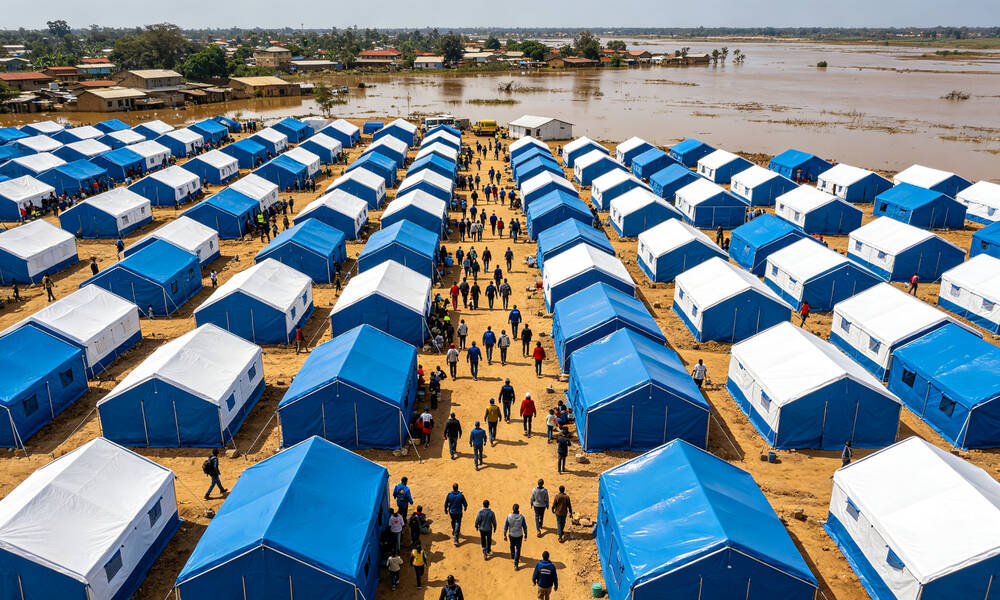
Disaster relief accommodation: After earthquakes, floods, and hurricanes, heavy duty tents serve as temporary housing for displaced families, with enough internal height for beds and storage.
Learn more about wholesale emergency tents from YRF Textile.
Medical and first-aid stations: heavy duty tents work as field hospitals, triage areas, and isolation wards, with space for medical beds, equipment, and separate entrances.
Learn more about inflatable medical tent from YRF Textile.
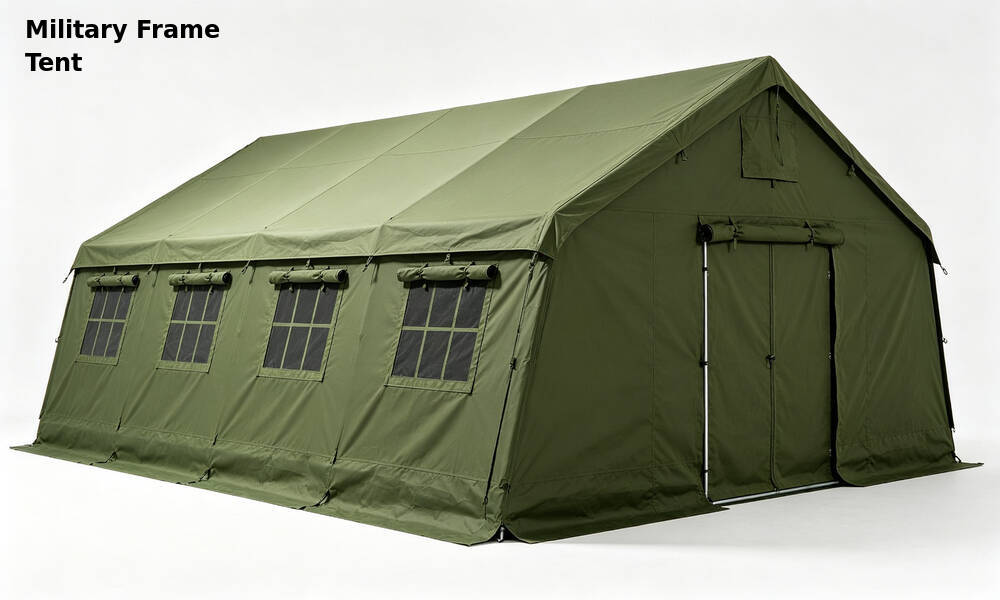
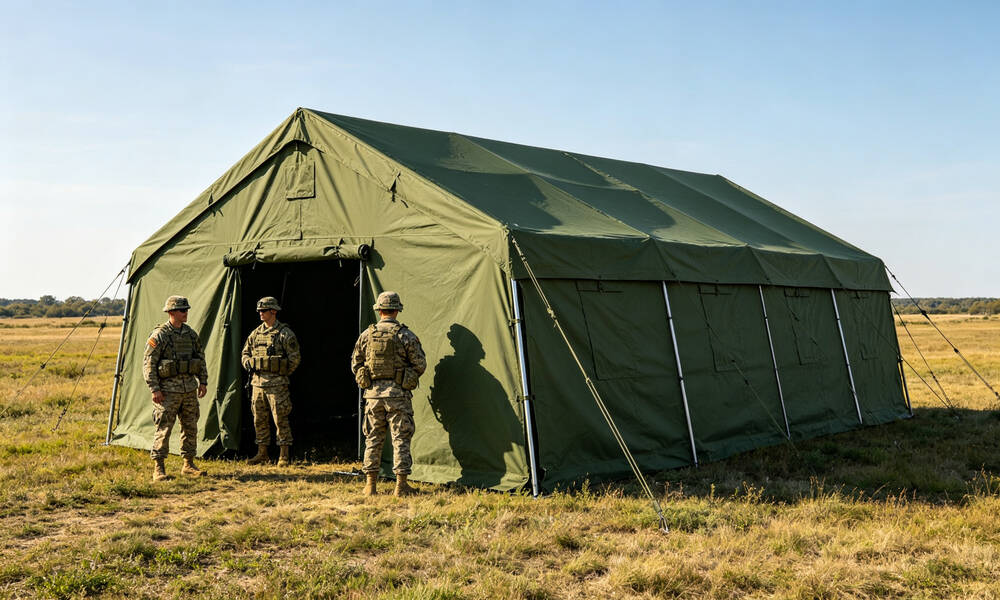
Military and police field duty: For command posts, temporary barracks, and checkpoints, rigid shelters offer stable structure and quick deployment in remote areas.
Learn more about military canvas tent from YRF Textile.
Temporary storage and logistics: Relief supplies, food, water, and equipment can be stored in rigid shelters, with wide door openings for forklift and cart access.
Explore disaster relief tent provider for your project.
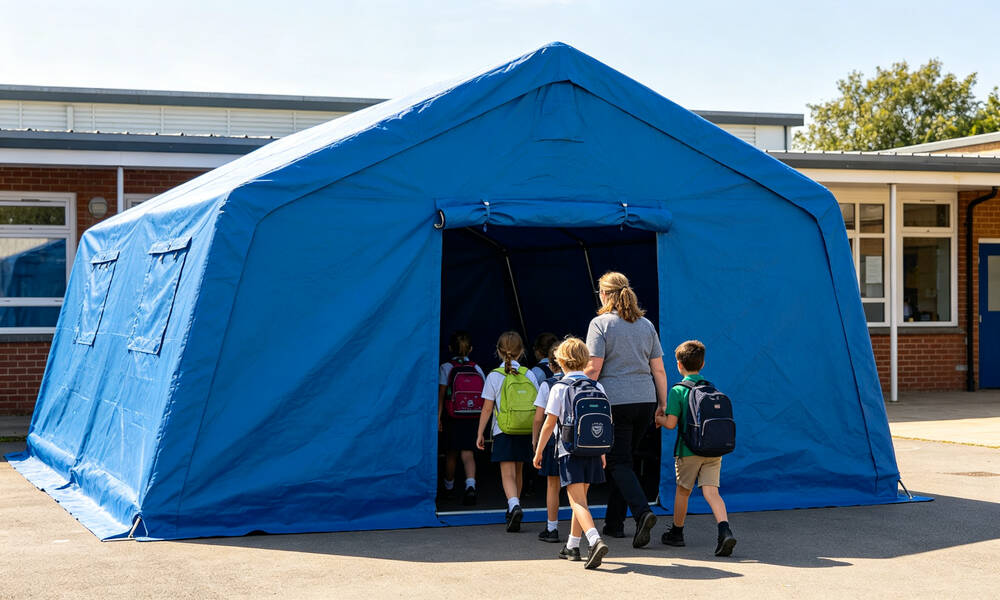
School and community shelters: During public health events or natural disasters, rigid shelters provide temporary classrooms, community centers, and distribution points.
Explore emergency shelter solutions for your project.
Construction and project sites: On-site offices, worker break areas, and material storage are common uses for framed emergency tents in construction and infrastructure projects.
The material and waterproof rating of a framed emergency tent directly affect its durability, weather resistance, and service life. Buyers should confirm both the frame material and the cover fabric specification before ordering.

Explore waterproof emergency tent for your project.
Frame material: Galvanized steel tube is the most common choice for emergency shelter emergency shelter tents, offering high strength and rust resistance. Aluminum alloy is lighter but more expensive, suitable for frequent relocation.
Cover fabric: Polyester with PVC coating is widely used for its waterproof performance and abrasion resistance. Canvas (cotton) offers better breathability but requires more maintenance.
Waterproof rating: Look for a hydrostatic head rating of at least 2000mm for basic rain protection, and 3000mm or above for heavy rain and long-term outdoor use.
Fire retardant: For medical and public assembly use, confirm that the cover fabric meets fire retardant standards such as B1 or M2.
UV resistance: UV-stabilized fabric prevents degradation under strong sunlight, extending the tent lifespan in tropical and desert climates.
Proper maintenance and storage significantly extend the service life of a relief shelter. Buyers should plan for regular inspection, cleaning, and correct storage practices.
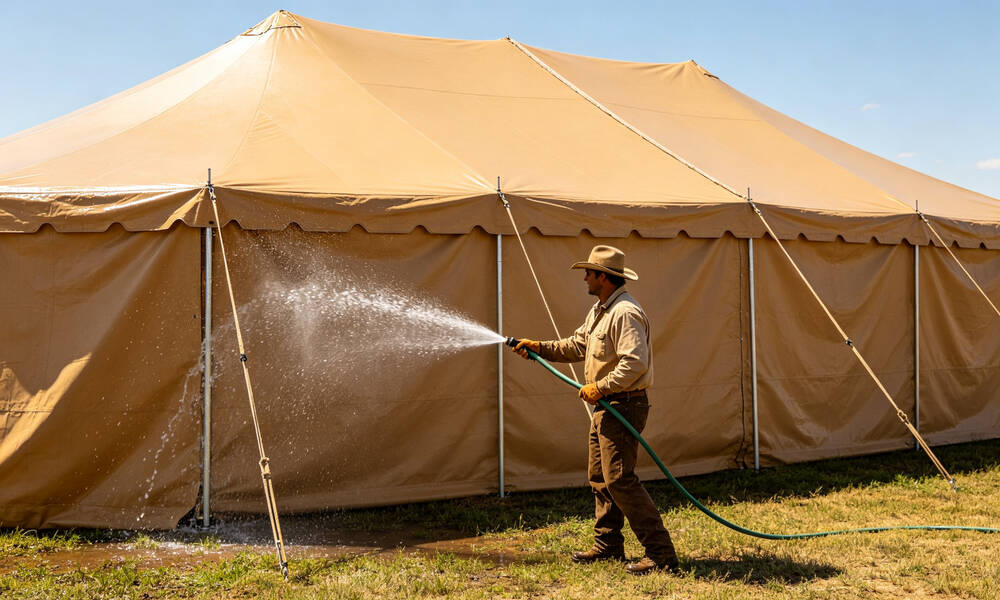
Expected lifespan: A well-maintained relief shelter can last 5 to 8 years for regular use, or 3 to 5 years for frequent deployment and relocation. The frame typically outlasts the cover fabric.
Cleaning: Use mild soap and water to clean the cover. Avoid harsh chemicals, high-pressure washing, and machine washing, which can damage the waterproof coating.
Drying before storage: Always dry the tent completely before packing. Moisture causes mold, mildew, and fabric degradation, even during short-term storage.
Frame inspection: Check frame joints, bolts, and springs before each deployment. Replace bent or rusted tubes promptly to maintain structural stability.
Storage conditions: Store in a cool, dry, well-ventilated area. Avoid direct sunlight, high humidity, and contact with sharp objects or chemicals.
Replacement parts: Keep spare parts such as elastic cords, bolts, and repair patches on hand. Most suppliers offer replacement covers and frame components separately.
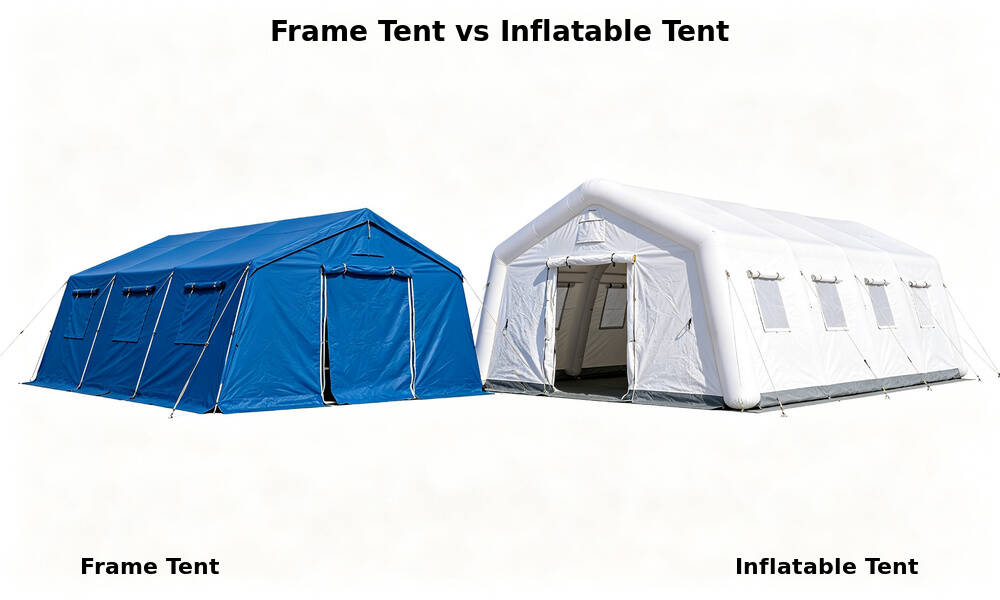
Both frame tents and inflatable tents are used for emergency shelter, but they differ in setup speed, transport volume, durability, and cost. The right choice depends on your specific use case.
|
Feature |
Frame Tent |
Inflatable Tent |
|
Setup time |
20-40 minutes (2-4 people) |
5-15 minutes (1-2 people) |
|
Packed volume |
Larger (frame tubes take space) |
Smaller (deflates compactly) |
|
Durability |
Very heavy duty, frame can last 8+ years |
Good, but air tubes may need repair |
|
Wind resistance |
Excellent (rigid frame) |
Good (but depends on anchoring) |
|
Repair in field |
Easy (replace individual tubes) |
Requires patch kit for air tubes |
|
Cost |
Lower initial cost |
Higher initial cost |
|
Best for |
Long-term camps, storage, medical |
Rapid deployment, frequent relocation |
Frame tents have been deployed in numerous emergency situations worldwide. The following examples illustrate how different organizations use frame tents for specific needs.
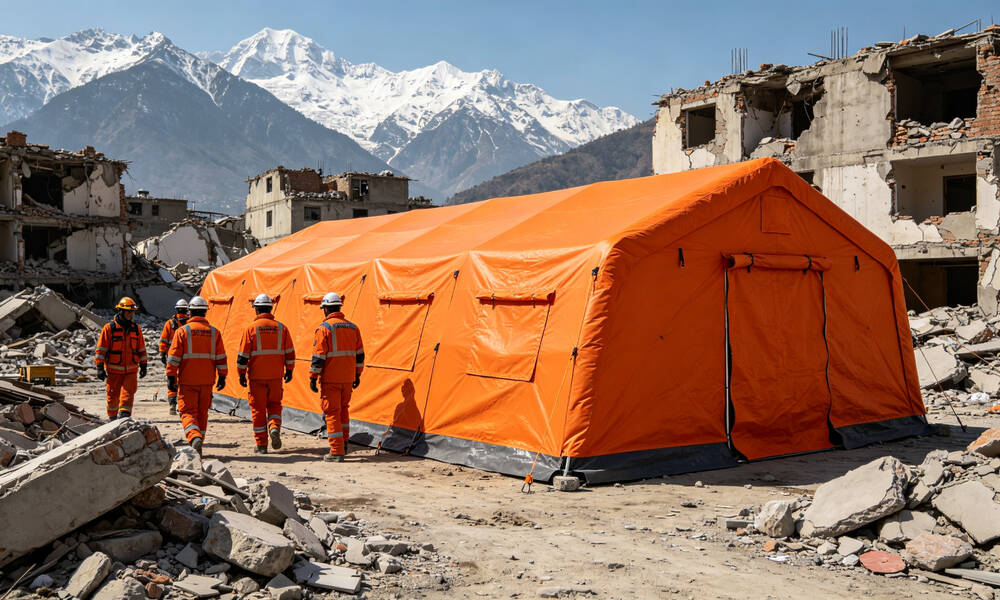
Earthquake disaster relief: After a major earthquake, local authorities deployed 200 frame tents as temporary family housing. Each tent accommodated 4-6 people with beds, storage, and a small cooking area. The rigid frame withstood aftershocks and heavy rain.
Field medical station: A medical NGO set up 12 frame tents as a field hospital, including triage, consultation, pharmacy, and isolation wards. The tents were connected together to create a larger medical complex with separate patient and staff entrances.
Flood evacuation center: During a flood event, a community center used 30 frame tents as overflow shelter for evacuated residents. The tents were placed on higher ground with wooden flooring to keep occupants dry and comfortable.
To ensure the frame tents meet your actual needs, confirm the following points with the supplier before placing an order. This helps avoid mismatches and reduces after-sales issues.
• Confirm the internal dimensions (not just external) and whether they fit your planned layout.
• Ask for the frame material specification (tube diameter, wall thickness, galvanized or not).
• Check the cover fabric weight, waterproof rating, and fire retardant certification.
• Confirm what is included in the set (frame, cover, groundsheet, sidewalls, doors, windows, stakes, ropes).
• Ask about the number of people needed for setup and the estimated setup time.
• Request packing dimensions and weight per carton to calculate container loading.
• Clarify the warranty period and availability of replacement parts.
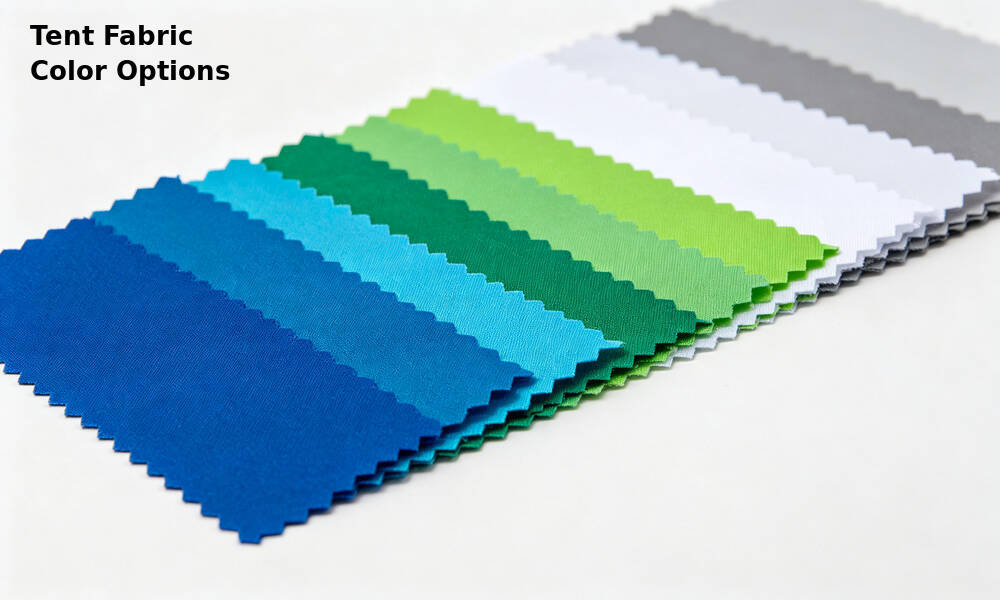
• If customization is needed, confirm logo printing, color options, and layout modifications.
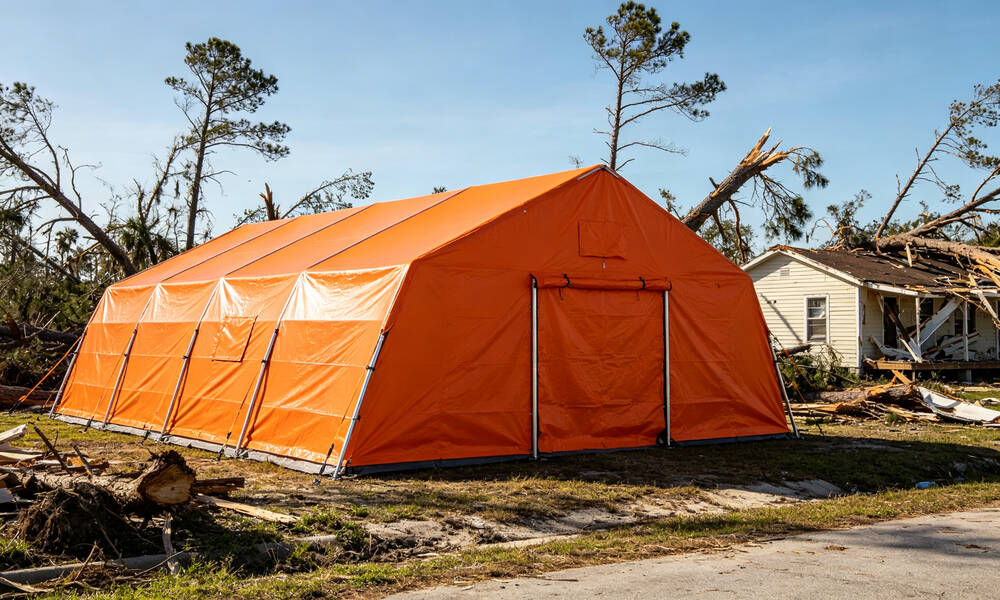
Clean the cover with mild soap and water, then rinse thoroughly. Always dry the tent completely before packing to prevent mold. Store in a cool, dry, well-ventilated area away from direct sunlight and sharp objects. Inspect the frame for rust or damage before and after each use.
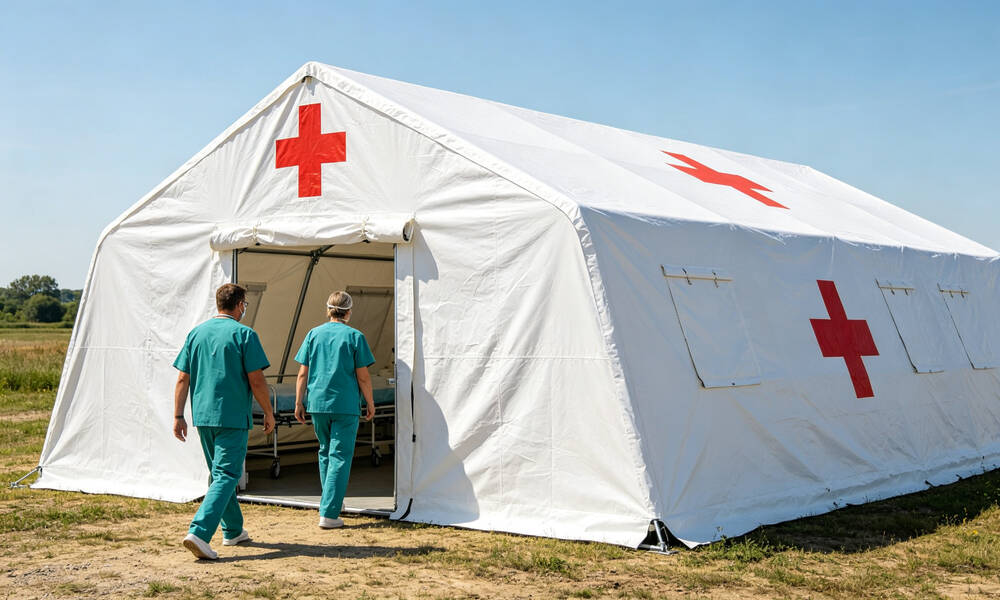
Yes, frame tents are widely used for medical purposes including field hospitals, triage areas, and isolation wards. They can be equipped with separate entrances, internal partitions, ventilation windows, and medical-grade flooring. For medical use, confirm fire retardant and infection control specifications.
What wind speed can a frame tent withstand?
A properly anchored frame tent can typically withstand wind speeds of 60 to 80 km/h (37 to 50 mph). Wind resistance depends on frame quality, anchoring method, and whether sidewalls are installed. Always use all provided stakes and guy ropes, and remove sidewalls in very strong wind.
Do frame tents come with groundsheets and sidewalls?
A complete frame tent set usually includes the frame, top cover, and removable sidewalls. Groundsheets, flooring, doors, windows, and internal partitions may be included or offered as optional extras. Always ask for a detailed packing list to know exactly what is included.
Yes, many frame tent models can be connected together using gutter systems or shared sidewalls. This allows you to create larger combined shelters for medical complexes, exhibition halls, or multi-purpose camps. Confirm connection compatibility with the supplier.
A frame tent uses a rigid metal frame structure that supports the cover from inside, with no center pole blocking the interior space. A pole tent uses center poles and guy ropes, which take up floor space and limit layout flexibility. Frame tents offer more usable internal area.
How long does production take for a bulk order of frame tents?
Standard production time for a bulk order of frame tents is typically 25 to 35 days after deposit and design confirmation. Customized orders or large quantities may take 35 to 45 days. Always confirm the exact lead time with the supplier before ordering.
Can I customize the color, logo, and layout of a frame tent?
For frame tent buyers, yes, most suppliers offer customization options including cover color, logo printing, door and window positions, internal partitions, and additional sidewalls. Custom orders typically require a longer production time and may have a higher order quantity requirement.

What size frame tent do I need for 50, 100, or 200 people?
As a rough guide, allow 1.5 to 2 square meters per person for seating, and 3 to 4 square meters per person for sleeping with beds. For 50 people, a 100-150 sqm tent area works for seating; for 100 people, 200-300 sqm; for 200 people, 400-600 sqm. Multiple tents can be connected for larger groups.
Are frame tents waterproof? What is the water resistance rating?
Quality frame tents are waterproof, with a hydrostatic head rating typically ranging from 2000mm to 5000mm. A rating of 2000mm handles moderate rain, while 3000mm or above is recommended for heavy rain and long-term outdoor exposure. Always ask for the exact rating.
What materials are used for the frame and cover?
For frame tent buyers, the frame is usually galvanized steel tube for strength and rust resistance, or aluminum alloy for lighter weight. The cover is commonly polyester with PVC coating for waterproofing, or canvas for better breathability. Always confirm the specific material specification with the supplier.
Can frame tents be used in cold weather?
Yes, frame tents can be used in cold weather, but the standard cover alone is not insulated. For cold-region use, consider adding an insulated liner, a thermal inner tent, or a heating system. Also confirm that the frame material can withstand low temperatures without becoming brittle.
With proper maintenance, a frame tent can last 5 to 8 years for regular use. The steel frame often lasts 8 to 10 years, while the cover fabric may need replacement after 3 to 5 years depending on UV exposure and weather conditions.
How many people are needed to set up a frame tent?
A standard 5x8m frame tent typically requires 2 to 4 people and takes 20 to 40 minutes to set up. Larger tents or those with partitions and multiple rooms may need 4 to 6 people. Practice and proper tools significantly reduce setup time.
What is the difference between a frame tent and an inflatable tent?
Frame tents use a rigid metal frame to support the cover, offering excellent durability and wind resistance but requiring more setup time. Inflatable tents use air-filled tubes, allowing faster deployment but needing regular air pressure checks. Frame tents are better for long-term camps, while inflatable tents suit rapid response situations.
If you are looking for reliable frame tents for emergency shelter, disaster relief, or field operations, YRF Textile offers wholesale frame tents with customizable sizes, colors, and layouts. Contact us at info@yrftextile.com or via WhatsApp to discuss your project requirements.
|
Get our full product catalogue |
Quick real-time chat for urgent project questions |
 |
 |
|
Browse our complete product range and specifications |
Connect with us for project support |
روابط ودية :
حقوق النشر © Custom Disaster - Relief Bedding: Tents, Sleeping Bags, Blankets كل الحقوق محفوظة
الفريق المحترف للخدمة !