التصنيفات
Last updated: November 19, 2026 · Wildfire emergency kit
Wildfire emergency kit planning decides whether a family escapes in minutes or is caught by fast-moving flames.
This guide lists what families, shelters, schools and relief groups stock before fire season - fire blankets, escape hoods, smoke masks and radios. Every item is checked for real use, so the kit works when smoke turns the sky orange.
Complete bulk wildfire emergency kit family flatlay on a light surface, showing fire blanket, escape hood, N95 masks, radio, flashlight and first aid supplies in one organized set
Every minute counts when a fire line is moving. Kits with a fire retardant blanket, an escape hood and an N95 mask let people leave in minutes instead of waiting for instructions.
This page explains which items to order in bulk, how many to stock per person, and how to restock after fire season.
Procurement teams, shelter managers and school safety officers will find the same checklist used by relief groups.
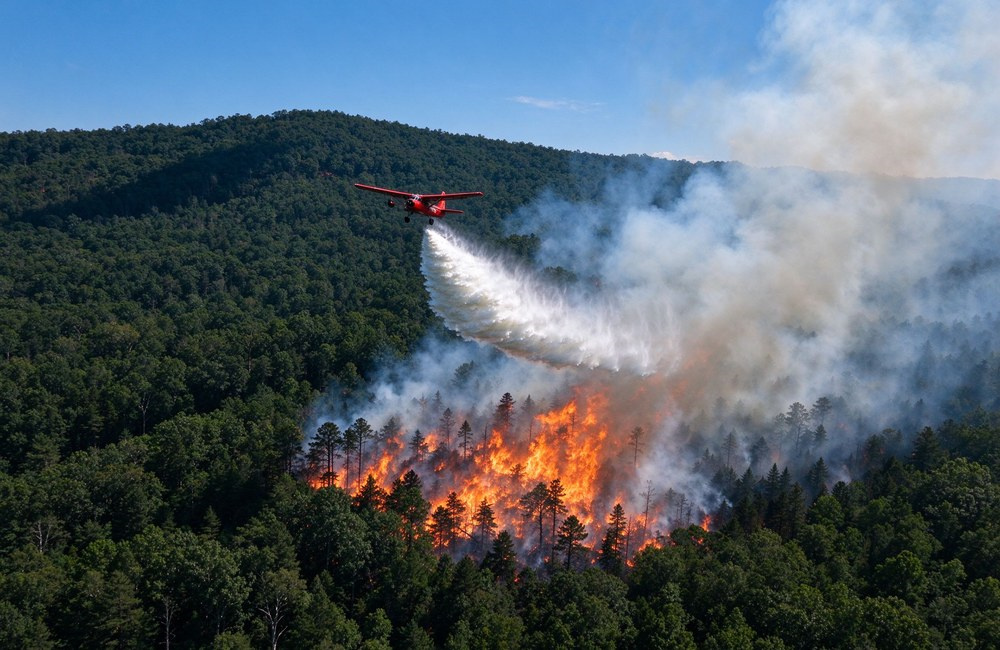
Aerial firefighting airplane dropping red fire retardant over a forest fire line with smoke rising, aerial view showing scale of wildfire response
Wildfire evacuations rarely follow a script. Roads close without notice, smoke arrives before flames, and shelters open with only hours of notice. A wildfire emergency kit removes the guesswork: each family or staff member picks up one sealed kit and moves.
The sections below cover protection gear, communication, lighting, shelter supplies and the procurement questions buyers ask before fire season.
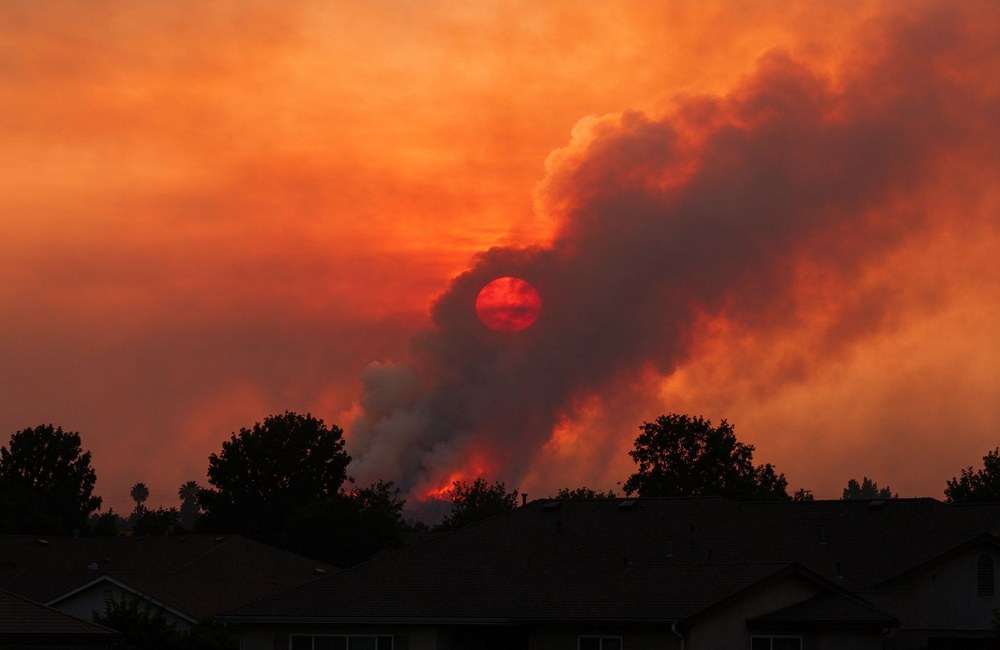
Bright orange sky over a hillside during a wildfire, smoke plumes and embers glowing, dramatic natural light warning of evacuation need
This guide is written for organizations, not single households. You will see bulk quantities, per-person ratios and restock cycles, because a shelter ordering 200 kits faces different decisions than one family.
Where numbers appear, they match standard shelter planning guidance and can be adjusted to your headcount and budget.
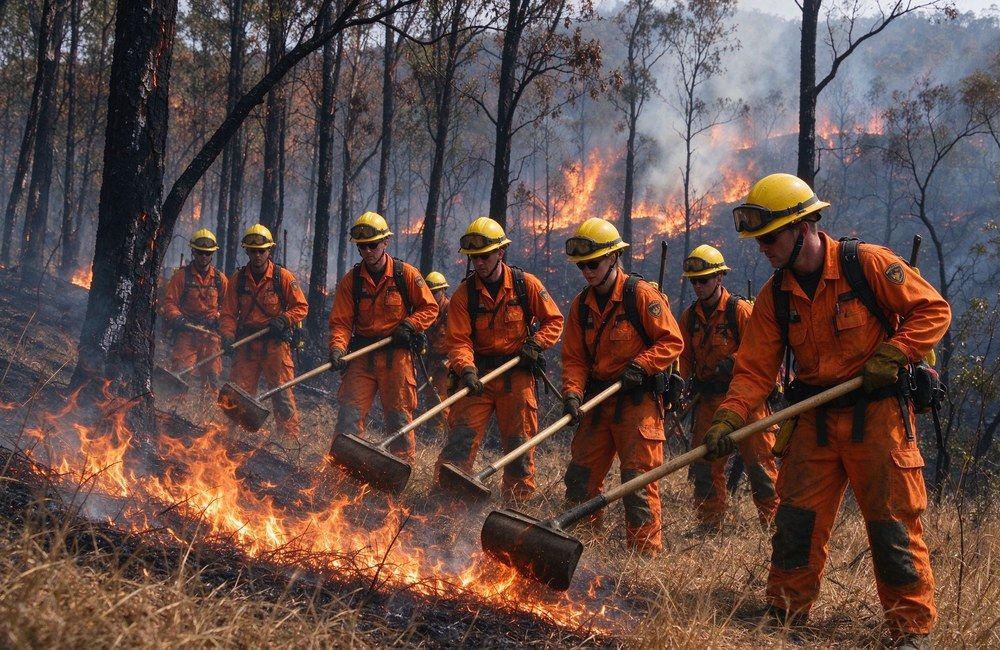
Firefighters in yellow helmets and protective gear working a wildfire containment line at the forest edge, hose teams and smoke in background
By the end, you will know exactly which items matter most, how many to order per person, how to store kits so they stay ready, and which official sources to check during an active fire.
The final sections give a quick-reference list and a procurement checklist you can hand to your supplier.
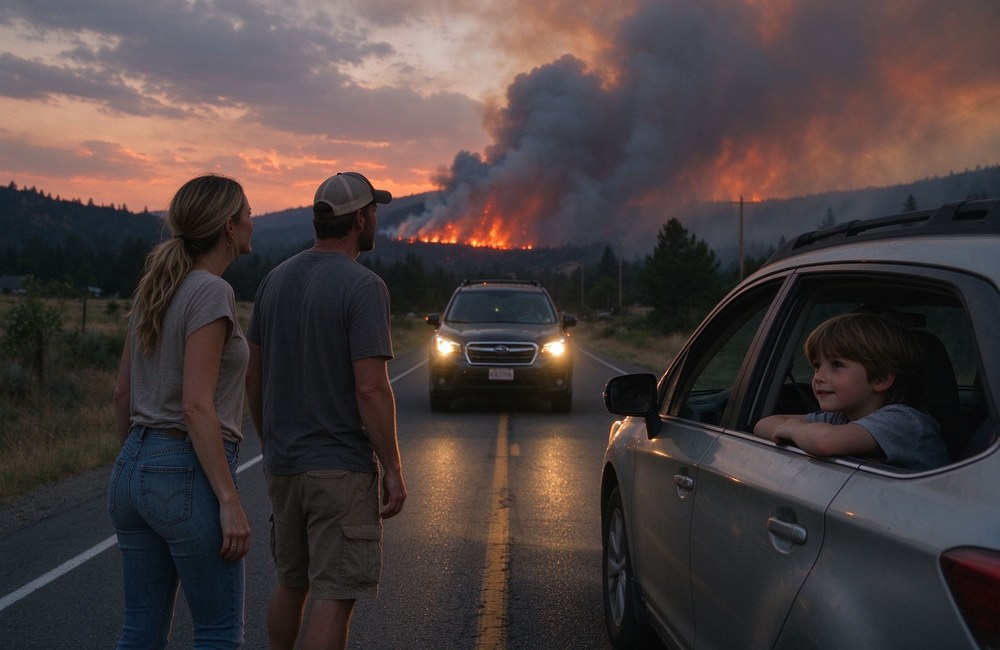
Family loading evacuation supplies into a car trunk beside a wildfire smoke sky, go bags, water and blankets ready for quick departure
Preparedness is measured in evacuation windows. A household that can leave within five minutes is safe; one that waits for a printed list is not.
For organizations, the same rule applies at larger scale: a wildfire emergency kit per person turns chaos into a routine.
Fire season now lasts longer and reaches areas that never burned before, so stocking is no longer optional for schools, shelters and warehouses near wildland.
When a fire line is moving, authorities may order evacuation with less than an hour of notice. Smoke can cut visibility to a few meters, and roads fill with cars.
A kit that is packed, labeled and stored at the exit shortens the window from minutes of decision-making to seconds of grabbing.
Fire season in many regions now runs months longer than it did a decade ago, which means kits must be restocked and rotated every year, and every drill should time how fast a household can actually reach the car.
Drill data makes the point concrete: households that practice their grab-and-go routine once a season cut their departure time by more than half.
Shelters that run a ten-minute inventory drill find missing items before the crisis, not during it.
Budget for one practice run per year and treat it as part of the kit itself, because a packed box that nobody can find is no better than no box at all.
Unprepared shelters face three failures at once: people arrive without medication or documents, shelters run out of masks and blankets within hours, and staff spend the first night improvising. Each failure adds hours of work.
A pre-built wildfire preparedness kit with sealed components, printed checklists and assigned storage avoids all three, and it is cheaper to buy in bulk before the season than during an emergency, when suppliers are sold out and freight is delayed.
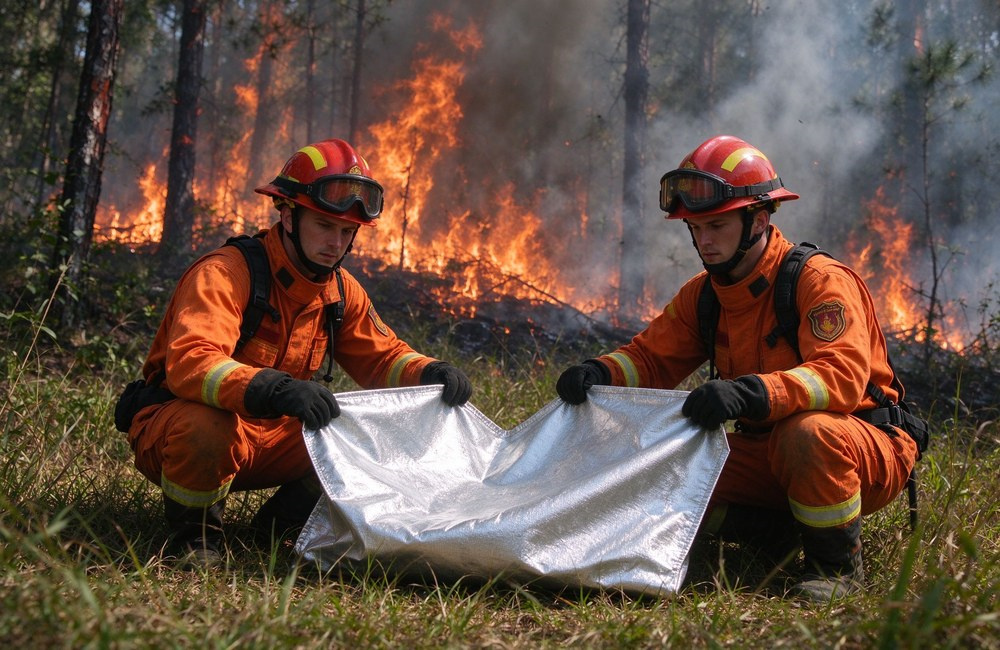
Firefighters deploying a protective fire shelter in a clearing, kneeling to unfold the silver thermal blanket during an emergency drill
Wildfire risk is not uniform, and neither is a wildfire emergency kit. A family in a mountain valley faces a different threat than a school in the suburbs, but both need the same core layers: escape gear, smoke protection, communication and shelter supplies.
Understanding the local risk profile tells you which layers to weight when ordering.
Fire season varies by region, but the pattern is the same everywhere: hot, dry and windy months create the highest risk. Track the local fire danger level, which usually rises from low to moderate to extreme.
Stocking should follow the calendar: order kits 8 to 12 weeks before high-risk months, rotate food and batteries before the season, and review evacuation routes with staff once a year.
The danger level also tells you when to pre-position masks at shelter doors.
Each danger level should trigger a named action: moderate means check mask stocks and fuel, high means pre-position go-bags at exits, extreme means open the shelter plan and confirm volunteer shifts.
Written triggers remove guesswork for new staff and keep the response consistent even when the same people are not on site.
Post the trigger table in the supply room next to the kit shelves.
An evacuation route is only useful if the wildfire emergency kit is ready to move. Keep go-bags near exits, not in closets, and put one set in each vehicle.
For shelters, mark the loading point where bulk kits sit on pallets so volunteers can move them in one trip.
Route planning should name two exits per building and a meeting point outside the risk zone, and the meeting point should be confirmed with a printed map in every kit.
Smoke is often the first danger, even miles from the flames. Particulate matter irritates lungs, eyes and airways within minutes, and vulnerable groups - children, elderly residents and people with asthma - react first.
Kit planning must include N95 masks for every person, goggles for staff who stay outside, and a plan to seal doors and windows with damp towels if evacuation is delayed.
Air quality alerts should trigger mask distribution before any flame is visible.
Wildfires move uphill faster than downhill and can double in size in minutes when wind picks up. Embers travel kilometers ahead of the main fire and start spot fires on roofs and decks.
This behavior shapes the wildfire response equipment list: fire retardant blankets for escape, fire escape hoods for smoke-filled routes, and water for spot-fire response near the building.
Community risk mapping helps shelters decide which neighborhoods to serve first when roads close.
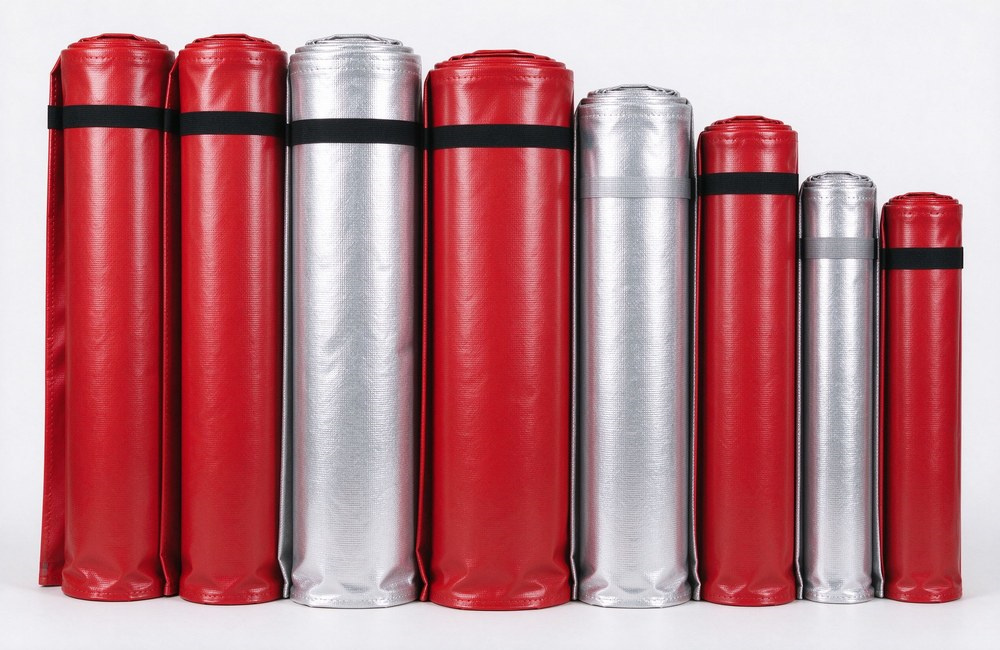
Multiple sizes of fire retardant blankets folded and stacked on a white surface, silver-gray fiberglass texture with edge stitching visible
Shelters order per-person wildfire preparedness kit bundles so each evacuee receives one complete set at registration.
Schools stock classroom kits with masks, blankets and radios sized for children and staff across every building.
Workplaces protect staff with bulk wildfire evacuation supplies, stored near exits and rotated before each fire season.
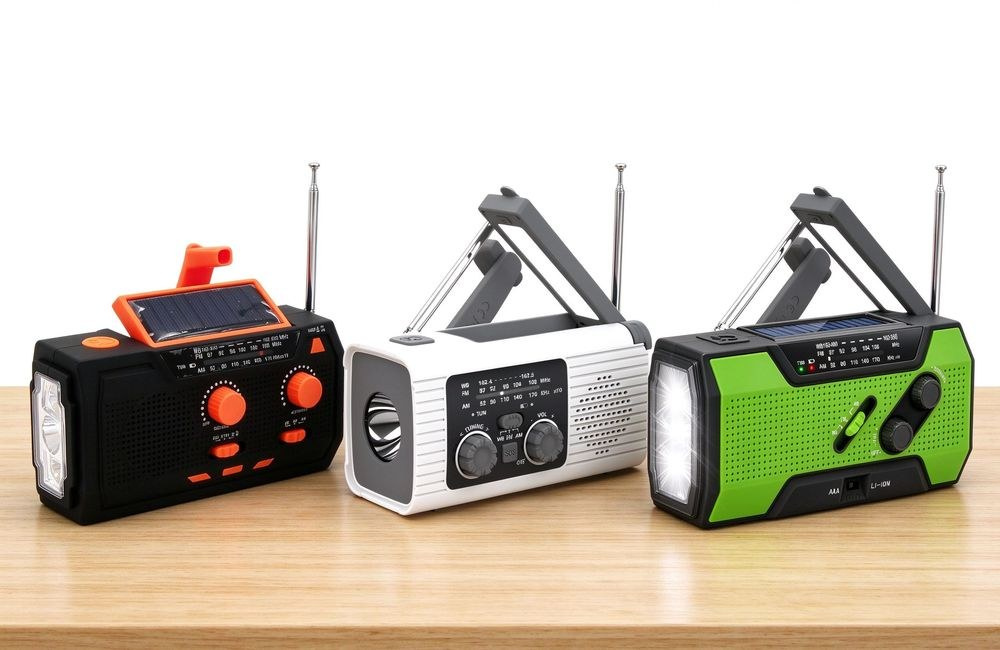
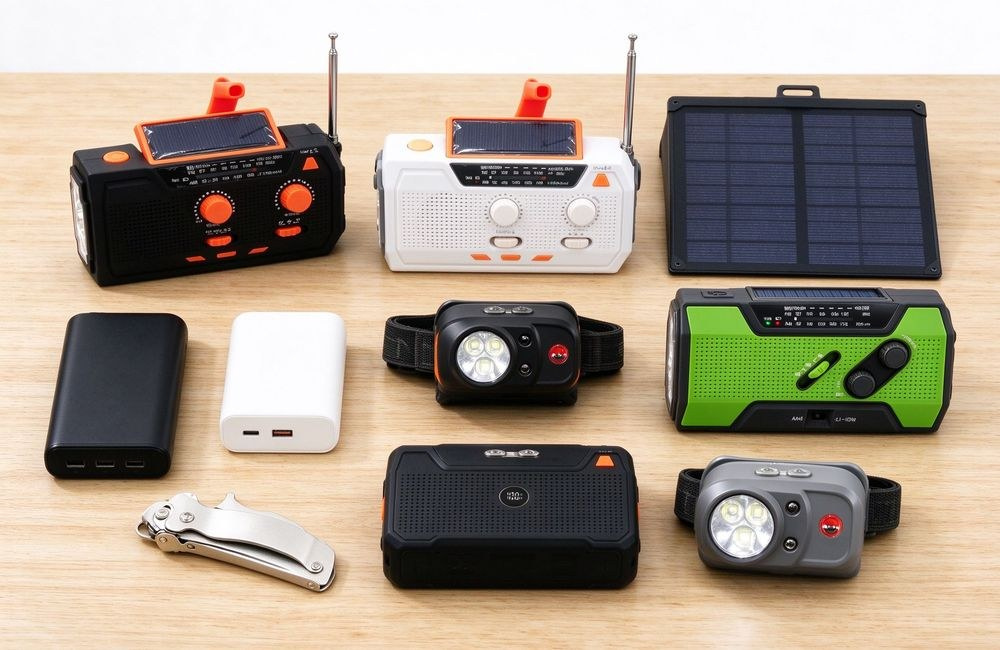
Family of three emergency radios in different colors on a light surface, AM FM weather band knobs and antenna, emergency communication set
Kits that nobody can reach in minutes are useless. Store sealed bins at exits on labeled shelves.
A cheap blanket that fails in a real fire costs more than the saving. Check EN 1869 ratings and request test reports.
One-size N95 masks leak on children. Stock a range of sizes and show the ninety-second fit check.
Ash re-suspends for days. Keep spare masks and gloves in the recovery order so returning residents stay protected.
Compare options by rated protection, per-person ratio and restock cycle before you order:
|
Buyer Type |
Recommended Gear Mix |
Planning Note |
|
Family or small group |
Fire blanket, escape hood, N95 masks, hand-crank radio |
One sealed kit near the exit |
|
School or shelter |
Per-person masks plus cots, lanterns and registration supplies |
Stock three masks per evacuee |
|
Regional relief team |
Bulk blankets, breathing devices, bulk water and food |
Quarterly rotation of smoke gear supplies |
Match the tier to your protected headcount and fire exposure, and pilot one season before scaling to remote sites. Recheck the tier after the first drill, when missing items usually surface.
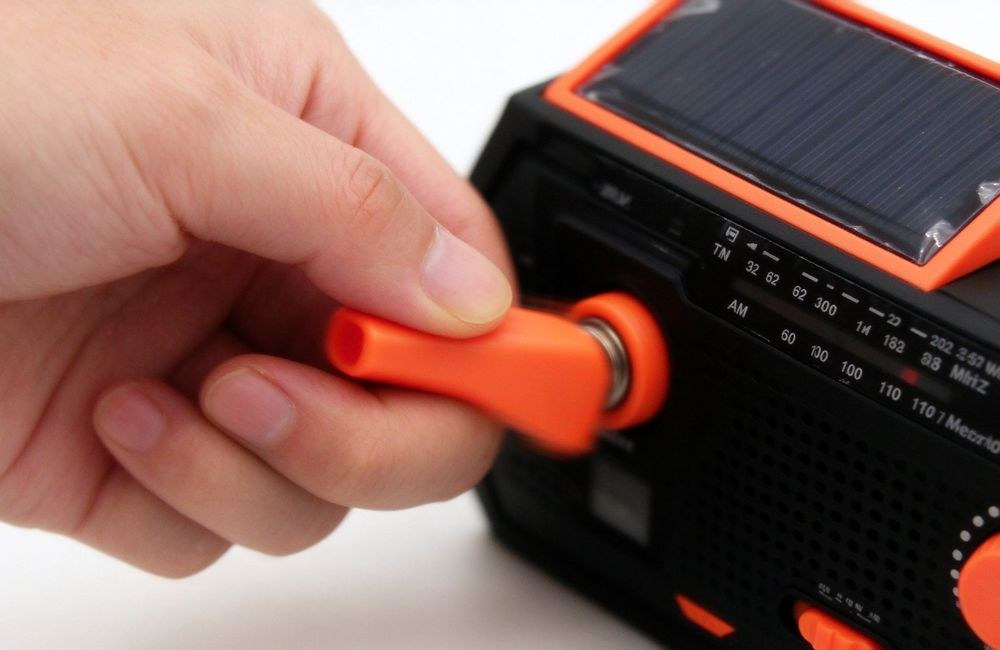
Close-up of a hand-crank emergency radio with solar panel and crank handle, charging a phone port, bright product detail shot for shelters
The wildfire emergency kit has six working parts: escape gear, communication, lighting and power, shelter supplies, food and water, and medical items.
Ordering each part in bulk keeps per-unit cost low and ensures every kit is identical, which makes training and inspection simpler.
During a wildfire, cell towers can fail, power can drop, and families need one source of truth. A hand-crank emergency radio with AM, FM and weather bands receives official alerts without batteries.
Stock one per family group or per shelter zone, and store a spare crank radio with the bulk kits so volunteers can stay informed if the grid fails.
A solar panel on the radio also keeps it useful for days.
The close-up below shows the charging port and crank detail buyers should check before ordering a bulk radio lot.
Weather band coverage varies by region, so confirm the unit receives your local alert frequency and that the crank charges the internal battery after about a minute of winding.
Bulk radio lots should include a station list sticker: the local weather band frequency, the emergency alert channel and a backup AM station written on the back of each unit.
Users cannot tune a radio correctly in a smoky, stressful moment without that reference, so the sticker is part of the kit design, not an extra.
Confirm the sticker language matches your population before ordering.
Family of three LED emergency headlamps in different colors on a light surface, adjustable straps and bright beam lenses for night escape
Wildfire evacuations often happen at night, when smoke makes darkness worse. Headlamps keep hands free for carrying children or documents, lanterns light shared shelter space, and power banks keep phones charged for family check-ins.
Match lighting to the role: one headlamp per person, one lantern per family or shelter bay, and one power bank per two people as a practical ratio for a multi-day evacuation.
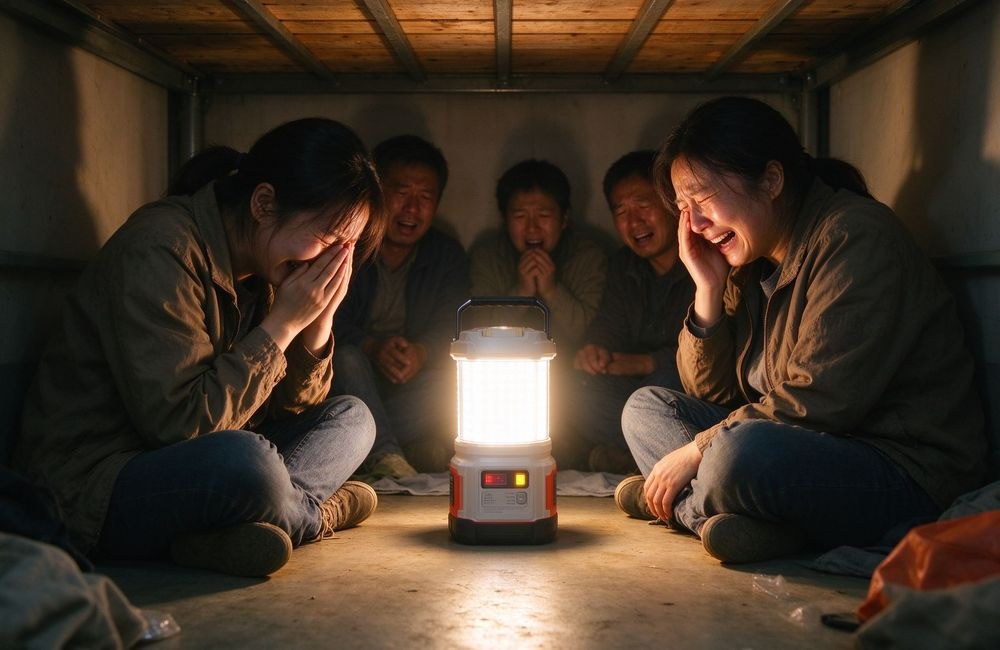
A lantern covers shared space in a shelter bay, while a headlamp covers movement through corridors and parking areas.
Keep this smoke inhalation protection gear alongside light sources because a shelter that relies on one light source leaves half its space in the dark.
Warm LED lantern glowing inside a shelter tent at night, soft light on cots and bedding, emergency lighting for evacuation shelter
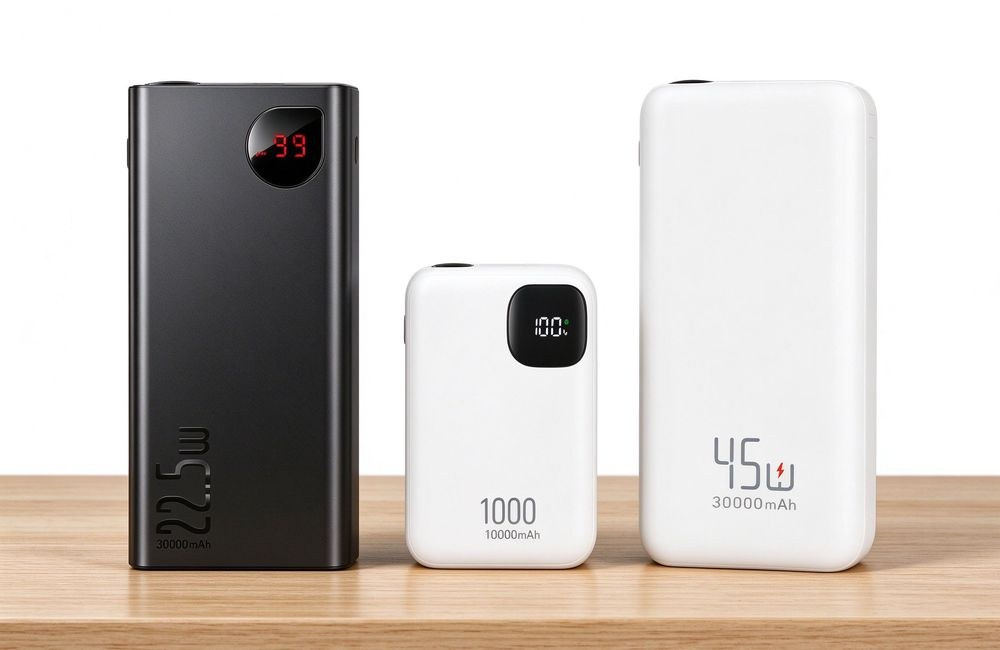
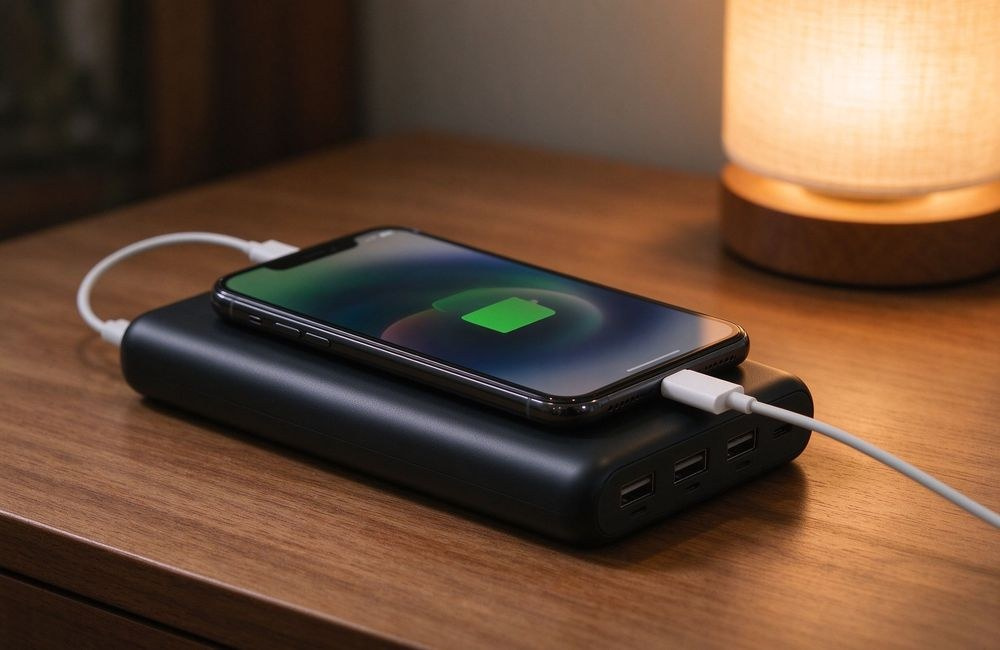
For phones and radios, a power bank is the second half of the lighting system: it keeps alerts flowing and family check-ins possible after the first night.
Bulk buyers should confirm capacity labels and test one unit from each production lot.
Family of emergency power banks in three sizes on a white surface, USB ports and capacity labels, bulk charging for shelters
Long evacuations turn gyms and community halls into shelters. Folding cots, blankets, thermal bags and privacy screens turn an empty hall into a livable space in hours.
A well-run shelter registers each family, hands out blankets and thermal bags, and marks quiet zones and medical areas.
Order these supplies as bulk wildfire evacuation supplies on the same schedule as kit components so the shelter is ready before the first evacuee arrives.
Zone planning is what separates a crowded hall from a functioning shelter: cot rows with numbered zones, a quiet area for families with infants, a medical corner near the entrance and a supply station beside the registration table.
Each zone gets its own lantern and its own mask box, so volunteers never walk the length of the building for basic supplies. Draw the zone map on the shelter door and rehearse it once.
Evacuation can last days, and grocery shelves empty fast when a region is under threat.
Shelf-stable food, bottled water and a first aid kit belong in every bulk order: one gallon of water per person per day, three days of food minimum, and a restocked first aid kit per shelter zone.
Smoke triggers asthma and eye irritation, so include inhaler spares where possible and rinse stations for eyes.
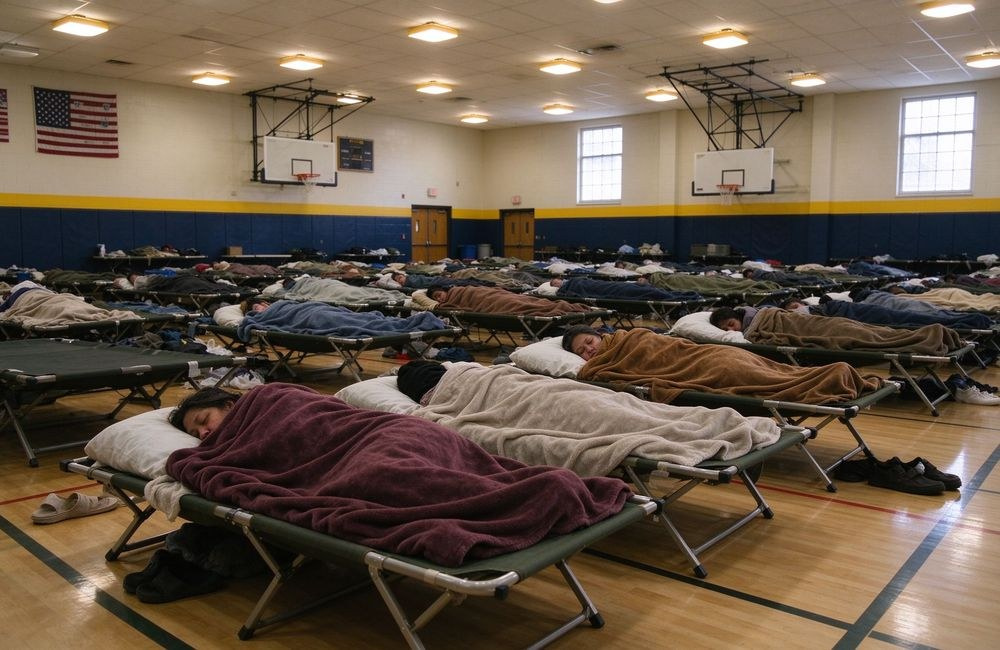
Bright community shelter set up in a gym with rows of folding cots, blankets and supply tables, daylight through large windows
A fire retardant blanket is the first line of defense for escape: wrapped around the body or thrown over a small fire, it blocks radiant heat and falling embers.
Bulk buyers pair fire-resistant clothing with portable suppression tools, because a kit that protects both escape and wildfire response equipment used for spot-fire control covers both emergency modes.
Fire blankets ship in several sizes because coverage needs differ; a compact 1.5 x 1.5 m blanket suits a family, while larger sheets protect shelter doorways and vehicles.
The table below compares common fire retardant blanket and escape gear options and their rated uses:
|
Item |
Material |
Heat Resistance |
Best Use |
|
Graphite-silica fire blanket (Pro) |
Graphite-silica fiber + fluoropolymer coating |
Up to 1500°C short-term |
Industrial, forest fire response |
|
Fiberglass silicone fire blanket |
Ceramic-coated fiberglass |
V-0 flame rating, ≥0.4mm |
Homes, schools, vehicles |
|
Fire escape cloak / hood |
Aluminized coated fiberglass |
Radiant heat protection, reflective trim |
Escape through smoke and embers |
|
Emergency escape breathing device |
3L cylinder, 30MPa |
≥15 min at 35 L/min |
Smoke-filled evacuation routes |
Ratings are per-product published values; request the test report for any lot before bulk acceptance. Open one sample blanket and flex the fabric so the coating and edge stitching can be checked on site.
Escape gear works as a system.
A hooded escape cloak blocks radiant heat and falling debris while a smoke escape hood filters the first minutes of toxic gas, and a breathing device with a transparent mask keeps evacuation routes passable for staff.
For fast-moving fires, a lightweight escape breathing device with a 3L cylinder gives up to 15 minutes of filtered air - enough to cross a smoke-filled corridor.
The forest fire suit is the professional-grade version of the same protection principle: reflective stripes, flame-resistant aramid fabric and a padded shell for responders working the line.
Shelters and relief groups rarely need this grade, but understanding the difference helps you pick the right blanket and hood for civilian kits.
Fire-resistant station wear follows the same logic at a lower cost, and many relief kits include a flame-resistant overshirt for staff who handle spot fires.
The breathing device is the final layer of the same escape system: a transparent mask with a 3L cylinder that filters smoke for up to 15 minutes.
Staff members who must guide residents through a smoke-filled corridor wear it over the hood, and shelters stock one per staff shift.
Bulk buyers should check cylinder certification, mask seal and the expiry date on every lot before accepting delivery.
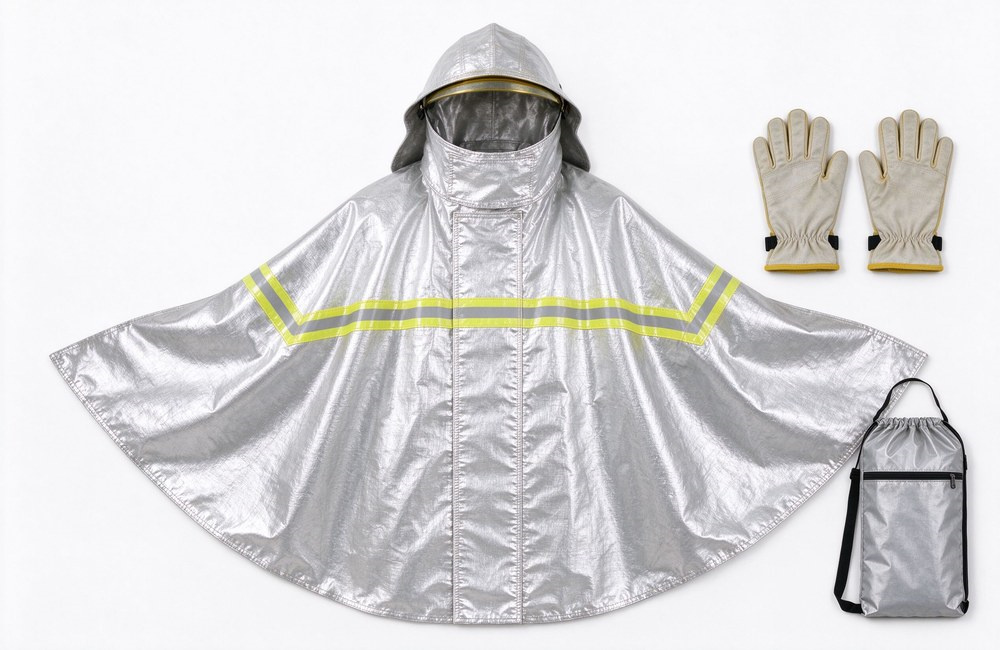
Hooded fire escape cloak in aluminized fabric hanging on a rack, reflective trim and full-body coverage for radiant heat escape
Smoke is the first hazard in a wildfire, and N95 masks are the first layer of smoke inhalation protection gear. Plan three masks per evacuee: one on arrival, one spare, and one for staff or replacement after soiling.
Fit matters as much as count, so order a range of sizes for children and instruct residents to pinch the nose clip and check the seal.
Mask training takes ninety seconds: hold the mask to the face, pull both straps over the head, pinch the metal nose clip and inhale sharply to check for leaks around the edges.
Post this four-step card next to every mask box and demonstrate it at registration.
Children under two should not wear N95 masks; keep them in a covered stroller or carrier with filtered air and limit outdoor time.
Fine particles irritate eyes within minutes, so sealed goggles belong at shelter entrances and in every staff kit. Eye rinse stations and disposable eyewear reduce the load on medical staff during the first night.
Pair this smoke inhalation protection gear with an air quality monitoring plan: check the local AQI feed hourly during an active fire and close intake vents when levels cross the unhealthy threshold.
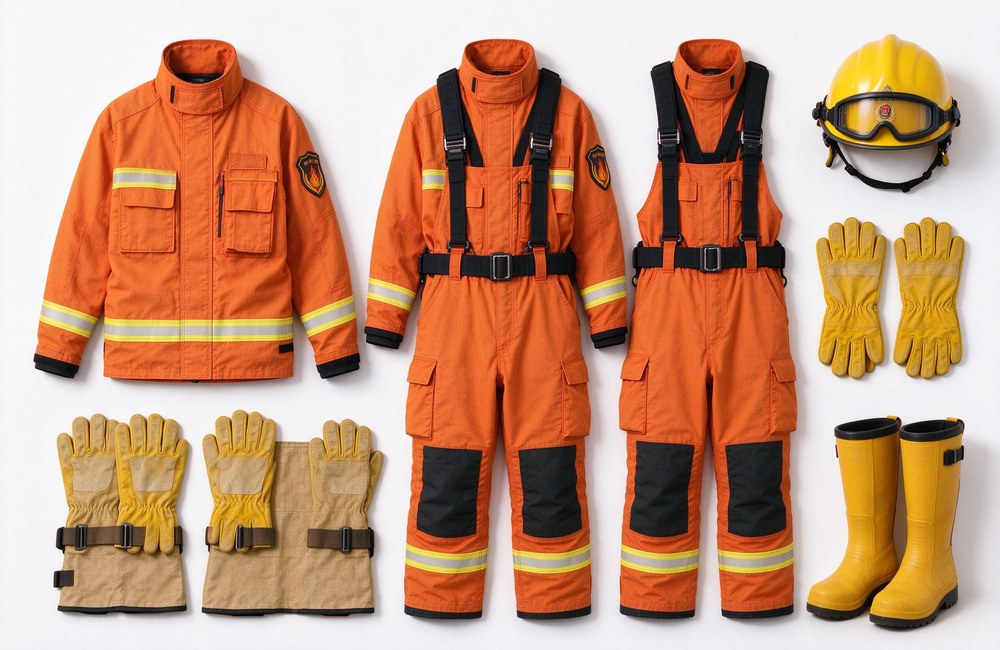
Forest fire fighting suit in yellow and orange aramid fabric on a display stand, reflective stripes and padded jacket detail
When an evacuation order is issued, move in the order your plan defines: put on smoke protection first, grab the wildfire emergency kit at the exit, and leave before the route fills.
Post a one-page evacuation card at every exit so volunteers and residents act without waiting for instructions.
Load the car in the order of use: masks and documents on the front seat, go-bags in the trunk, water and blankets last.
When the order is announced, one adult starts the car while the other does a two-minute sweep of the checklist on the dashboard.
Pets get their own go-bag with food and water, and each household should designate a contact person outside the risk zone to relay updates.
Shelters that open early save lives. Set up cots in numbered zones, mark quiet areas, and register each family with a wristband so supplies and messages reach the right people.
Use a simple registration sheet: name, family size, medical notes and home address. Keep bulk kits at the registration table so every arriving family receives a complete set.
Generators power shelters and homes during extended outages, but they cause tragedies when placed indoors. Run generators outside, at least 3 meters from doors and windows, and store fuel away from ignition sources.
Carbon monoxide from generators is odorless; install a battery-operated CO alarm in any space a generator powers, and include the same rule in your shelter training.
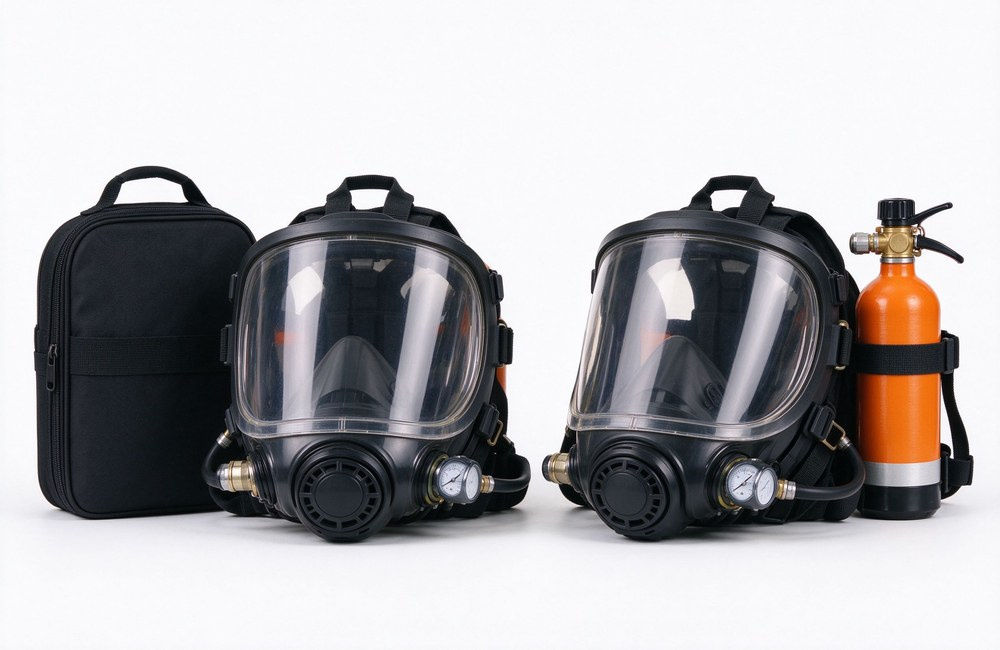
Emergency escape breathing device with transparent smoke mask and 3L cylinder on a white product surface, compact escape respirator for smoke-filled routes
After the flames pass, hazards remain: ash, damaged structures, contaminated water and food that spoiled during outages.
Discard any food that sat above 4°C for more than two hours, check seals on canned goods, and replace air filters in shelters before reoccupying. Treat water as unsafe until authorities confirm the supply.
Ash cleanup also changes kit planning: fine ash re-suspends in wind and can be inhaled days after the fire.
Shelters should keep this smoke inhalation protection gear as spare masks for returning residents, provide disposable gloves for cleanup volunteers, and wet down ash piles before any disturbance.
Include these items in the recovery order so the shelter does not run out while the neighborhood is still dusty.
Power restoration can take days after a wildfire because crews must check lines, and replacement gear arrives slowly.
Restore the wildfire emergency kit before the next season: replace food nearing expiry, rotate batteries, inspect fire retardant blankets for damage, and update evacuation maps if roads changed. A post-fire inventory list makes this a one-day job.
Budgets scale with the number of people protected. A small community group covering up to 50 households can start with go-bags, masks, radios and blankets.
A school protecting 100-500 people adds per-classroom kits and shelter supplies. A regional relief organization covering thousands of evacuees plans cots, blankets, bulk water and food with quarterly rotation.
The table below shows how planning scales by organization size:
|
Organization Size |
People Covered |
Core Investment |
Restock Cycle |
|
Small community group |
Up to 50 households |
Go-bags, masks, radios, blankets |
Twice a year |
|
School or care facility |
100-500 people |
Kits per classroom, shelter supplies |
Before fire season |
|
Regional relief organization |
1,000-5,000 evacuees |
Cots, blankets, bulk water and food |
Quarterly rotation |
Ranges scale with evacuee count; restock cycles shorten for regional relief groups serving thousands of people. Lock the restock date on the calendar so kits stay fresh between events.
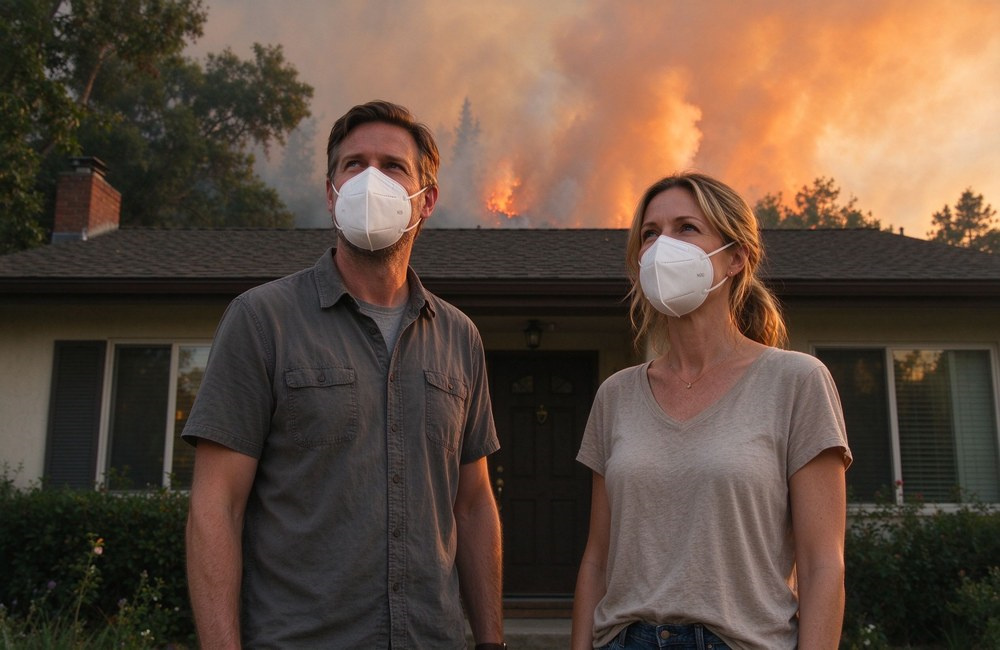
Residents wearing N95 masks on a smoky street during a wildfire, hands raised to adjust fit, smoke haze and orange light around them
Most procurement issues trace back to buying on price alone. Ask for the specification sheet before quoting: fabric type, temperature rating, standards compliance such as EN 1869 for fire blankets, and test reports on request.
A cheap look-alike blanket that fails in a real fire wastes your wildfire response equipment budget costs more than any saving, and it adds liability to the organization that distributed it.
Confirm packaging is sealed, labeled and deployable in seconds, and that production and shipping finish before fire season - 8 to 12 weeks is a safe ordering window.
Collect documentation at order time: test reports, certificates and a packing list per carton.
For forest fire response teams, suit specifications matter as much as kit components, so request fabric and seam samples with the bulk order.
Store this wildfire response equipment where people can grab it: labeled bins near exits, one shelf per shelter zone, and sealed cartons on pallets for bulk.
Avoid attics and damp basements, which damage blankets and food. Check this smoke inhalation protection gear twice a year and log the inspection date on the bin.
Label every bin with three lines: contents, quantity and the next inspection date. A bin that says fire blankets, 25, check October makes the twice-yearly inventory a five-minute walk instead of a search.
Use the same label format on pallets and go-bags so any volunteer can find and verify stock without asking.
Restock before fire season, not after. Twice-a-year rotation works for most organizations: once before the high-risk months and once after.
Regional relief groups rotate quarterly to keep thousands of kits fresh. Tie smoke gear supplies restocking to the same calendar as fire drills so it never gets skipped.
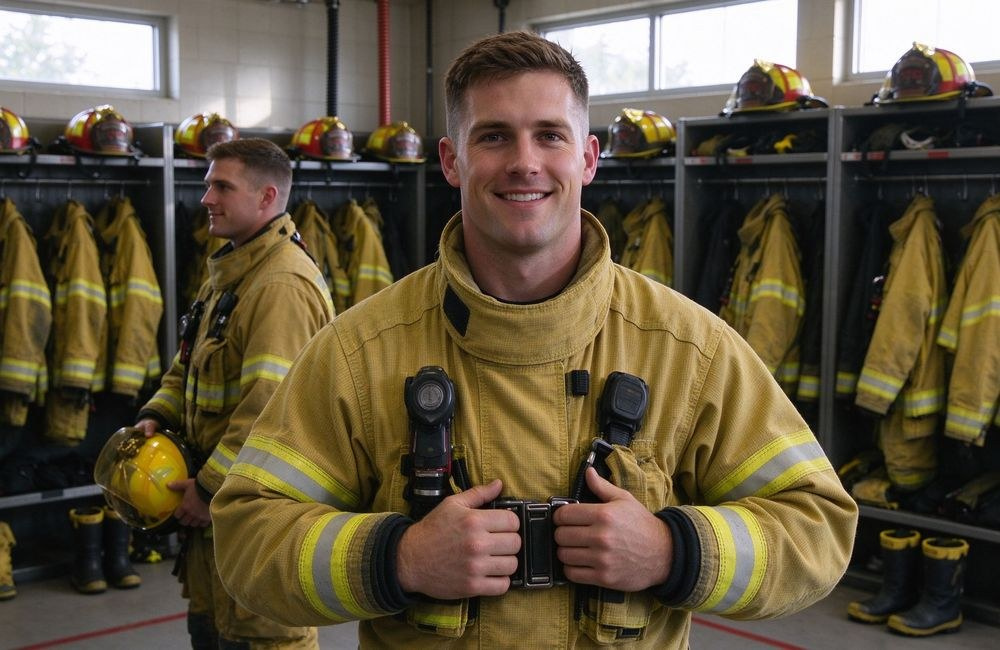
Firefighter wearing full SCBA gear with facepiece and cylinder, turning to check fit, bright yellow helmet and orange suit contrast
The 72-hour baseline per person: one N95 mask plus a spare, one emergency light, one emergency radio per family or zone, three days of food and three gallons of water, a fire retardant blanket per two people, and one first aid kit per shelter zone.
Add medication, documents and pet supplies for each household.
Documents are the item most families forget: passports, insurance papers, medical records and a printed list of emergency contacts.
Photocopy them into each go-bag and store the originals in a waterproof pouch near the exit. Add cash in small bills and a charged power bank, because card readers and ATMs may be offline for days after a major fire.
Shelter-level bulk: folding cots and blankets for expected capacity, thermal bags, privacy screens, registration sheets, spare masks and goggles, power banks, lanterns, and a generator with CO alarm where grid power may fail.
Keep this list on the shelter door so volunteers can inventory in ten minutes.
Check these pages before fire season and again during an active event. Official sources publish evacuation orders, air quality levels and recovery guidance that kits and shelter plans must follow.
For current wildfire safety guidance, see the NWS wildfire safety guidance and the American Red Cross wildfire preparedness page. Build your kit against the Red Cross survival kit supplies checklist.
For shelter planning around home fires, our home fire emergency kit guide explains the parallel checklist for structure fires, and the same procurement principles apply to both.
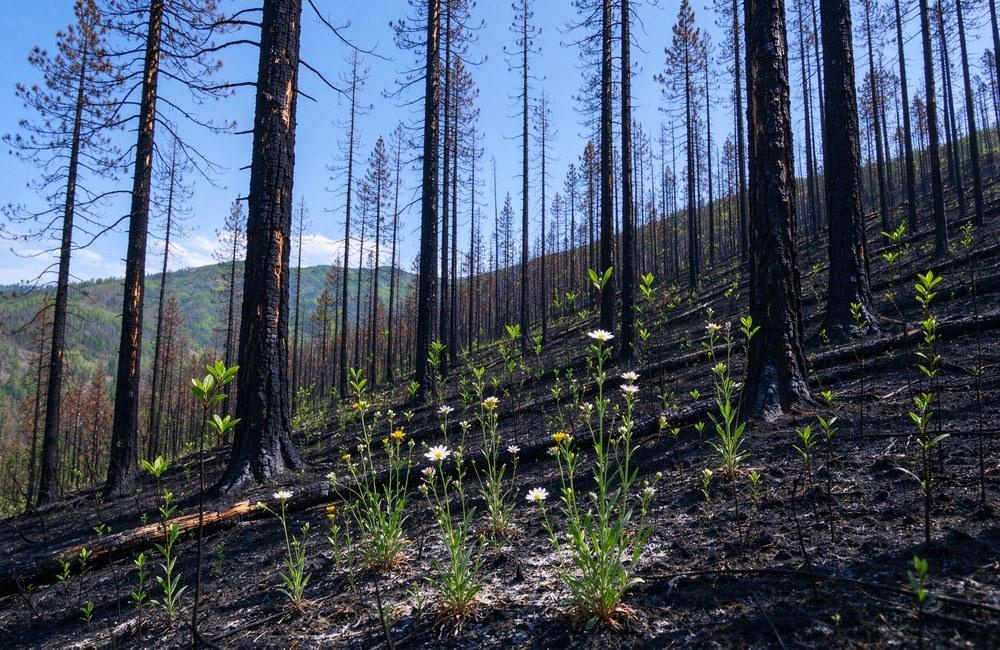
New green growth sprouting among charred trees after a wildfire, hopeful recovery scene with clear blue sky and open ground
Store at least one gallon of water per person per day, and plan for three days minimum. A 200-person shelter therefore starts with 600 gallons plus a refill plan, because local supplies can be disrupted during evacuation.
Minimum quantities depend on the components and supplier. Bulk kits are usually quoted by kit configuration and headcount; send your component list and expected capacity to get a volume price, with custom packaging available for larger orders.
Yes. Bulk orders ship by sea or air depending on volume and destination. Confirm delivery lead time before fire season so kits arrive with weeks to spare for inspection and storage.
Quality fiberglass and silica fire blankets are rated for repeated use within their limits. Inspect for tears and edge damage each season, and replace any blanket that has been deployed in a real fire.
Stock at least three masks per evacuee to cover the arrival window, replacement after soiling, and staff use. Children need properly fitted masks sized for smaller faces.
Yes, within their rated cycles. Fold the blanket back into its pouch after inspection, keep it dry, and retire it after direct flame exposure or visible damage.
Yes. Smoke carries fine particles that irritate eyes and lungs. Add sealed goggles for staff who stay outside and N95 masks for everyone, with eye rinse stations at shelter entrances.
Ask for specification sheets, test reports and standards compliance such as EN 1869 for fire blankets. Request samples before the bulk order and keep documentation for your own compliance files.
Most canned and dried food lasts 12 to 24 months when stored cool and dry. Label every kit with an expiry date and rotate food twice a year before fire season.
Yes. Bulk orders can be customized with printed packaging, label placement and kit configuration. Share your artwork early so production and printing finish before the season.
Order at least 8 to 12 weeks before the high-risk months. This covers production, shipping, inspection and storage, and leaves time to fix any specification issues.
Yes. Suppliers can provide checklists, usage guides and drill scripts that teach residents and staff how to deploy each component in under a minute.
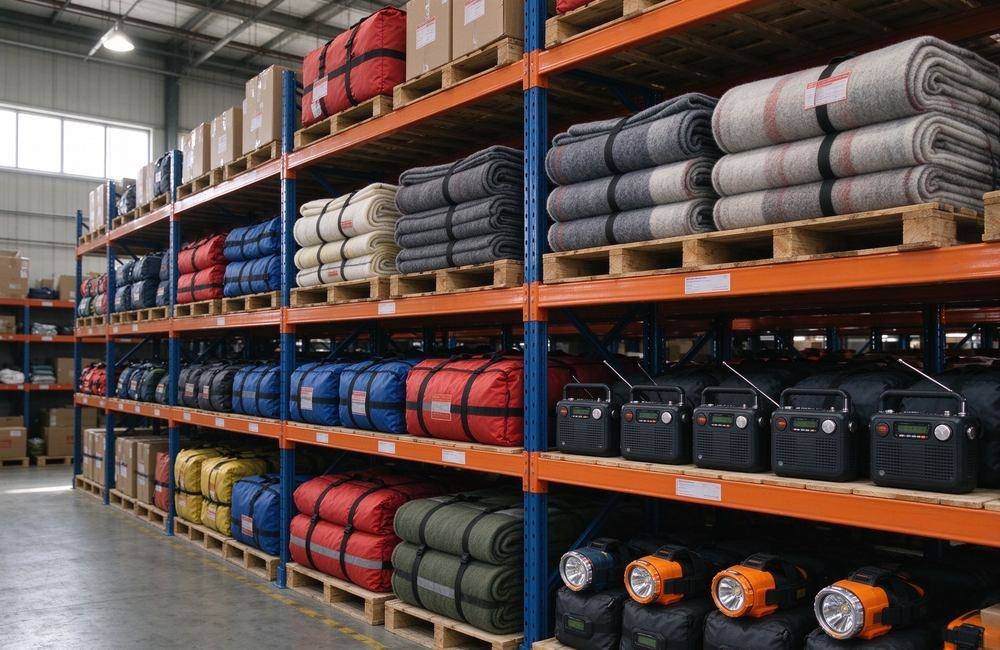
Warehouse shelves stocked with bulk emergency supplies, sealed cartons of fire blankets and evacuation kits, organized inventory rows for relief dispatch to shelters
A kit that has never been practiced fails in the moment. Run one evacuation drill before fire season: time the grab, check the route, and note which items ran out.
Fix those gaps in the order, then repeat after the season ends.
Update evacuation maps when roads change, keep a printed contact sheet in every kit, and subscribe to local air quality alerts so staff know when to distribute masks. Small annual updates keep the whole system usable for years.
Fire season is now a calendar event, not a surprise.
The organizations that perform best are the ones that treat preparation as an annual cycle: order in spring, inspect before summer, drill in early fall and restock after the season.
That rhythm keeps kits fresh without special effort, and it gives the whole team one clear moment each year to review what changed.
A wildfire emergency kit is not a product list; it is a decision made in advance.
Order fire blankets and escape hoods, store them at the exits, train the staff, and review the plan once a year. When the sky turns orange, the kit does the thinking.
Contact: info@yrftextile.com · YRF Textile, China
 |

|
روابط ودية :
حقوق النشر © Custom Disaster - Relief Bedding: Tents, Sleeping Bags, Blankets كل الحقوق محفوظة
الفريق المحترف للخدمة !